

Symptoms
Recognize the Warning Signs
Neuropathy rarely starts with severe pain. It begins with subtle changes — numbness in the toes, tingling in the fingers, a strange burning sensation at night. Knowing the symptoms helps you act before the damage progresses.
Common Neuropathy Symptoms
What Your Body Is Telling You
Numbness or Reduced Sensation
A gradual loss of feeling, often starting in the toes and fingers and slowly spreading inward. You may notice you can't feel temperature changes, textures, or even injuries in the affected areas. This happens because the sensory nerves are losing their ability to transmit signals to the brain.
Tingling or "Pins and Needles"
A persistent prickling or tingling sensation, similar to when a limb "falls asleep" — except it doesn't go away. Tingling is often one of the earliest signs of nerve damage and indicates that nerve fibers are misfiring or sending abnormal signals.
Burning Pain
A deep, burning sensation that can range from mild discomfort to severe, debilitating pain. Burning pain in the feet is especially common and often worsens at night. This occurs when damaged nerves send exaggerated pain signals to the brain.
Sharp or Stabbing Pains
Sudden, electric-shock-like pains that can strike without warning. These sharp, stabbing sensations may occur in the feet, legs, hands, or arms and are caused by nerve fibers sending erratic, high-intensity pain signals.
Balance Problems & Coordination Loss
Difficulty maintaining balance, unsteadiness when walking, or a feeling that the ground is uneven beneath your feet. When the nerves in your feet can't accurately communicate your position to your brain, your balance system is compromised — increasing your risk of falls.
Muscle Weakness
Difficulty gripping objects, opening jars, buttoning clothes, or lifting your feet when walking (foot drop). When the motor nerves that control muscle movement are damaged, the muscles they serve become progressively weaker.
Sensitivity to Touch
Even light contact — a bedsheet, socks, or a gentle brush of the hand — can trigger significant pain. This hypersensitivity (called allodynia) occurs when damaged nerves misinterpret normal touch signals as pain, making everyday activities uncomfortable.
Temperature Sensitivity
An inability to accurately detect hot or cold, or an abnormal sensitivity where mild temperature changes cause pain. Your feet may feel cold even in warm environments. Damaged sensory nerves can distort or block temperature signals, creating a safety risk as well.
Why Timing Matters
Neuropathy Is Progressive
Without intervention, neuropathy symptoms typically worsen over time. What starts as occasional tingling can progress to constant numbness, chronic pain, and loss of mobility. The longer nerve damage goes unaddressed, the harder it becomes to treat.
That's why early action matters. The sooner you address the underlying cause of your nerve damage, the better your chances of meaningful improvement. If you recognize any of the symptoms above, don't wait for them to get worse.
The tools we reach for
Beyond the symptom list.
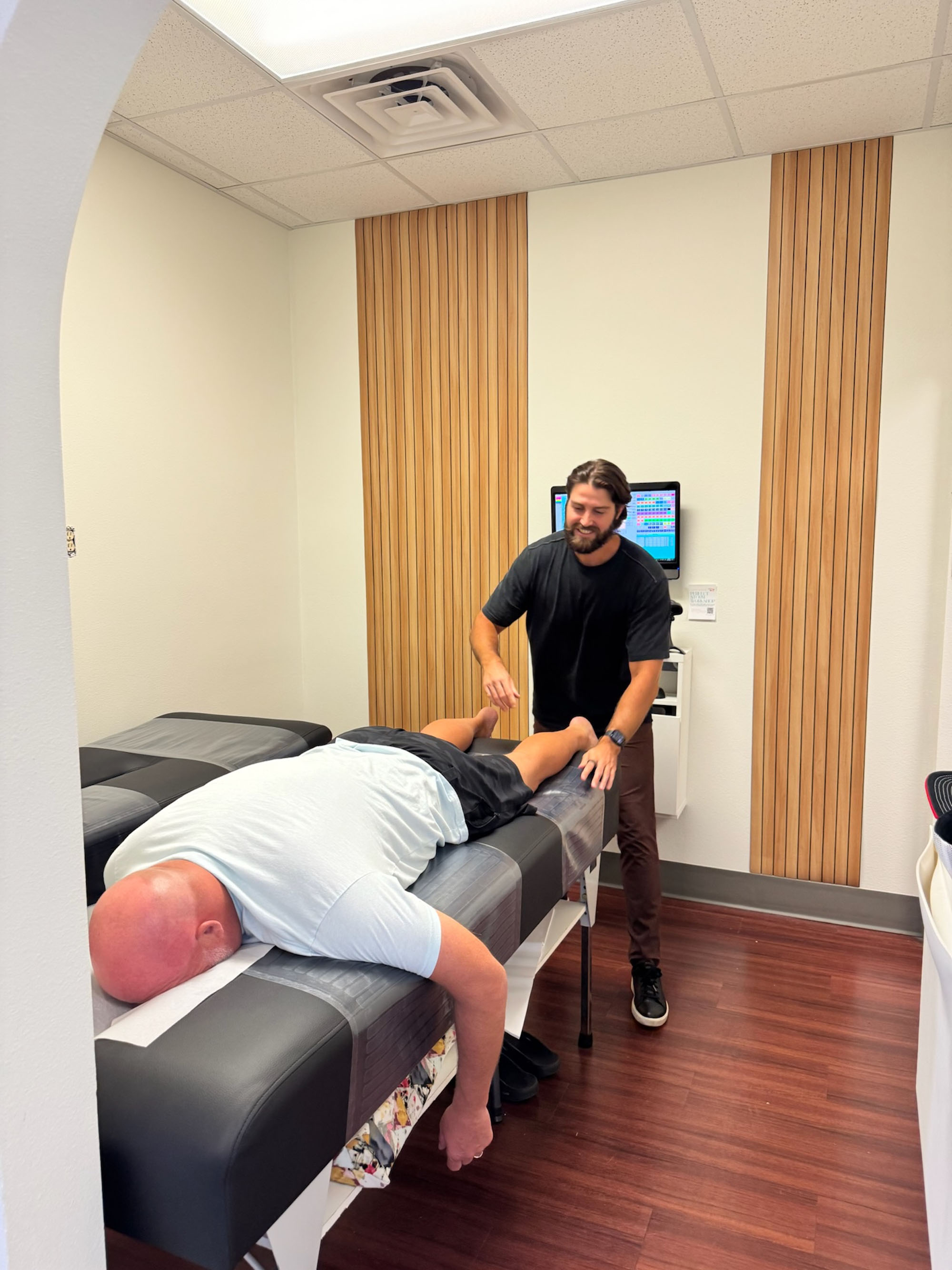
Torque Release Technique, every visit.
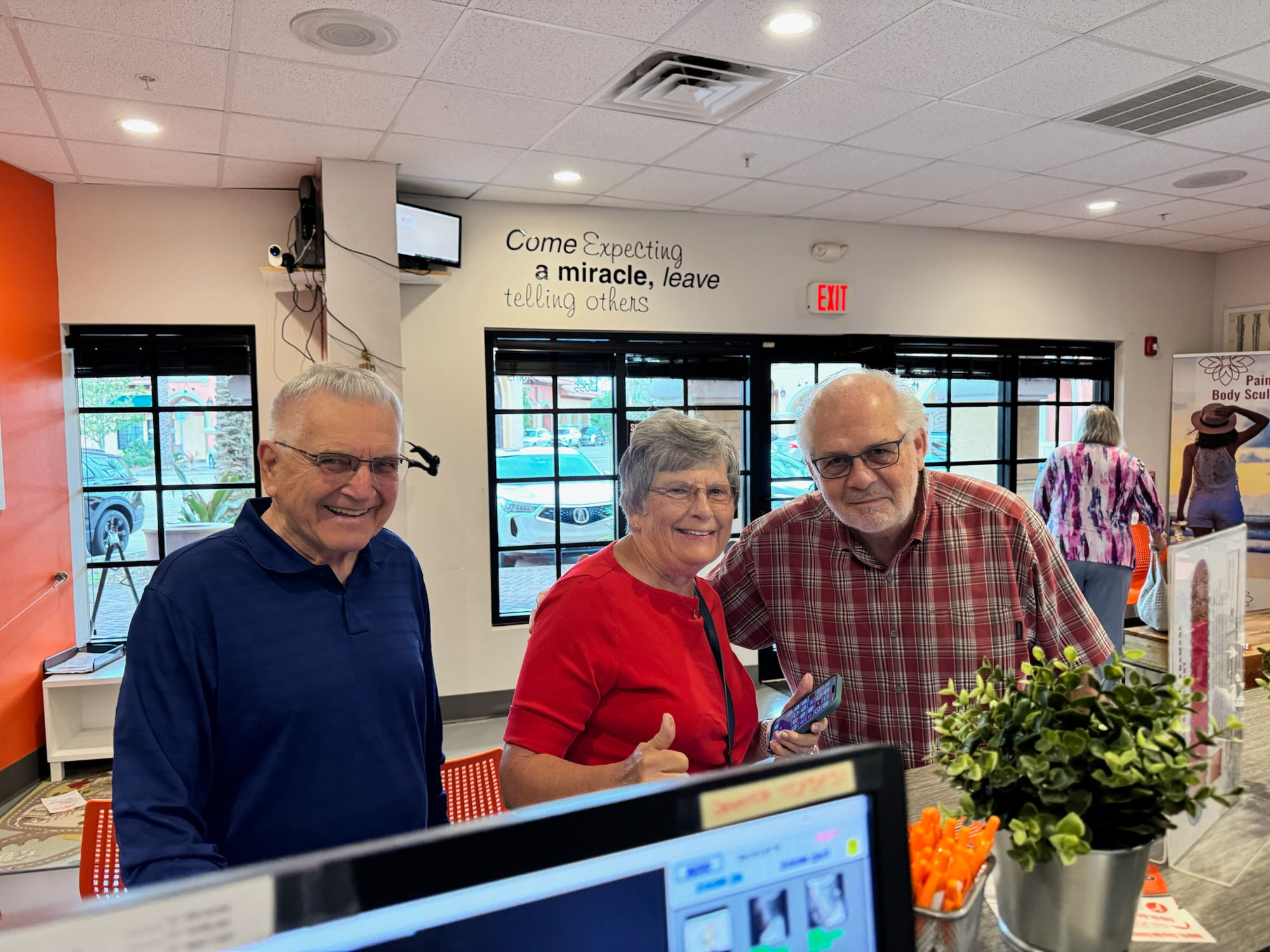
Seniors reclaiming mobility and confidence.
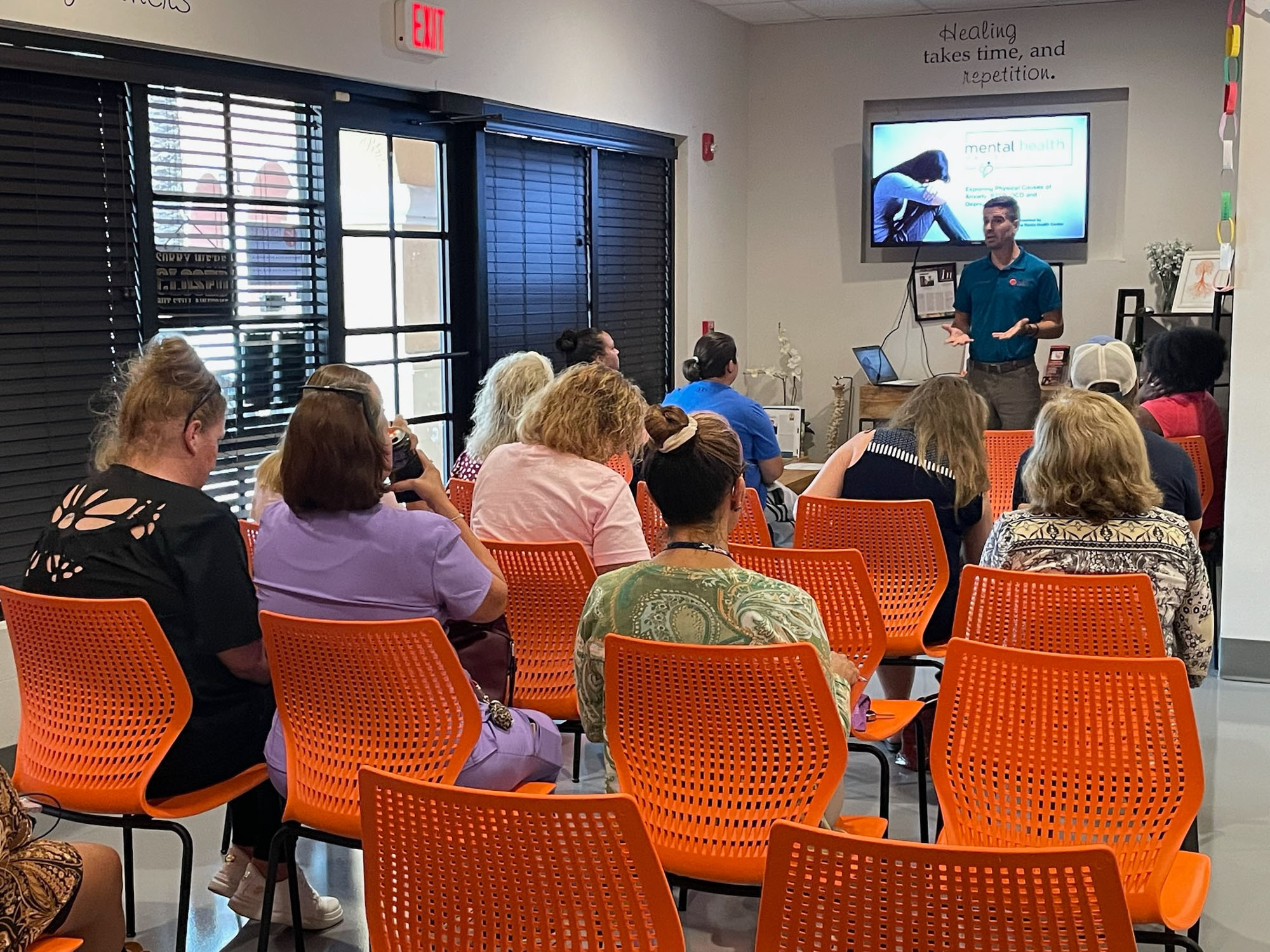
Monthly nervous-system seminars — teach first, adjust second.
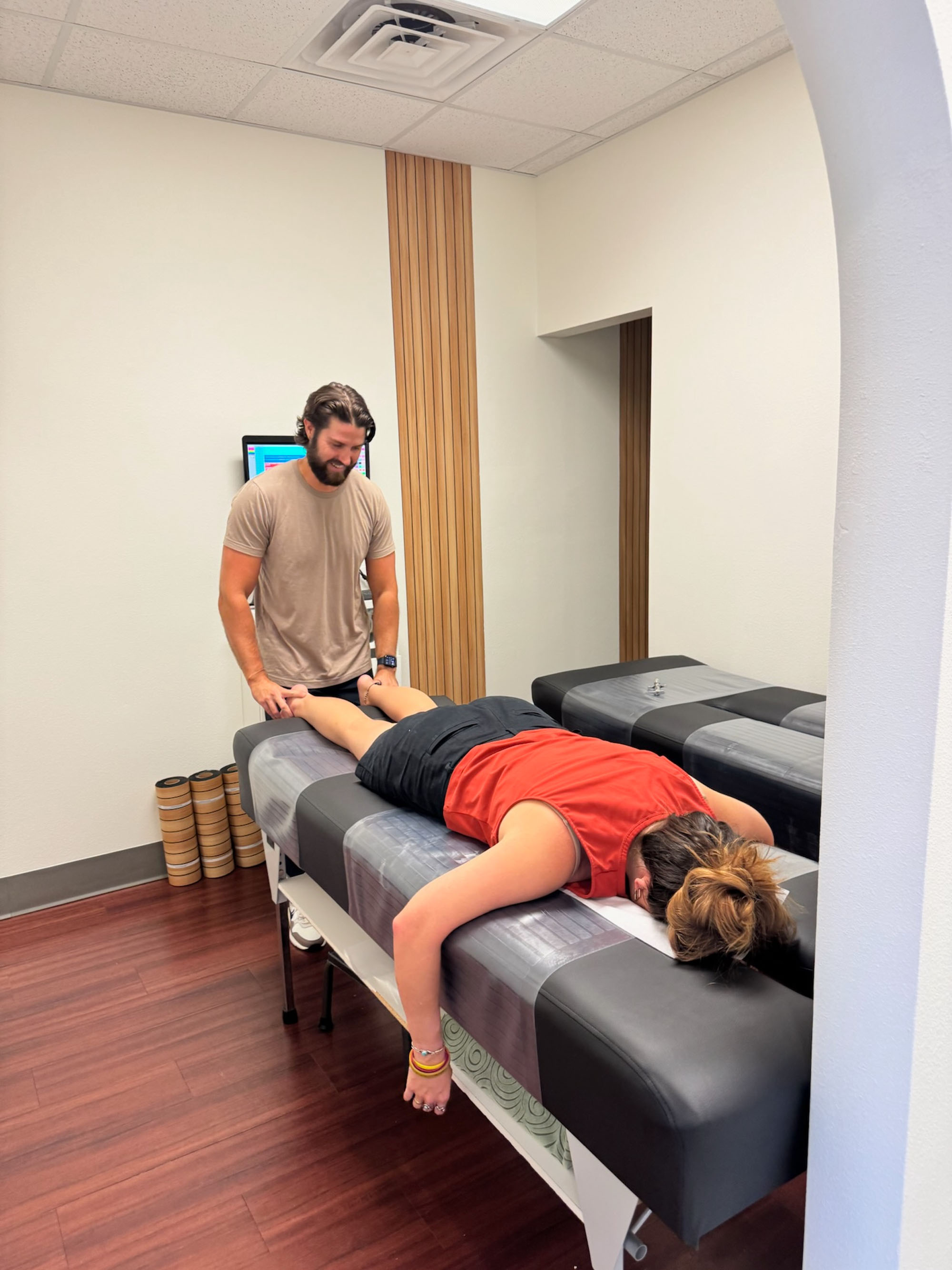
Precision over pressure.
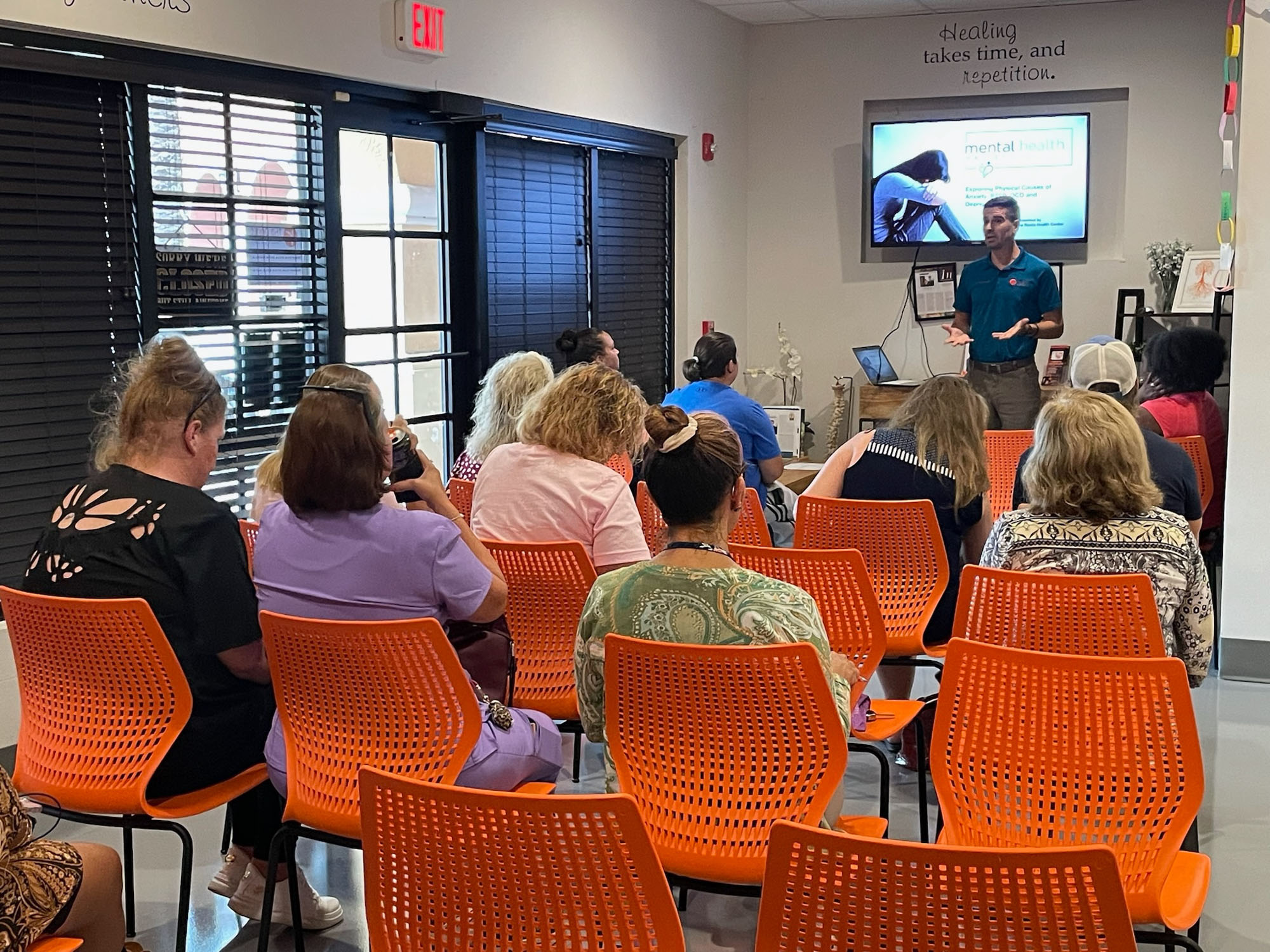
Education is care.
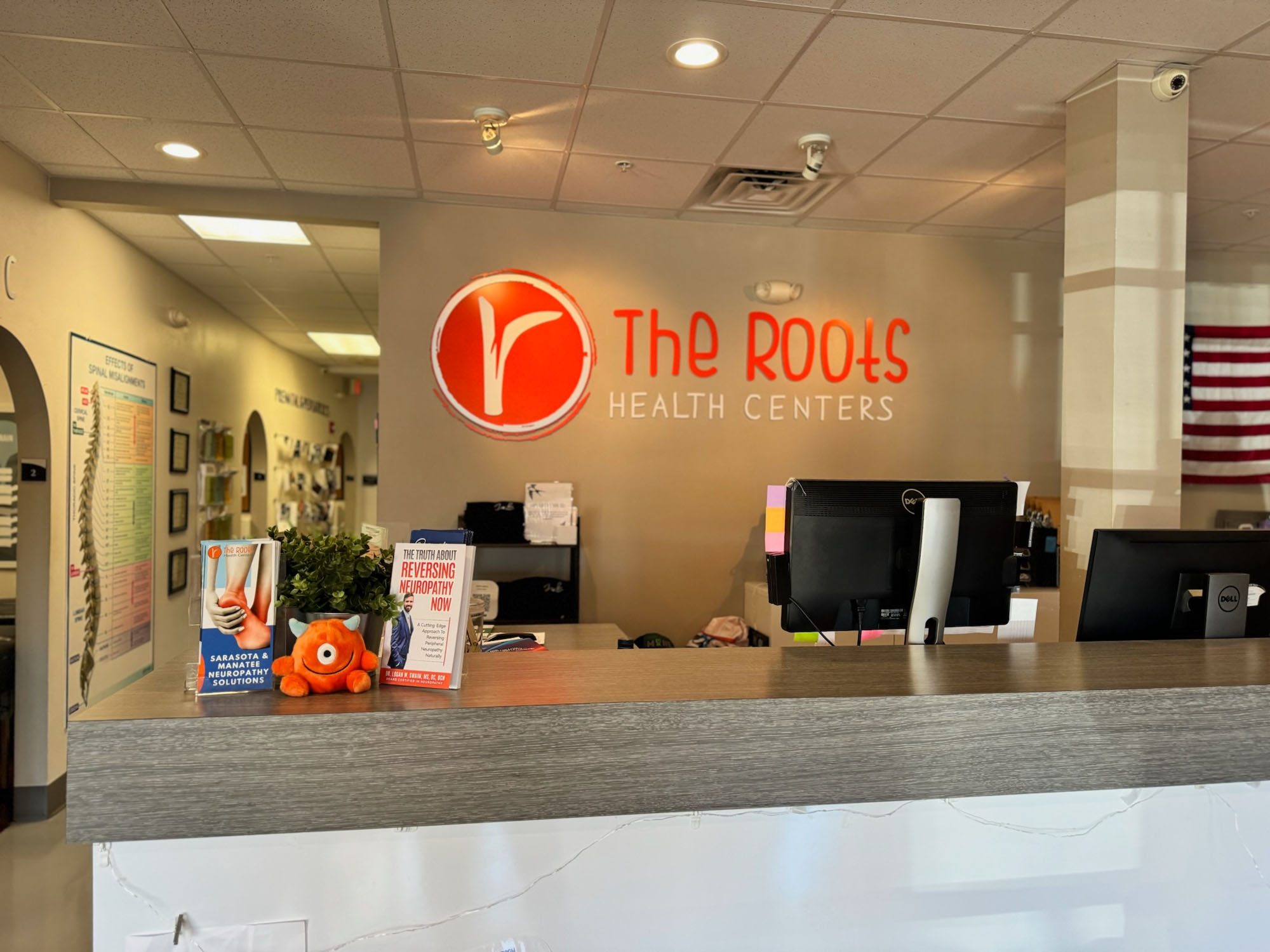
Dr. Logan's neuropathy book — free at every visit.

The hallway that's greeted 2,800+ patients.
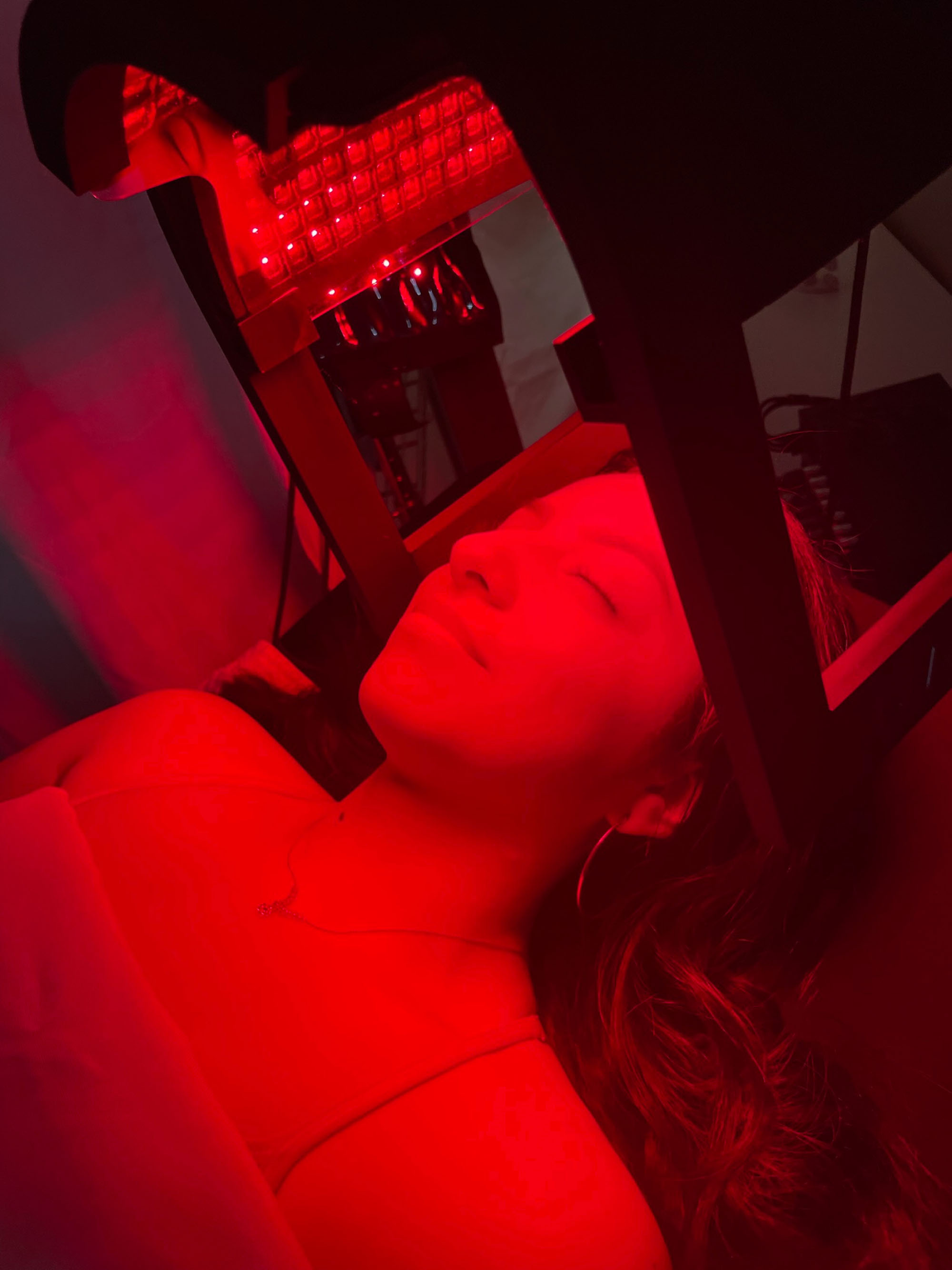
Red light therapy — mitochondrial recharge at cellular level.
Keep Exploring
Attend a free seminar
Recognize These Symptoms?
Don't wait for the damage to progress. Schedule a consultation or attend a free seminar.