

Spinal Decompression
Relief for Disc Pain — Without Surgery
Non-surgical care for herniated discs, sciatica, and degenerative disc disease.
Ask about spinal decompression
Three quick questions and we'll get back to you within one business day.
Thousands
Families Served
655+
5-Star Reviews
10+
Years in Business
4.8
Google Rating
Conditions & Symptoms
Common Presentations We See at The Roots
Each person and case is different, but these are the conditions and symptoms we most commonly see patients asking about in relation to spinal decompression.

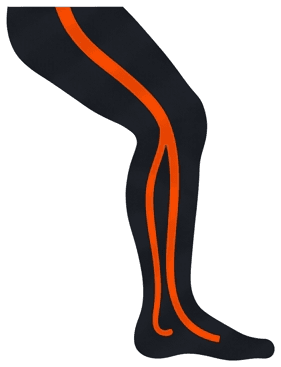

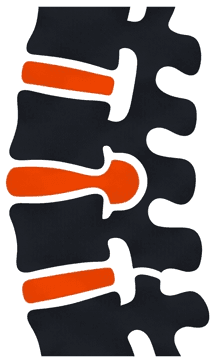
Benefits
Benefits of Spinal Decompression
Non-Surgical
Many patients avoid back surgery entirely by addressing disc issues with decompression therapy first.
Computer-Controlled Precision
The table calibrates force and angle to your specific condition, body type, and tolerance — no one-size-fits-all stretching.
Actually Rehydrates Discs
Negative intradiscal pressure draws fluid, oxygen, and nutrients back into the disc, which is how discs heal.
Often Relaxing
Most patients find decompression comfortable — many fall asleep during care.
What It Is
How Spinal Decompression Works
Spinal decompression therapy uses a computer-controlled traction system to gently stretch the spine and create negative pressure within the targeted disc. This negative intradiscal pressure promotes retraction of herniated or bulging disc material, taking pressure off compressed nerves and increasing the flow of nutrients and oxygen into the disc for healing.
You lie comfortably on a specialized decompression table while the system applies precisely controlled force at specific angles tailored to your condition. The care is gentle and graduated — the table cycles between stretch and relaxation phases to prevent muscle guarding and maximize effectiveness.
The technology is FDA-cleared and has been used successfully to support disc-related conditions for decades. At The Roots Health Centers, we integrate spinal decompression into comprehensive care plans that may also include corrective chiropractic, red light therapy, and other modalities to accelerate healing.
Who It's For
Is Spinal Decompression Right for You?
- Herniated or bulging discs causing pain, numbness, or tingling
- Sciatica and radiating leg pain
- Degenerative disc disease
- Chronic lower back or neck pain that has not responded to other care
- Patients looking for a non-surgical alternative to spinal surgery
- Post-surgical patients who continue to experience disc-related pain
What to Expect
Your Spinal Decompression Experience
Disc Evaluation
We begin with a thorough evaluation including your health history, exam findings, and imaging (if available) to determine whether your disc condition is appropriate for decompression therapy.
Table Setup
You lie face-up on the decompression table. A harness is positioned around your pelvis to target the affected area of your spine. The system is calibrated to your specific condition, weight, and tolerance.
Decompression Cycles
The table gently stretches and relaxes your spine in controlled cycles. Each session typically lasts 15 to 30 minutes. Most patients find the experience comfortable — many fall asleep during care.
Complementary Care
Decompression sessions are often paired with chiropractic adjustments, red light therapy, or other modalities to support healing and maximize your results across the full care plan.
Pairs Well With
Complementary Services
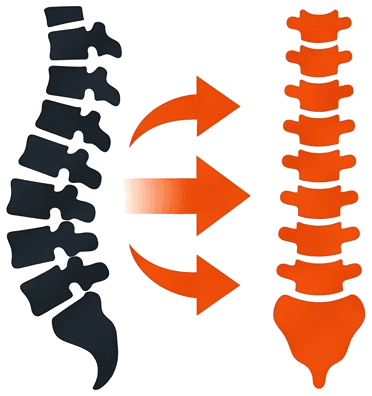
Corrective Chiropractic
Precise, progressive corrections that produce lasting structural change — not just temporary relief. Think of it like orthodontics for your spine.
Learn More
Red Light Therapy
Medical-grade red light therapy in a private, full-body room. Our DAHLIA Pinnacle Bed supports chronic pain, recovery, skin health, gut and neurometabolic health, and weight management — as part of a personalized care plan. Photobiomodulation that goes beyond a consumer sauna.
Learn More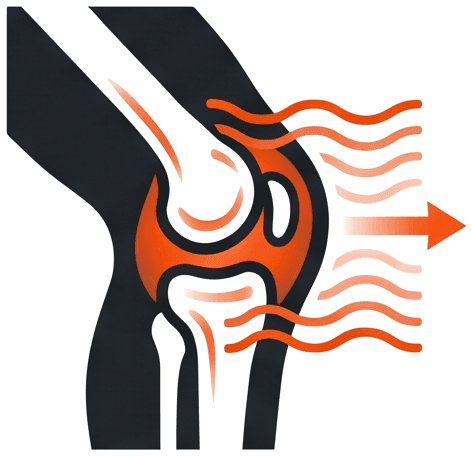
Knee Decompression
Non-surgical knee decompression therapy that takes pressure off damaged cartilage, reduces inflammation, and helps the knee joint heal naturally — without injections, drugs, or operating rooms.
Learn MoreRead More
Articles About Spinal Decompression
Herniated Disc vs. Bulging Disc: What's the Difference?
Both show up on MRIs, both can cause pain — but they're not the same thing. Here's how to tell the difference and what your options are.
Spinal Stenosis: A Non-Surgical Care Plan That Actually Works
Spinal stenosis doesn't have to mean back surgery. Here's the non-surgical protocol that helps most patients walk comfortably again.
Common Questions
Frequently Asked Questions
What spinal decompression looks like
Real visits, real tools.
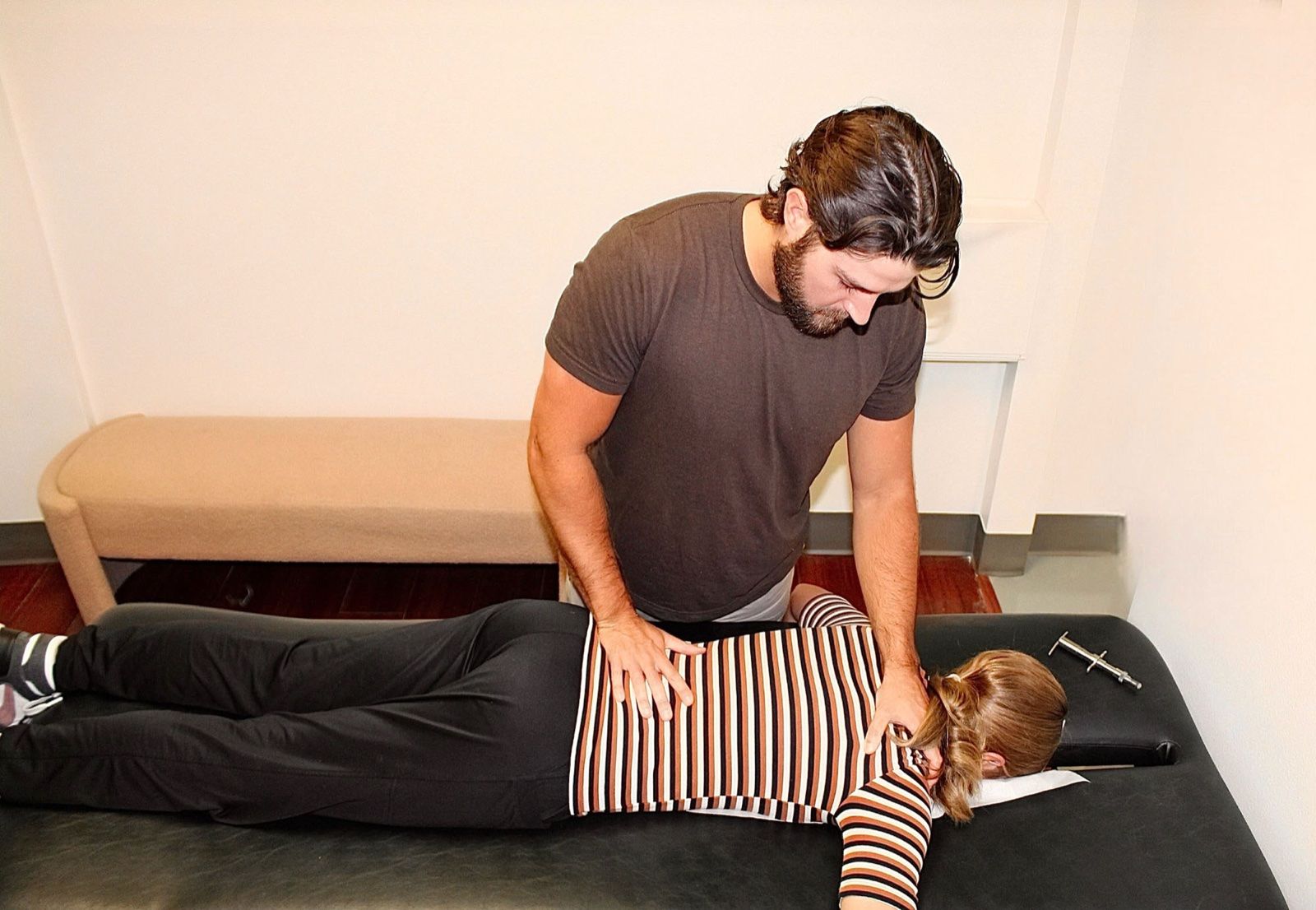
Dr. Fox at work.
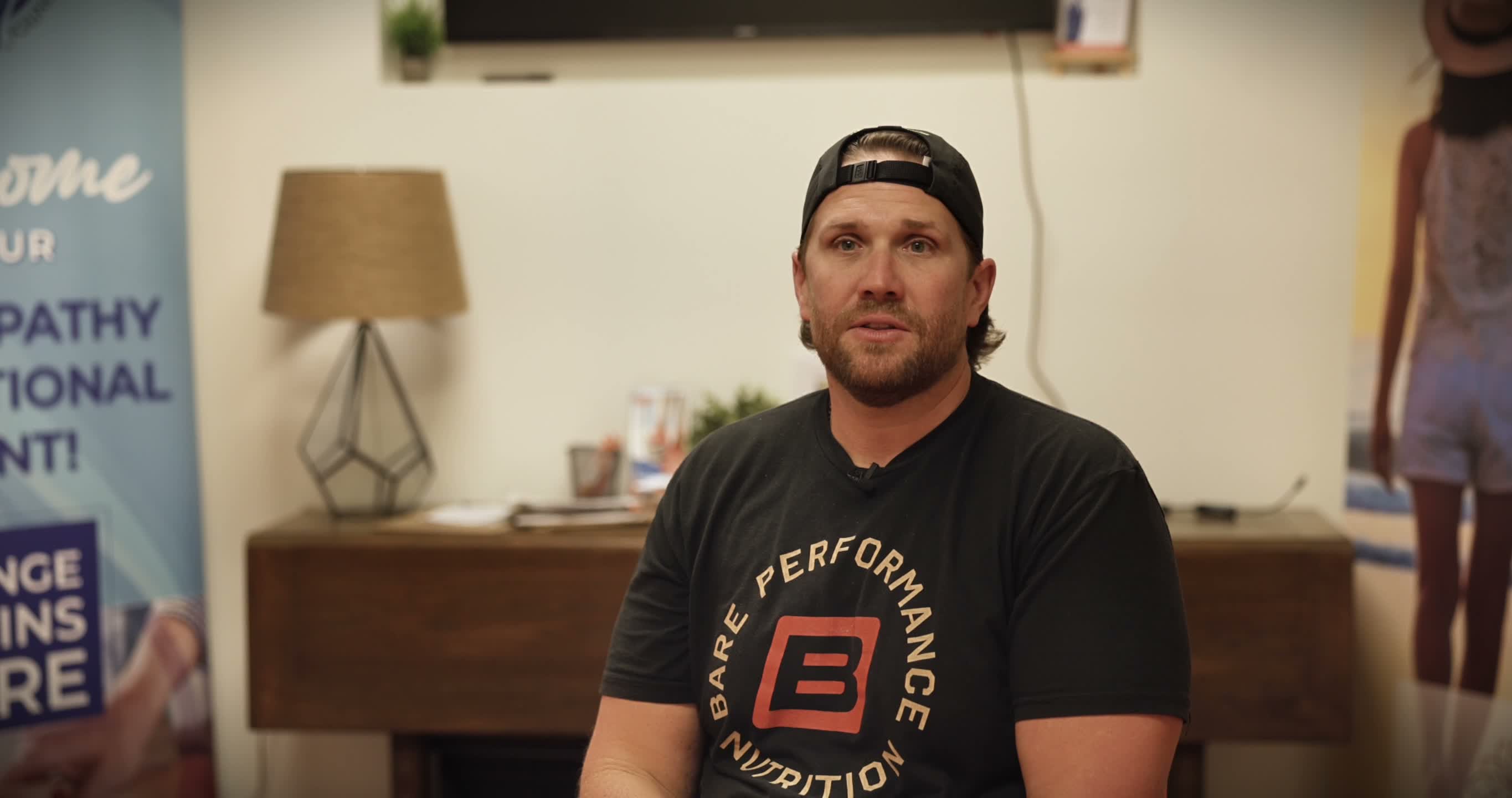
Precision over pressure — care that addresses the cause.
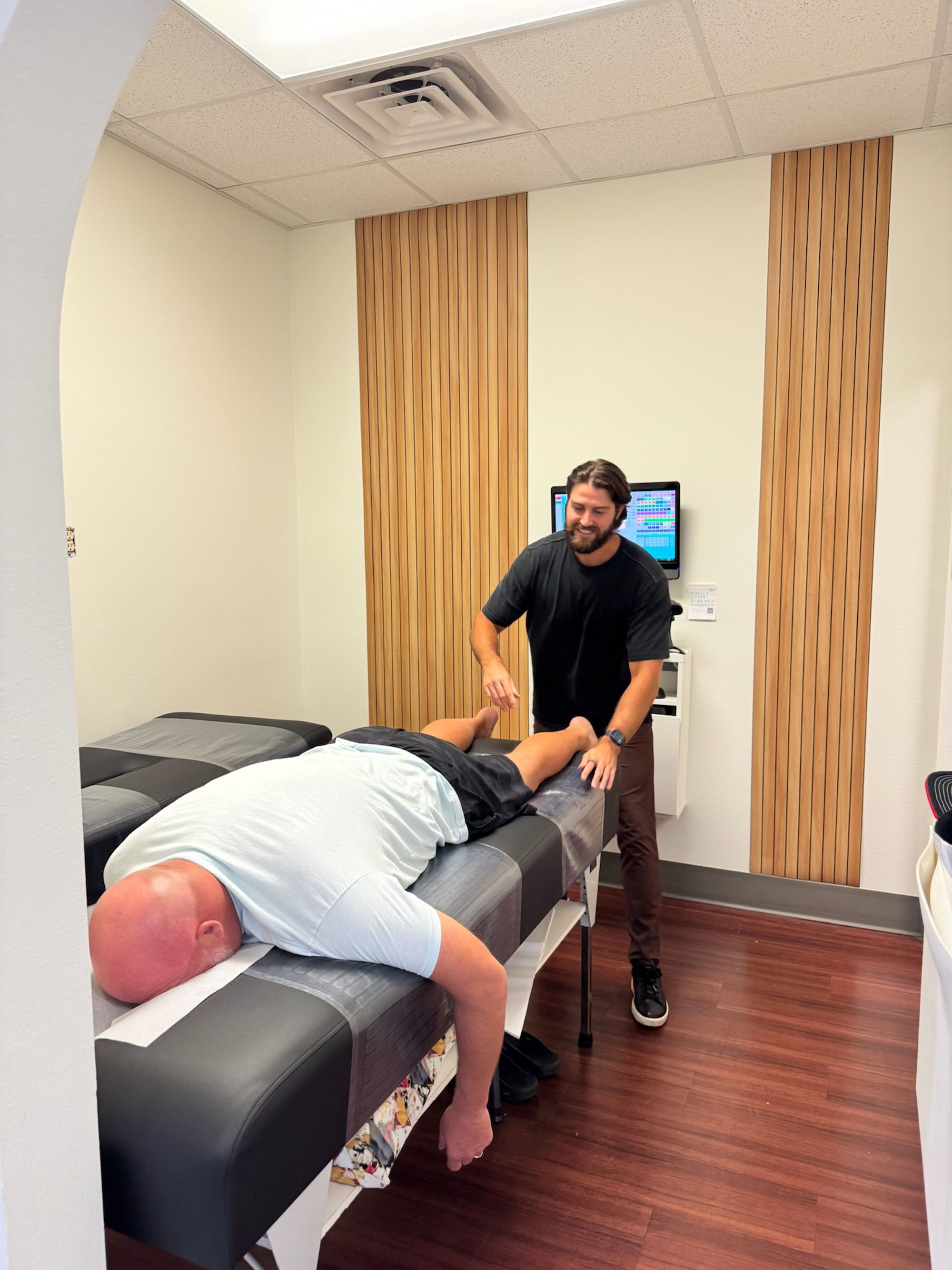
Precision over pressure — care that addresses the cause.

Carly — patient care that feels like family.
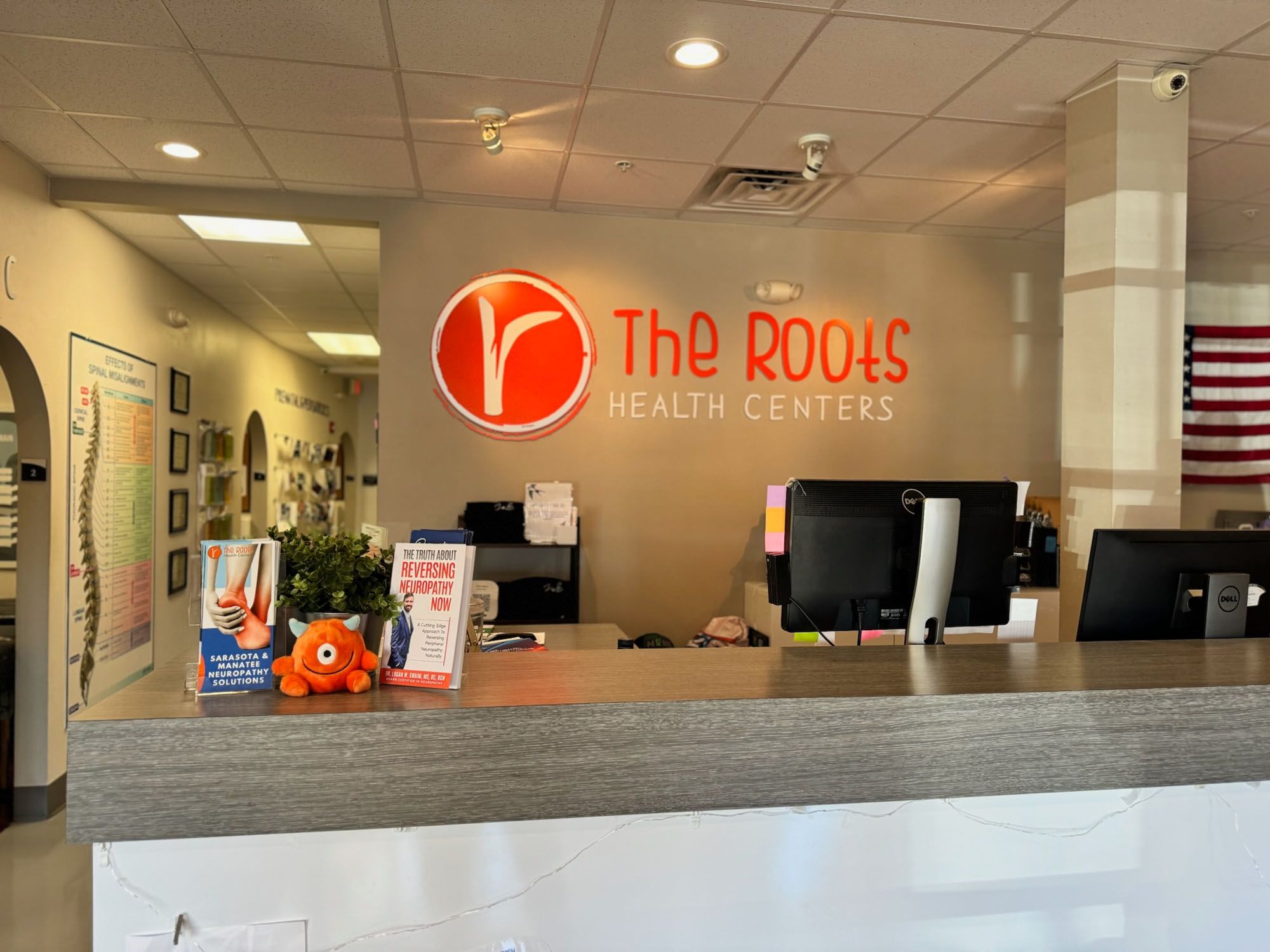
Dr. Logan's neuropathy book — free at every visit.
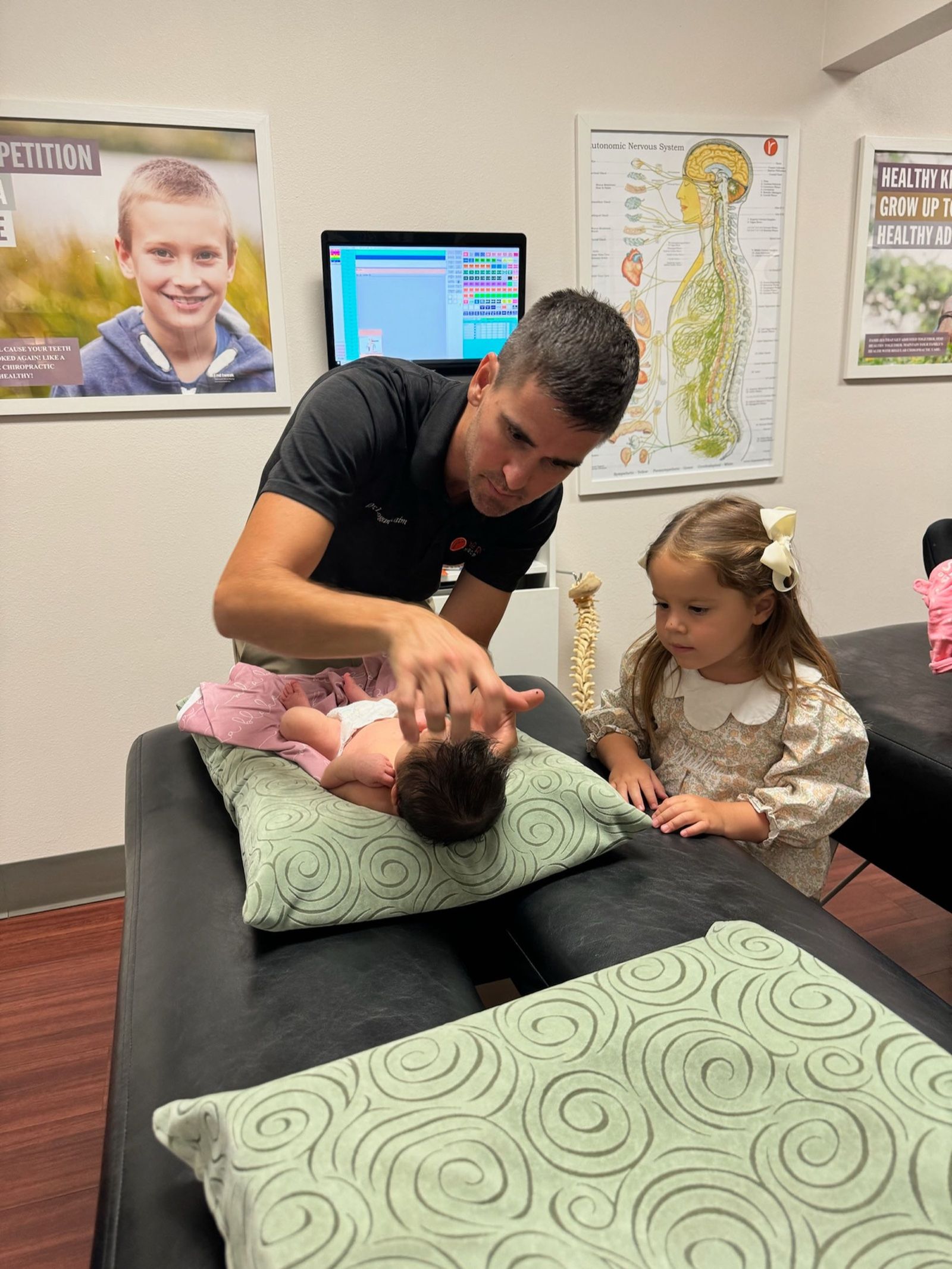
Dr. Logan in the office.
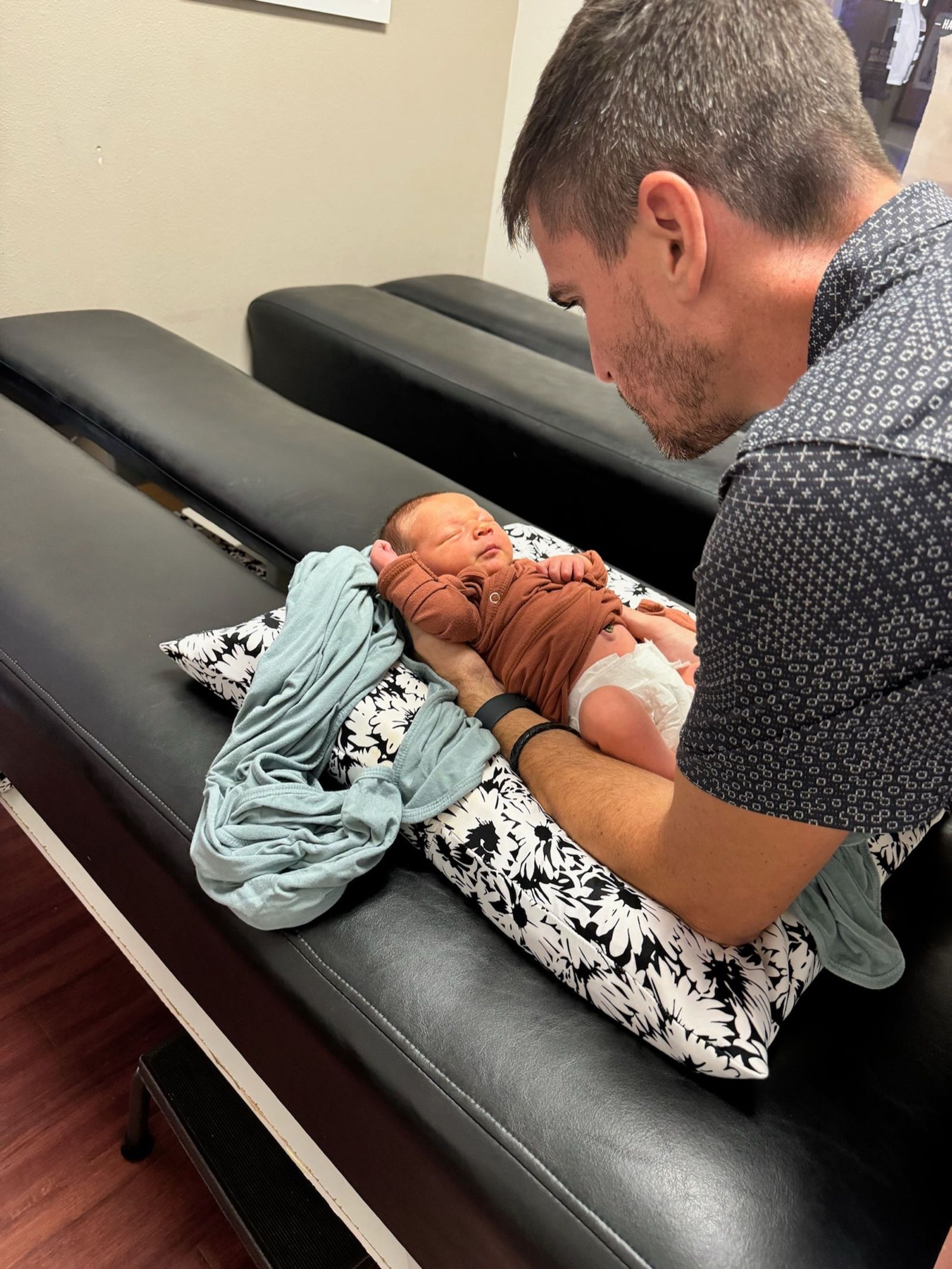
Dr. Logan in the office.
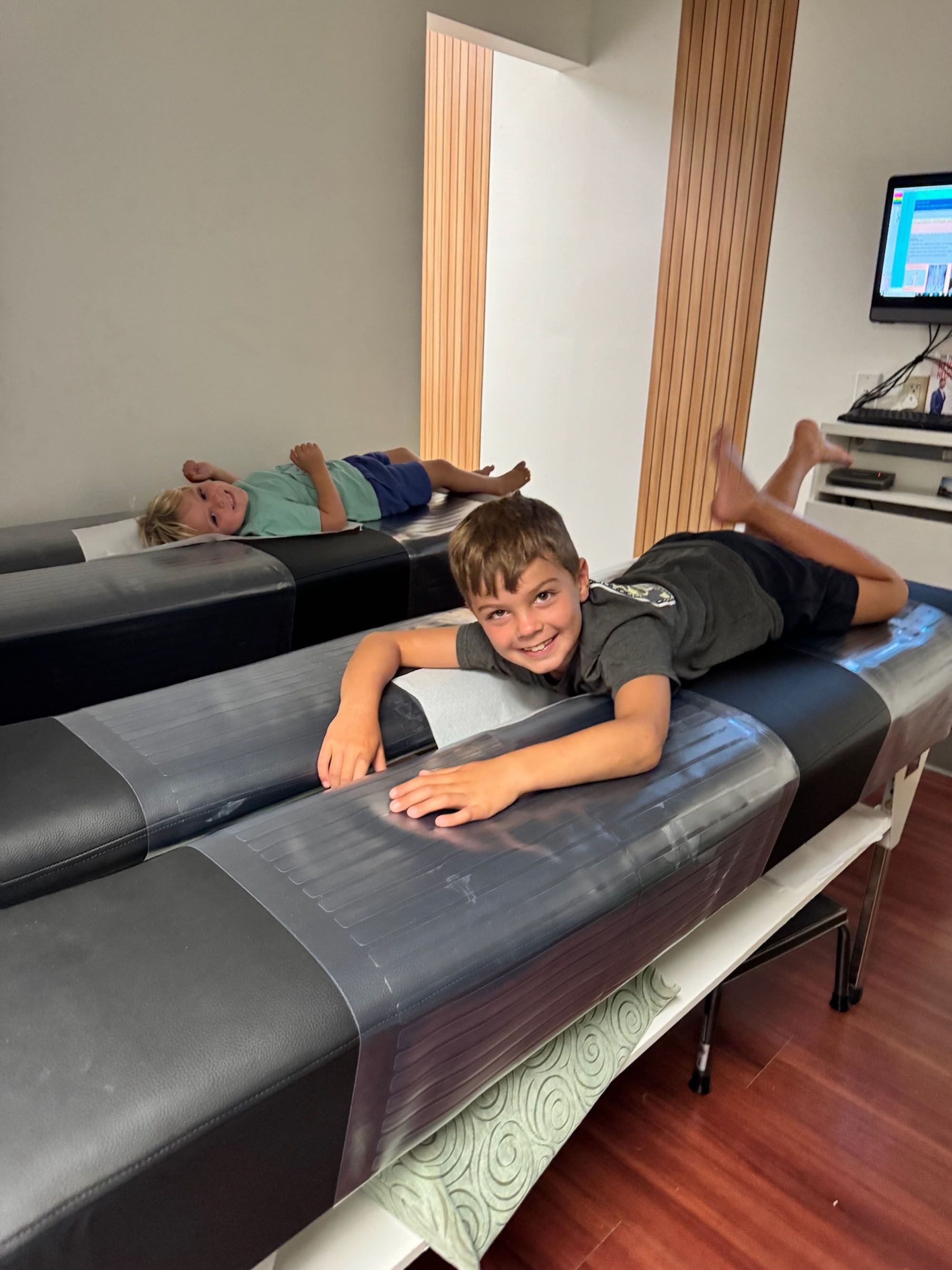
Precision over pressure — care that addresses the cause.
Keep Exploring
See patient outcomes
Areas We Serve
Serving Lakewood Ranch, Sarasota & Bradenton
Patients visit us for spinal decompression from across the Suncoast — Sarasota, Bradenton, Palmetto, Parrish, and University Park — at our clinic at 8209 Natures Way in Lakewood Ranch.
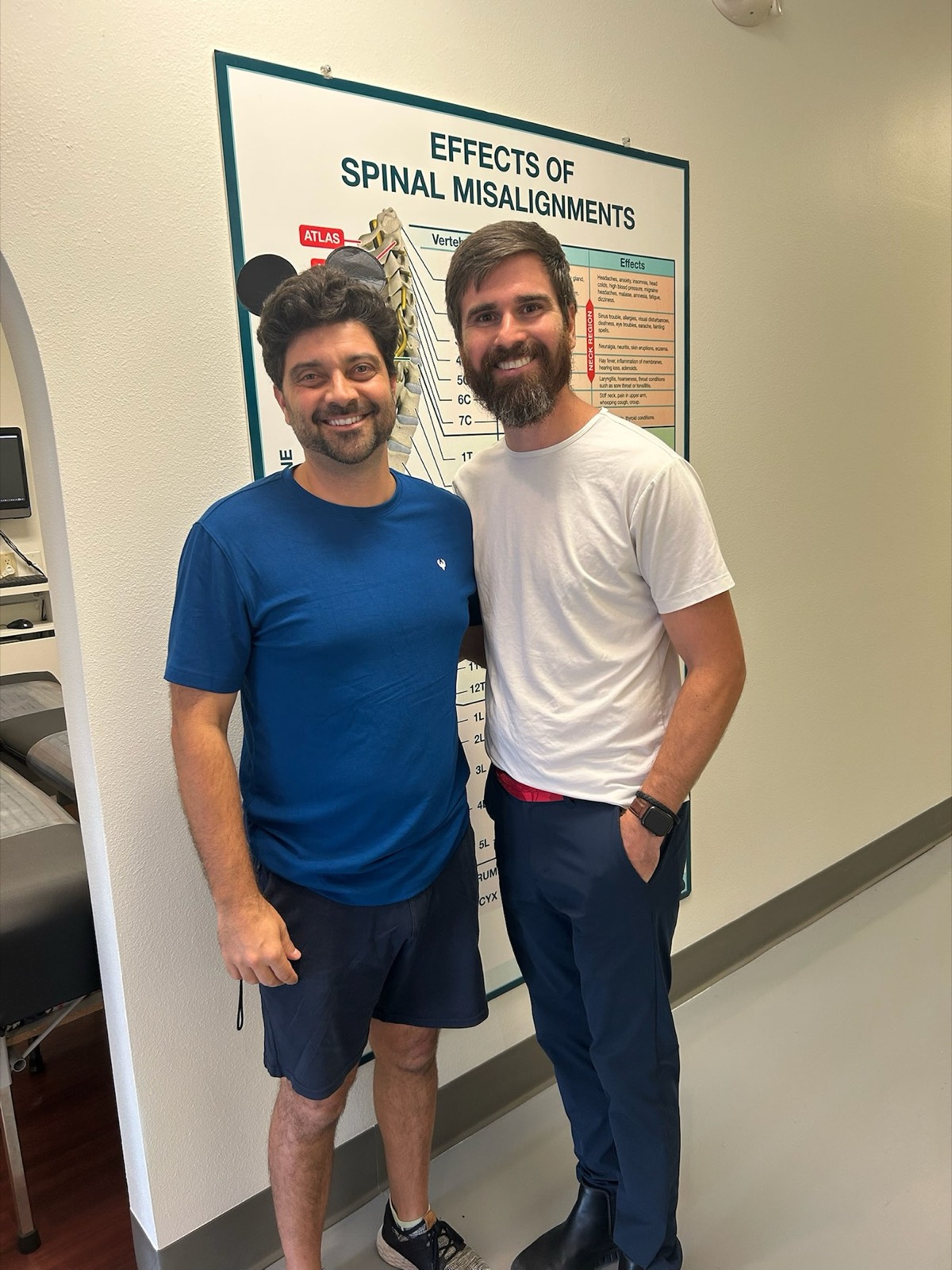
Real Patient Stories
Real patients.
Documented, start to finish.
Ready to Find
Your Root Cause?
Join the thousands of Suncoast families living life at 100%.
*Includes consultation, neurological exam, scans & x-rays (if needed)