

Shockwave Therapy
Break Through Chronic Pain
For chronic pain that hasn't settled with rest or stretching. Drug-free and surgery-free, and each session takes 8–15 minutes.
Ask about shockwave therapy
Three quick questions and we'll get back to you within one business day.
Thousands
Families Served
655+
5-Star Reviews
10+
Years in Business
4.8
Google Rating
Conditions & Symptoms
Common Presentations We See at The Roots
Each person and case is different, but these are the conditions and symptoms we most commonly see patients asking about in relation to shockwave therapy.
Symptoms
Benefits
Benefits of Shockwave Therapy
Fast Improvement
Most patients see significant improvement within the first three visits. Shockwave jumpstarts healing in tissue that has stalled for months or years.
Drug-Free & Surgery-Free
No incisions, no injections, no anesthesia, no downtime. You leave each session and go right back to your day.
Addresses the Root Cause
Shockwave breaks down scar tissue, stimulates new blood vessel growth, and reactivates stalled healing — it is not just pain management.
Pairs With Other Care
Shockwave is most effective when combined with chiropractic and other therapies to address both structural and soft-tissue issues.
What It Is
How Shockwave Therapy Works
Extracorporeal shockwave therapy (ESWT) delivers focused acoustic pressure waves to targeted areas of pain and tissue dysfunction. These waves trigger the body's natural healing response — increasing blood flow, stimulating new cell growth, and breaking down calcifications and scar tissue that contribute to chronic pain.
The care is applied externally to the skin over the affected area. Sessions are brief, typically lasting just a few minutes per care zone. There are no incisions, no injections, and no anesthesia required. You can return to your normal activities immediately after each session.
We often pair shockwave therapy with corrective chiropractic care and other services at our office to address both the structural and soft-tissue components of chronic pain. This integrated approach allows us to target the problem from multiple angles for compounded results.
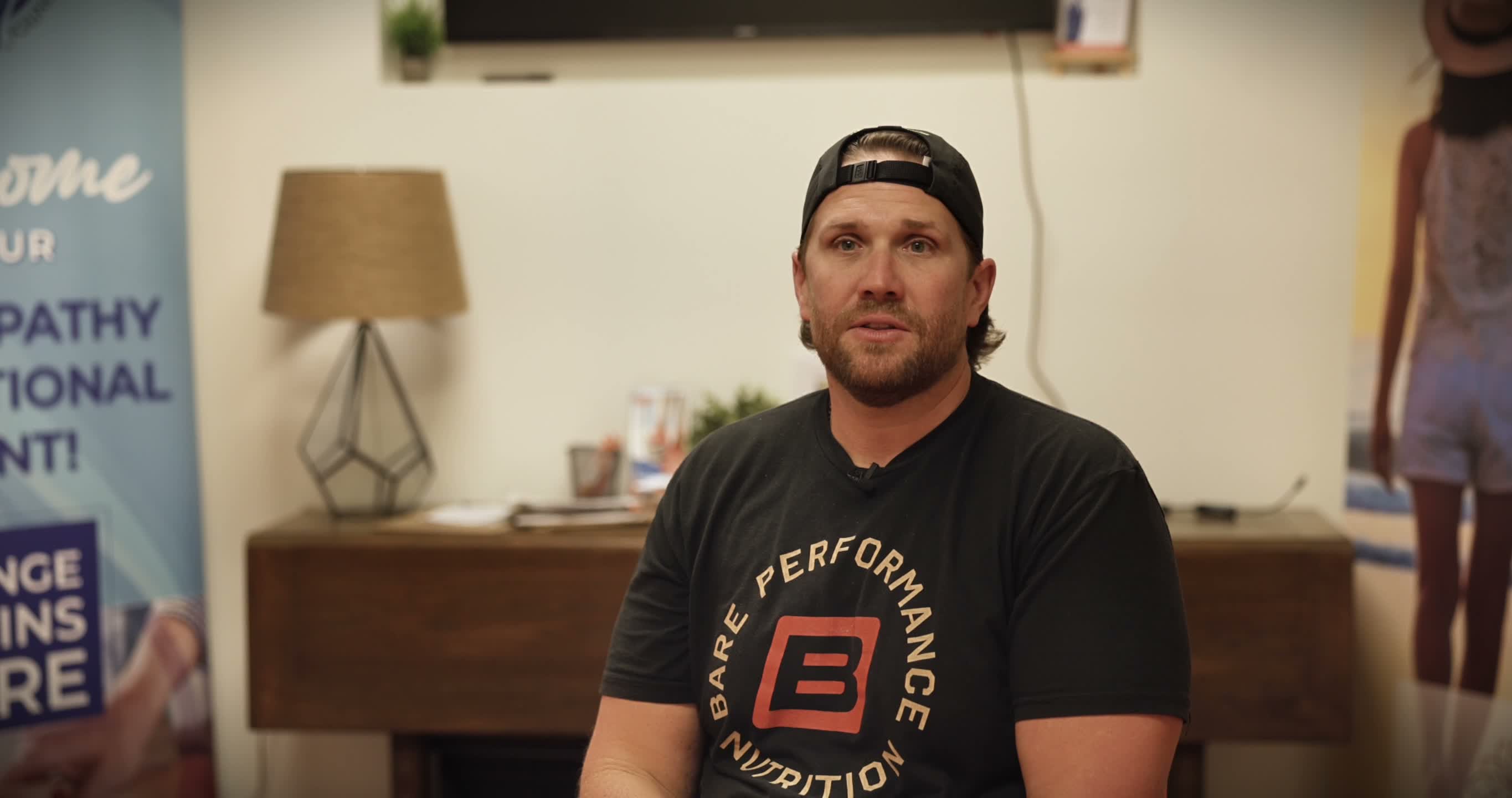
From Our Interviews
Hear it from our team
Dr. Logan Swaim — Shockwave 60 Percent in 3 Visits”

Who It's For
Is Shockwave Therapy Right for You?
- Chronic pain that has not responded to other care
- Plantar fasciitis and heel pain
- Peripheral neuropathy and nerve pain
- Frozen shoulder and rotator cuff issues
- Tennis elbow, golfer's elbow, and tendinopathies
- Stubborn muscle knots and trigger points
What to Expect
Your Shockwave Therapy Experience
Evaluation & Diagnosis
We begin with a thorough evaluation to determine the source of your pain and whether shockwave therapy is appropriate for your condition. This may include a physical exam, nerve scans, and a review of your health history.
Targeted Care
A handheld applicator delivers focused acoustic waves to the affected area. The intensity is adjusted based on your comfort and the care zone. Sessions are brief — typically just a few minutes per area.
No Downtime
You can return to your daily activities right after care. Some patients experience mild soreness in the supported area, which is a normal part of the healing response and typically resolves within a day or two.
Progressive Improvement
Improvement is cumulative across sessions. Your care plan will outline how many sessions are recommended based on your specific condition and goals.
Pairs Well With
Complementary Services
Neuropathy Treatment
Reversing nerve damage without surgery or medication. Dr. Logan Swaim wrote the book on it — literally.
Learn More
Red Light Therapy
Medical-grade red light therapy in a private, full-body room. Our DAHLIA Pinnacle Bed supports chronic pain, recovery, skin health, gut and neurometabolic health, and weight management — as part of a personalized care plan. Photobiomodulation that goes beyond a consumer sauna.
Learn More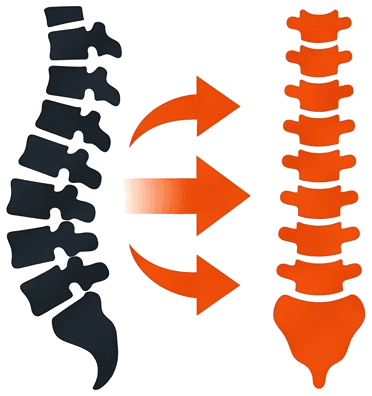
Corrective Chiropractic
Precise, progressive corrections that produce lasting structural change — not just temporary relief. Think of it like orthodontics for your spine.
Learn More
Knee Decompression
Non-surgical knee decompression therapy that takes pressure off damaged cartilage, reduces inflammation, and helps the knee joint heal naturally — without injections, drugs, or operating rooms.
Learn More
Auto Accident Recovery
Comprehensive post-accident chiropractic care for whiplash, soft-tissue injuries, and hidden spinal damage — fully documented for your PIP claim and attorney if needed.
Learn MoreRead More
Articles About Shockwave Therapy
Shockwave Therapy for Plantar Fasciitis: A Non-Surgical Solution
Extracorporeal shockwave therapy is changing how we treat chronic plantar fasciitis. Here's how it works and what to expect.
Why Your Plantar Fasciitis Keeps Coming Back (And How to Stop It)
Treated your plantar fasciitis with rest, stretches, orthotics — and it still keeps returning? Here's what's actually going on and how to break the cycle.
Frozen Shoulder: Your Real Recovery Options
Frozen shoulder can take 1–3 years to resolve on its own. Here's how to dramatically speed up recovery and avoid the wait.
Common Questions
Frequently Asked Questions
What shockwave therapy looks like
Real visits, real tools.
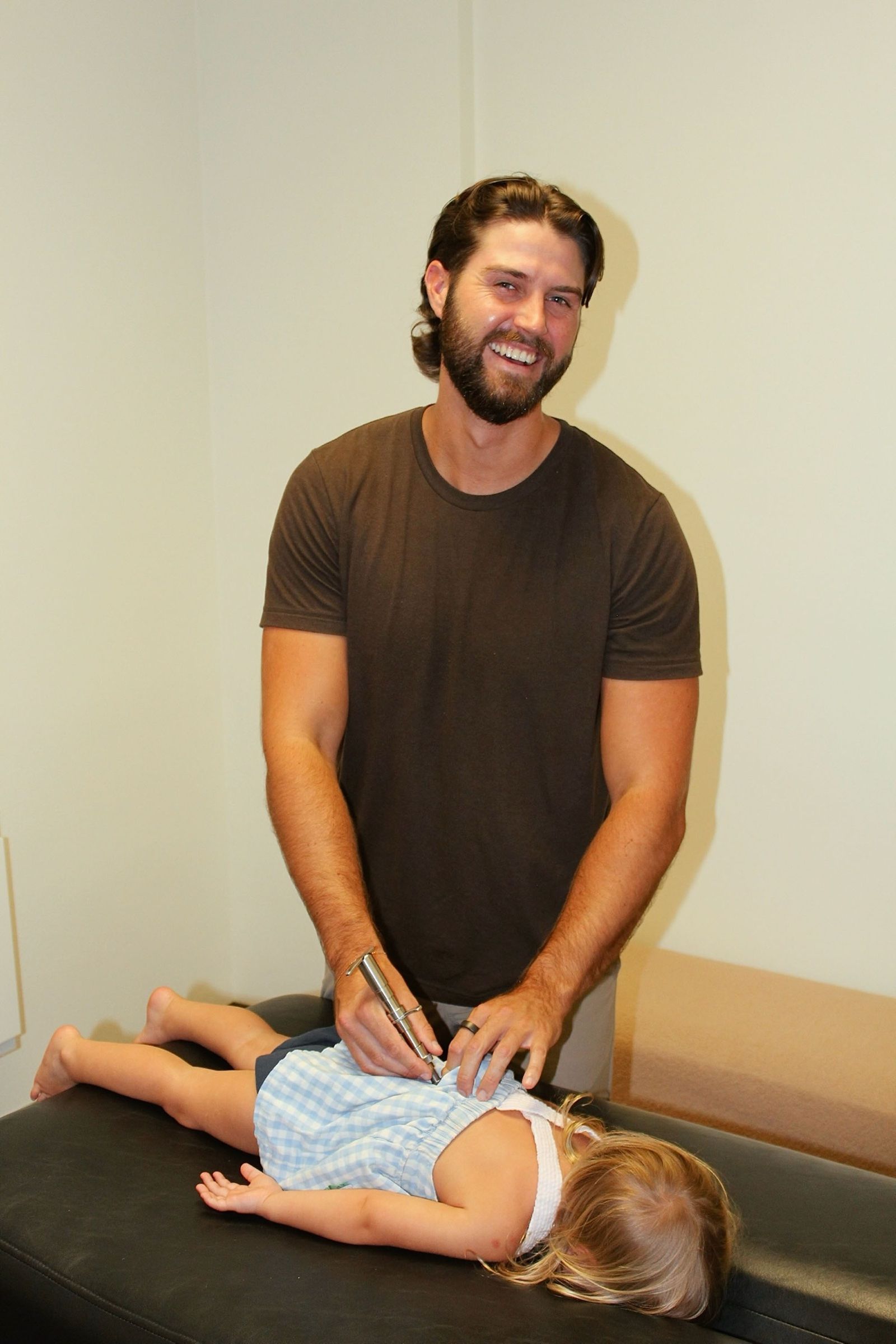
Precision over pressure — care that addresses the cause.
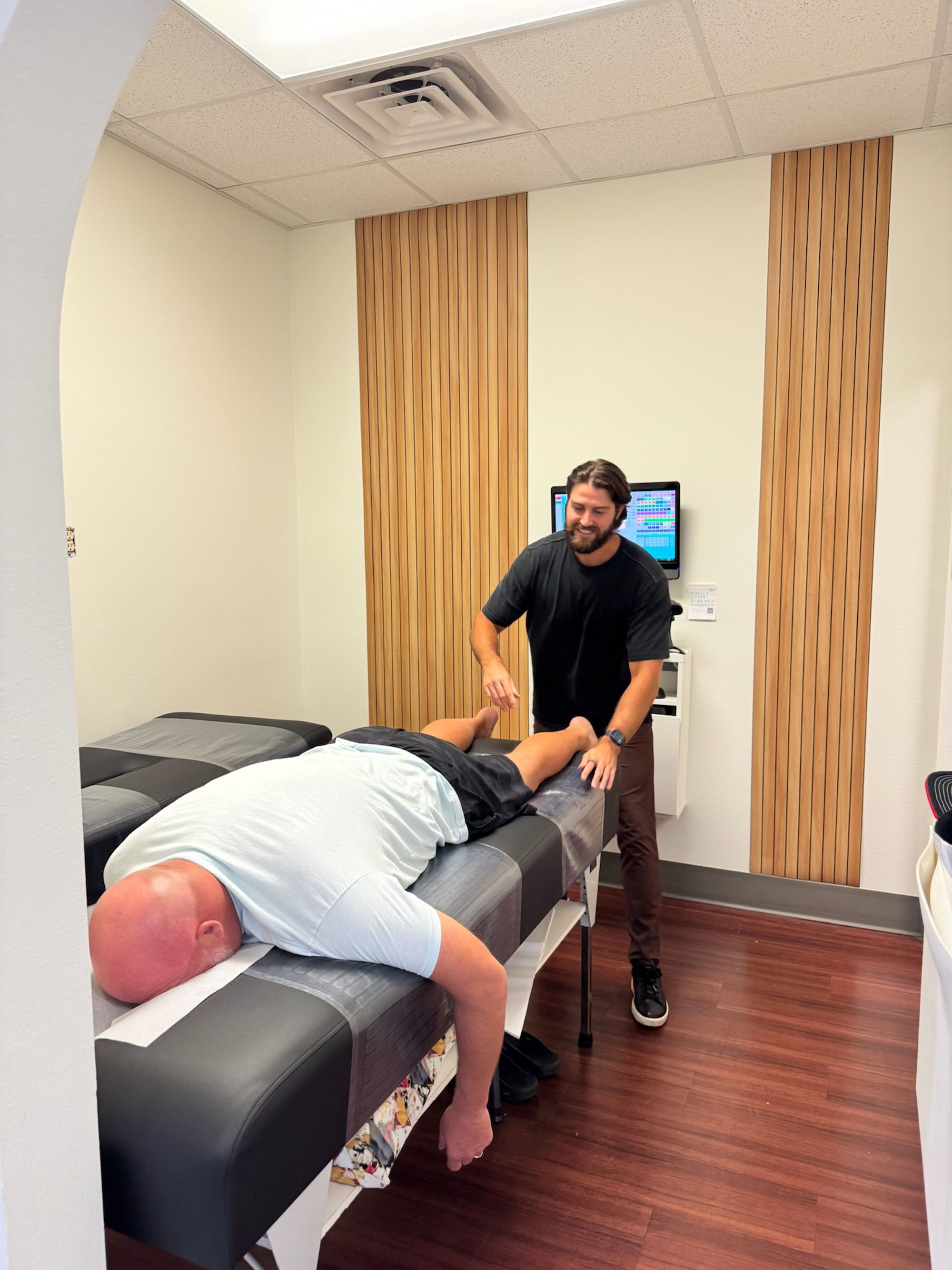
Precision over pressure — care that addresses the cause.

Dr. Laura in the office.
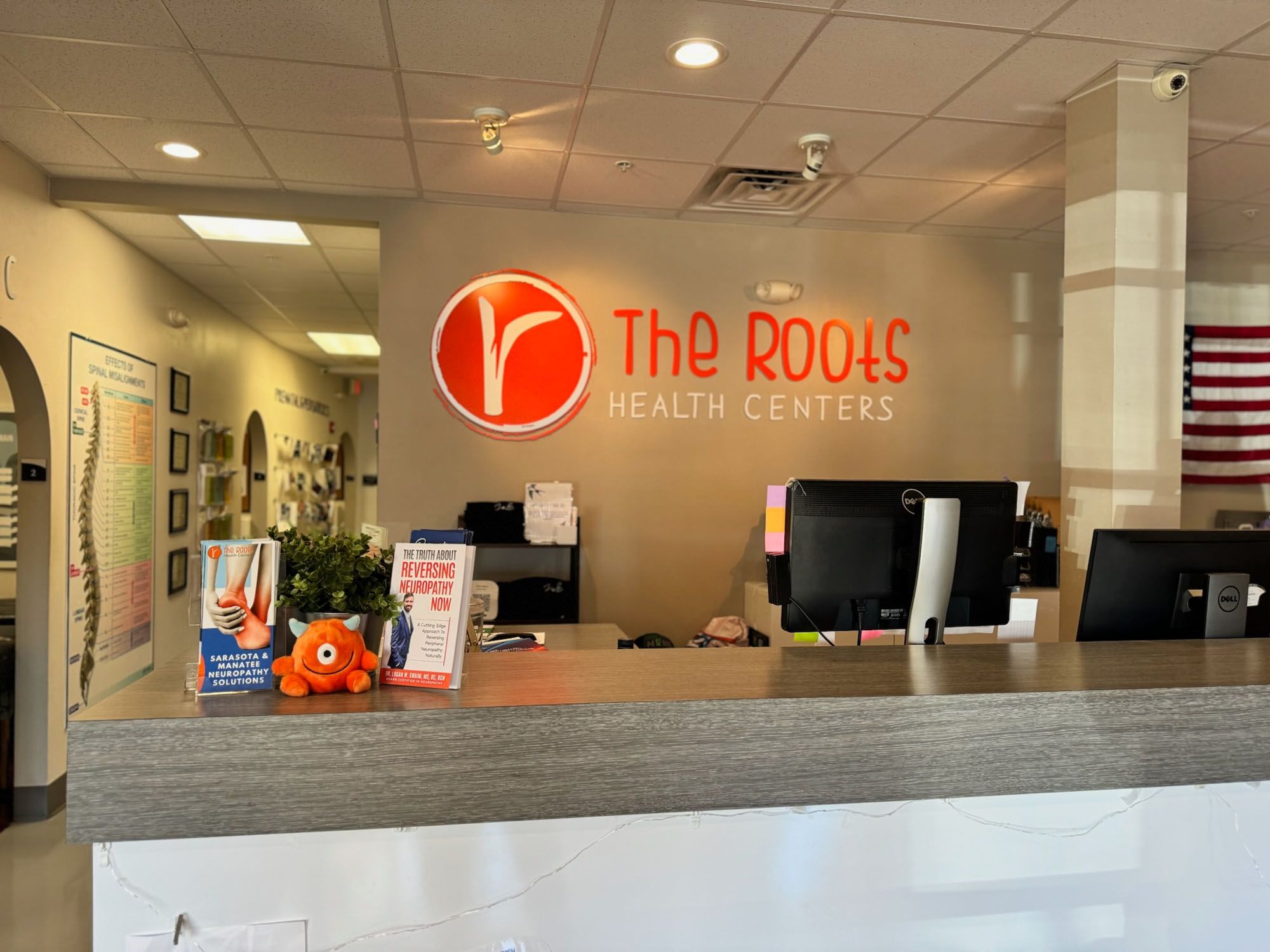
Dr. Logan's neuropathy book — free at every visit.
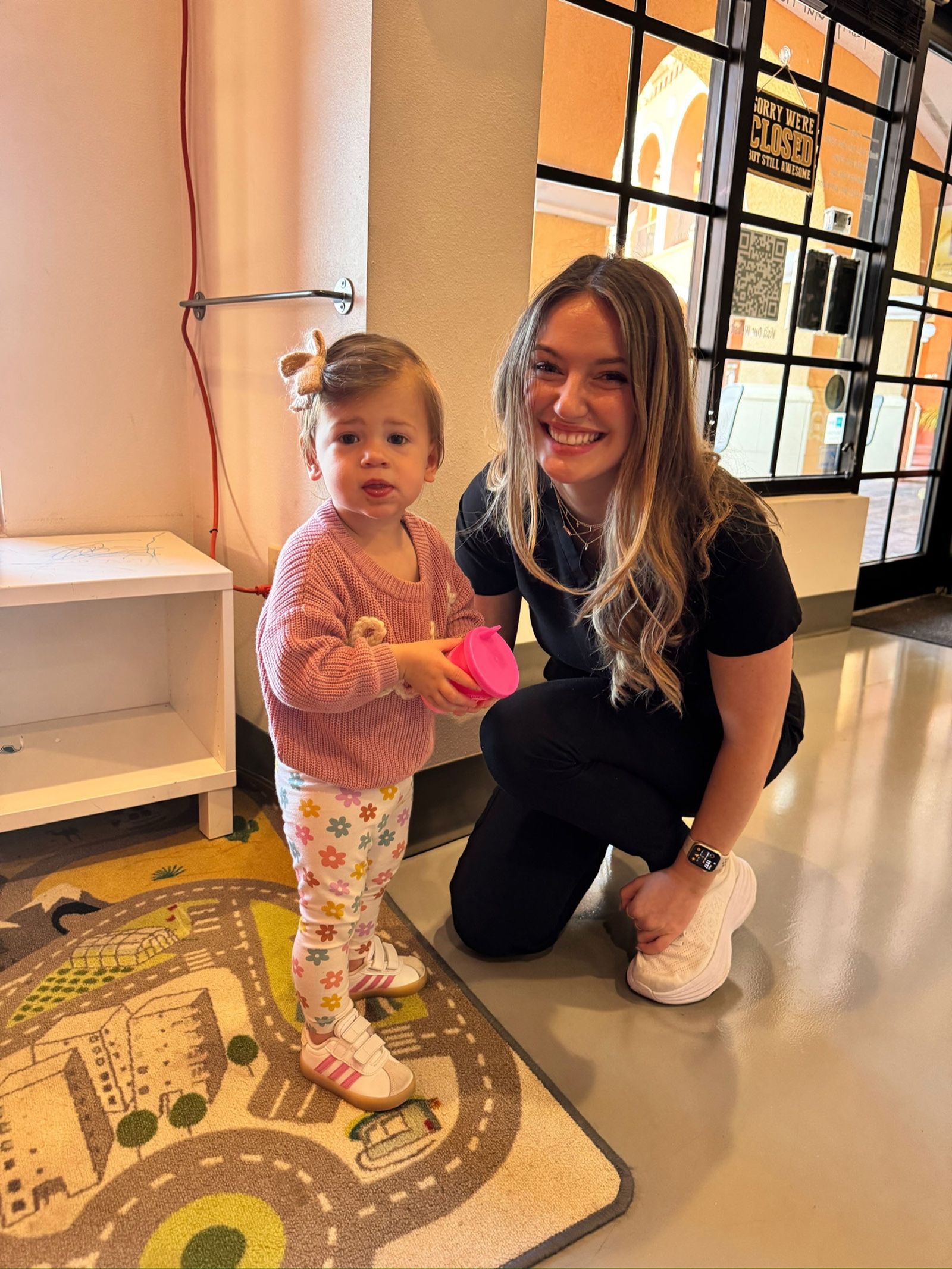
Carly — patient care that feels like family.
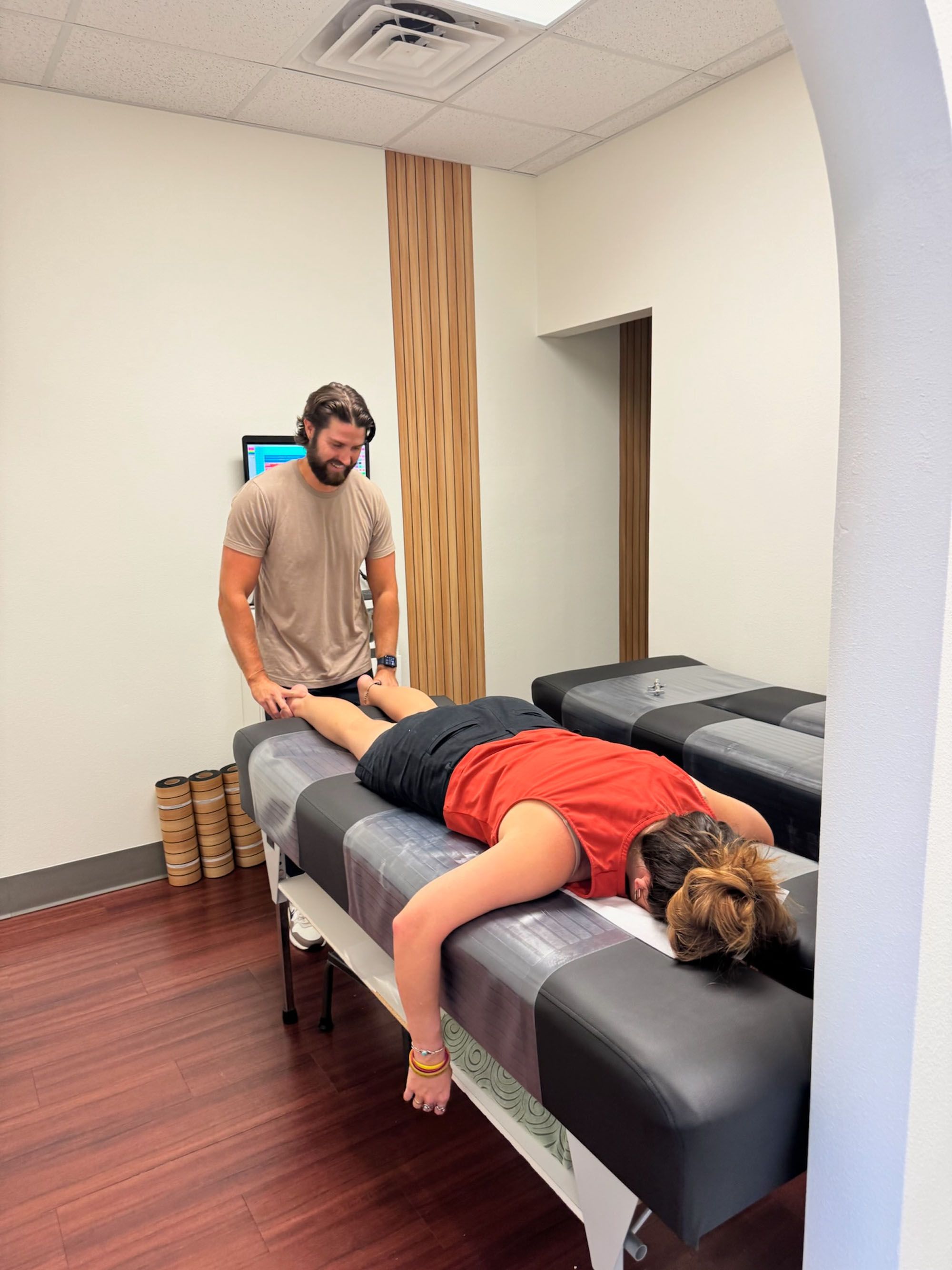
Precision over pressure.
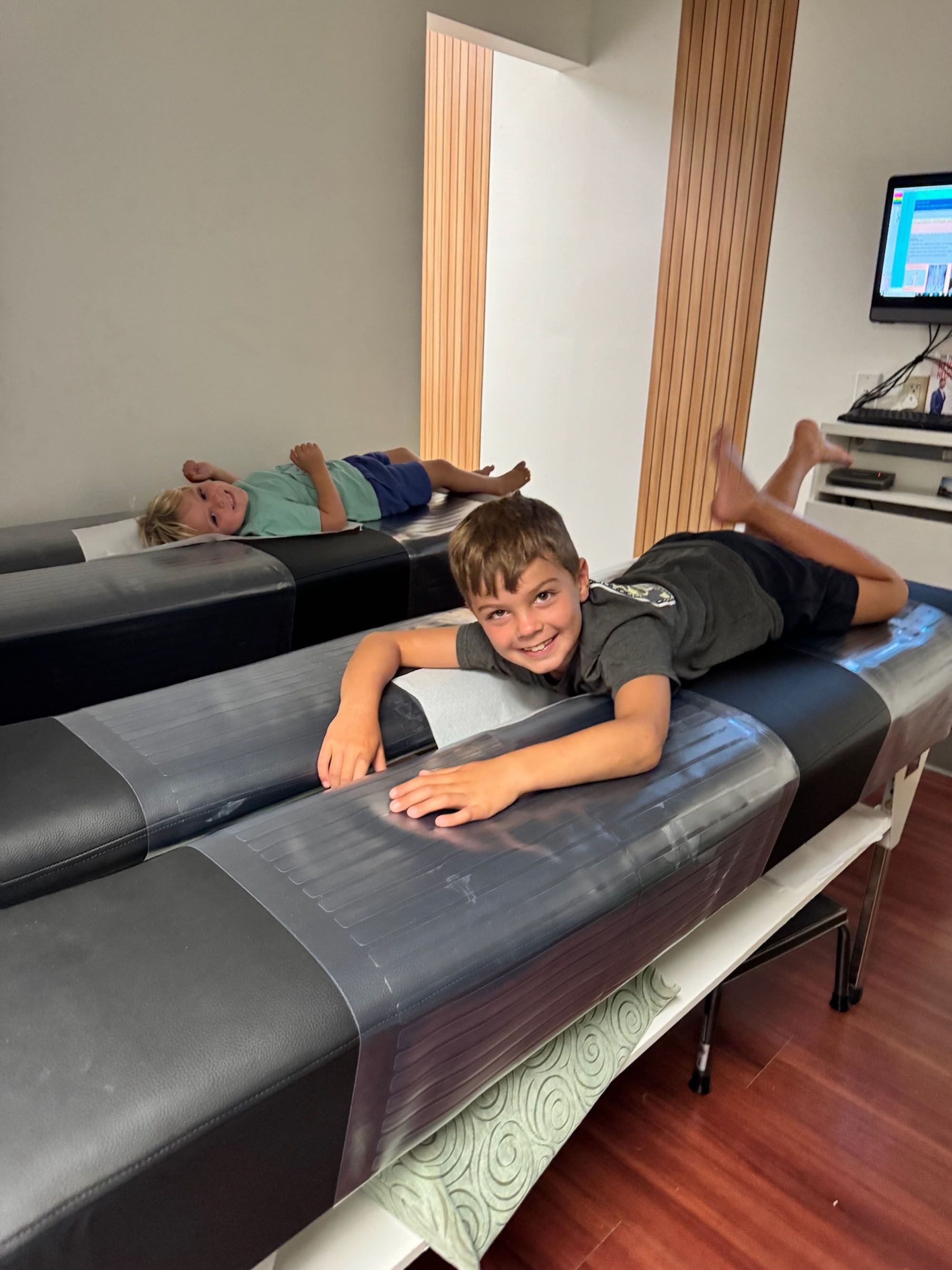
Precision over pressure — care that addresses the cause.
Precision over pressure — care that addresses the cause.
Keep Exploring
See patient outcomes
Areas We Serve
Serving Lakewood Ranch, Sarasota & Bradenton
Patients visit us for shockwave therapy from across the Suncoast — Sarasota, Bradenton, Palmetto, Parrish, and University Park — at our clinic at 8209 Natures Way in Lakewood Ranch.
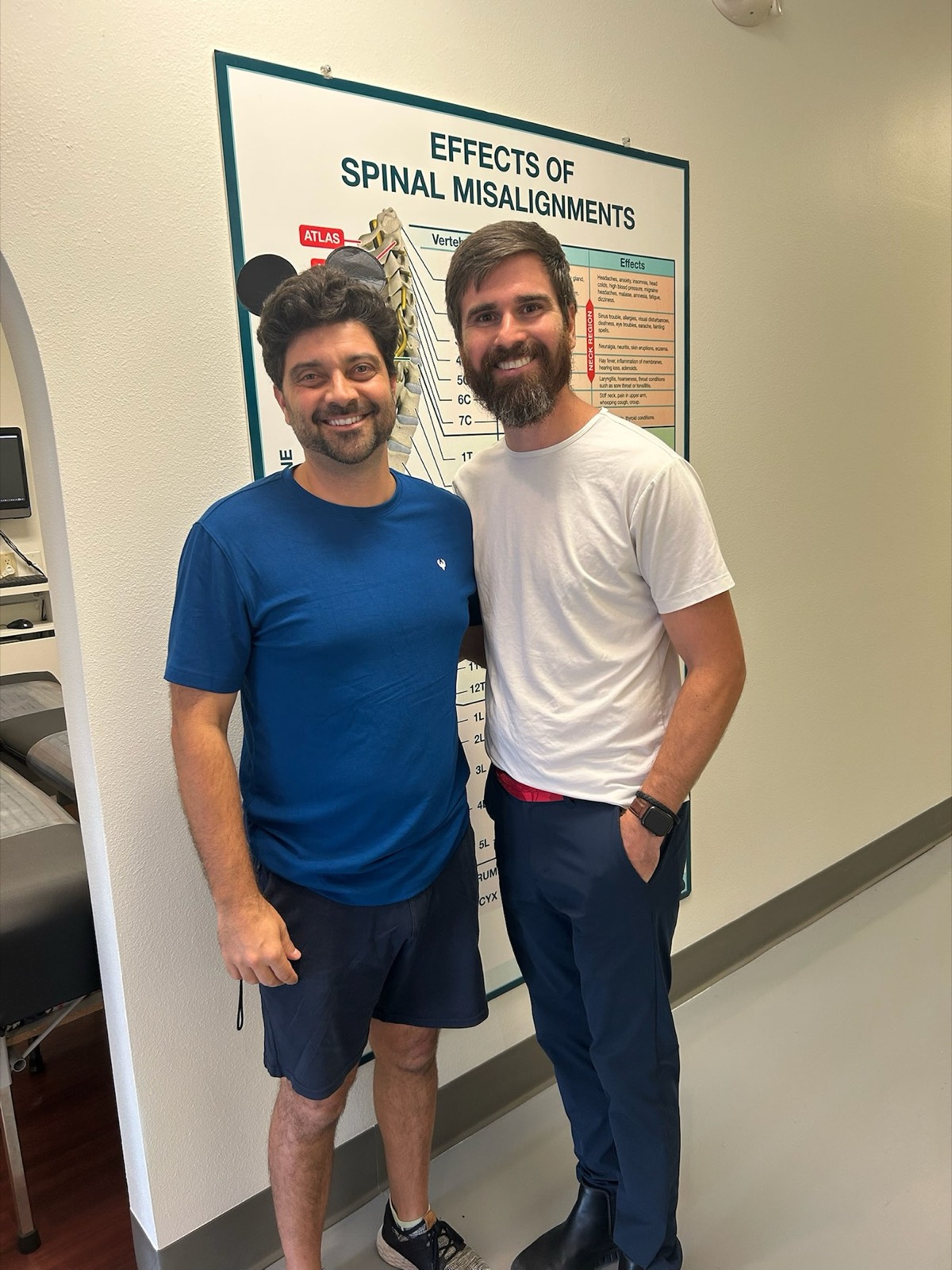
Real Patient Stories
Real patients.
Documented, start to finish.
Ready to Find
Your Root Cause?
Join the thousands of Suncoast families living life at 100%.
*Includes consultation, neurological exam, scans & x-rays (if needed)