

Understanding Neuropathy
What Is Neuropathy?
Neuropathy is damage or dysfunction of one or more nerves, resulting in numbness, tingling, muscle weakness, and pain — typically in the hands and feet. Understanding your condition is the first step toward taking control of it.
The Basics
What Happens When Nerves Are Damaged
Your peripheral nerves are the communication highways between your brain and every part of your body. They carry signals that control sensation, movement, and organ function. When these nerves are damaged, the signals become distorted or stop entirely.
This is why neuropathy doesn't just cause pain — it causes numbness, tingling, burning sensations, balance problems, muscle weakness, and in advanced cases, loss of coordination and mobility. The symptoms are your body's way of telling you that the communication system is breaking down.
The critical point most patients aren't told: nerve damage is often progressive. Without intervention targeting the underlying cause, neuropathy tends to worsen over time. But progression is not inevitable — especially when the right protocol is applied early enough.
Types of Neuropathy
Not All Neuropathy Is the Same
Peripheral Neuropathy
The most common form, affecting the nerves outside of the brain and spinal cord. Peripheral neuropathy typically begins in the longest nerves — which is why symptoms often start in the feet and hands. It can affect sensory nerves (feeling), motor nerves (movement), and autonomic nerves (organ function).
Diabetic Neuropathy
A type of nerve damage that can occur in people with diabetes. Chronically elevated blood sugar levels can injure nerve fibers throughout the body, but diabetic neuropathy most commonly damages nerves in the legs and feet. It is one of the most prevalent complications of diabetes.
Idiopathic Neuropathy
When no identifiable cause can be found, the condition is classified as idiopathic. This accounts for a significant percentage of neuropathy cases. Just because a cause hasn't been identified doesn't mean effective treatment isn't possible — it means a deeper investigation is needed.
Chemotherapy-Induced Neuropathy
Certain chemotherapy agents can damage peripheral nerves as a side effect of cancer treatment. Symptoms may begin during treatment or appear months afterward. This form of neuropathy can be particularly frustrating for cancer survivors already dealing with recovery.
Common Causes
What Leads to Nerve Damage
Neuropathy can result from a wide range of conditions and factors. Identifying the cause is essential to building an effective treatment plan.
- Diabetes and metabolic syndrome
- Autoimmune conditions
- Infections and viral conditions
- Vitamin deficiencies (B12, B6, folate)
- Exposure to toxins or certain medications
- Physical trauma or repetitive stress injuries
- Chemotherapy treatment
- Chronic alcohol use
- Hereditary conditions
- Vascular and blood supply issues
The Truth
Why You Were Told Nothing Can Be Done
Most physicians are not trained in advanced neuropathy treatment protocols. The standard of care in many practices is limited to medication management — drugs like gabapentin or pregabalin that can dull the symptoms but do nothing to address the underlying nerve damage.
When medication stops working (and it often does as the condition progresses), patients are told to accept their condition. But acceptance isn't the only option.
Emerging research and clinical experience show that nerves retain the capacity to heal when given the right environment: increased blood flow, reduced inflammation, and targeted nerve stimulation. That's the foundation of our approach at The Roots Health Centers.
Inside the program
The nervous system, looked at honestly.
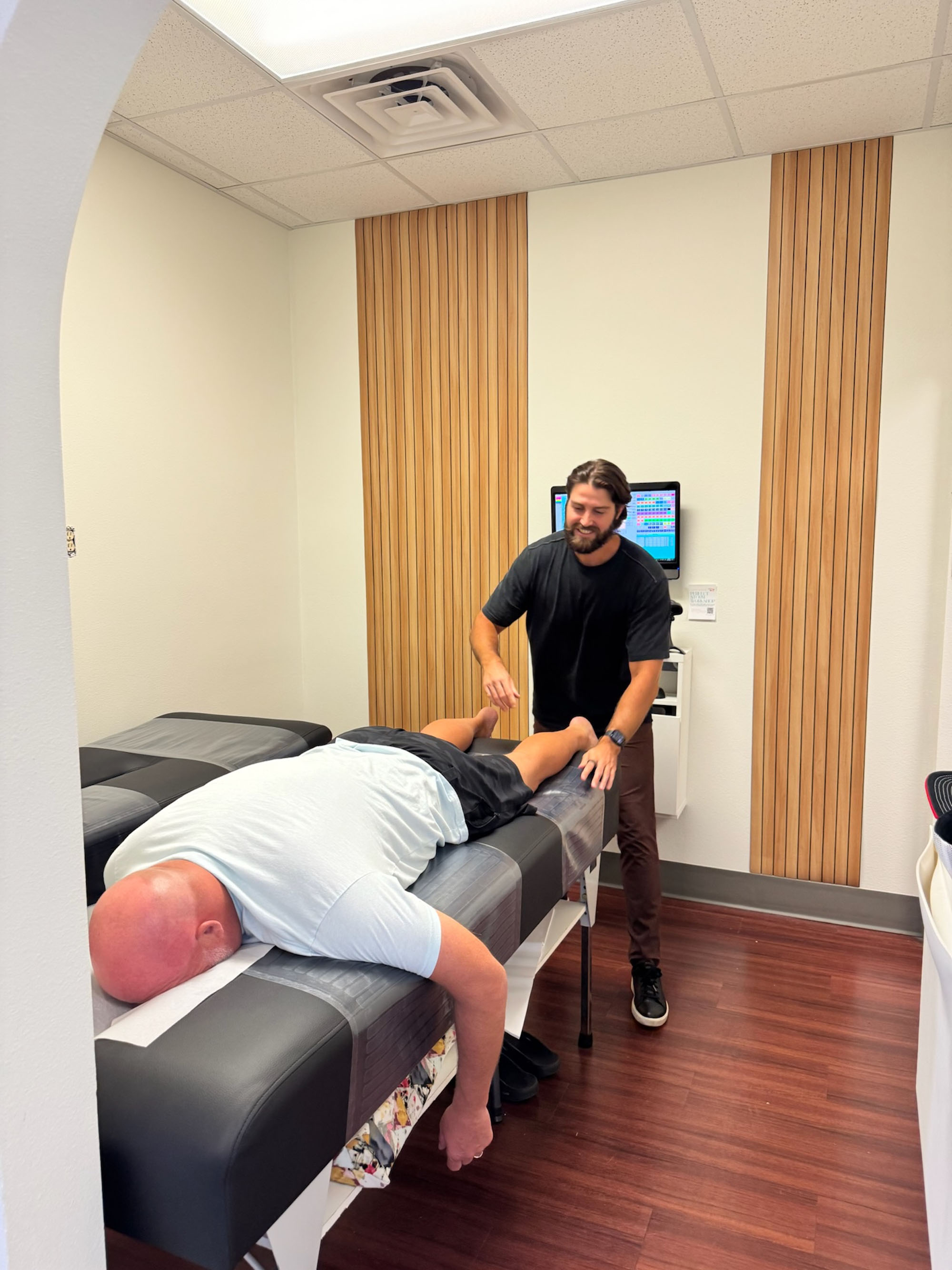
Torque Release Technique, every visit.
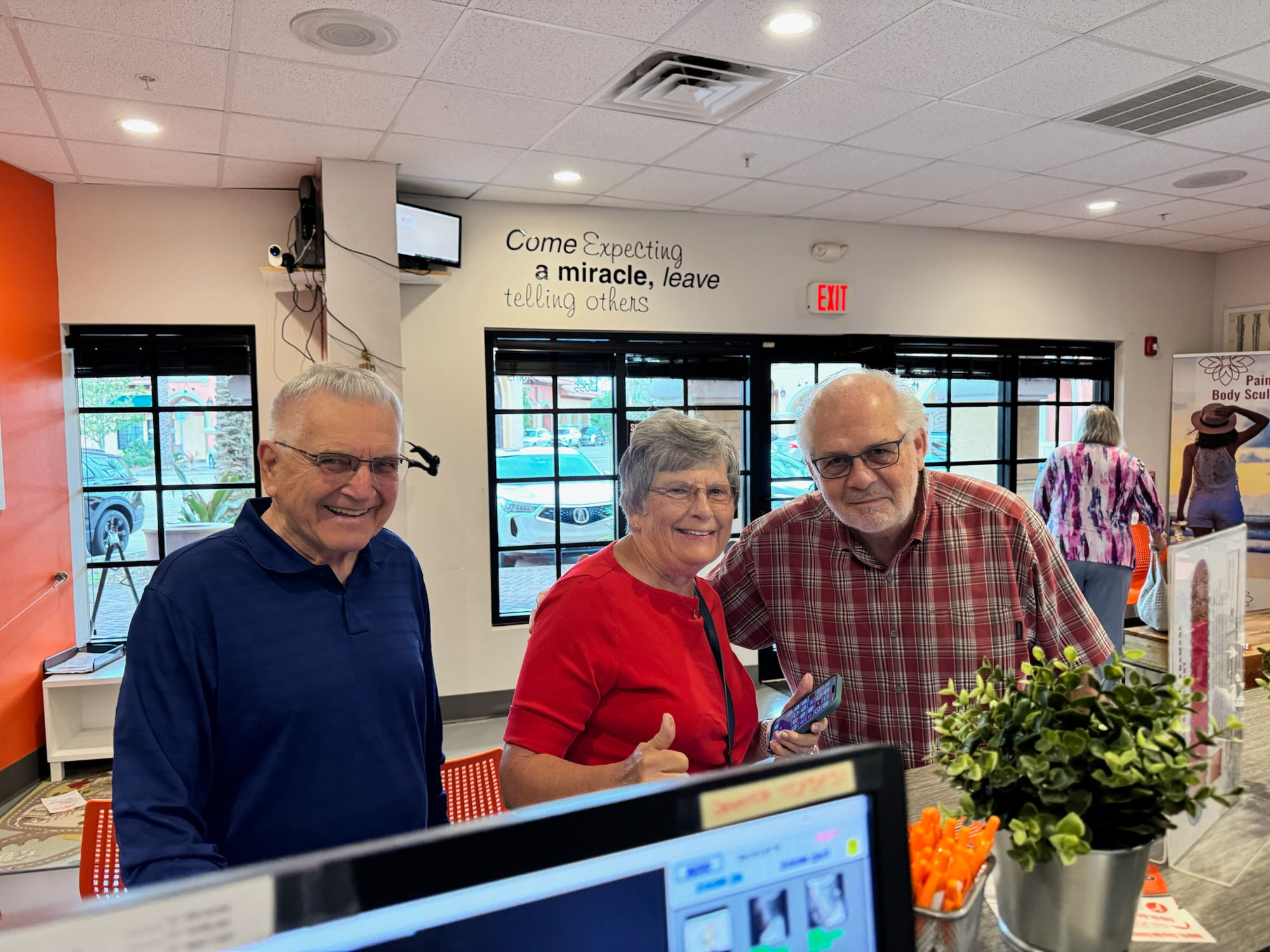
Seniors reclaiming mobility and confidence.
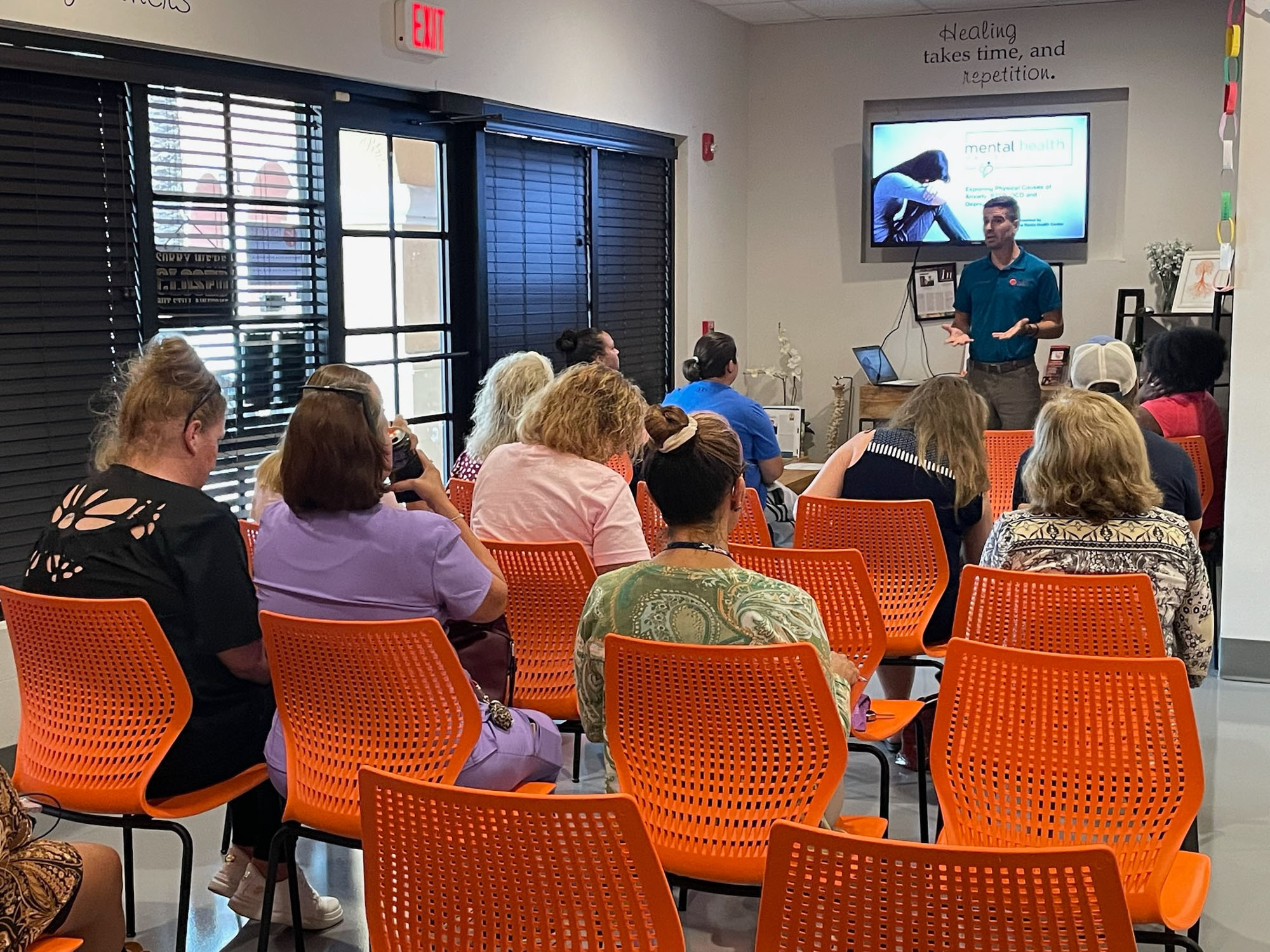
Monthly nervous-system seminars — teach first, adjust second.
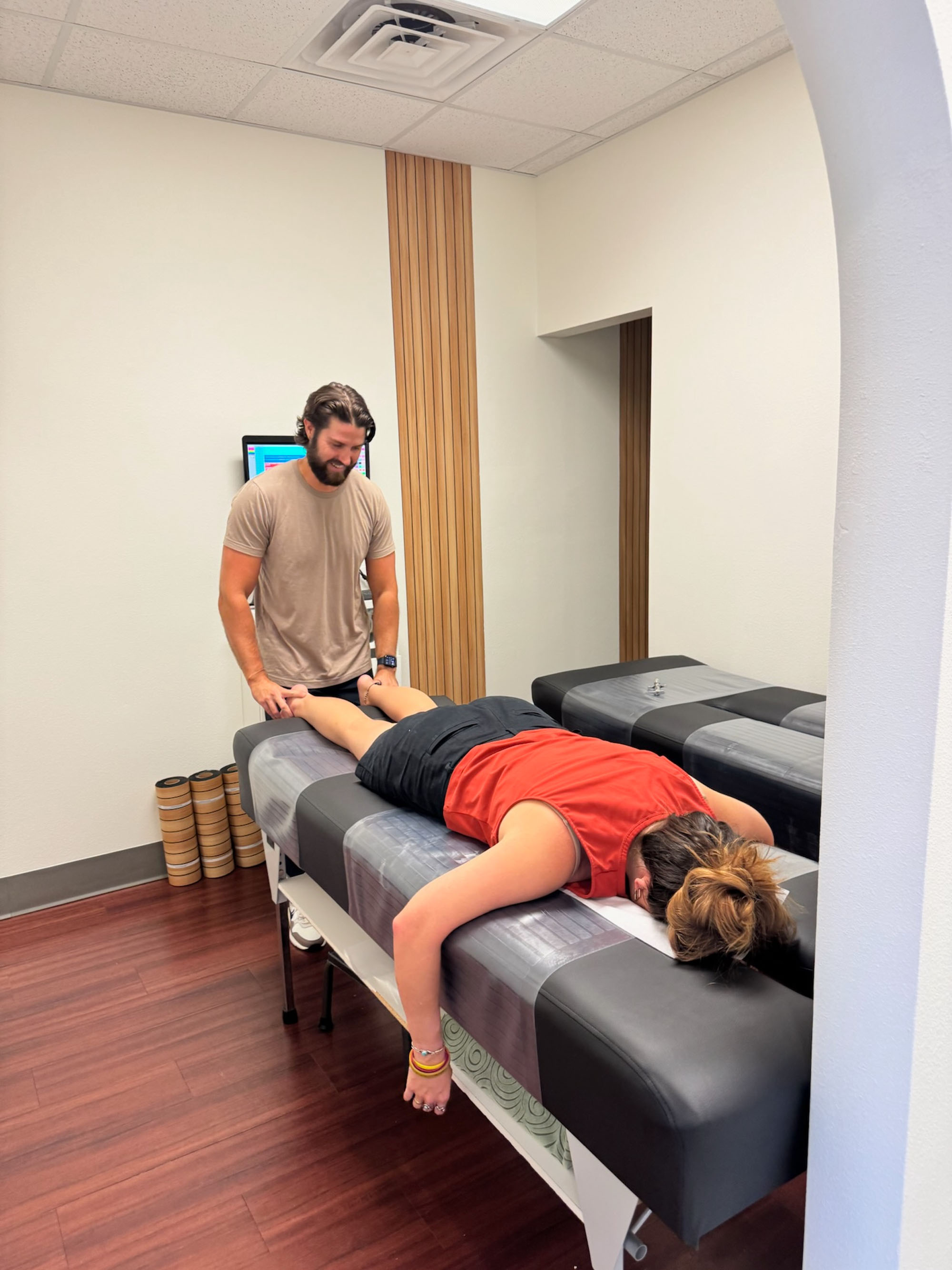
Precision over pressure.
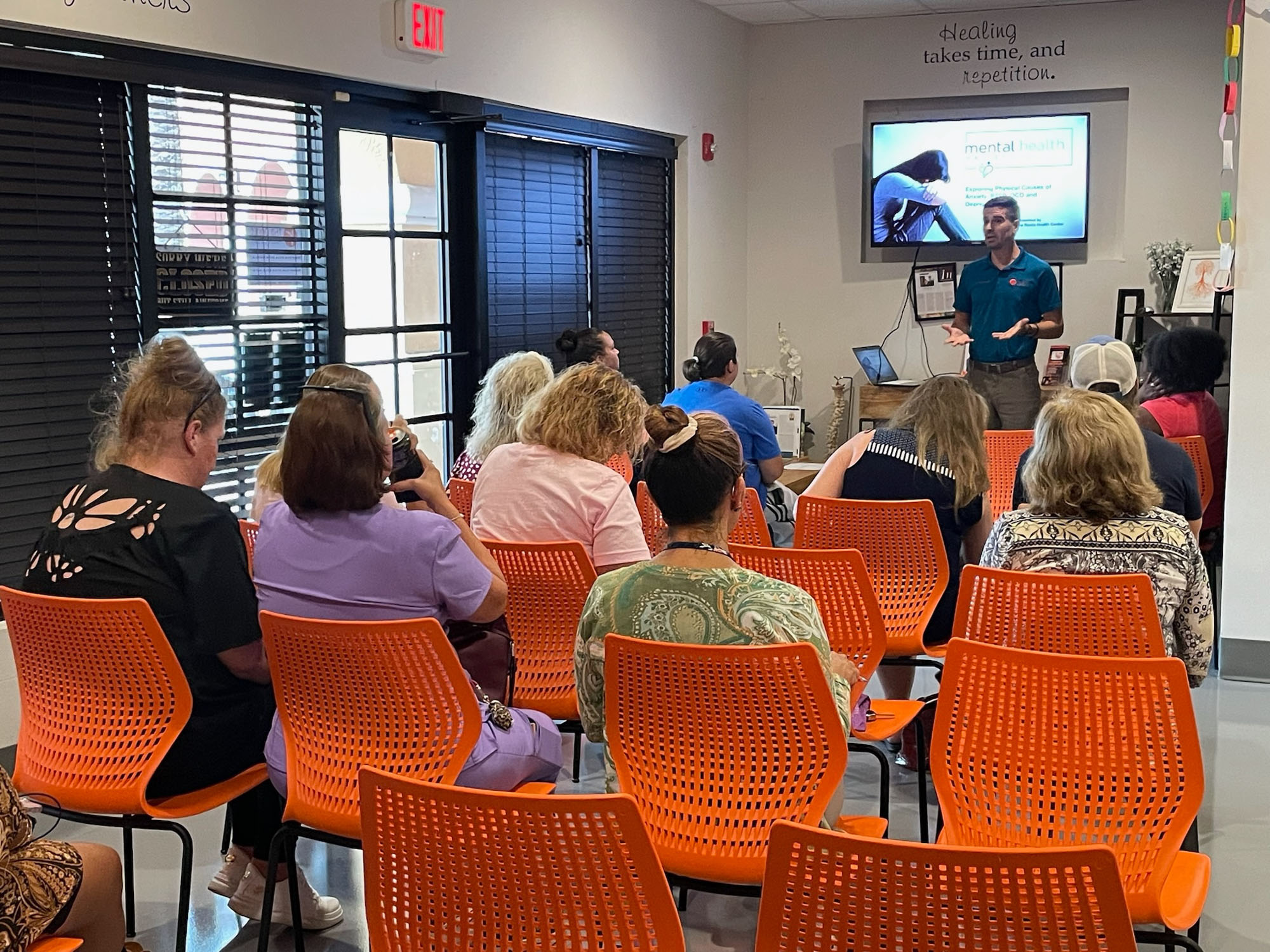
Education is care.
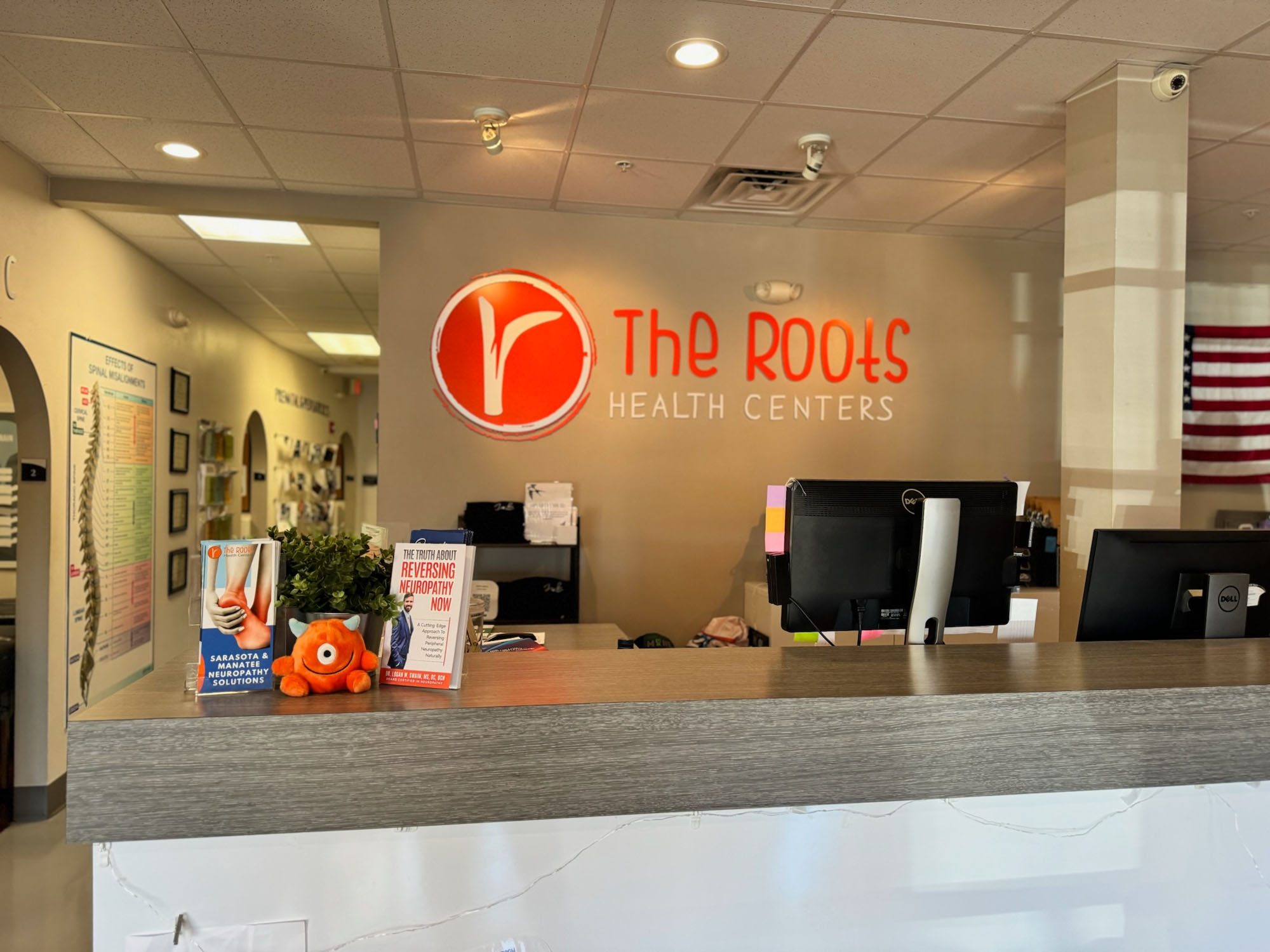
Dr. Logan's neuropathy book — free at every visit.
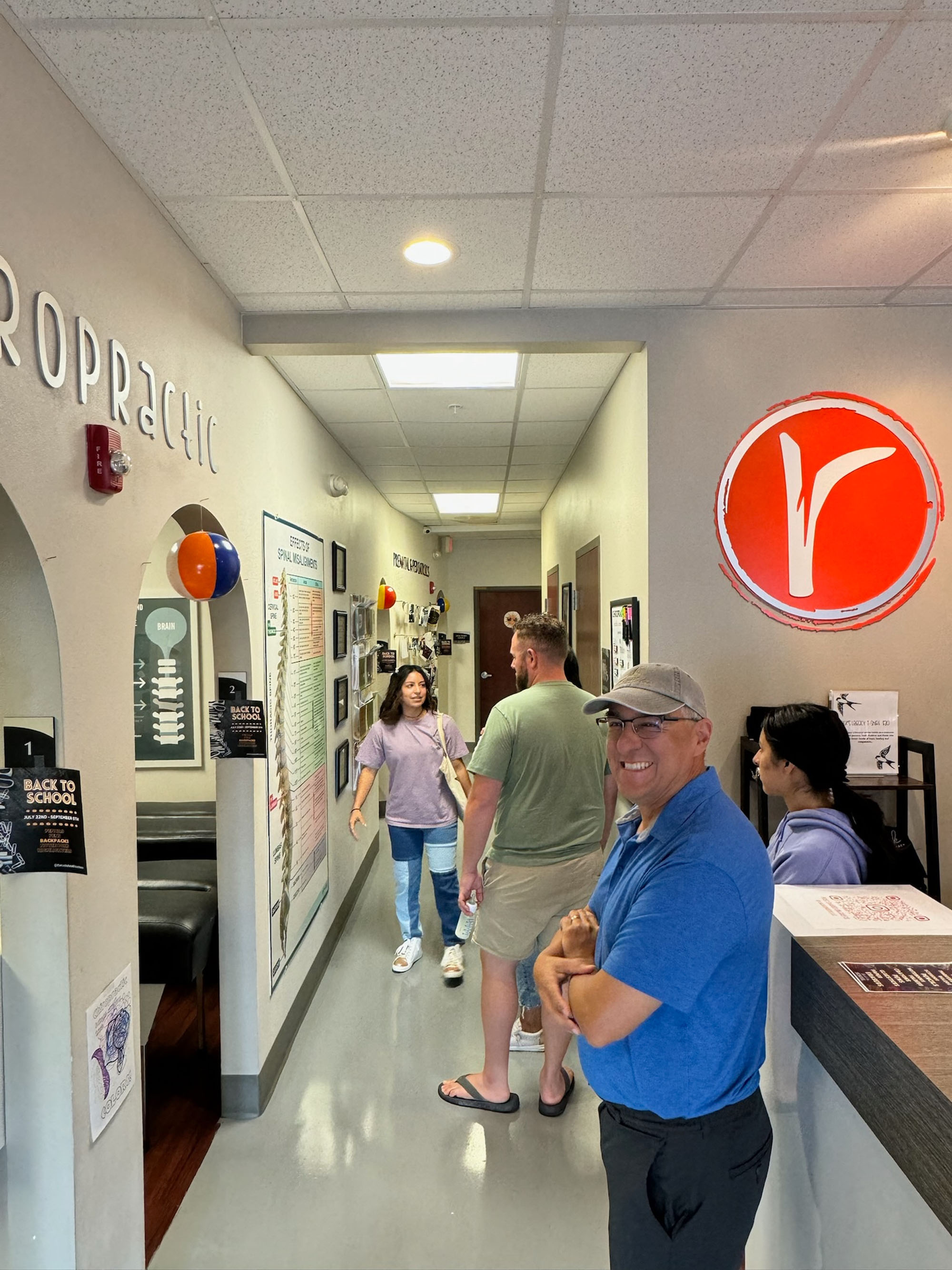
The hallway that's greeted 2,800+ patients.
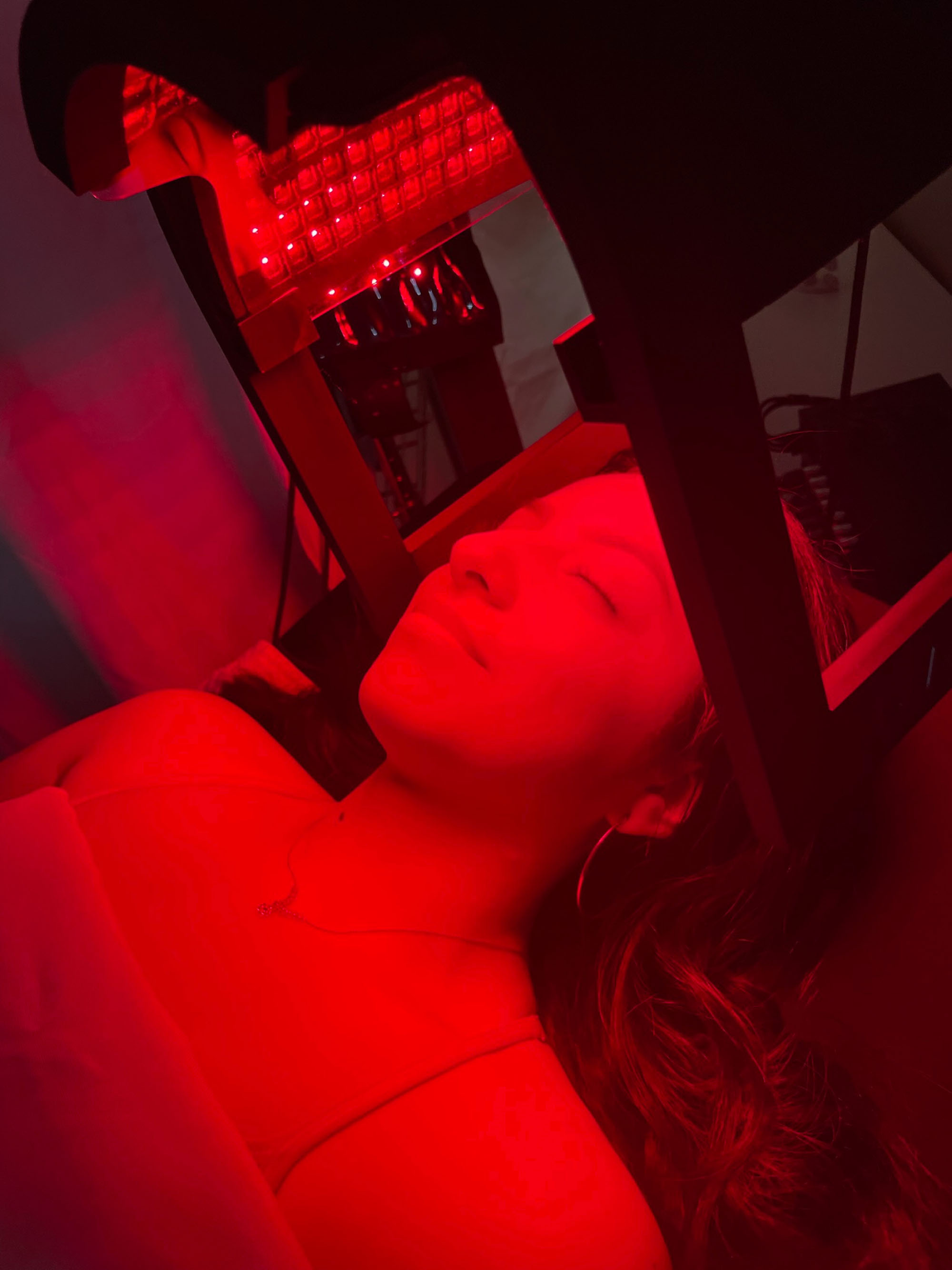
Red light therapy — mitochondrial recharge at cellular level.
Keep Exploring
See patient outcomes
Ready to Get Real Answers?
Attend a free neuropathy seminar or schedule a consultation to learn what's possible.