

Symptom
Chronic Fatigue
Persistent tiredness that doesn't improve with rest
Persistent tiredness that doesn't improve with rest. Often connected to nervous system dysregulation, chronic inflammation, or fibromyalgia.
By Dr. Logan Swaim · Last updated August 12, 2026
Get help with Chronic Fatigue
Three quick questions — we'll call you within 24 business hours.

About Chronic Fatigue
Chronic fatigue is one of the most under-investigated symptoms in medicine. It gets dismissed as 'stress' or 'getting older' when in fact it's almost always pointing at something specific: an underlying driver that's draining the body's energy faster than it can replenish.
The most common drivers we see are autonomic nervous system dysregulation, chronic low-grade inflammation, gut dysbiosis, mitochondrial dysfunction, and adrenal/HPA-axis fatigue. Often it's more than one of these working together. A patient with chronic fatigue and brain fog, anxiety, and digestive symptoms is a textbook presentation of nervous-system dysregulation.
Our team approaches fatigue as a systems-level symptom. Chiropractic care supports vagal tone and parasympathetic recovery. Red light therapy supports mitochondrial energy production. We also coordinate with your physician to rule out thyroid, anemia, sleep apnea, and other medical drivers that need primary care.
Where We See This
Common contexts in our office
- Common after long-COVID, mono, or other viral illness
- Frequently appears with chronic stress, burnout, or trauma
- Often paired with brain fog, sleep disruption, and digestive issues
- Can be tied to perimenopause, thyroid dysfunction, or anemia
The Nervous System Map
What this can be connected to
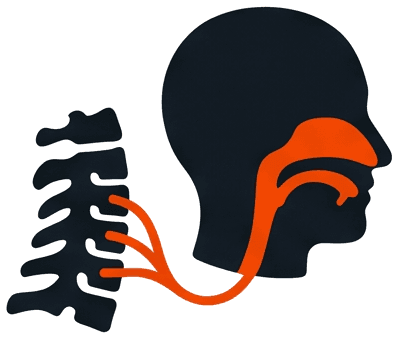
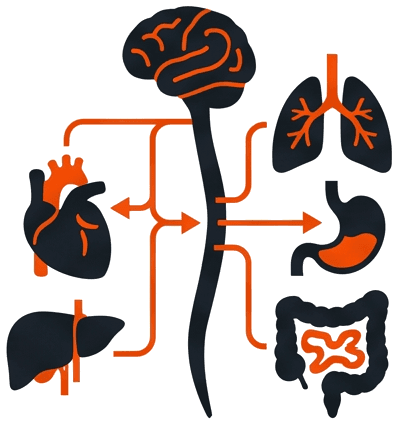
Per traditional chiropractic philosophy plus the patterns we see clinically, chronic fatigue is often associated with these regions or systems. Click any to read more.
Spinal regions
When To Seek Medical Care
Talk to your doctor first if…
Severe new fatigue, especially with weight loss, fever, or other systemic symptoms — see your physician promptly. Chronic fatigue deserves a thorough workup including thyroid, complete blood count, vitamin D, B12, and ferritin.
From Our Doctors
Hear it from the team
Dr. Logan Swaim — Red Light Therapy Overview”


Related Reading
Articles about chronic fatigue
Who You'll See
Doctors who see this every week
The Roots Health Centers is led by the same doctors at every visit — no rotating providers. Care starts with a full neurological evaluation, and a doctor walks you through what it found before anything else is recommended.



Inside the clinic
Where the work happens.

Dr. Fox at work.

Carly — patient care that feels like family.

Carly — patient care that feels like family.

Precision over pressure.

Dr. Logan in the office.
Keep Exploring
Meet the team
This page is educational, not medical advice. Always consult your medical doctor for serious health concerns; chiropractic care complements but doesn't replace primary medical care.
Want a personalized look at your nervous system?
Start with a complimentary consultation. We use a neurological evaluation to map what's going on — no commitment, no cost.