

Symptom
Joint Stiffness
Reduced range of motion or that 'rusty hinge' feeling
Reduced range of motion or a 'rusty hinge' feeling in one or more joints, especially in the morning or after rest. Often a sign of arthritis, inflammation, or chronic joint dysfunction.
By Dr. Logan Swaim · Last updated August 12, 2026
Get help with Joint Stiffness
Three quick questions — we'll call you within 24 business hours.
About Joint Stiffness
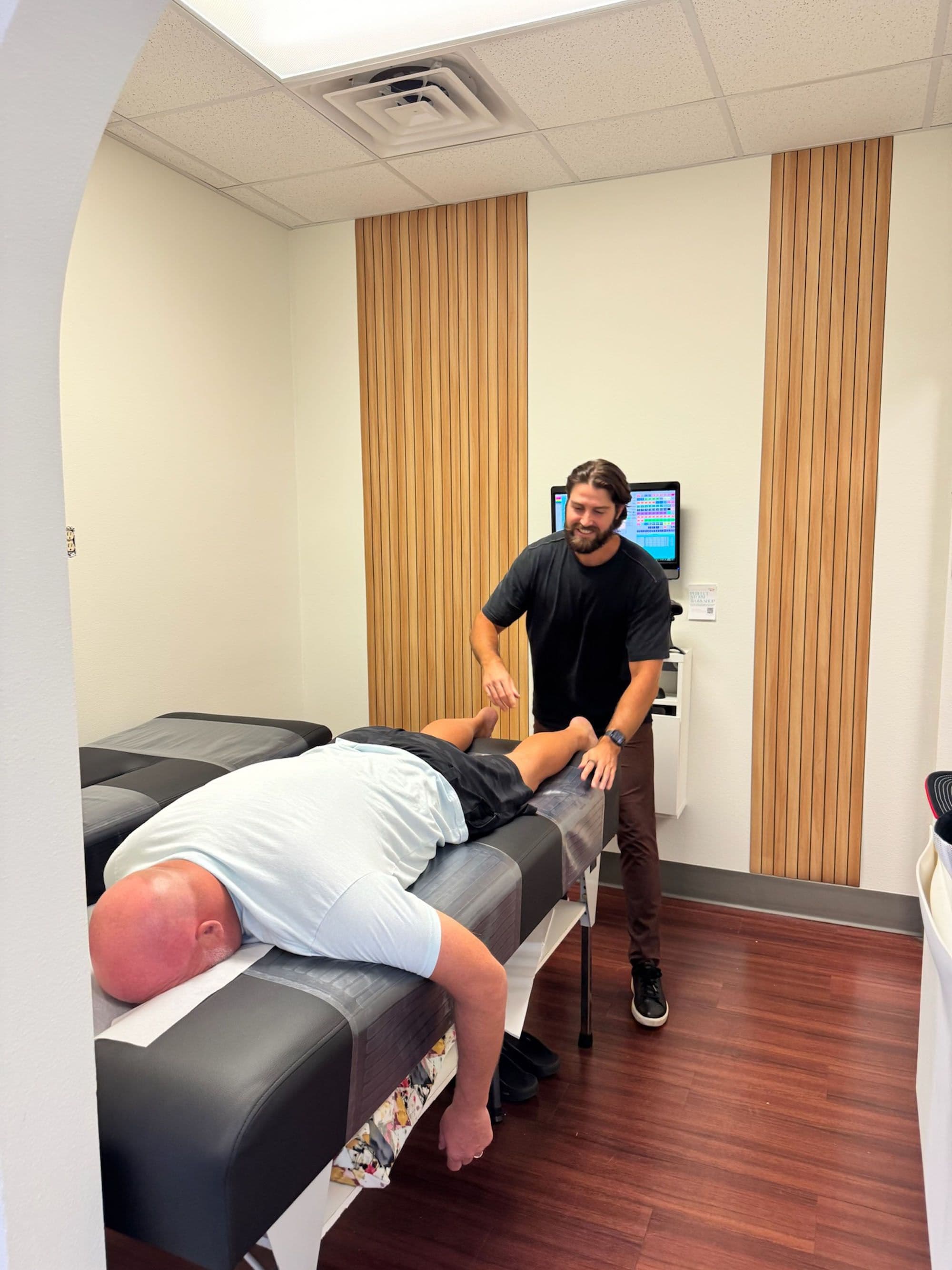
Joint stiffness has a few different mechanisms behind it. Sometimes it's structural — the joint surfaces aren't moving freely, often because of arthritis or scar tissue. Sometimes it's neurological — the nervous system has tightened the muscles around the joint as a protective response. And sometimes it's inflammatory — the joint is signaling 'don't move me' because something is irritated.
The pattern matters. Stiffness that's worst in the morning and improves with activity often points to inflammatory or osteoarthritic processes. Stiffness that gets worse with activity may indicate mechanical irritation or instability. Stiffness only in one specific joint after a specific movement usually traces back to a structural issue.
Our team starts with a thorough exam to differentiate the cause, then builds a care plan: chiropractic adjustments to restore joint motion, soft-tissue work to address protective muscle tension, and lifestyle inputs (movement patterns, hydration, anti-inflammatory nutrition) to support the joint long-term.
Where We See This
Common contexts in our office
- Common in patients with osteoarthritis or rheumatoid arthritis
- Frequently follows injury or surgery
- Often appears with sedentary work patterns or repetitive motion
- Worse during weather changes or chronic inflammation flares
The Nervous System Map
What this can be connected to
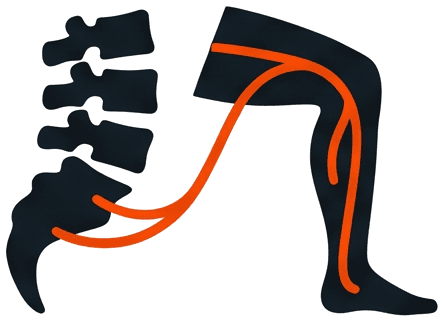
Per traditional chiropractic philosophy plus the patterns we see clinically, joint stiffness is often associated with these regions or systems. Click any to read more.
Spinal regions
Body systems

When To Seek Medical Care
Talk to your doctor first if…
Joint stiffness with significant swelling, warmth, redness, or fever — see your physician promptly. Could indicate infection or acute inflammatory arthritis.
From Our Doctors
Hear it from the team
Dr. Logan Swaim — Gentle Chiropractic no Cracking”
More from the team

Related Reading
Articles about joint stiffness
Bone-on-Bone? Here's What to Try Before Knee Replacement
A 'bone-on-bone' diagnosis isn't a death sentence for your knee. Here's the non-surgical protocol that's helped many patients delay or avoid knee replacement entirely.
Read articleFrozen Shoulder: Your Real Recovery Options
Frozen shoulder can take 1–3 years to resolve on its own. Here's how to dramatically speed up recovery and avoid the wait.
Read articleWhat Is Corrective Chiropractic — And How Is It Different?
Most chiropractors focus on temporary symptom relief. Corrective chiropractic is designed to make lasting structural changes — here's how.
Read articleWho You'll See
Doctors who see this every week
The Roots Health Centers is led by the same doctors at every visit — no rotating providers. Care starts with a full neurological evaluation, and a doctor walks you through what it found before anything else is recommended.



Inside the clinic
Where the work happens.

Carly — patient care that feels like family.

Dr. Logan's neuropathy book — free at every visit.
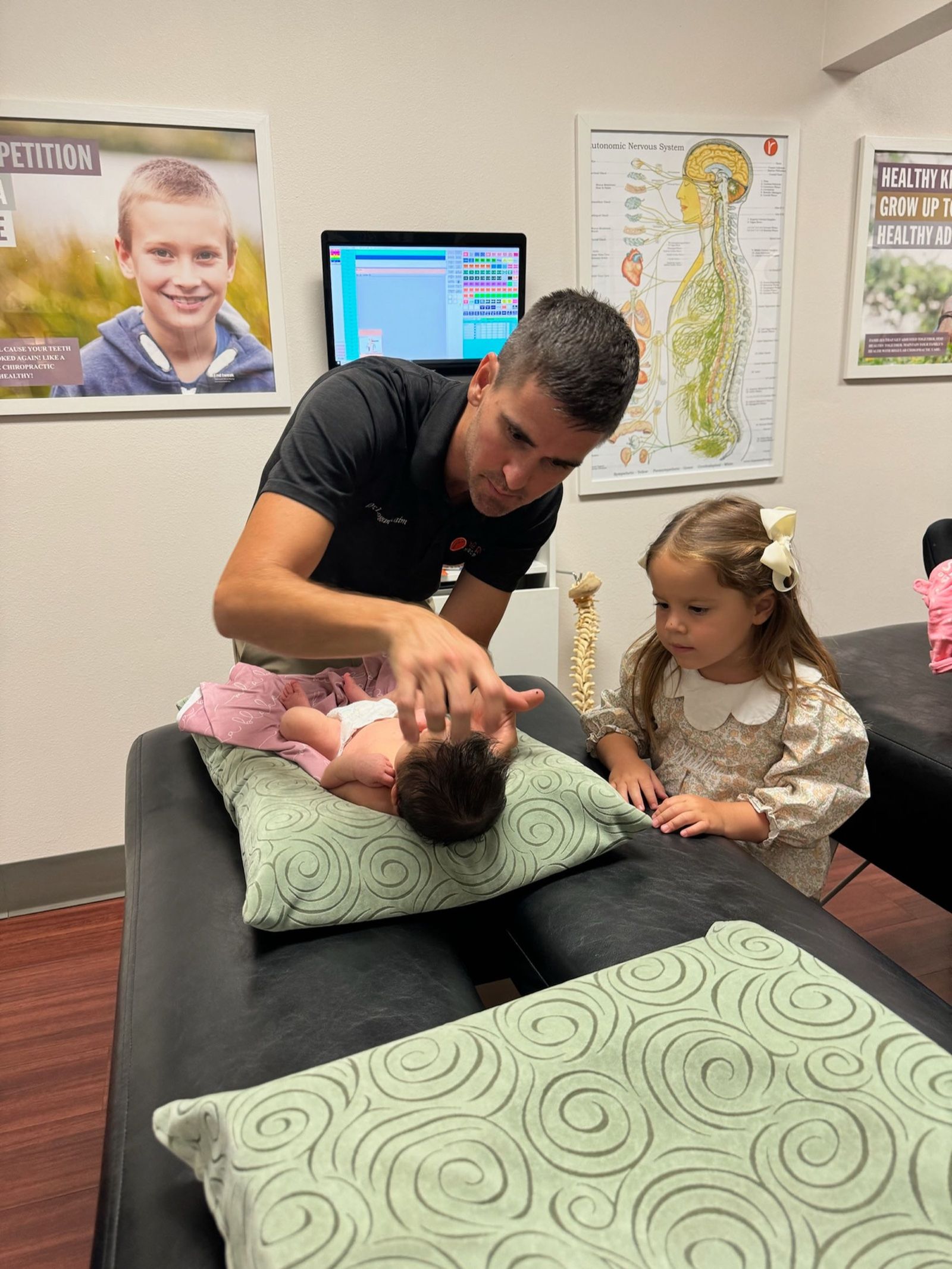
Dr. Logan in the office.

Carly — patient care that feels like family.

Dr. Fox at work.
Keep Exploring
Meet the team
This page is educational, not medical advice. Always consult your medical doctor for serious health concerns; chiropractic care complements but doesn't replace primary medical care.
Want a personalized look at your nervous system?
Start with a complimentary consultation. We use a neurological evaluation to map what's going on — no commitment, no cost.