

Symptom
Shoulder Pain
Aching, sharp, or limited-motion pain in one or both shoulders
Aching, sharp, or limited-motion pain in one or both shoulders. Common drivers include rotator cuff issues, frozen shoulder, postural strain, or referred pain from the neck.
By Dr. Logan Swaim · Last updated August 12, 2026
Get help with Shoulder Pain
Three quick questions — we'll call you within 24 business hours.
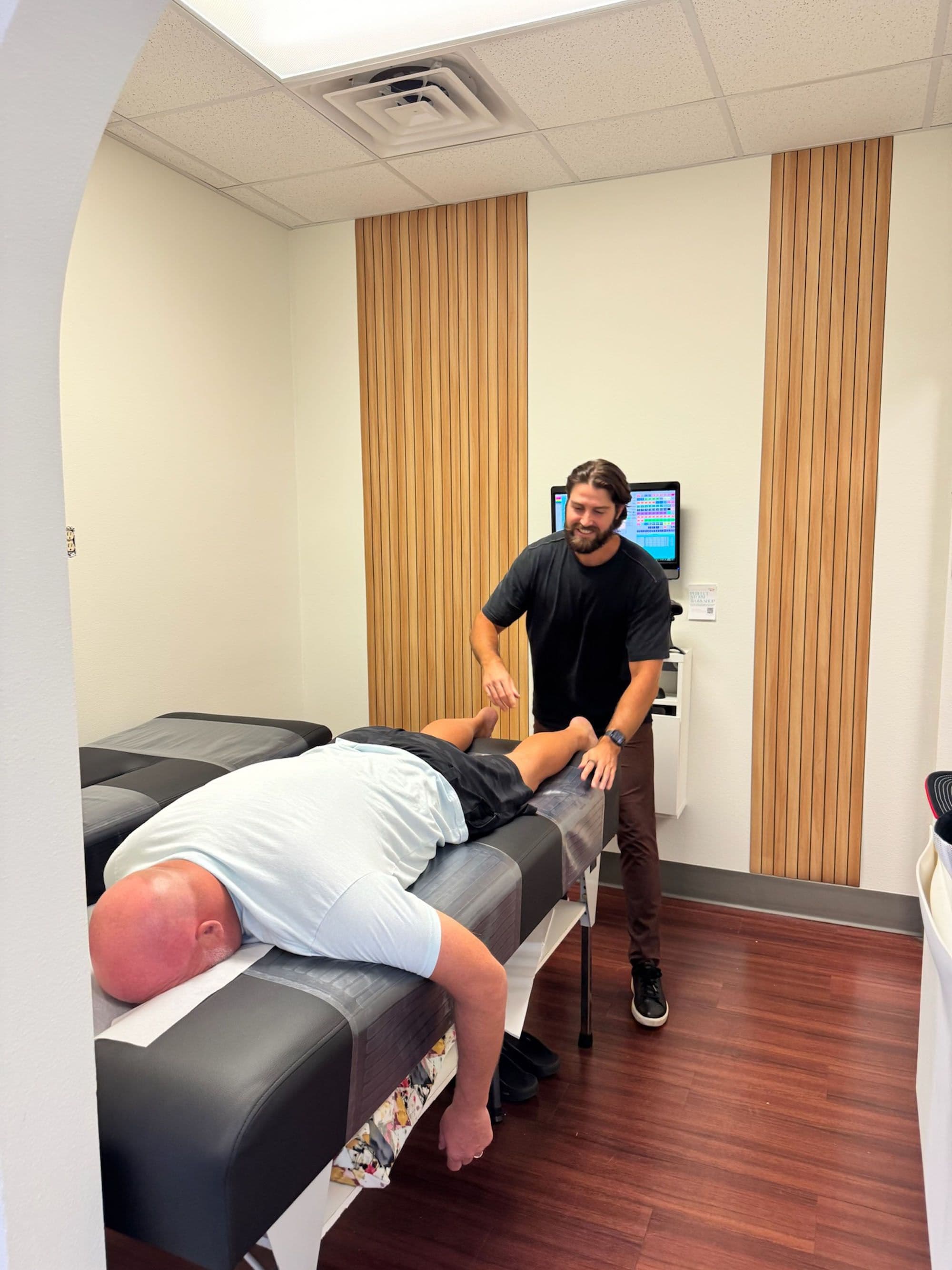
About Shoulder Pain
Shoulder pain has more possible sources than almost any other complaint. The shoulder is the most mobile joint in the body, and that mobility comes at the cost of stability — which makes it vulnerable to rotator cuff problems, postural strain, frozen shoulder, and referred pain from the neck.
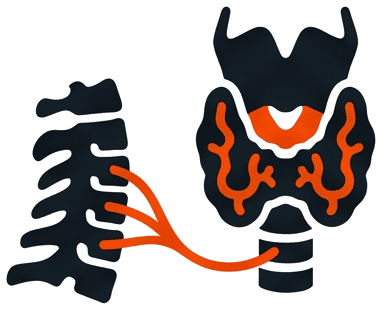
One of the most overlooked sources is the cervical spine. The nerves that supply the shoulder, arm, and hand all originate from C5-T1. When those segments are restricted or compressed, you get shoulder pain that won't resolve no matter how much rotator cuff work you do — because the rotator cuff isn't actually the problem.
Our team evaluates the shoulder, the cervical spine, and the thoracic spine together, because they all influence each other. Care often combines chiropractic adjustments at the cervical/thoracic levels, soft-tissue work on the shoulder itself, and movement retraining to restore healthy mechanics.
The Nervous System Map
What this can be connected to
Per traditional chiropractic philosophy plus the patterns we see clinically, shoulder pain is often associated with these regions or systems. Click any to read more.
Spinal regions
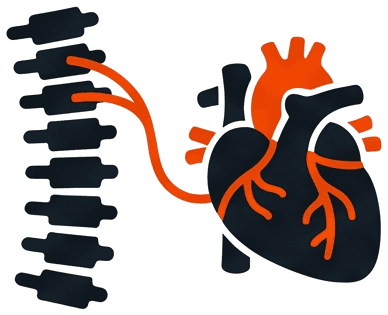
Body systems
When To Seek Medical Care
Talk to your doctor first if…
Sudden severe shoulder pain after trauma, deformity, or inability to move the arm — go to the ER. Left-sided shoulder pain with chest pressure or shortness of breath — go to the ER, this can be a heart symptom.
From Our Doctors
Hear it from the team
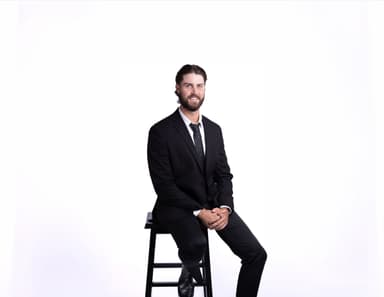
Dr. Logan Swaim — Gentle Chiropractic no Cracking”
More from the team

Related Reading
Articles about shoulder pain
Frozen Shoulder: Your Real Recovery Options
Frozen shoulder can take 1–3 years to resolve on its own. Here's how to dramatically speed up recovery and avoid the wait.
Read articleTech Neck: The Modern Posture Epidemic Nobody's Talking About
If you spend hours a day looking at a phone or screen, your spine is paying the price. Here's what tech neck does to your body — and how to undo it.
Read articleWhat Is Corrective Chiropractic — And How Is It Different?
Most chiropractors focus on temporary symptom relief. Corrective chiropractic is designed to make lasting structural changes — here's how.
Read articleWho You'll See
Doctors who see this every week
The Roots Health Centers is led by the same doctors at every visit — no rotating providers. Care starts with a full neurological evaluation, and a doctor walks you through what it found before anything else is recommended.


Inside the clinic
Where the work happens.
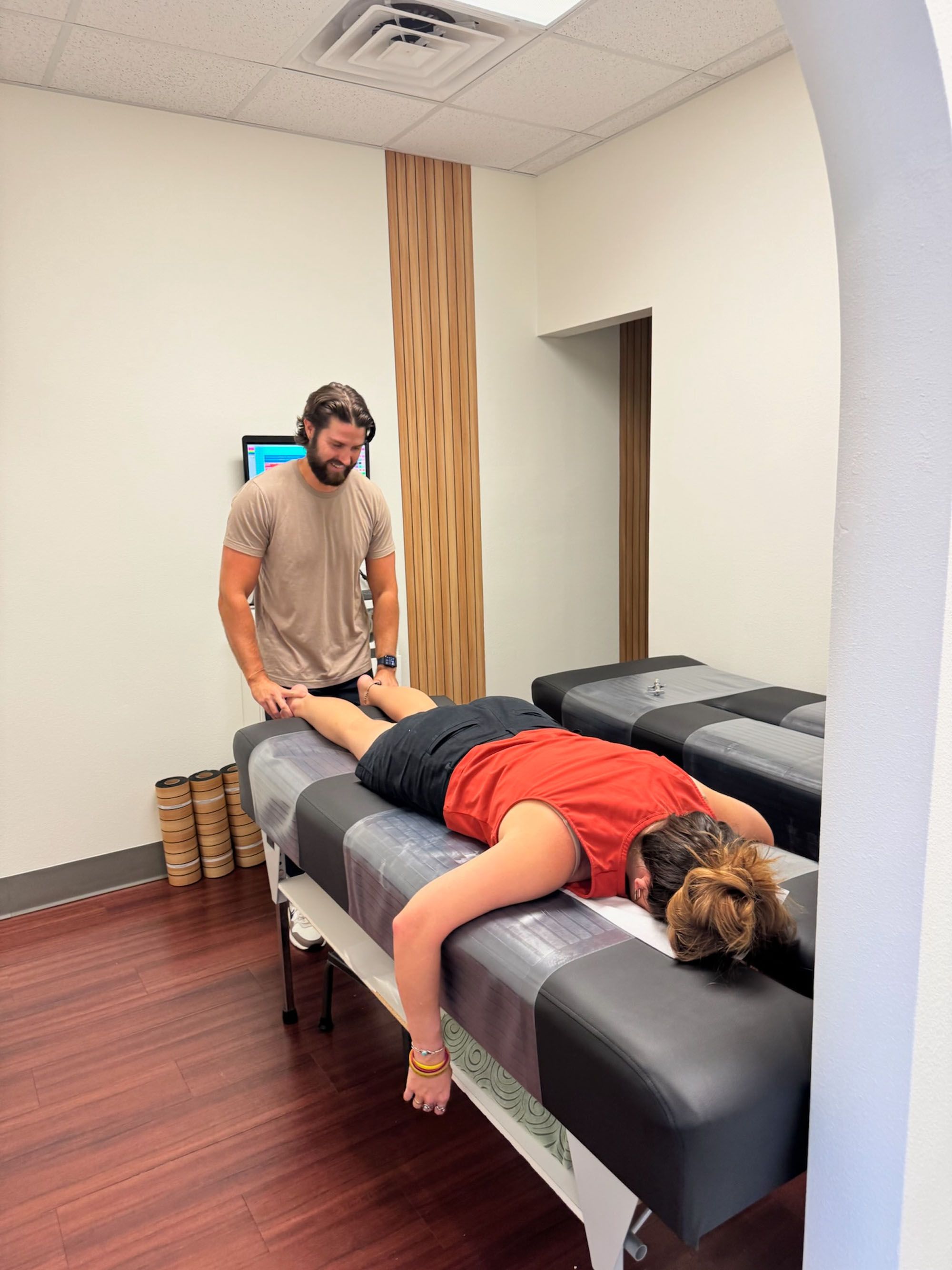
Precision over pressure.
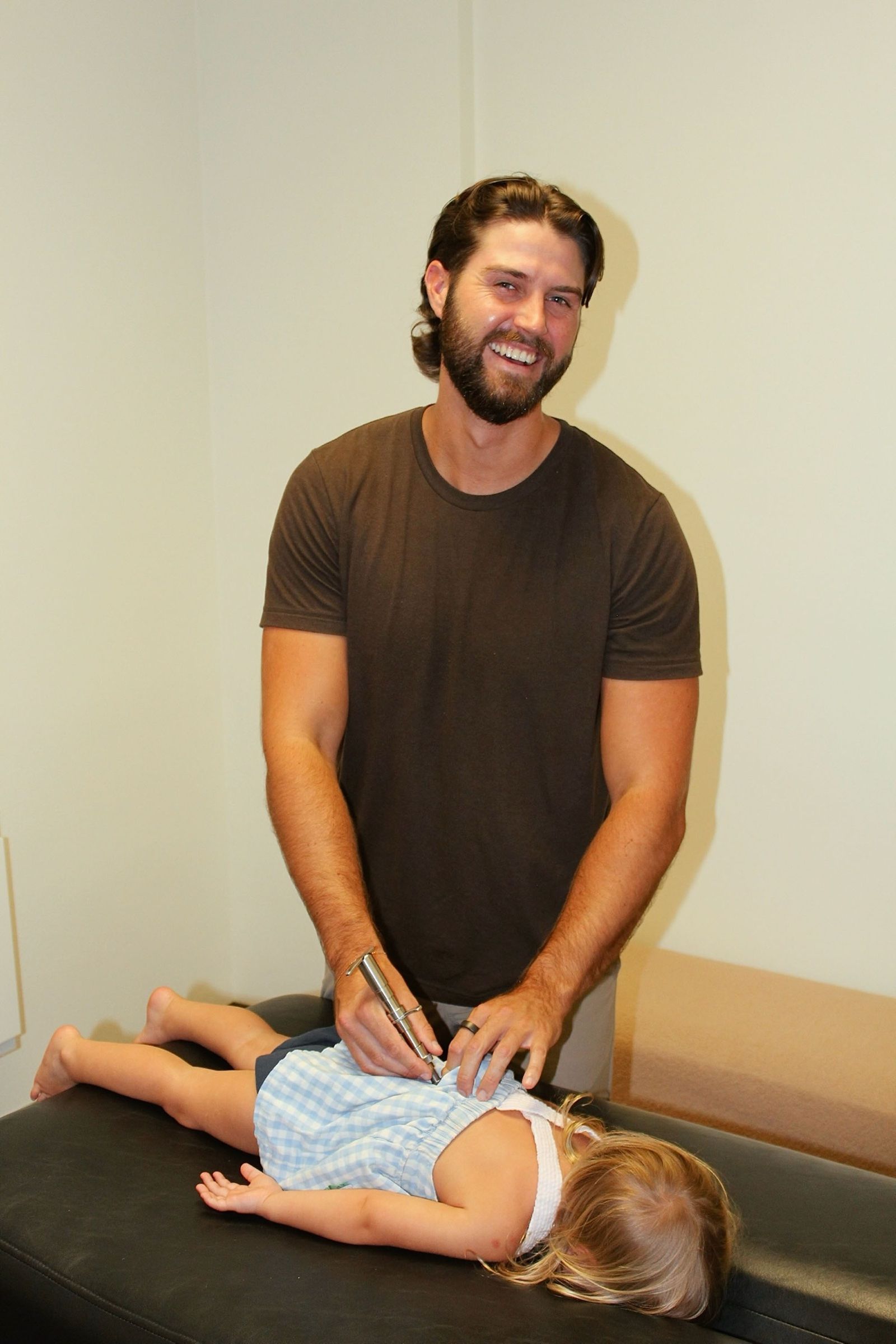
Precision over pressure — care that addresses the cause.

Carly — patient care that feels like family.

Dr. Fox at work.

Dr. Logan's neuropathy book — free at every visit.
Keep Exploring
Meet the team
This page is educational, not medical advice. Always consult your medical doctor for serious health concerns; chiropractic care complements but doesn't replace primary medical care.
Want a personalized look at your nervous system?
Start with a complimentary consultation. We use a neurological evaluation to map what's going on — no commitment, no cost.