

Condition
Carpal Tunnel Syndrome
Avoid Carpal Tunnel Surgery
Drug-free, non-surgical care for carpal tunnel syndrome that addresses nerve compression at the wrist and the cervical spine — most patients avoid the operating room.
By Dr. Logan Swaim · Last updated May 26, 2026
Get help with Carpal Tunnel Syndrome
Three quick questions — we'll call you within 24 business hours.
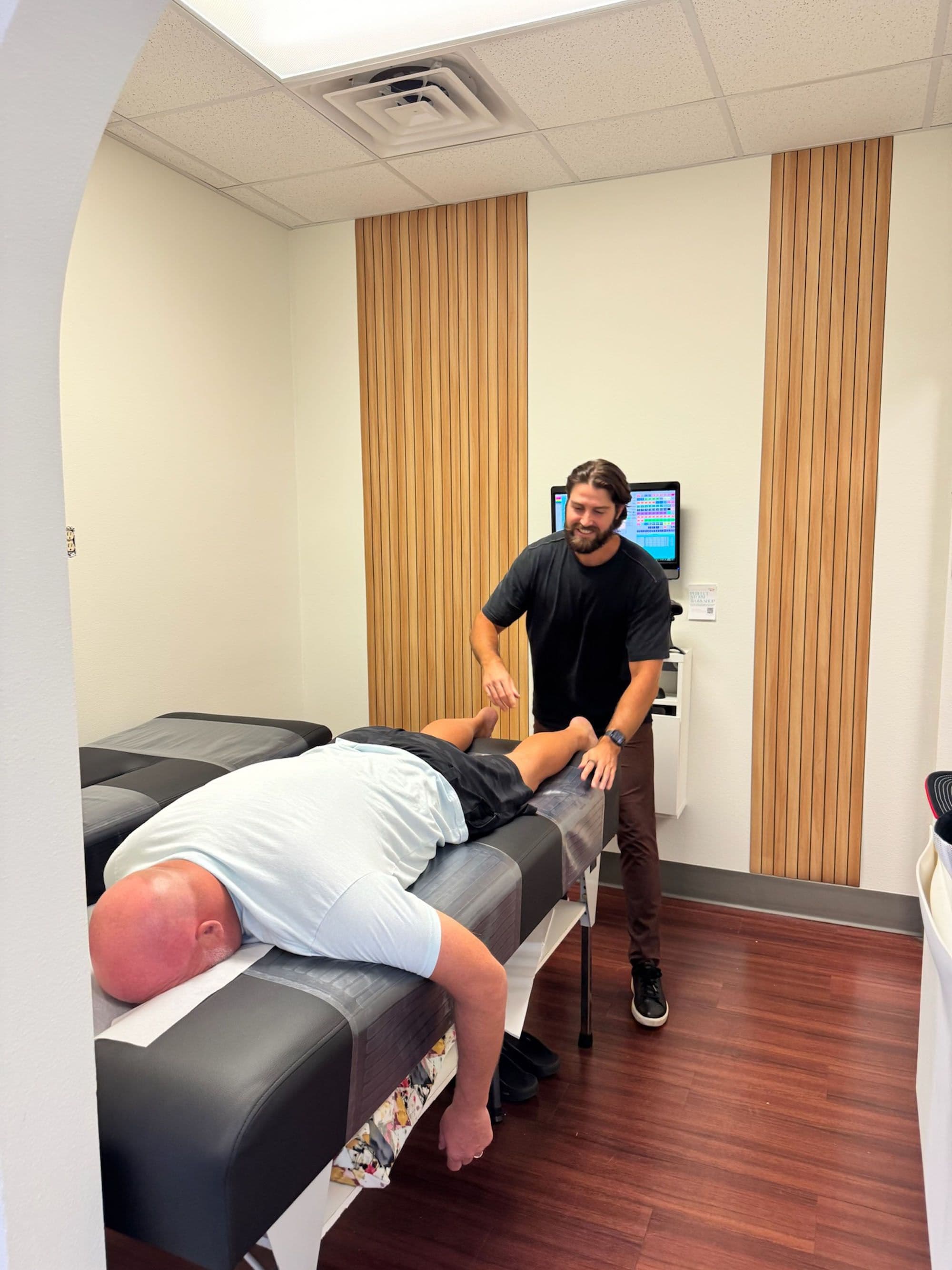
Understanding Carpal Tunnel Syndrome
What It Is & Why It Happens
Carpal tunnel syndrome is usually approached as a wrist problem — but the truth is, the median nerve runs from your neck all the way to your fingers, and pressure anywhere along that path can cause classic carpal tunnel symptoms. That's why a lot of carpal tunnel surgeries don't actually fix the problem: they only address one of several possible compression sites.
Our approach is comprehensive. We evaluate the entire nerve path from the cervical spine through the shoulder, elbow, and wrist. Often the real driver is upper cervical misalignment, thoracic outlet compression, or pronator syndrome at the elbow — not the wrist itself. Once we identify where the compression is actually happening, we address it with corrective chiropractic, shockwave therapy, and red light therapy.
Most carpal tunnel patients we see avoid surgery entirely. Even patients who have already had surgery and continue to experience symptoms often respond when we address the proximal causes that the surgery never touched.
Common Symptoms
Signs You Might Be Dealing With Carpal Tunnel Syndrome
- Numbness or tingling in the thumb, index, and middle fingers
- Hand weakness or dropping objects
- Burning pain in the wrist or palm
- Symptoms that wake you up at night
- Pain that radiates from the wrist into the forearm
- Reduced grip strength
How We Help
Our Treatment Approach
- Full nerve path evaluation from neck to wrist
- Cervical and upper extremity adjustments
- Shockwave therapy for soft tissue restrictions
- Red light therapy for inflammation reduction
- Activity modification and home exercises
From Our Doctors
Hear it from the team
Dr. Logan Swaim — Red Light Therapy Overview”
Services That Help
Treatments for Carpal Tunnel Syndrome
Corrective Chiropractic
Precise, progressive corrections that produce lasting structural change — not just temporary relief. Think of it like orthodontics for your spine.
Learn More
Shockwave Therapy
For chronic pain that hasn't settled with rest or stretching. Drug-free and surgery-free, and each session takes 8–15 minutes.
Learn More
Red Light Therapy
Medical-grade red light therapy in a private, full-body room. Our DAHLIA Pinnacle Bed supports chronic pain, recovery, skin health, gut and neurometabolic health, and weight management — as part of a personalized care plan. Photobiomodulation that goes beyond a consumer sauna.
Learn MoreRelated Symptoms
Symptoms Often Linked to Carpal Tunnel Syndrome
The Nervous System Map
What carpal tunnel syndrome connects to
Carpal Tunnel Syndrome is rarely an isolated problem — it's tied into specific spinal regions and body systems we map in the office. Click any to see the deeper picture.
Spinal regions
Body systems

Read More
Articles About Carpal Tunnel Syndrome
Common Questions
Frequently Asked Questions
Who You'll See
Doctors who see this every week
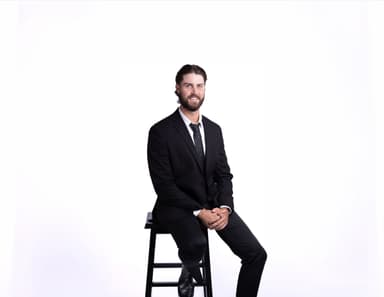
The Roots Health Centers is led by the same doctors at every visit — no rotating providers. Care starts with a full neurological evaluation, and a doctor walks you through what it found before anything else is recommended.


Care for carpal tunnel syndrome
Inside the plan.

Dr. Logan's neuropathy book — free at every visit.

Carly — patient care that feels like family.
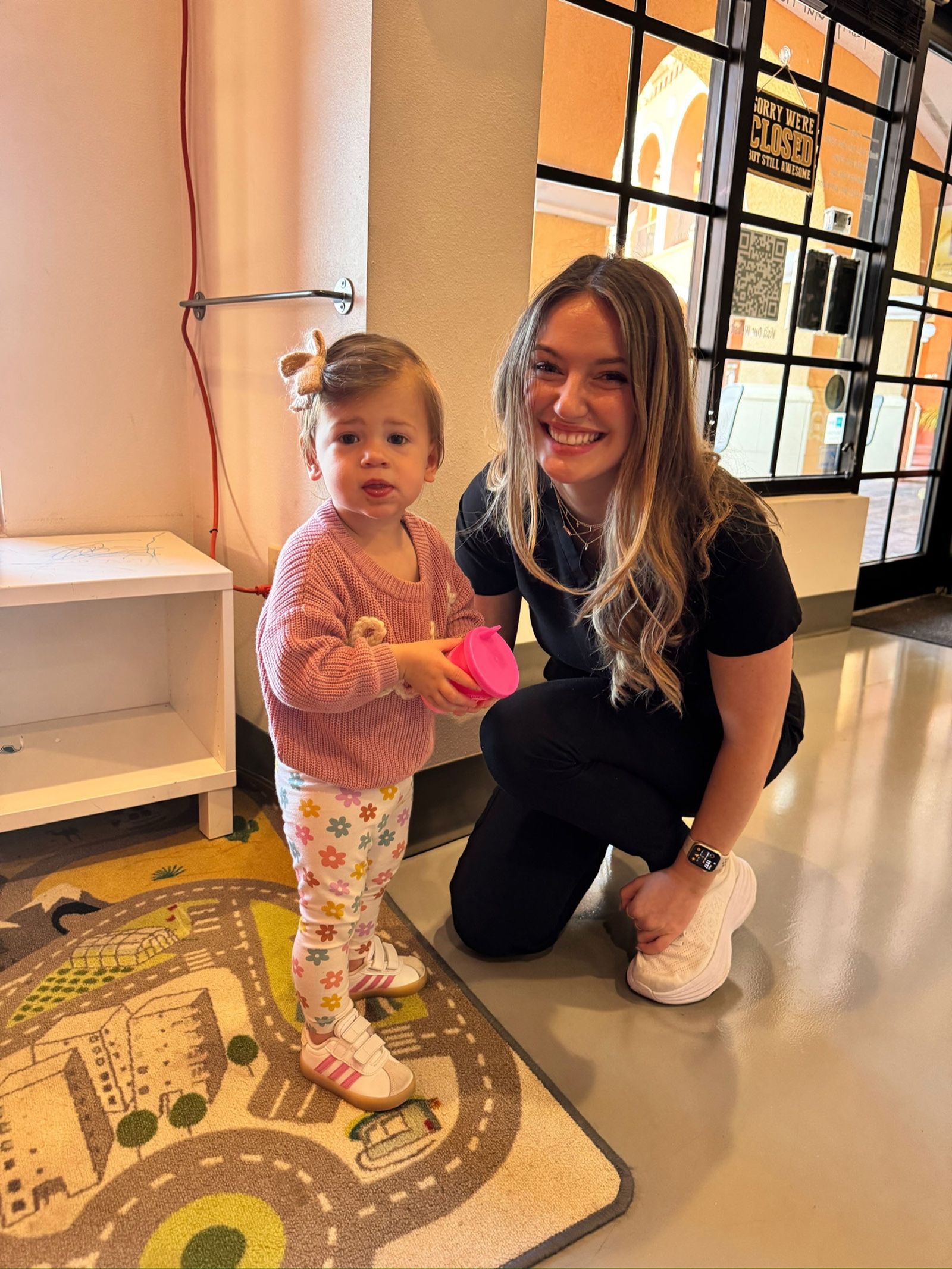
Carly — patient care that feels like family.
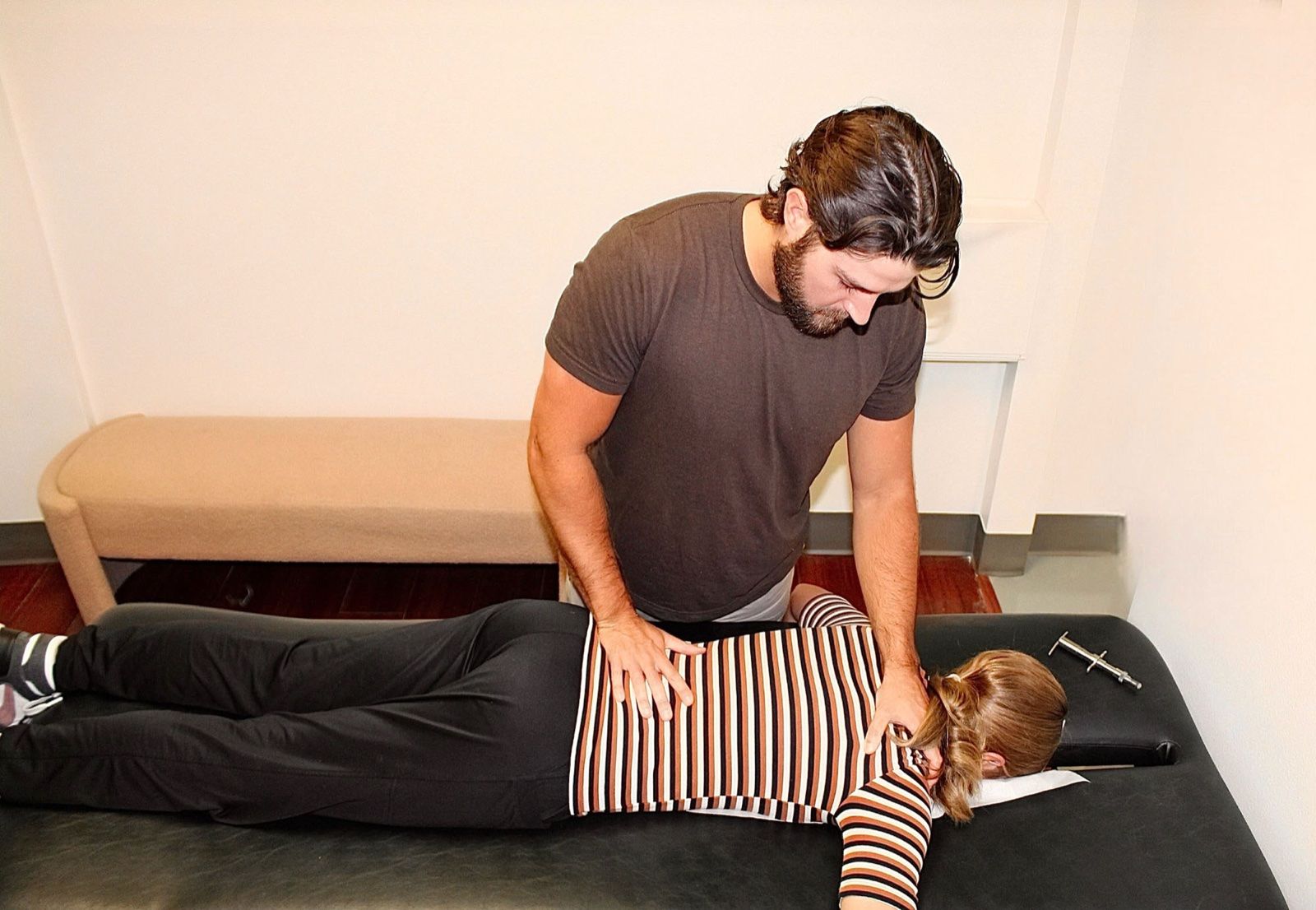
Dr. Fox at work.

Dr. Laura in the office.
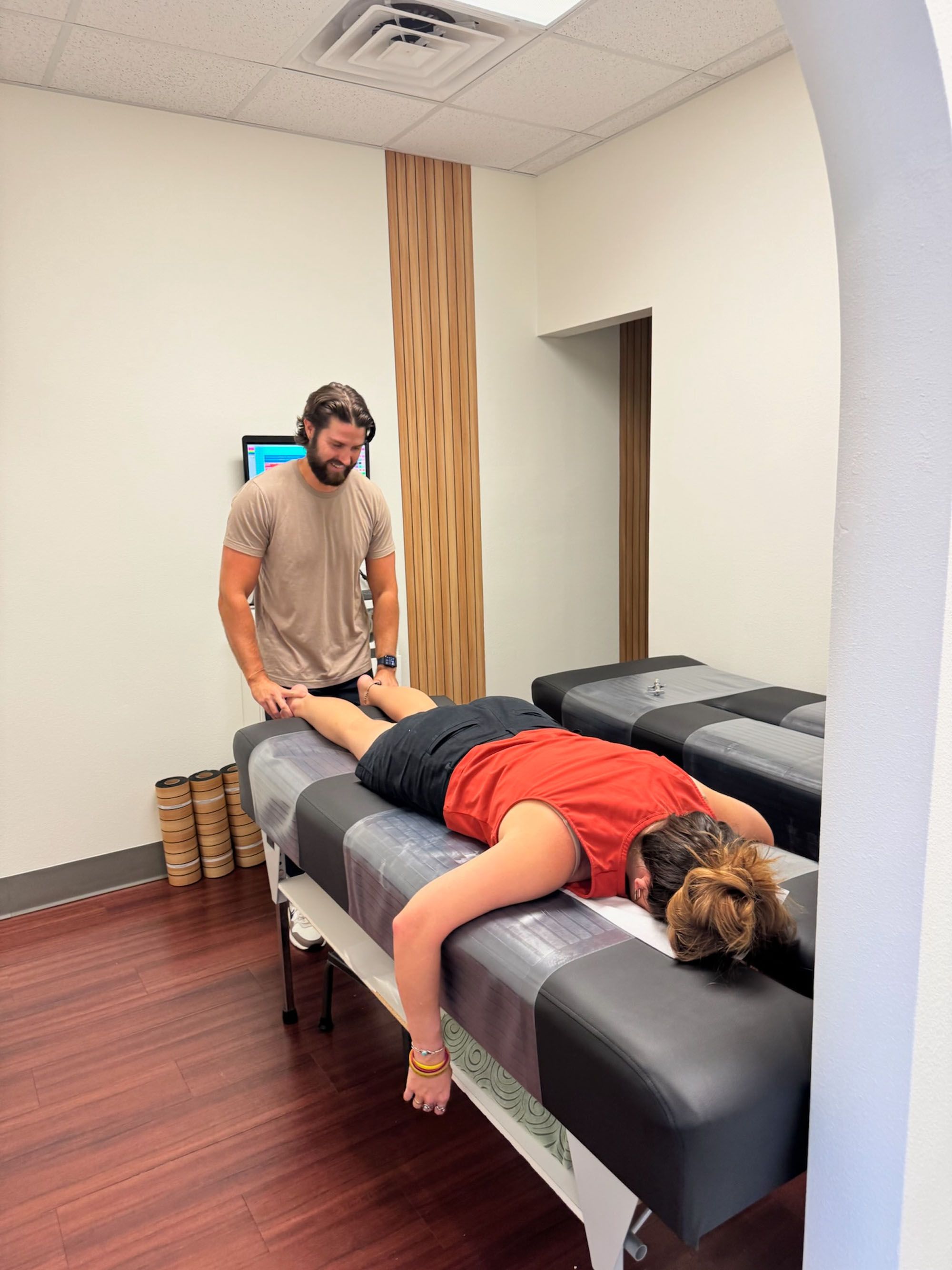
Precision over pressure.
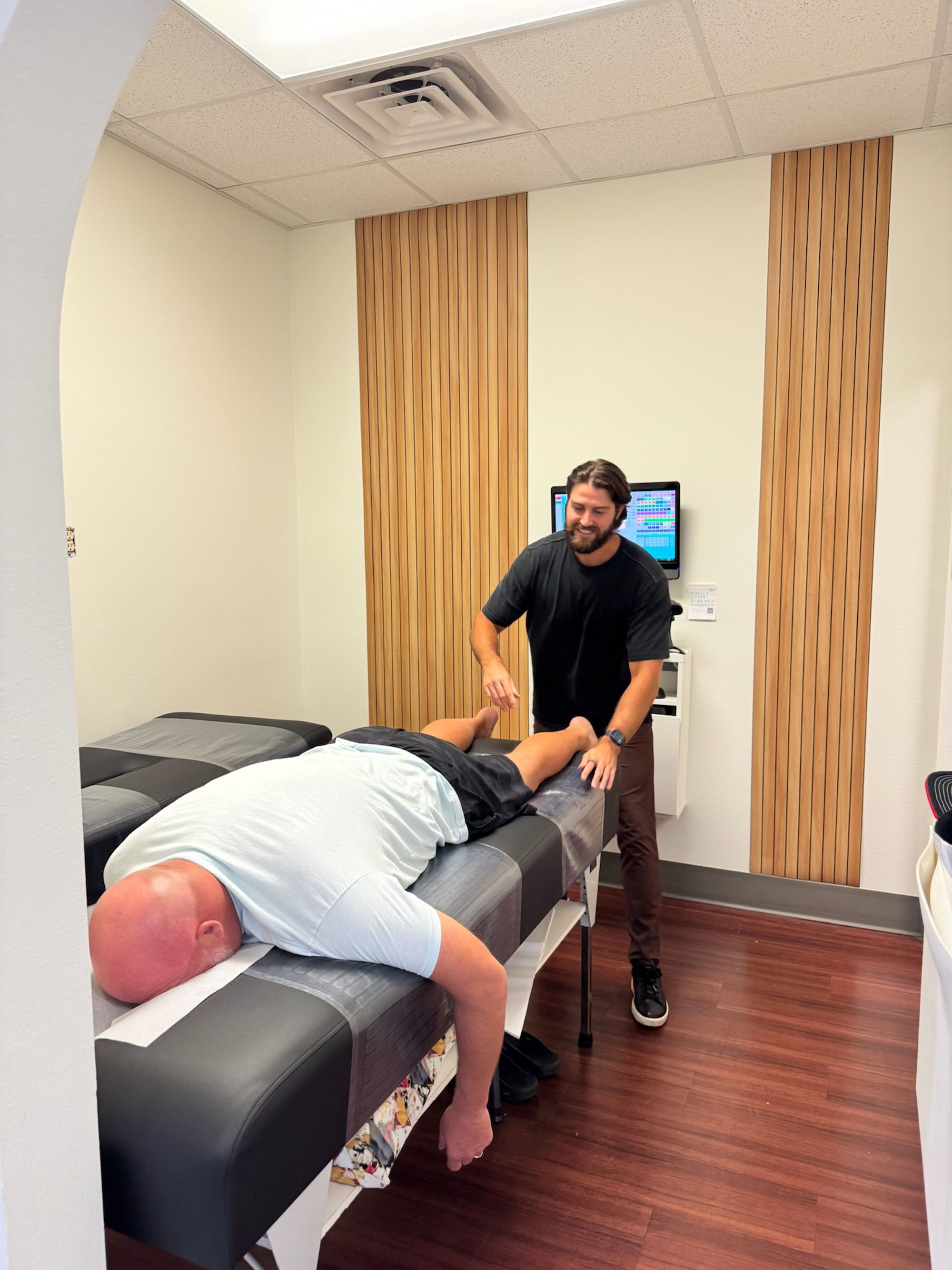
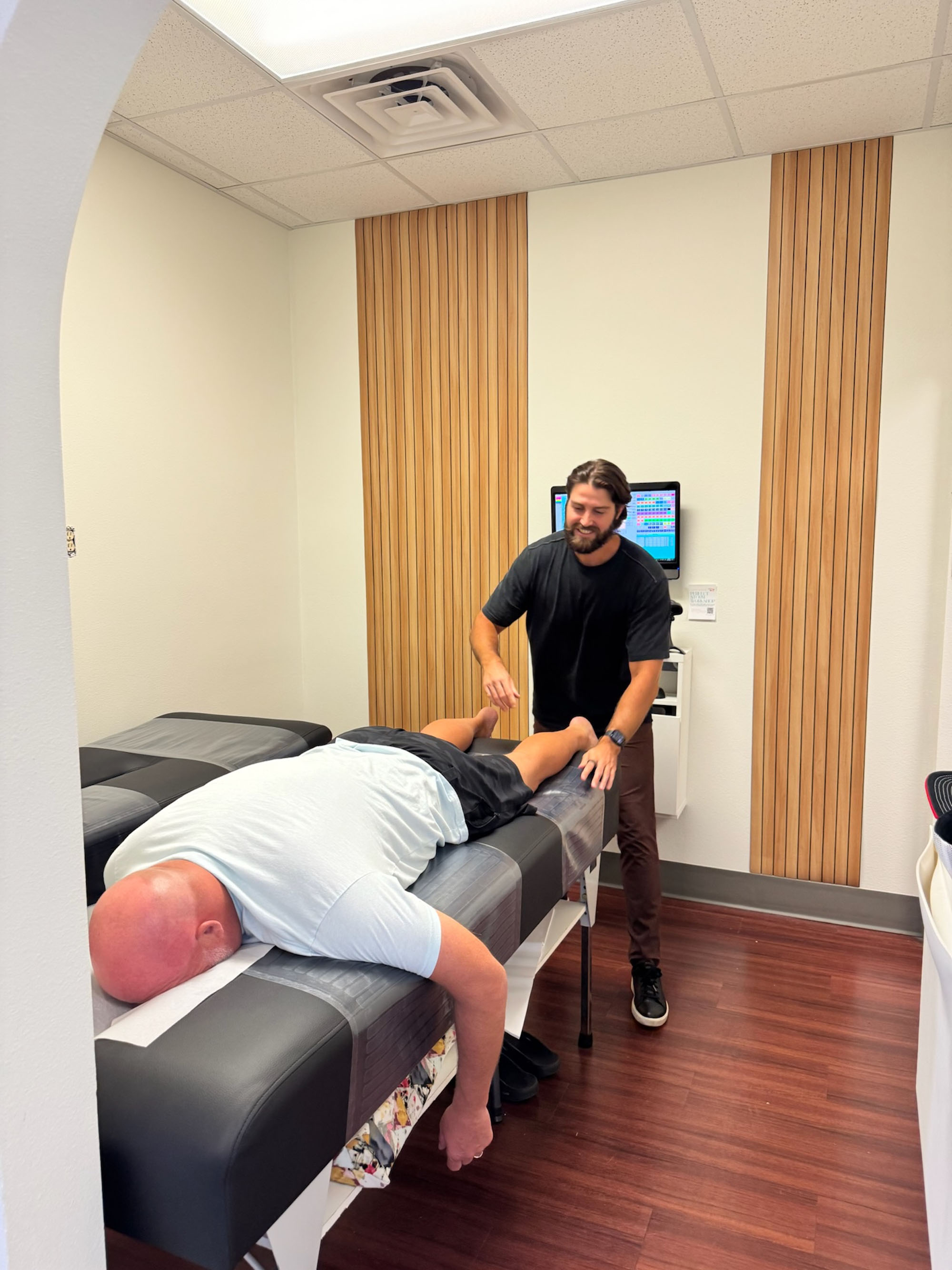
Precision over pressure — care that addresses the cause.
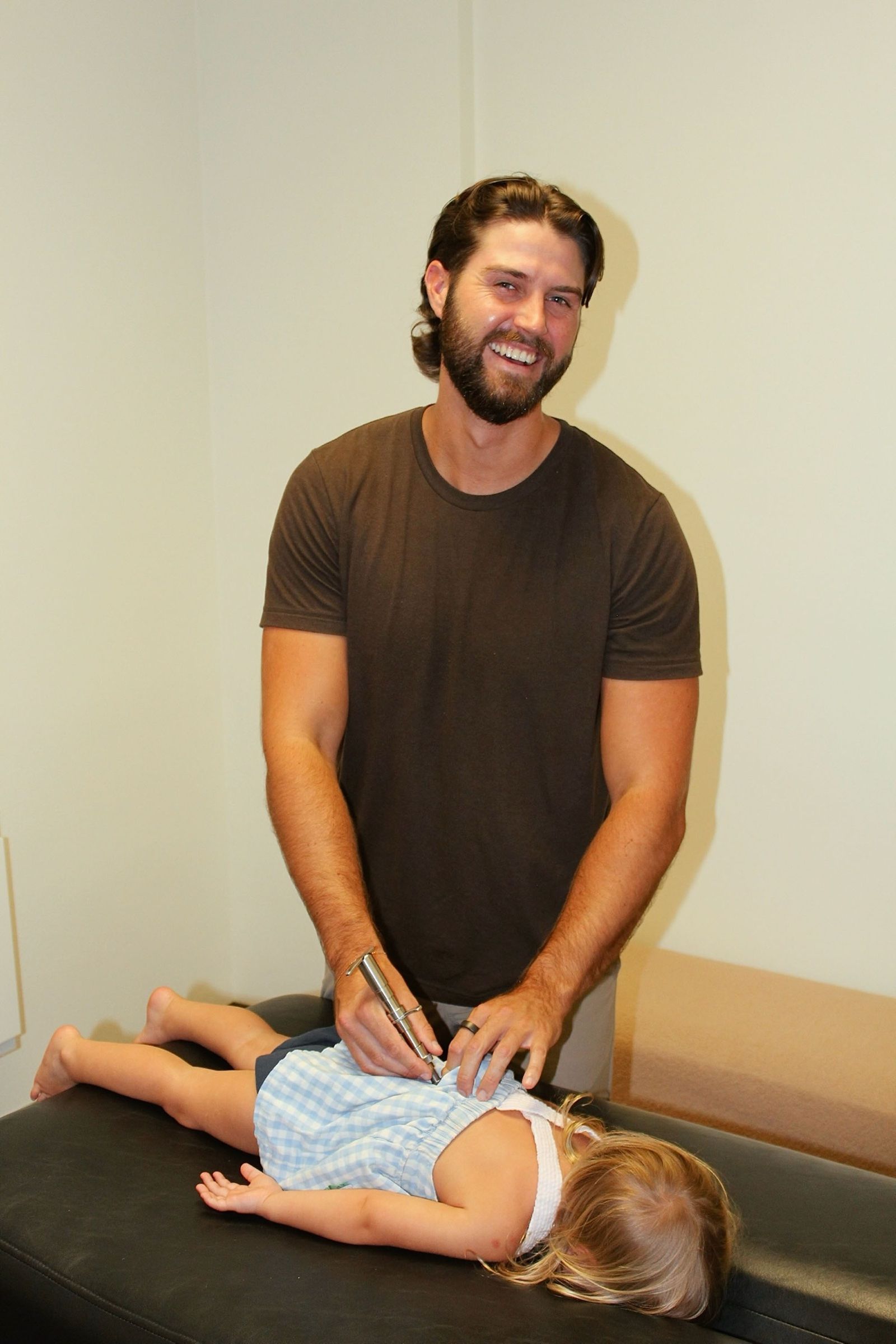
Precision over pressure — care that addresses the cause.
Keep Exploring
See patient case studies
Real Patient Stories
Real patients.
Documented, start to finish.
Ready to Address
the Root Cause?
Schedule a comprehensive exam and let's build a plan that actually works.
*Includes consultation, neurological exam, scans & x-rays (if needed)