

The Science
Muscles Kegels Can't Reach
Functional magnetic stimulation uses a focused electromagnetic field to trigger involuntary contractions in the deep pelvic floor muscles — the ones most people can't consciously activate.
How It Works
Electromagnetic Field → Motor Neurons → Contraction
You sit on a specialized chair with a magnetic coil built into the seat. The coil generates a focused electromagnetic field that penetrates through clothing and tissue to reach the motor neurons controlling your pelvic floor muscles.
When those neurons fire, the muscles contract — not a gentle squeeze, but a supramaximal contraction stronger than anything you could produce voluntarily. The device cycles through thousands of these contractions in a single session.
Where they land is the point. These are the deep stabilising muscles that sit too far below the surface for a voluntary squeeze to recruit — the same ones behind bladder control, core stability, and recovery after childbirth or prostate surgery. You can spend years remembering your kegels and never reach them.
Why Kegels Fall Short
The Problem With Doing It Yourself
Research consistently shows that most people doing kegels at home are doing them wrong — contracting the wrong muscles, holding their breath, or activating their glutes and abs instead of the actual pelvic floor.
Even when done correctly, voluntary kegels only activate the surface layer of pelvic floor muscles. The deeper stabilizers — the ones most responsible for continence, core stability, and sexual function — are notoriously hard to engage consciously.
Functional magnetic stimulation bypasses the conscious effort entirely. You don't have to think about it, you don't have to learn a technique, and you can't do it wrong. You just sit there.
Research & Safety
Clinical Evidence, Not Marketing
Functional magnetic stimulation has been studied extensively for urinary incontinence, pelvic floor dysfunction, and post-partum recovery. Published trials show measurable improvement in symptoms after a standard course of care — typically 6 – 8 sessions over a few weeks.
The technology is FDA-cleared and operates at intensity levels calibrated for therapeutic use. There are no needles, no probes, and no pharmaceuticals — just a magnetic field that turns on and off in rapid cycles.
As with any medical intervention, we screen every patient during their comprehensive exam to confirm pelvic floor therapy is the right fit. Pacemakers, metal implants in the care area, and pregnancy are contraindications we rule out before starting.
Hear It Explained
Dr. Logan on the Technology
Inside the care
FMS, explained simply.
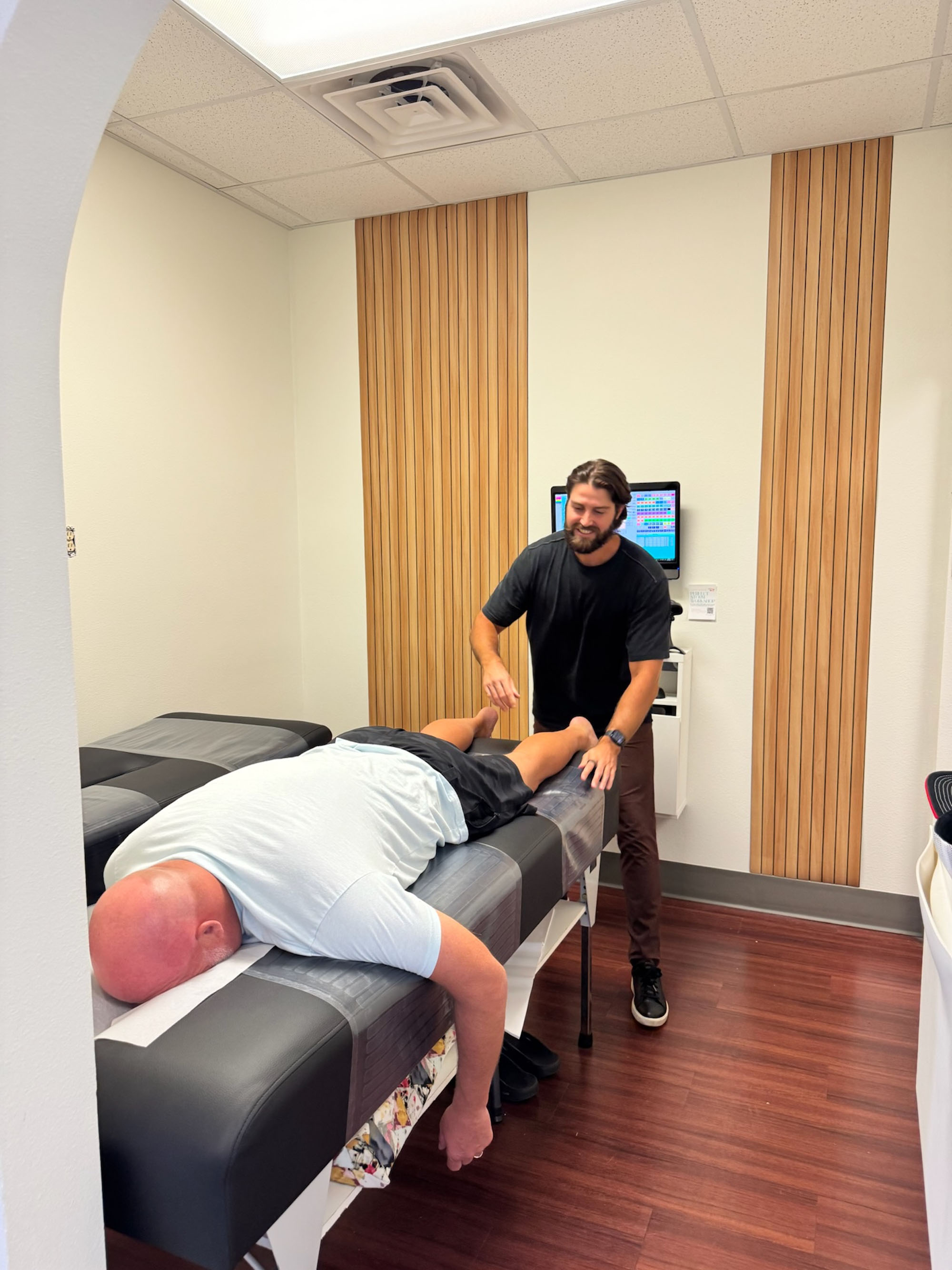
Torque Release Technique, every visit.
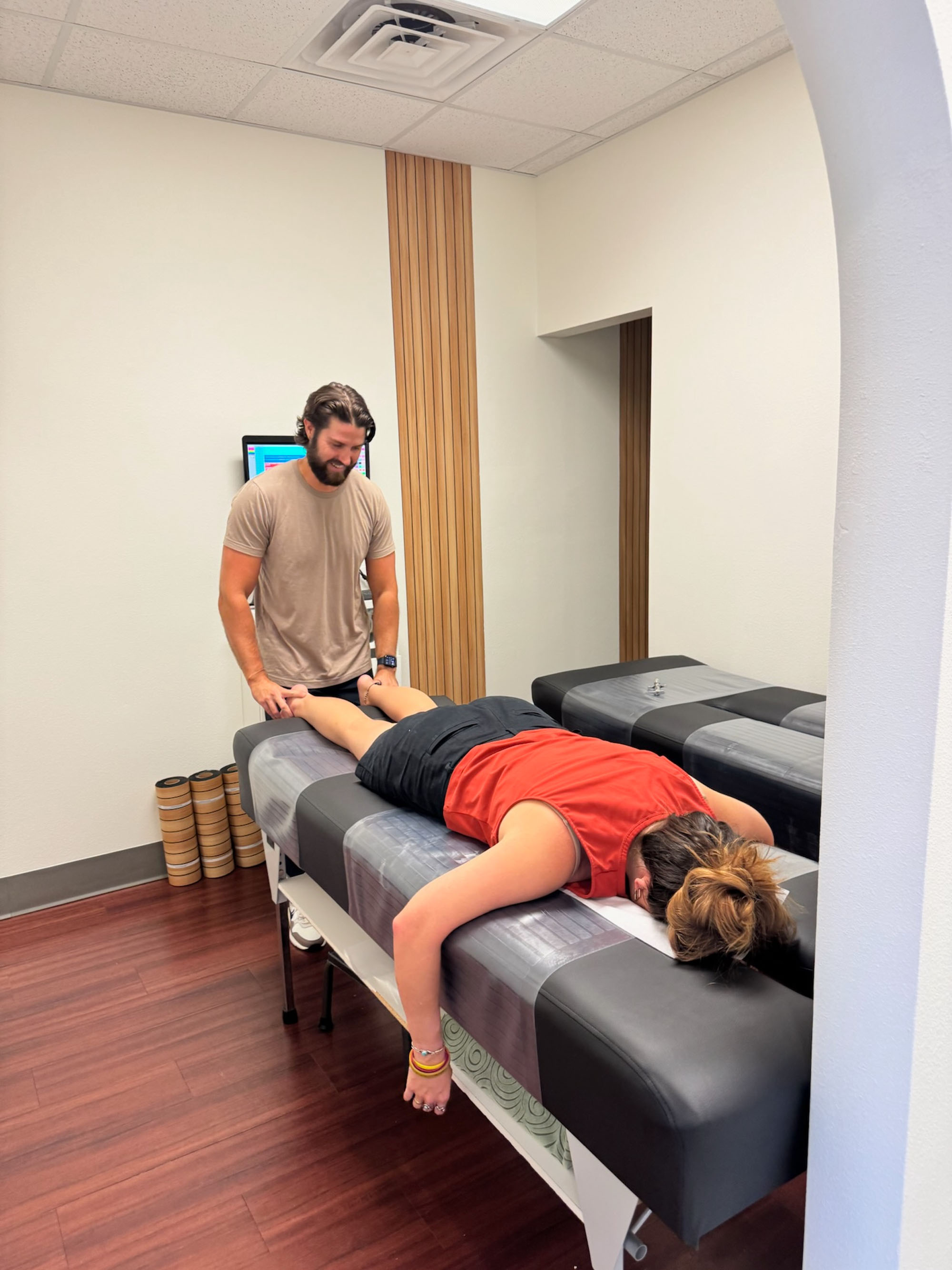
Precision over pressure.
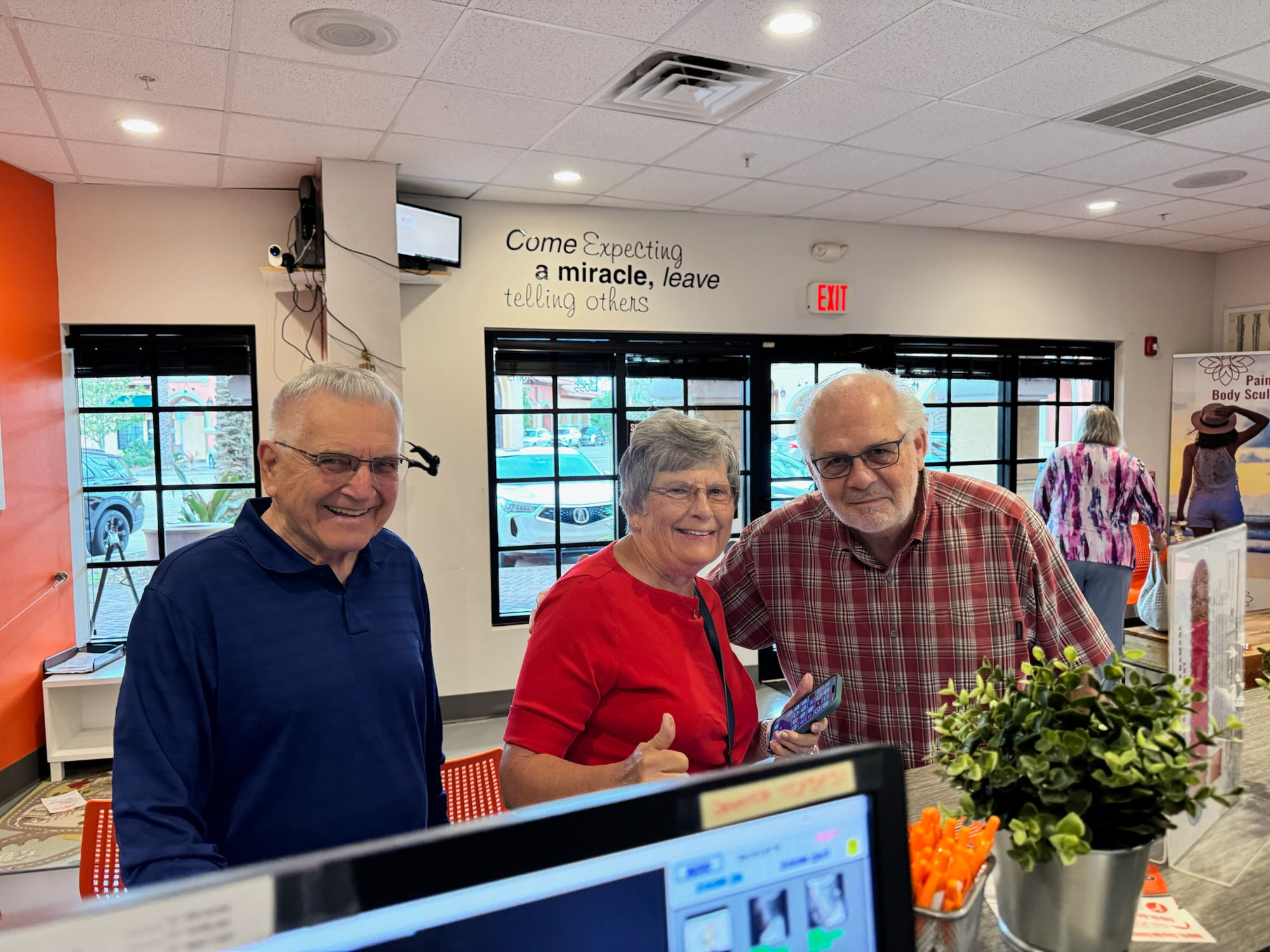
Seniors reclaiming mobility and confidence.

The hallway that's greeted 2,800+ patients.

We practice what we preach.
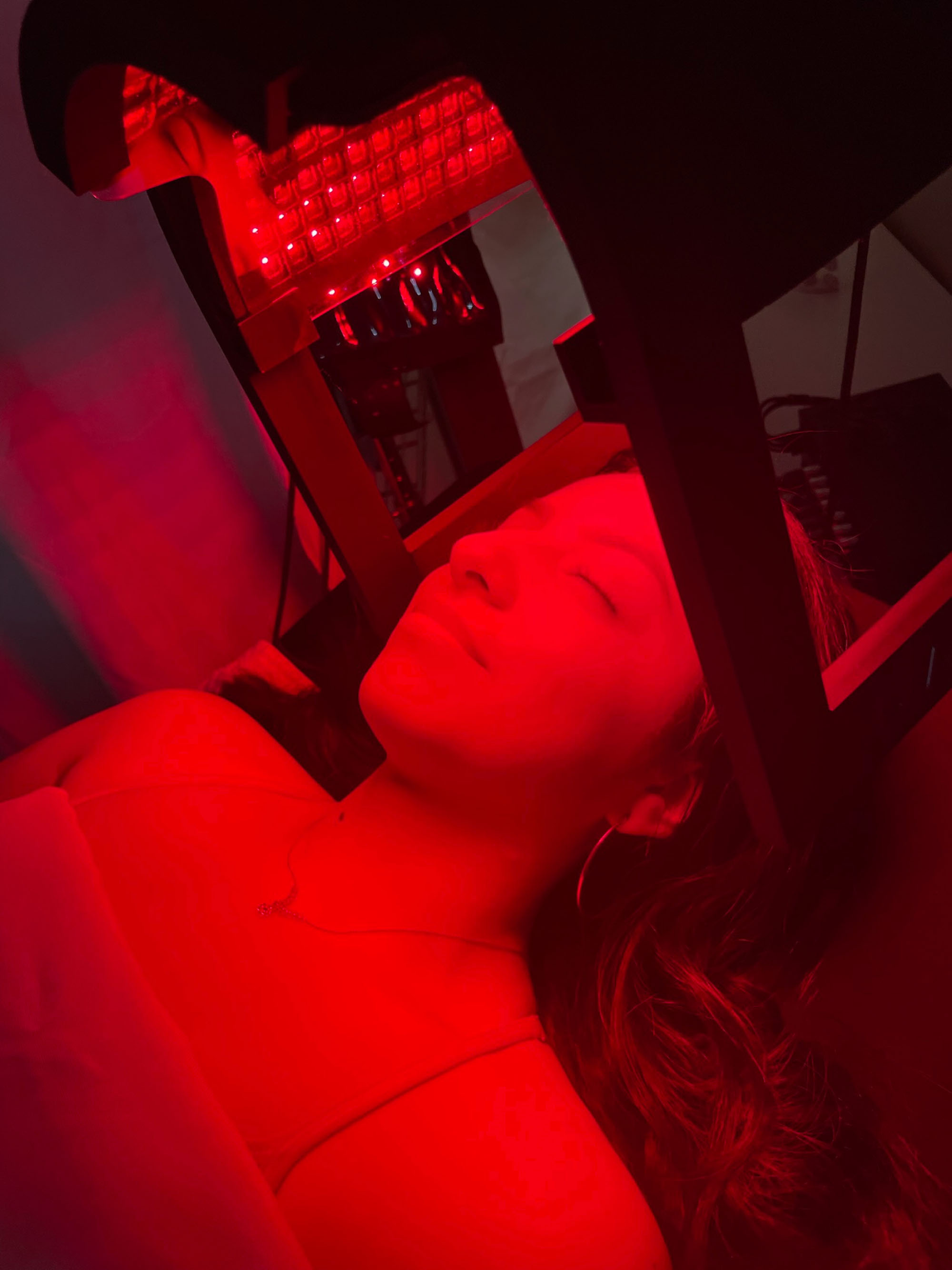
Red light therapy — mitochondrial recharge at cellular level.
Keep Exploring
Who it's for
See It in Person.
Schedule a comprehensive exam and we'll walk you through whether pelvic floor therapy fits your care plan.