

Who It's For
Not Just for New Moms
Pelvic floor weakness is one of the most underdiagnosed issues in adult health — affecting men, women, athletes, and seniors. Here's who benefits most.
Who Benefits
Six Groups That Respond Best
Postpartum Mothers
Pregnancy and delivery stretch and weaken the pelvic floor in ways that don't fully reverse on their own. FMS accelerates recovery without probes or embarrassment.
Common Signs
- Leaking with sneezes, coughs, or laughs
- Feeling of pressure or 'heaviness' below
- Diastasis recti or weak core
- Diminished sensation during intimacy
Women in Perimenopause & Beyond
Hormonal shifts and years of accumulated wear on pelvic tissues catch up to most women in their 40s and 50s. FMS rebuilds the muscles that estrogen used to support.
Common Signs
- Stress incontinence that started gradually
- Reduced bladder control as a 'new normal'
- Weakening of core stability
- Changes in intimate comfort or function

Men With Pelvic Floor Issues
Pelvic floor therapy for men is wildly underused — and wildly effective. Post-prostate recovery, chronic pelvic pain, and age-related weakness all respond.
Common Signs
- Post-prostate-surgery incontinence
- Chronic pelvic pain with no clear source
- Weakness in the core despite gym work
- Urinary urgency or frequency issues
Athletes & Active Adults
The pelvic floor is part of the core. A weak link there limits how much force you can transfer through your body — whether you're running, lifting, or playing pickleball.
Common Signs
- Leaking during jumps, lifts, or sprints
- Back pain that hasn't responded to core work
- Reduced power through the hips
- Unstable feeling under load
Seniors
Falls, bladder issues, and loss of core strength are often chalked up to 'just getting older.' Much of it responds to targeted pelvic floor work.
Common Signs
- Frequent trips to the bathroom
- Fear of leaking in public
- Balance and stability issues
- Loss of bladder control at night
Anyone Told 'Just Do Your Kegels'
If you've been told kegels would fix it and they haven't — it's not because you're failing. Most people can't engage the right muscles. FMS does it for you.
Common Signs
- Tried kegels, saw no change
- Uncertain if you're contracting the right muscles
- Prefer a hands-off approach
- Want measurable results, not homework
If You See Yourself Here, You're Not Alone
Pelvic floor issues affect an estimated 1 in 3 adults in some form — and most never bring it up with a doctor. The first step is just knowing that real, non-invasive solutions exist. The second is a comprehensive exam that takes the guesswork out of the decision.
Who we see
Post-partum moms.
Peri- and post-menopausal women. Men too.
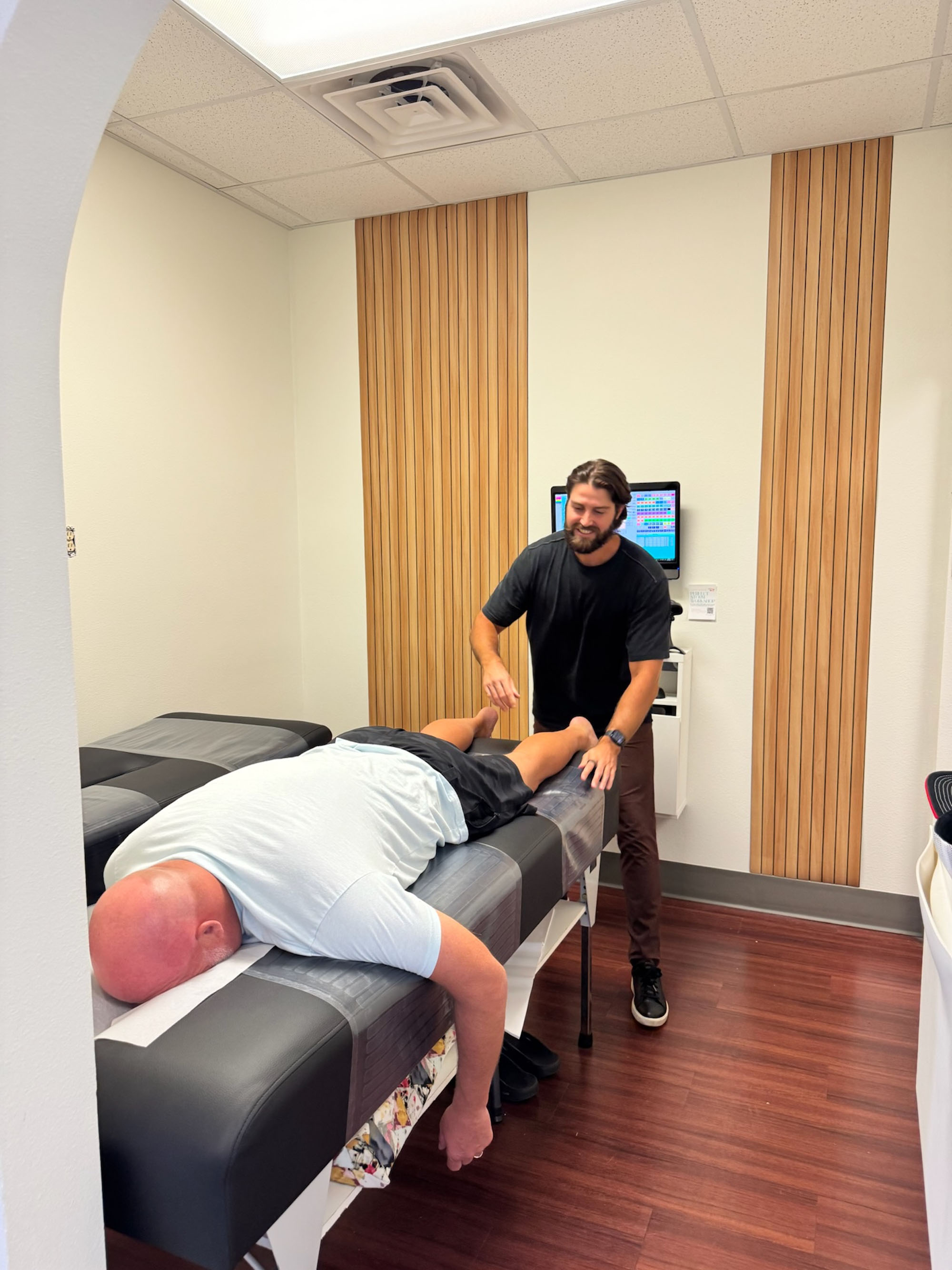
Torque Release Technique, every visit.
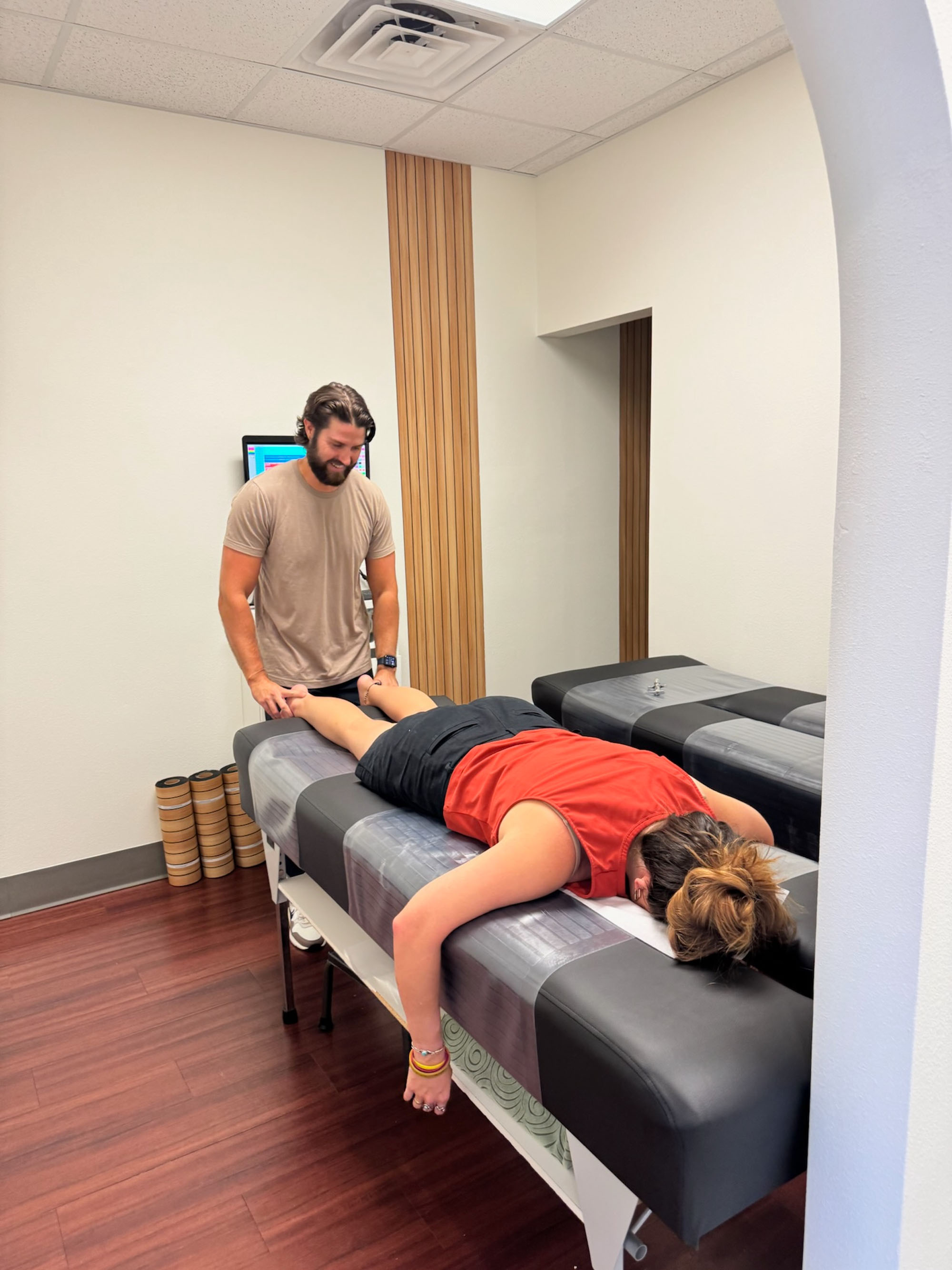
Precision over pressure.

Seniors reclaiming mobility and confidence.
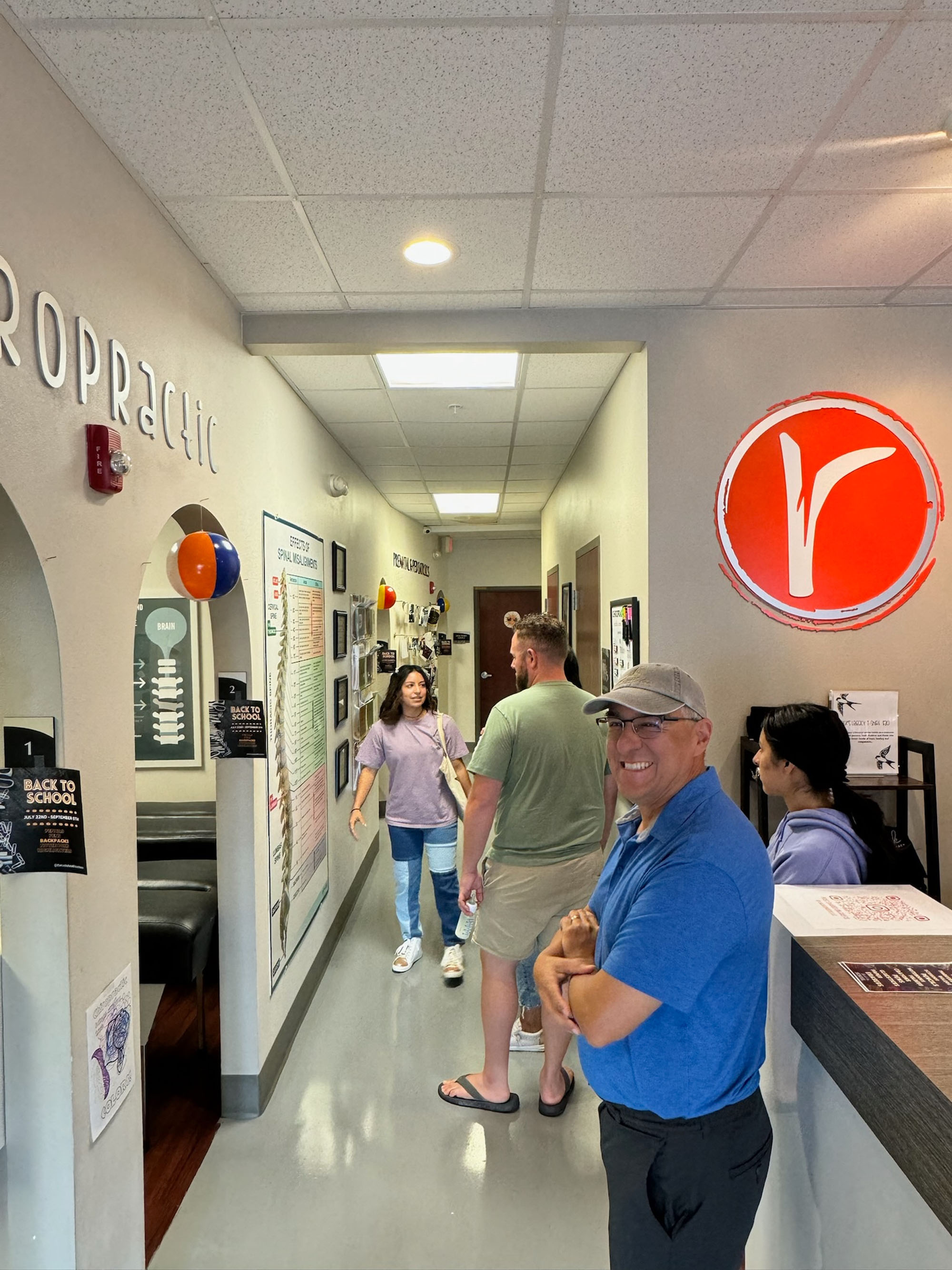
The hallway that's greeted 2,800+ patients.

We practice what we preach.
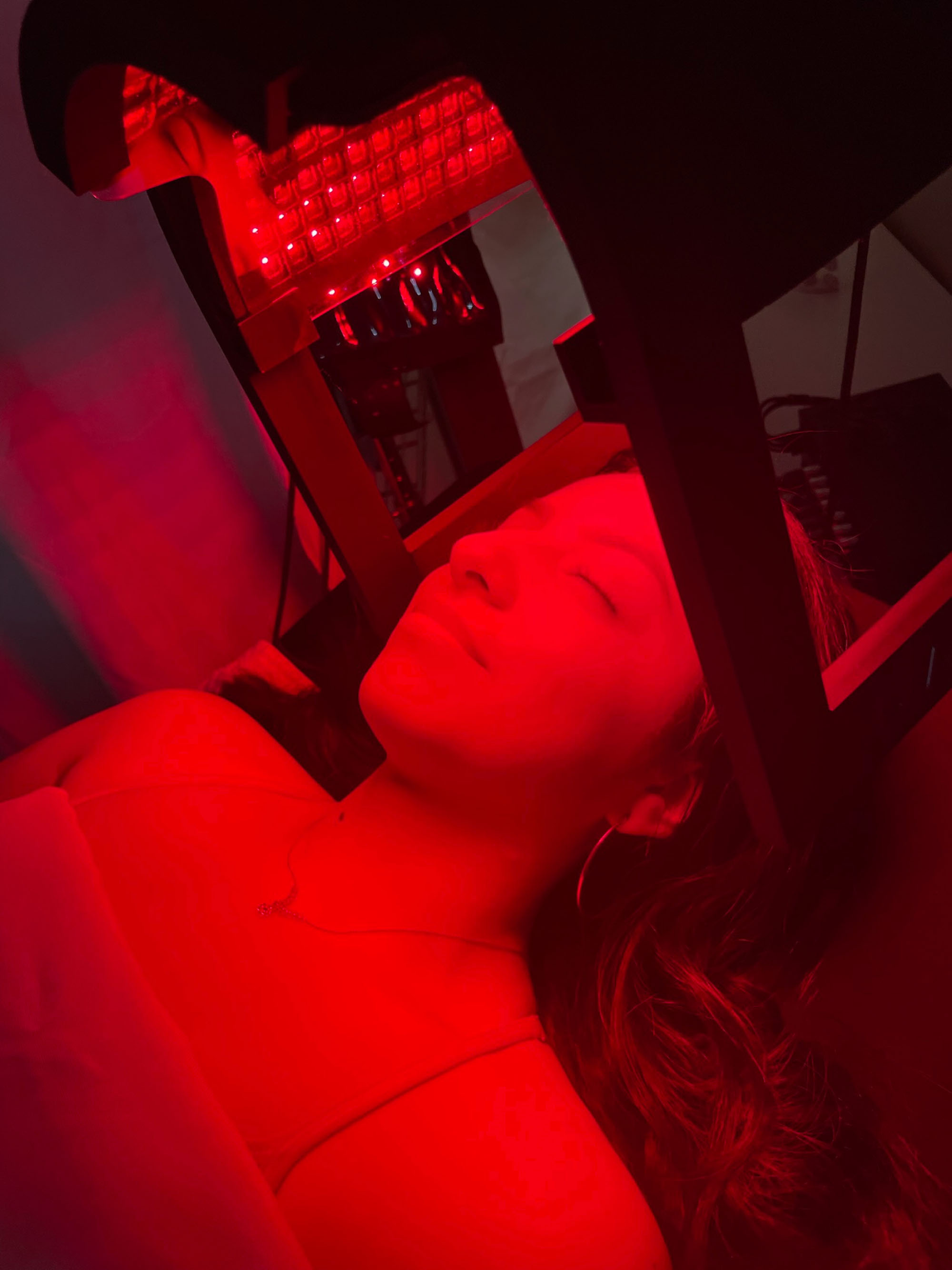
Red light therapy — mitochondrial recharge at cellular level.
Keep Exploring
What to expect
Start With a Private Conversation.
Your comprehensive exam is the first step. Dr. Logan will walk you through honestly whether pelvic floor therapy fits your situation.