

Symptom
Dizziness & Vertigo
Spinning, lightheadedness, or feeling off-balance
Spinning sensations, lightheadedness, or balance problems that can stem from upper cervical nervous system stress.
By Dr. Logan Swaim · Last updated August 12, 2026
Get help with Dizziness & Vertigo
Three quick questions — we'll call you within 24 business hours.
About Dizziness & Vertigo
Dizziness and vertigo aren't the same thing, even though people often use the words interchangeably. Vertigo is the specific sensation that you or the room is spinning. Dizziness is broader — lightheadedness, unsteadiness, woozy feelings. Both involve the body's balance system, which depends on the inner ear, the eyes, and the joint receptors in the upper cervical spine all working together.
When the upper cervical region (C1-C3) gets restricted or misaligned, it disrupts the proprioceptive information your brain uses to know where your head is in space. That mismatch is one of the most common drivers of cervicogenic dizziness — and one of the most overlooked, because conventional workups focus on the inner ear.
Our team starts with a neurological evaluation that tests cervical proprioception alongside balance. From there, gentle upper-cervical chiropractic care often makes a meaningful difference. We also coordinate with your physician when an inner-ear cause (BPPV, vestibular neuritis) needs to be ruled out.
The Nervous System Map
What this can be connected to
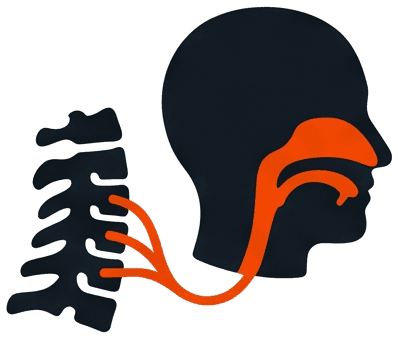
Per traditional chiropractic philosophy plus the patterns we see clinically, dizziness & vertigo is often associated with these regions or systems. Click any to read more.
Spinal regions


When To Seek Medical Care
Talk to your doctor first if…
Sudden severe dizziness with slurred speech, weakness, or facial droop — go to the ER. Dizziness with hearing loss should be evaluated by an ENT. Otherwise persistent dizziness deserves a thorough workup.
From Our Doctors
Hear it from the team
“Dr. Logan Swaim — Gentle Chiropractic no Cracking”
More from the team
Related Reading
Articles about dizziness & vertigo
Migraine vs. Tension Headache: How to Tell the Difference (and What Helps)
Migraines and tension headaches can feel similar but come from different mechanisms — and respond to different approaches. Here's how to tell them apart.
Read articleTech Neck: The Modern Posture Epidemic Nobody's Talking About
If you spend hours a day looking at a phone or screen, your spine is paying the price. Here's what tech neck does to your body — and how to undo it.
Read articleWhat Is a Chiropractic Neurological Evaluation? How We Measure Your Nervous System
A chiropractic neurological evaluation uses surface EMG, thermal scanning, and heart rate variability to show how your nervous system is actually functioning — not just where it hurts. Here is what each measurement means and why it matters for your care.
Read articleWho You'll See
Doctors who see this every week
The Roots Health Centers is led by the same doctors at every visit — no rotating providers. Care starts with a full neurological evaluation, and a doctor walks you through what it found before anything else is recommended.



Inside the clinic
Where the work happens.

Dr. Laura in the office.
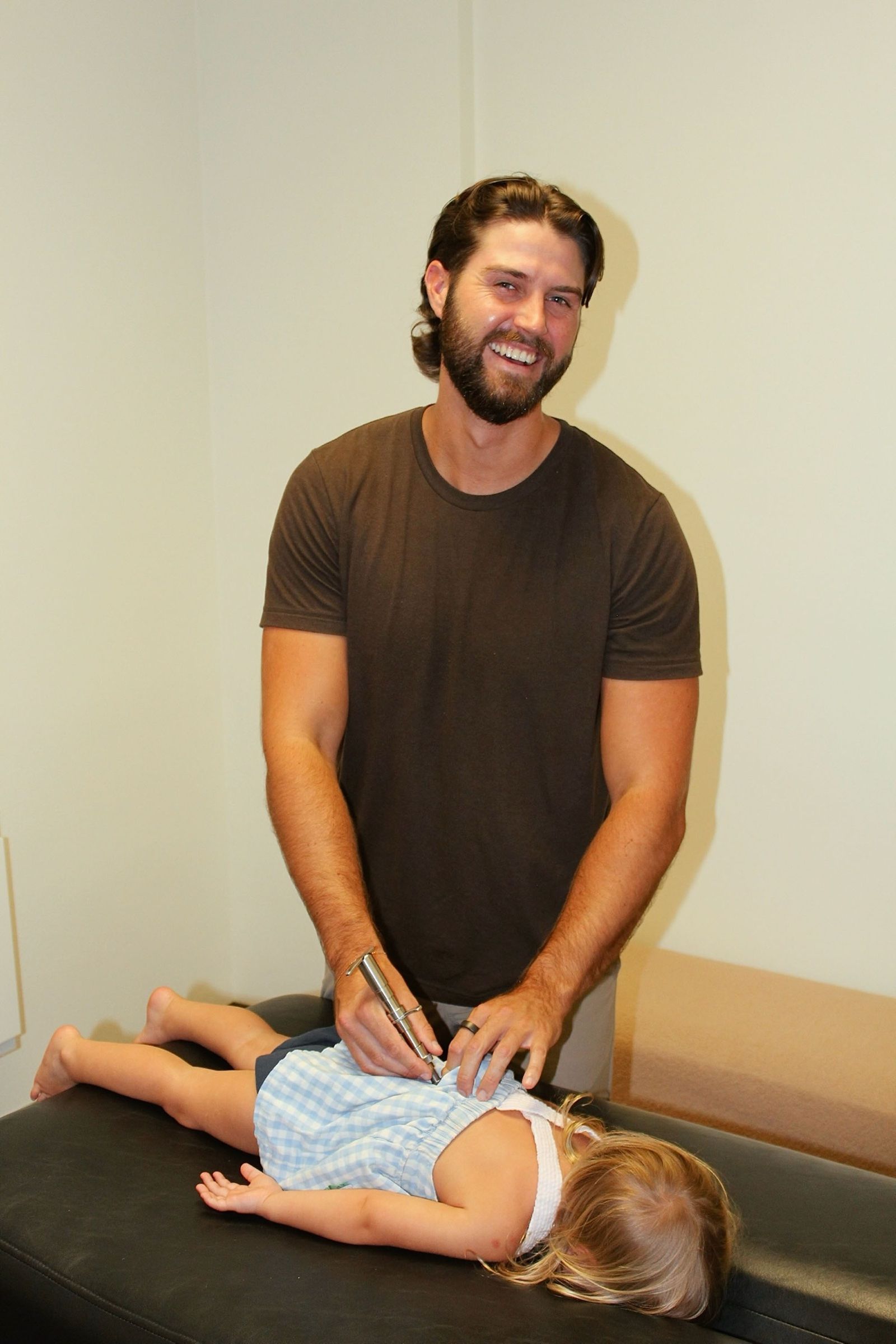
Precision over pressure — care that addresses the cause.
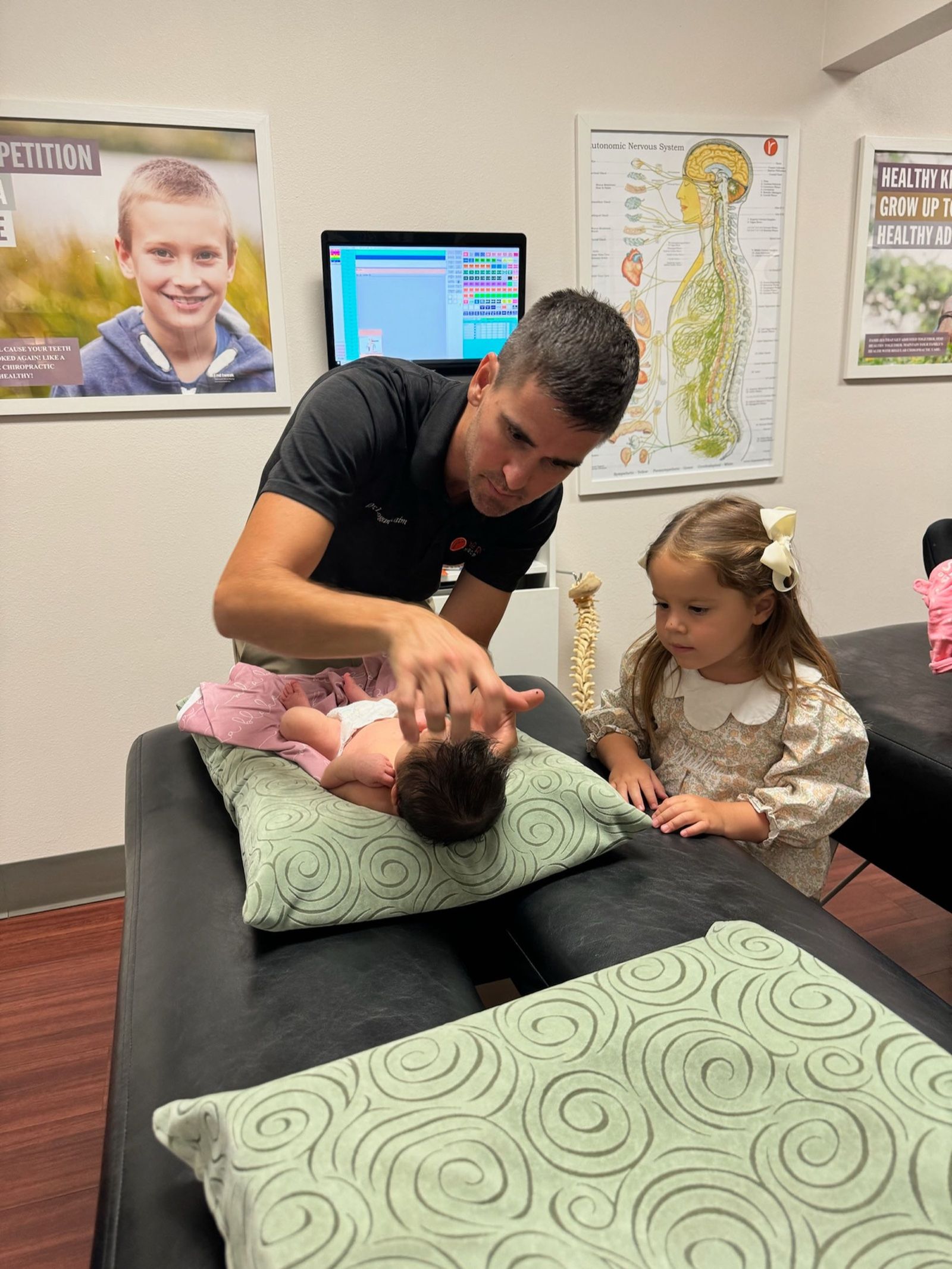
Dr. Logan in the office.
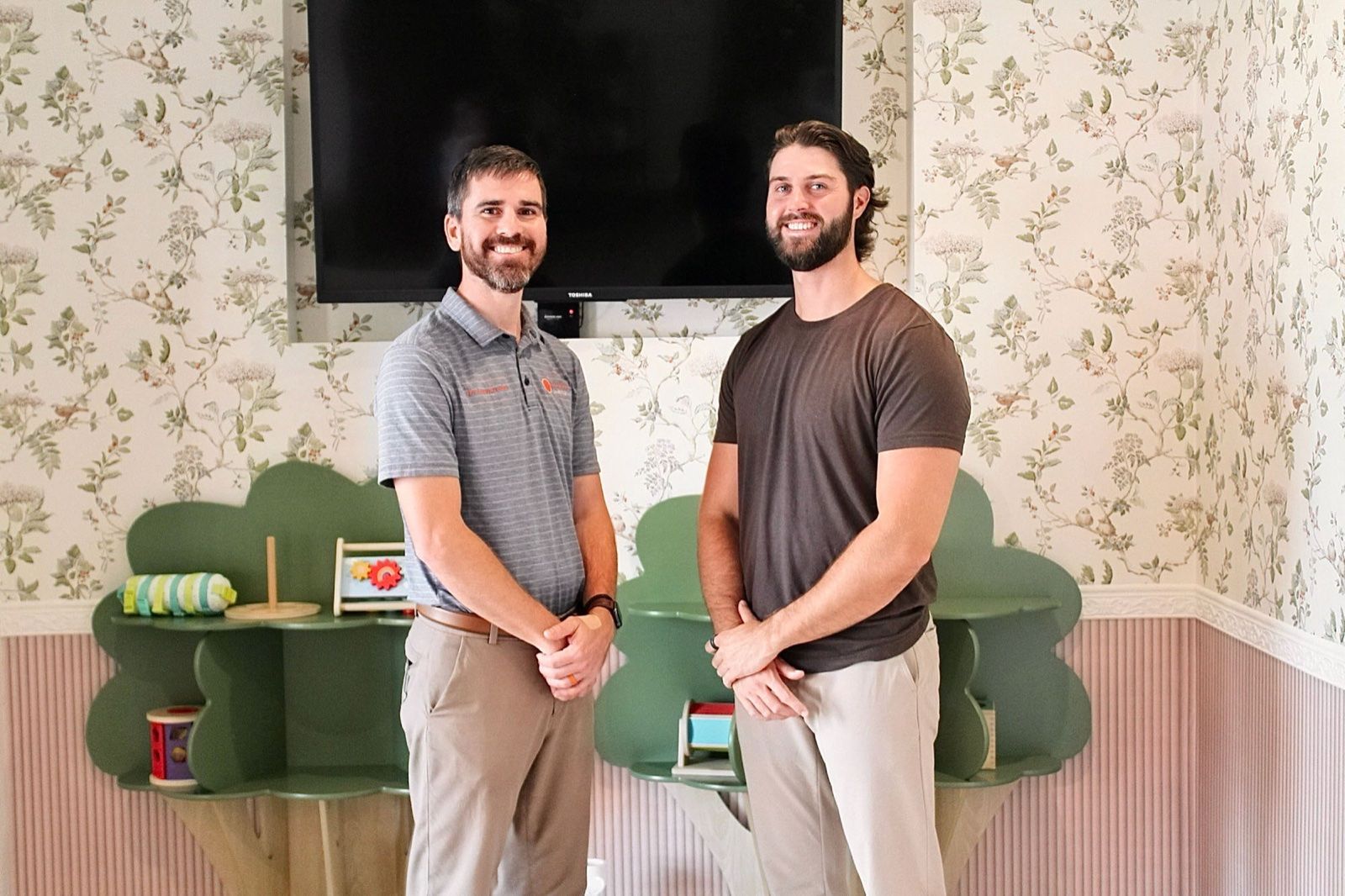
Dr. Fox at work.
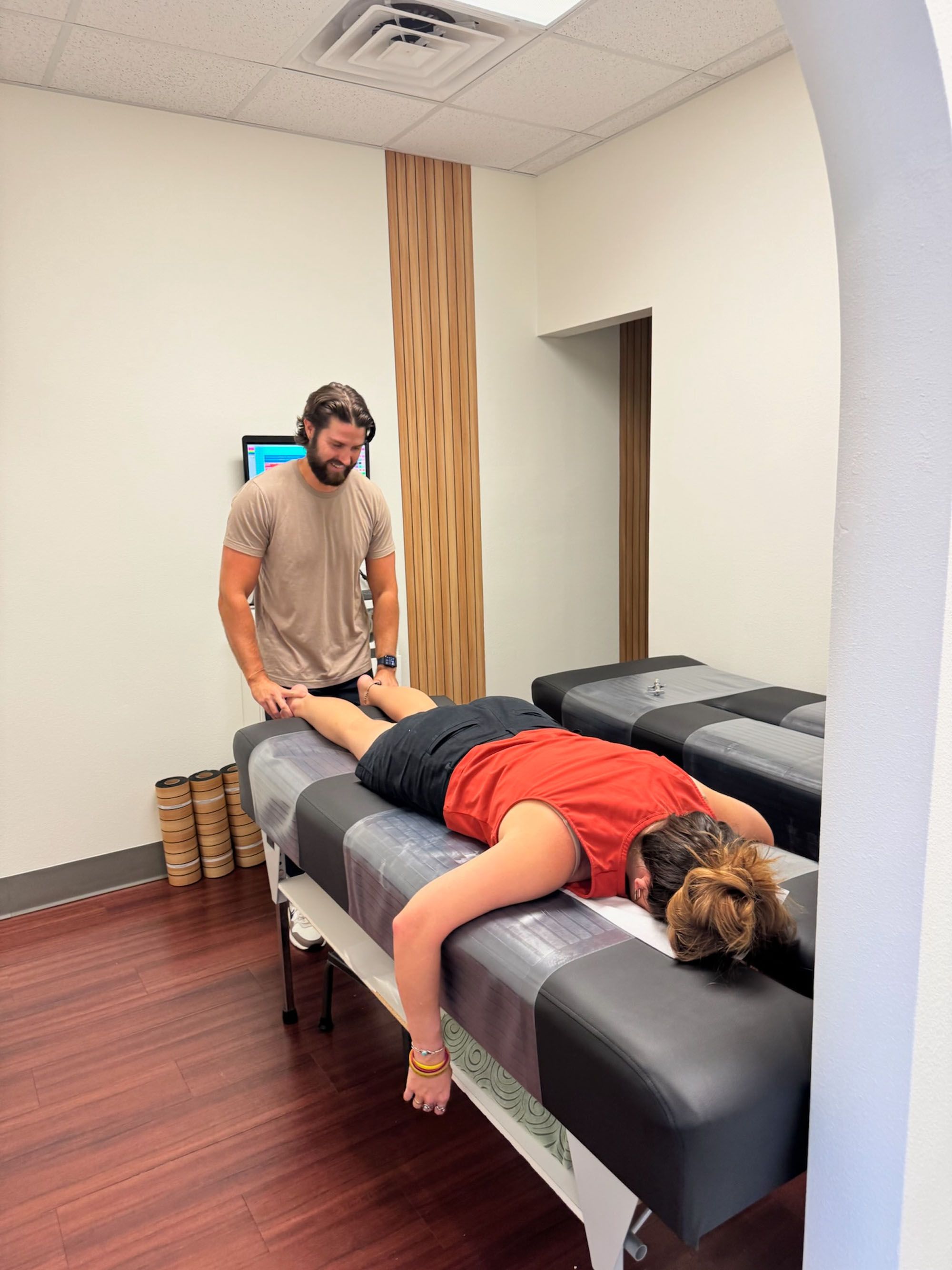
Precision over pressure.

Carly — patient care that feels like family.
Keep Exploring
Meet the team
This page is educational, not medical advice. Always consult your medical doctor for serious health concerns; chiropractic care complements but doesn't replace primary medical care.
Want a personalized look at your nervous system?
Start with a complimentary consultation. We use a neurological evaluation to map what's going on — no commitment, no cost.