

Symptom
Tingling in Legs or Feet
Pins-and-needles, often nerve-driven
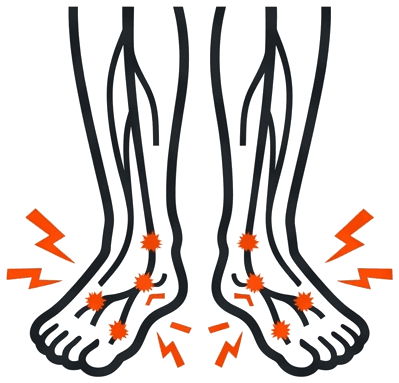
Tingling or pins-and-needles sensations in the legs, feet, or toes. Frequently associated with peripheral neuropathy, sciatica, or lumbar nerve involvement.
By Dr. Logan Swaim · Last updated August 12, 2026
Get help with Tingling in Legs or Feet
Three quick questions — we'll call you within 24 business hours.
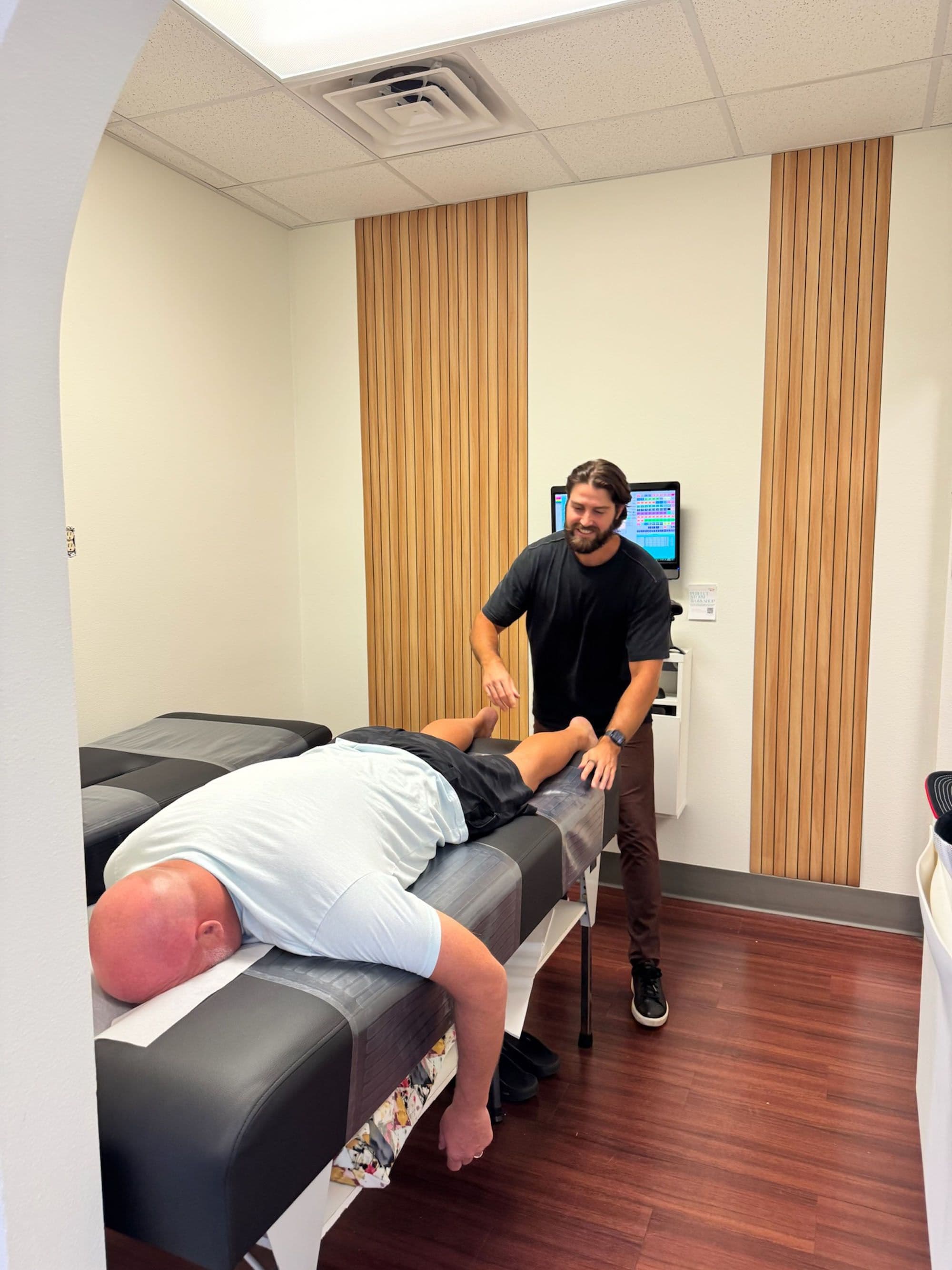
About Tingling in Legs or Feet
Tingling in the legs, feet, or toes, that pins-and-needles or buzzing sensation, is usually a sign that a nerve along the pathway is irritated rather than simply quiet. When a nerve is muted you get numbness, but when it is misfiring you get tingling, which is why this symptom often shows up early, before numbness or weakness, and works as a useful warning sign if you pay attention to it. The nerves involved run from the lower back all the way down into the feet, so the irritation can start anywhere along that route.
Where and how the tingling shows up tells us a lot. Tingling that runs down the back of one leg into the foot is a classic sciatic pattern, often tied to a lumbar nerve being compressed. Tingling that is symmetrical across both feet, gradual, and worse at night is a presentation commonly associated with peripheral neuropathy. It frequently appears alongside diabetes, age-related changes, a previous back injury, or long periods of sitting and inactivity.
Our approach is to map the nervous system first. A thorough neurological evaluation helps us trace where the signal is breaking down, whether the nerve is being compressed along the spine, irritated in the small nerve endings of the feet, or both. From there we build a personalized care plan focused on supporting nervous-system regulation and addressing the root of the irritation, coordinated with any medical care your situation requires.
Where We See This
Common contexts in our office
- Often the first symptom to appear before numbness or weakness sets in
- Frequently follows the path of sciatica down the back of one leg into the foot
- Commonly symmetrical across both feet in peripheral neuropathy, and worse at night
- Often linked to diabetes, a prior back injury, or long periods of sitting
The Nervous System Map
What this can be connected to
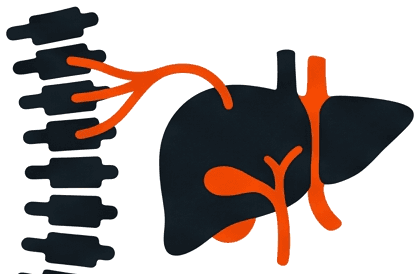
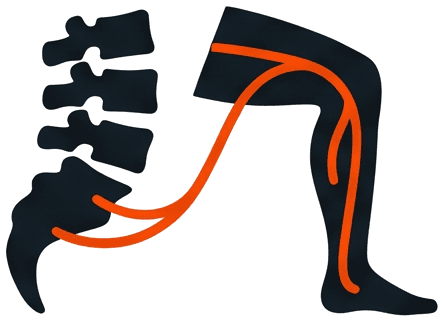
Per traditional chiropractic philosophy plus the patterns we see clinically, tingling in legs or feet is often associated with these regions or systems. Click any to read more.
When To Seek Medical Care
Talk to your doctor first if…
If tingling in the legs or feet comes on suddenly, affects both legs at once, or is paired with leg weakness, trouble walking, or any change in bowel or bladder control, go to the ER, as those patterns can signal serious nerve compression that needs urgent care. Tingling that appears with severe back pain after a fall or injury, or that comes with slurred speech or facial droop, also warrants emergency evaluation rather than waiting.
From Our Doctors
Hear it from the team
Dr. Logan Swaim — Red Light Therapy Overview”

Common Questions
About tingling in legs or feet
Related Reading
Articles about tingling in legs or feet
5 Early Warning Signs of Peripheral Neuropathy
Don't ignore these symptoms — early detection gives you the best chance of slowing or even reversing nerve damage.
Read articleNeuropathy vs. Sciatica: How to Tell the Difference
Both cause leg pain — but the underlying causes and treatments are completely different. Here's how to know which you're dealing with.
Read articleWho You'll See
Doctors who see this every week
The Roots Health Centers is led by the same doctors at every visit — no rotating providers. Care starts with a full neurological evaluation, and a doctor walks you through what it found before anything else is recommended.



Inside the clinic
Where the work happens.
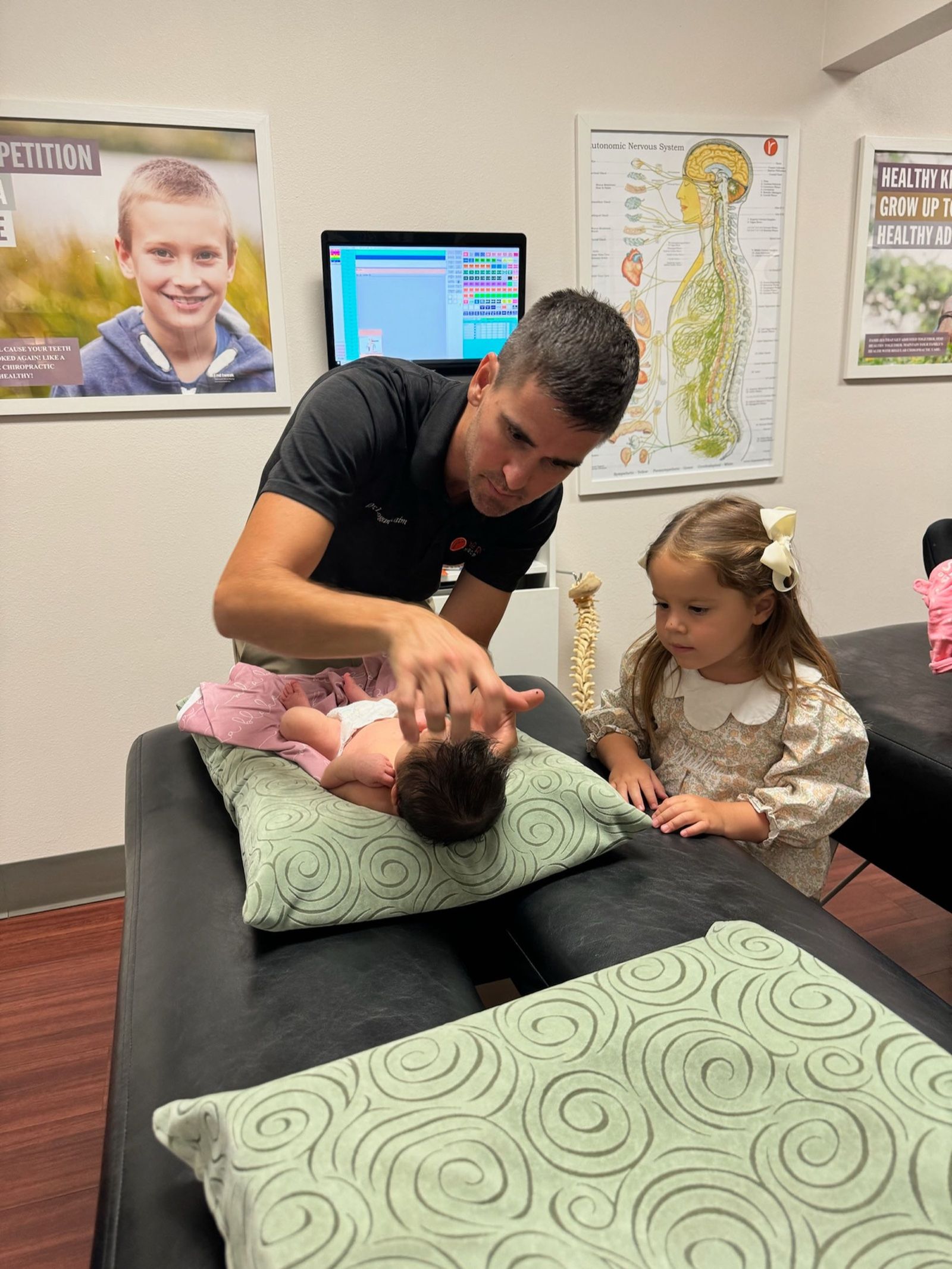
Dr. Logan in the office.

Carly — patient care that feels like family.

Dr. Fox at work.
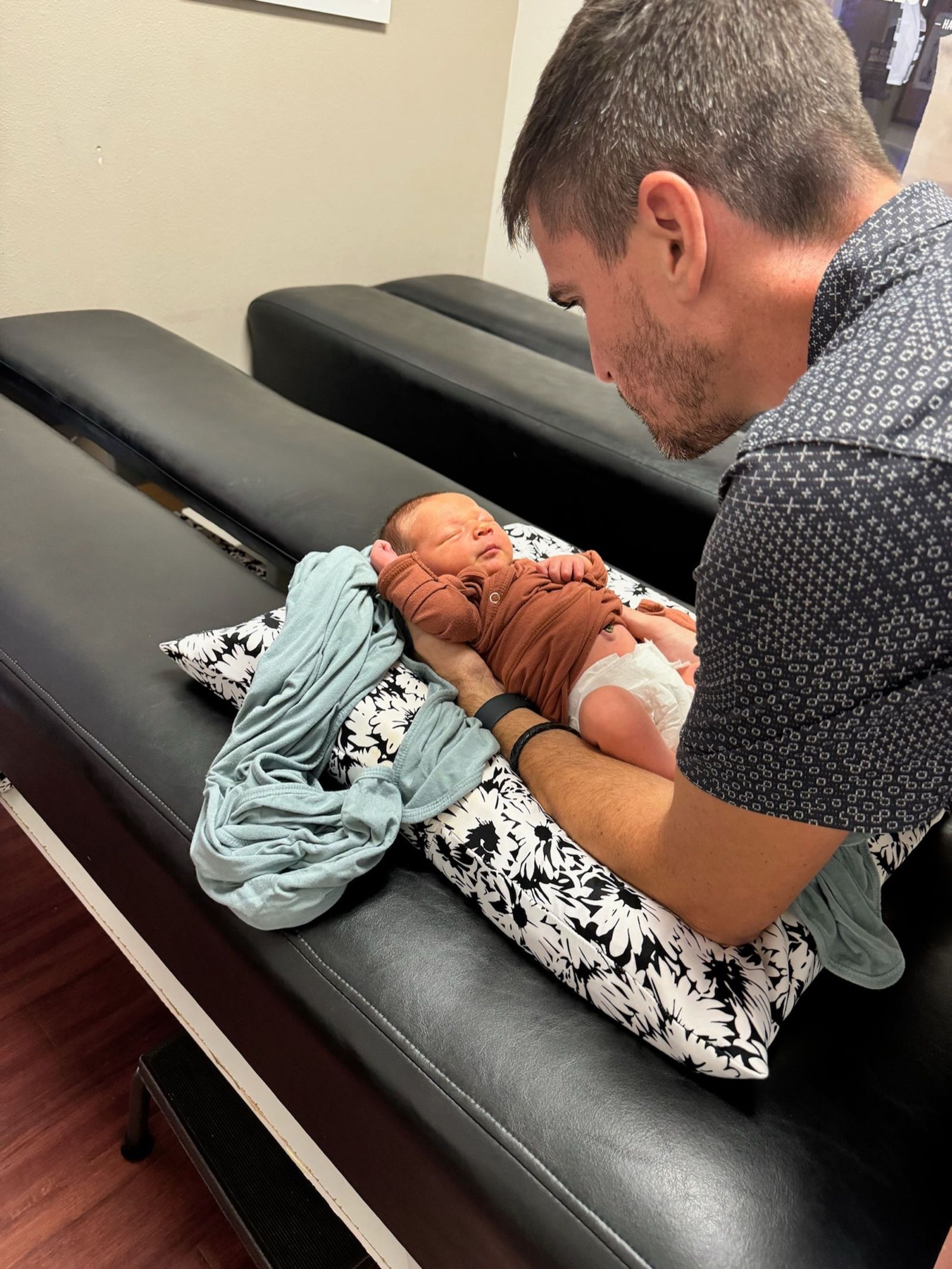
Dr. Logan in the office.
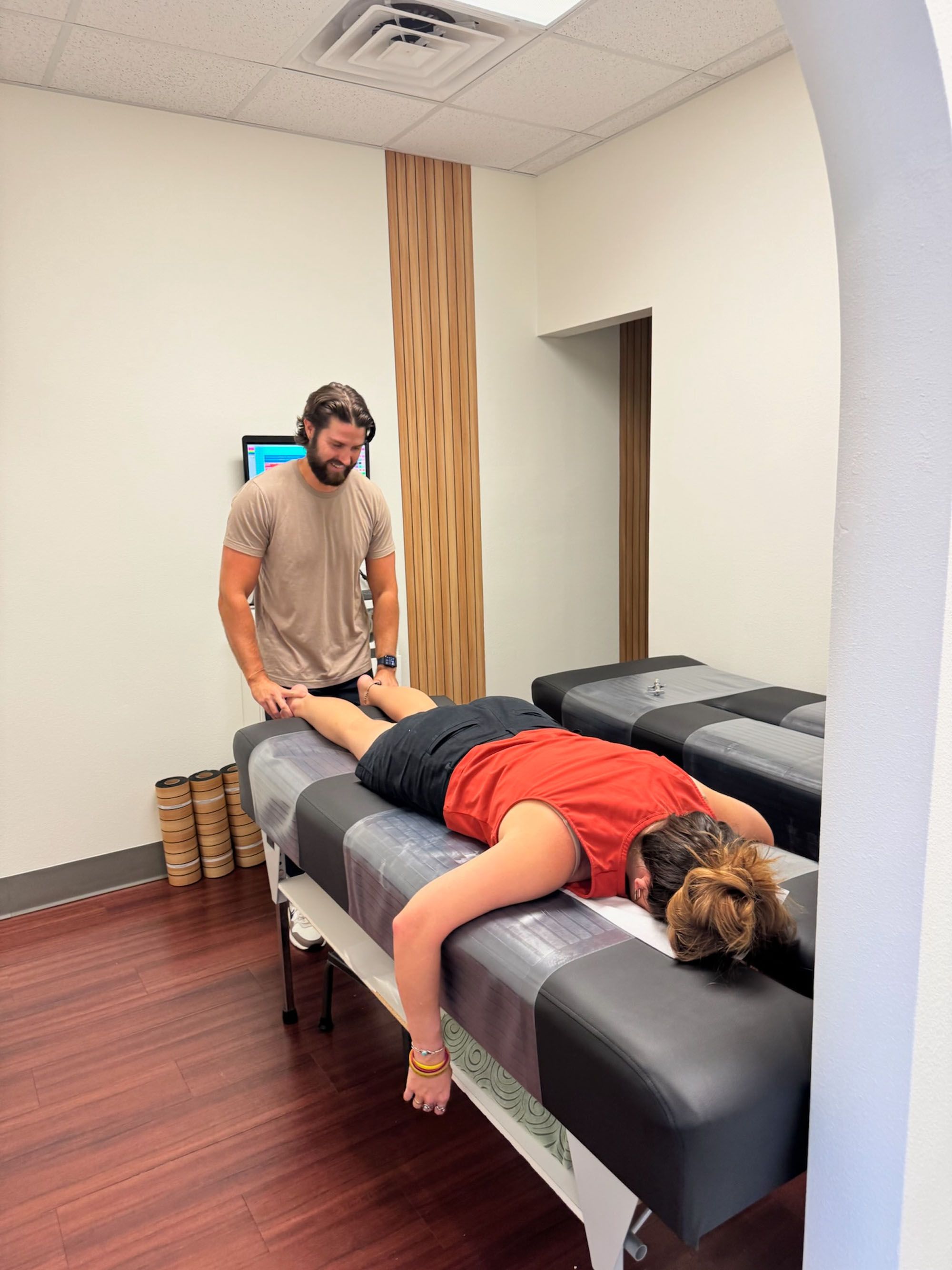
Precision over pressure.

Precision over pressure — care that addresses the cause.
Keep Exploring
Meet the team
This page is educational, not medical advice. Always consult your medical doctor for serious health concerns; chiropractic care complements but doesn't replace primary medical care.
Want a personalized look at your nervous system?
Start with a complimentary consultation. We use a neurological evaluation to map what's going on — no commitment, no cost.