
Chiropractic Care After a Fall: What to Check For

If you've had a fall — down a few stairs, off a ladder, tripping on an uneven sidewalk, or losing your footing on the pickleball court — you're probably searching "chiropractor after a fall" because something feels off and you're not sure how serious it is. The short answer: once anything urgent has been ruled out, most falls that didn't involve a head injury, loss of consciousness, or an obvious fracture are worth having evaluated, because catching a spinal or joint issue early can keep it from turning into a longer-term problem. Here's how to tell what needs immediate medical attention, what's likely a soft-tissue strain, and why a chiropractic evaluation is worth considering even when nothing feels "broken."
When a Fall Needs Immediate Medical Attention
Some signs mean you should go to an emergency room or urgent care before anything else: loss of consciousness, even briefly; confusion or a severe headache after hitting your head; a visible deformity or inability to bear weight on a limb; numbness, tingling, or weakness that spreads or worsens; chest pain or trouble breathing; and any bleeding that won't stop. None of these are things to wait out or work around. Once you've been cleared of anything urgent, that's when it makes sense to think about what a fall may have done to your spine and joints — and that's where the rest of this guide picks up.
What Actually Happens to Your Spine and Joints in a Fall
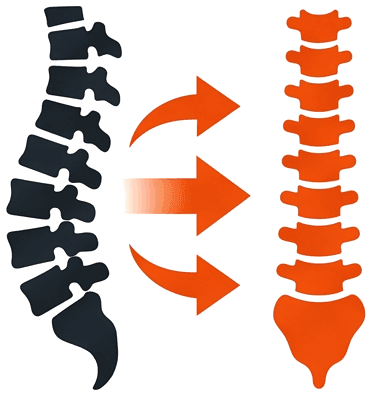
A fall sends sudden compressive and shear forces through your body on impact, often in a direction your joints don't move through during everyday activity. In the moment, adrenaline and a protective muscle-guarding reflex can mask how much impact your body actually absorbed — which is part of why people sometimes feel "fine" right after a fall, only to notice stiffness, restricted movement, or soreness building over the following day or two. That delayed pattern is common, and it's one of the reasons an evaluation soon after a fall is more useful than waiting to see how you feel a week later.
Common Areas Affected After a Fall
Where a fall affects you most depends on how you landed, but a few patterns show up often. Landing on your tailbone or twisting to catch yourself can leave back pain that's stiff in the morning and loosens (or worsens) through the day. A fall onto your shoulder or an outstretched arm can jolt the neck even when the neck itself never made contact, because the head snaps to absorb the sudden change in momentum. And landing hard on your side or hip — a very common pattern in a slip or a fall down stairs — can leave hip pain that's easy to dismiss as a bruise until it's still bothering you weeks later. Any of these can show up on their own or together, and the pattern of what hurts (and when) is part of what an evaluation is built to sort out.
Sprain, Strain, or Something More?
Bruising and swelling that peak in the first day or two and then gradually improve are typical of a soft-tissue strain or sprain. Signs that point toward something that needs imaging first include a joint that looks visibly out of place, swelling that keeps increasing rather than leveling off, pain sharp enough that you can't put weight on the area at all, or a specific point of bone tenderness rather than a general achy area. When any of those are present, necessary X-rays are part of a proper evaluation — not an add-on, but a standard part of finding out what's actually going on before any care plan is built.
Why It's Worth an Evaluation, Even If Nothing Feels "Broken"
The absence of a fracture doesn't mean the fall didn't affect you. A joint can lose some of its normal range of motion after an impact without ever showing up on an X-ray, and your body often compensates for that restriction by shifting how you move — favoring one side, changing your gait, or holding tension somewhere else to avoid the area that got jarred. Left alone, that compensation pattern is what tends to turn a one-time fall into weeks of nagging stiffness or pain that seems to have no clear cause. An evaluation soon after a fall is aimed at catching that pattern early, while it's still a simple restriction rather than a habit your body has built around it.
What to Expect at a Consultation at The Roots
A visit starts with a consultation and a full neurological evaluation to understand how the fall actually affected your spine, joints, and nervous system, with any necessary X-rays when they're clinically indicated. From there, our chiropractic care uses the Torque Release Technique — a gentle, low-force adjustment approach — to help address the restrictions the evaluation identifies. Each person's fall, and each person's body, is different, so the doctors' recommendations are built around what your evaluation actually shows rather than a one-size-fits-all plan.
Fall Prevention for Active Adults in Lakewood Ranch
Falls aren't just a concern for older adults — anyone active on a pickleball court, a golf course, or the trails around Lakewood Ranch and Nathan Benderson Park is working against uneven ground, quick direction changes, and fatigue late in a match or a round. Supporting your balance and joint mobility on an ongoing basis, wearing footwear suited to the surface you're on, and addressing stiffness before it changes how you move are all reasonable ways to lower your odds of a fall in the first place — alongside simply paying attention when the court or the trail gets uneven.
Frequently Asked Questions
How soon after a fall should I see a chiropractor? Once anything urgent has been ruled out, sooner is generally better. Catching a joint restriction soon after it happens tends to be more straightforward than waiting for weeks of compensation and stiffness to build around it.
What if I feel fine right after my fall? Feeling fine in the moment is common — adrenaline and muscle guarding can mask how much impact your body absorbed. Soreness and stiffness often show up over the following day or two, which is one reason an evaluation soon after is worth considering even without immediate pain.
Do I need X-rays after every fall? Not every fall needs imaging, but necessary X-rays are part of the evaluation whenever there are signs that warrant a closer look, like a specific point of bone tenderness or inability to bear weight. Your evaluation will determine what's actually needed.
Can a chiropractic adjustment make a fall injury worse? An evaluation comes first for exactly this reason — understanding what's actually going on before any care begins. Our approach uses the gentle, low-force Torque Release Technique, and the doctors' recommendations are based on what your individual evaluation shows.
What if my pain doesn't show up until days after the fall? Delayed soreness is a well-known pattern after a fall. If discomfort develops days later, it's still worth having evaluated rather than waiting to see if it resolves on its own.
If a recent fall has you dealing with stiffness, soreness, or a nagging ache that isn't going away on its own, book a complimentary consultation at The Roots Health Centers in Lakewood Ranch. Meet the team, tour the clinic, and get honest answers about what's going on — no commitment to start care.
The Roots Health Centers, 8209 Natures Way, Unit 115, Lakewood Ranch, FL 34202. (941) 877-1507.
Conditions We Treat
Back Pain
Corrective chiropractic care that addresses the structural root cause of back pain — not just masking symptoms with medication.

Neck Pain
Precise cervical adjustments and decompression that restore alignment, reduce nerve pressure, and eliminate chronic neck pain at its source.
Hip Pain
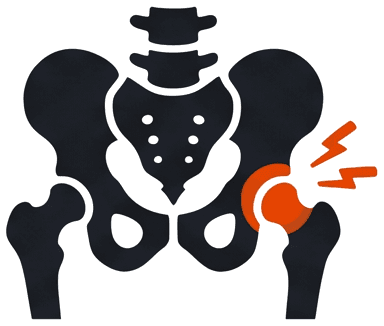
Hip pain can start in the joint itself — or in the SI joint, the lower back, a tilted pelvis, or the muscles that cross the hip. Because those sources feel remarkably similar, finding the right one comes before any adjustment.