

Condition
Hip Pain
The pain is in your hip. The problem often isn't.
Hip pain can start in the joint itself — or in the SI joint, the lower back, a tilted pelvis, or the muscles that cross the hip. Because those sources feel remarkably similar, finding the right one comes before any adjustment.
By Dr. Logan Swaim · Last updated July 17, 2026
Get help with Hip Pain
Three quick questions — we'll call you within 24 business hours.
Understanding Hip Pain
What It Is & Why It Happens
Few complaints have as many look-alike sources as hip pain. The hip joint itself can wear and stiffen. The sacroiliac (SI) joint — where your spine meets your pelvis — can lock up or become inflamed. Nerves in the lower back can refer pain into the hip and buttock. The piriformis muscle can clamp down over the sciatic nerve. The bursa on the outside of the hip can swell. Each produces "hip pain," and each needs different care — which is why our process starts with finding the actual source, using a consultation, a full neurological evaluation, and any necessary X-rays, all included in the new patient visit.
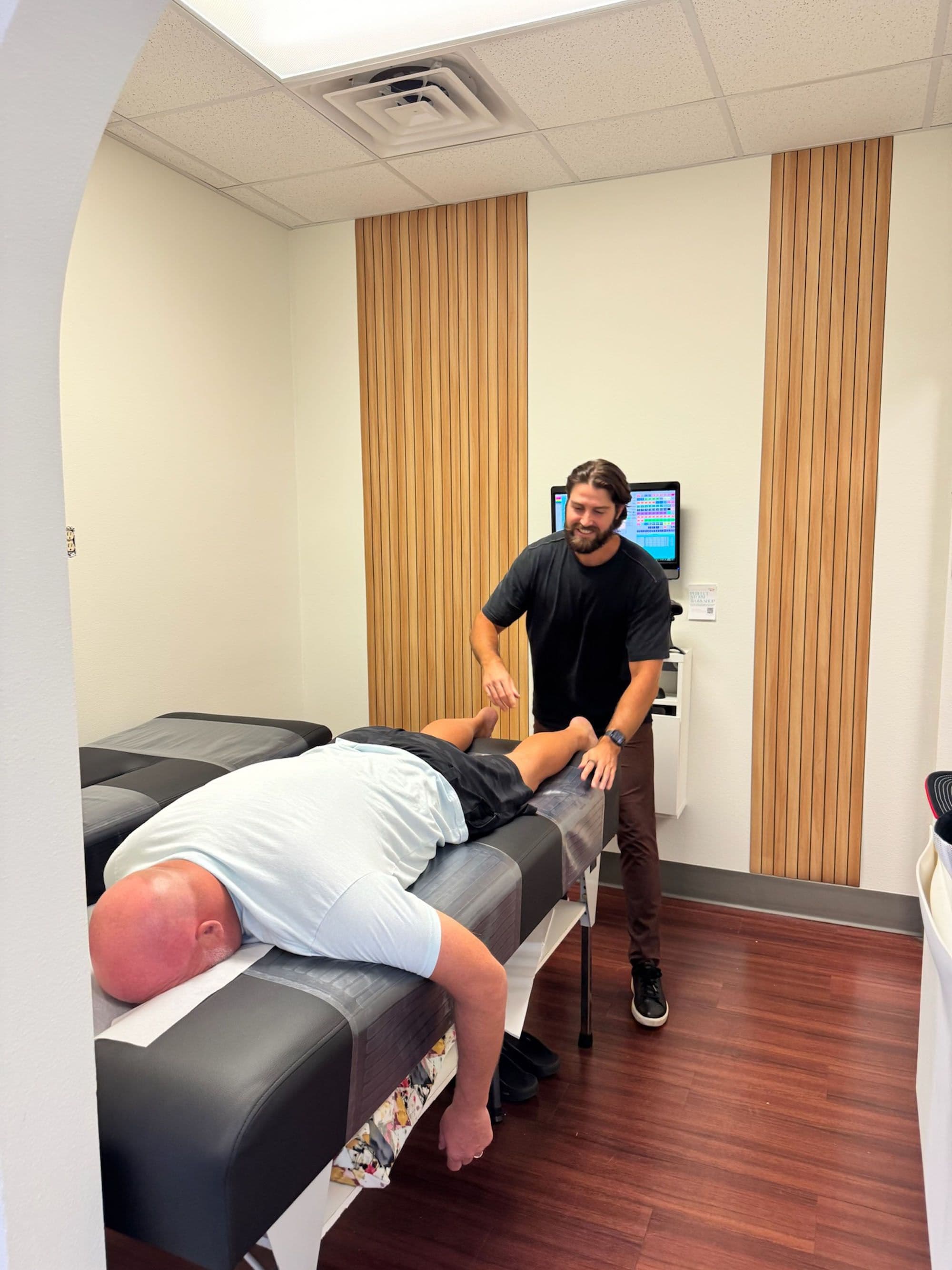
Patients searching for a hip adjustment often want to know what actually happens during one. It's a fair question, and the answer at our office is probably gentler than what you're picturing. We use the Torque Release Technique — a precise, instrument-based method with no forceful twisting, cracking, or leg-pulling. After the evaluation identifies which joint is restricted and in which direction, the adjustment delivers a specific, low-force impulse to restore motion there. Because the force is a fraction of traditional manual techniques and is targeted rather than general, it's well suited to people who are nervous about being "cracked" — and mild post-adjustment soreness, when it happens, typically behaves like the soreness after new exercise.
The SI joint deserves its own mention because it's one of the most commonly missed sources. It's built for stability, not motion — transferring load between your upper body and legs with every step. When it locks up or becomes irritated, it produces a one-sided ache near the dimple of the low back that can spread into the buttock and hip, classically flaring when you stand up from sitting or roll over in bed. Because SI pain overlaps so heavily with hip-joint and lumbar pain, it's frequently treated as the wrong thing for months.
Then there's pelvic alignment. The pelvis is the platform both hips work from, and prolonged sitting tends to tip it forward — an anterior pelvic tilt that shortens the hip flexors, weakens the glutes, and changes how load moves through both hip joints and the lower back. If your hips feel chronically tight no matter how much you stretch, the platform itself is often the reason. Care combines adjustments to restore pelvic and lumbar alignment with home exercises that retrain the muscle balance holding the tilt in place.
Common Symptoms
Signs You Might Be Dealing With Hip Pain
- Aching in the groin, outer hip, or buttock
- One-sided low back pain near the belt line that spreads into the hip
- Pain that flares when standing up from sitting
- Stiffness or pinching in the hip after long periods of sitting
- Pain lying on one side at night
- Tightness in the hip flexors that stretching never seems to fix
- Pain radiating from the hip down the outside of the thigh
How We Help
Our Treatment Approach
- Full evaluation — consultation, neurological evaluation, and necessary X-rays — to distinguish hip-joint, SI-joint, lumbar, and muscular sources
- Gentle Torque Release Technique adjustments to the hip, SI joint, and lumbar spine — instrument-based, no forceful twisting or cracking
- Pelvic alignment work targeting anterior pelvic tilt and the muscle imbalances that hold it in place
- Shockwave therapy for chronic bursitis and tendon irritation on the outside of the hip
- Home exercise guidance to retrain hip-flexor and glute balance between visits
- Clear referral guidance if imaging points to advanced joint degeneration needing an orthopedic opinion
From Our Doctors
Hear it from the team
Dr. Logan Swaim — Gentle Chiropractic no Cracking”
More from the team
Services That Help
Treatments for Hip Pain
Corrective Chiropractic
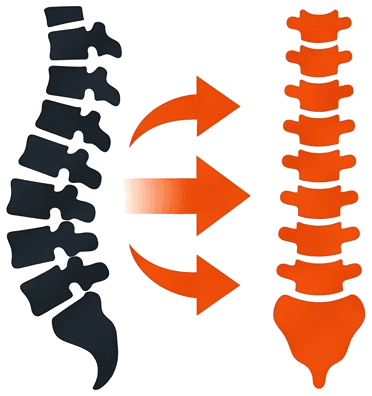
Precise, progressive corrections that produce lasting structural change — not just temporary relief. Think of it like orthodontics for your spine.
Learn More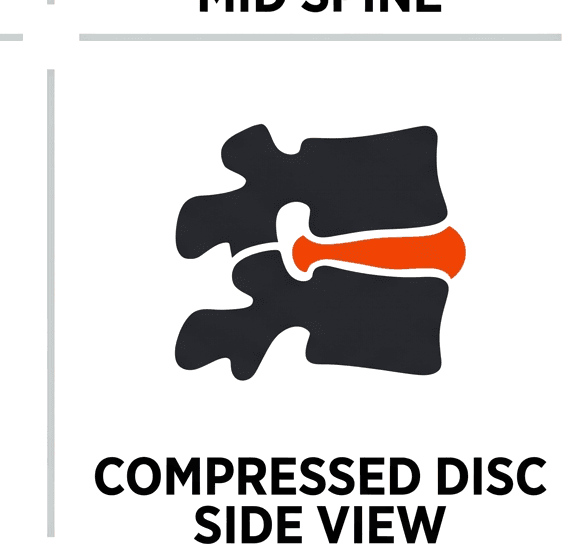
Spinal Decompression
Non-surgical care for herniated discs, sciatica, and degenerative disc disease.
Learn More
Shockwave Therapy
For chronic pain that hasn't settled with rest or stretching. Drug-free and surgery-free, and each session takes 8–15 minutes.
Learn MoreRelated Symptoms
Symptoms Often Linked to Hip Pain


Read More
Articles About Hip Pain
Hip Pain: When It’s Actually Coming From Your Spine
Hip pain is common, but the source isn’t always the hip itself. Spine, SI joint, and piriformis problems all produce pain that feels like hip pain — and getting the source right changes what helps.
SI Joint Pain: Causes and Non-Surgical Relief
SI joint pain causes deep low-back and hip pain often mistaken for sciatica. Learn what causes it and how to find relief without surgery.
Piriformis Syndrome vs. Sciatica: How to Tell the Difference
Buttock and leg pain can be piriformis syndrome or sciatica — two different problems with different care paths. Here's how to tell them apart.
Bursitis Treatment: How to Calm a Hip or Shoulder Flare-Up
That sharp, can't-lie-on-that-side hip or shoulder pain might be bursitis. Here's what causes it, how it's different from tendinitis, and non-surgical options that may help.
Common Questions
Frequently Asked Questions
Who You'll See
Doctors who see this every week
The Roots Health Centers is led by the same doctors at every visit — no rotating providers. Care starts with a full neurological evaluation, and a doctor walks you through what it found before anything else is recommended.



Care for hip pain
Inside the plan.
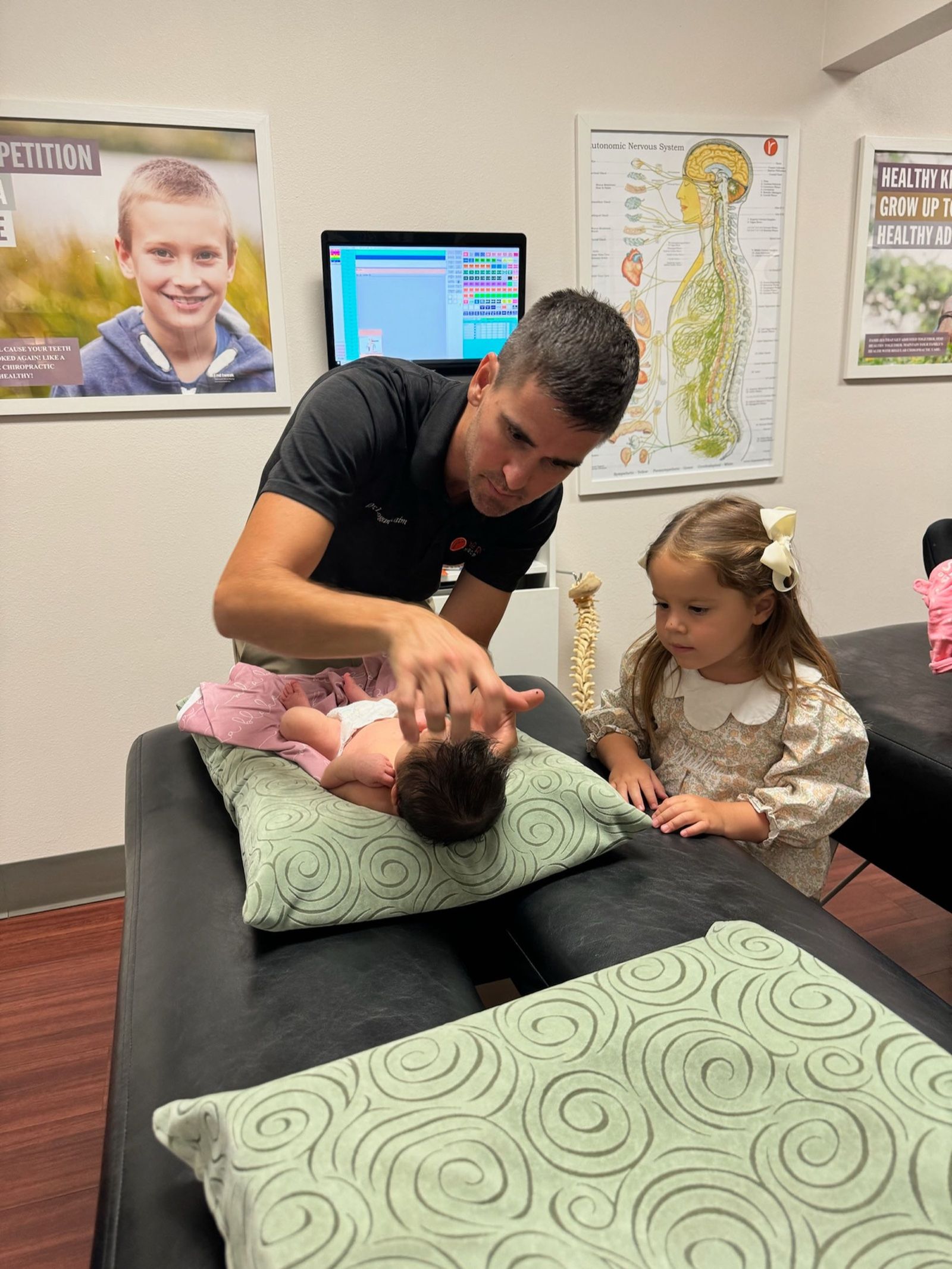
Dr. Logan in the office.
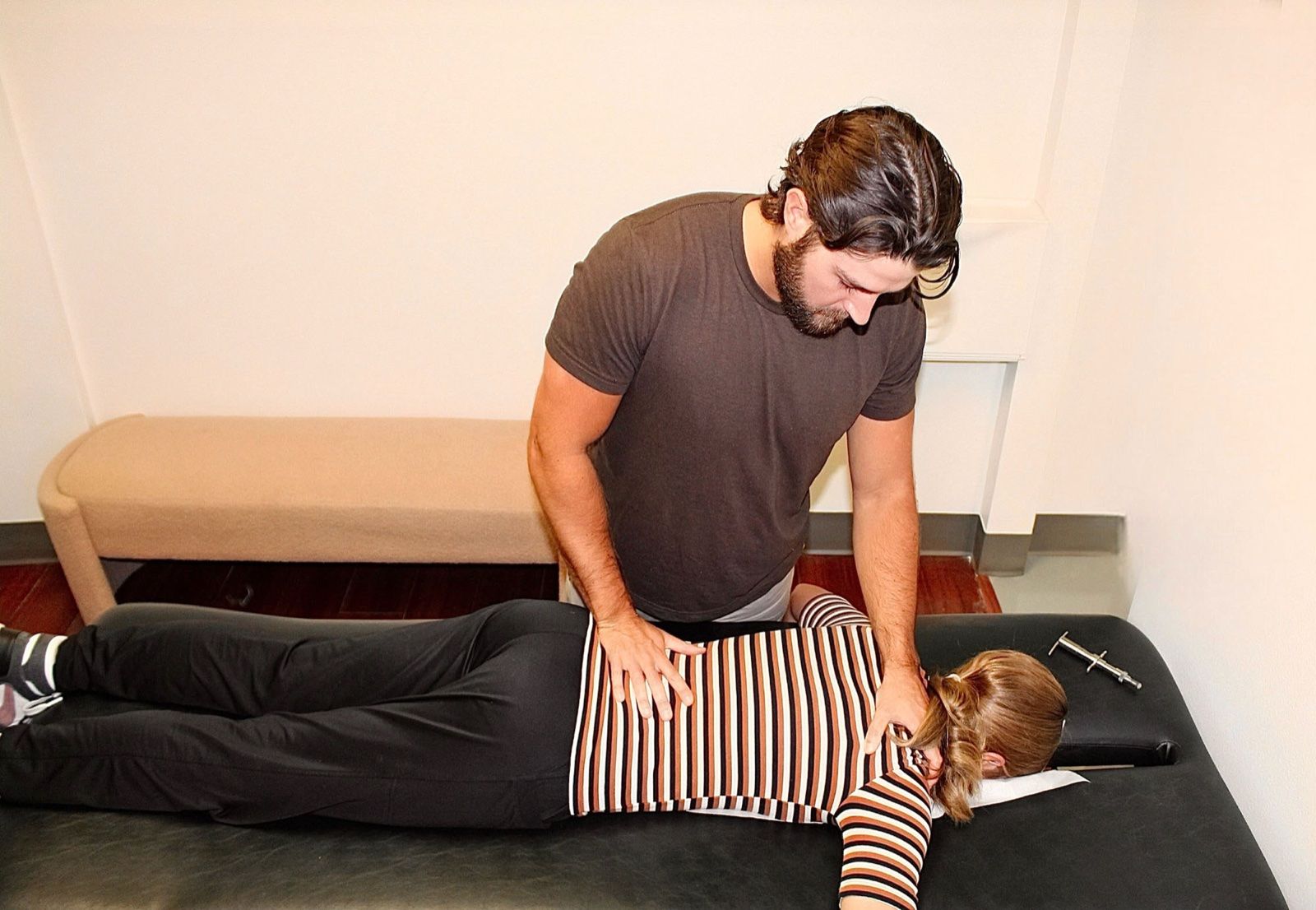
Dr. Fox at work.

Dr. Laura in the office.
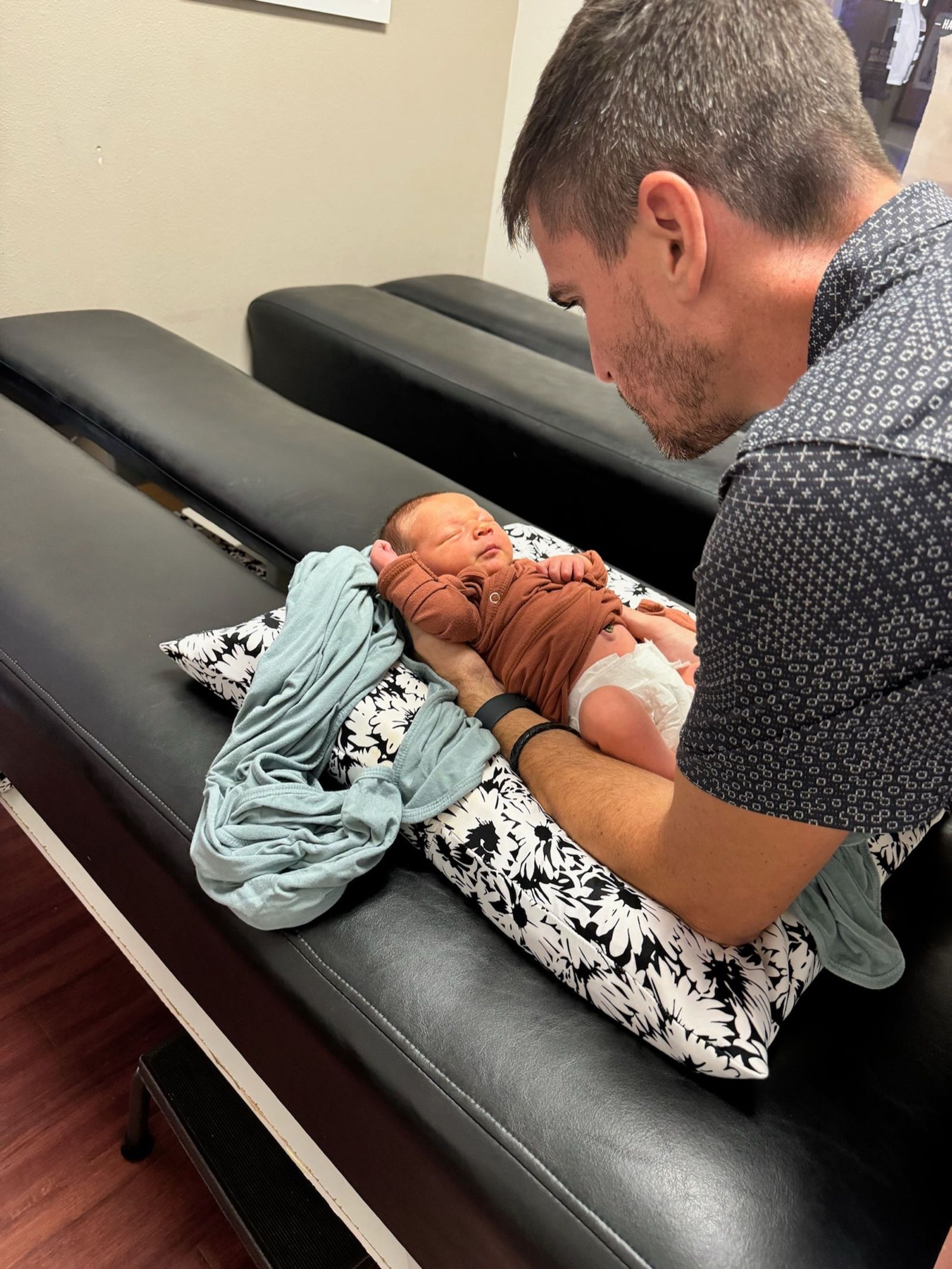
Dr. Logan in the office.
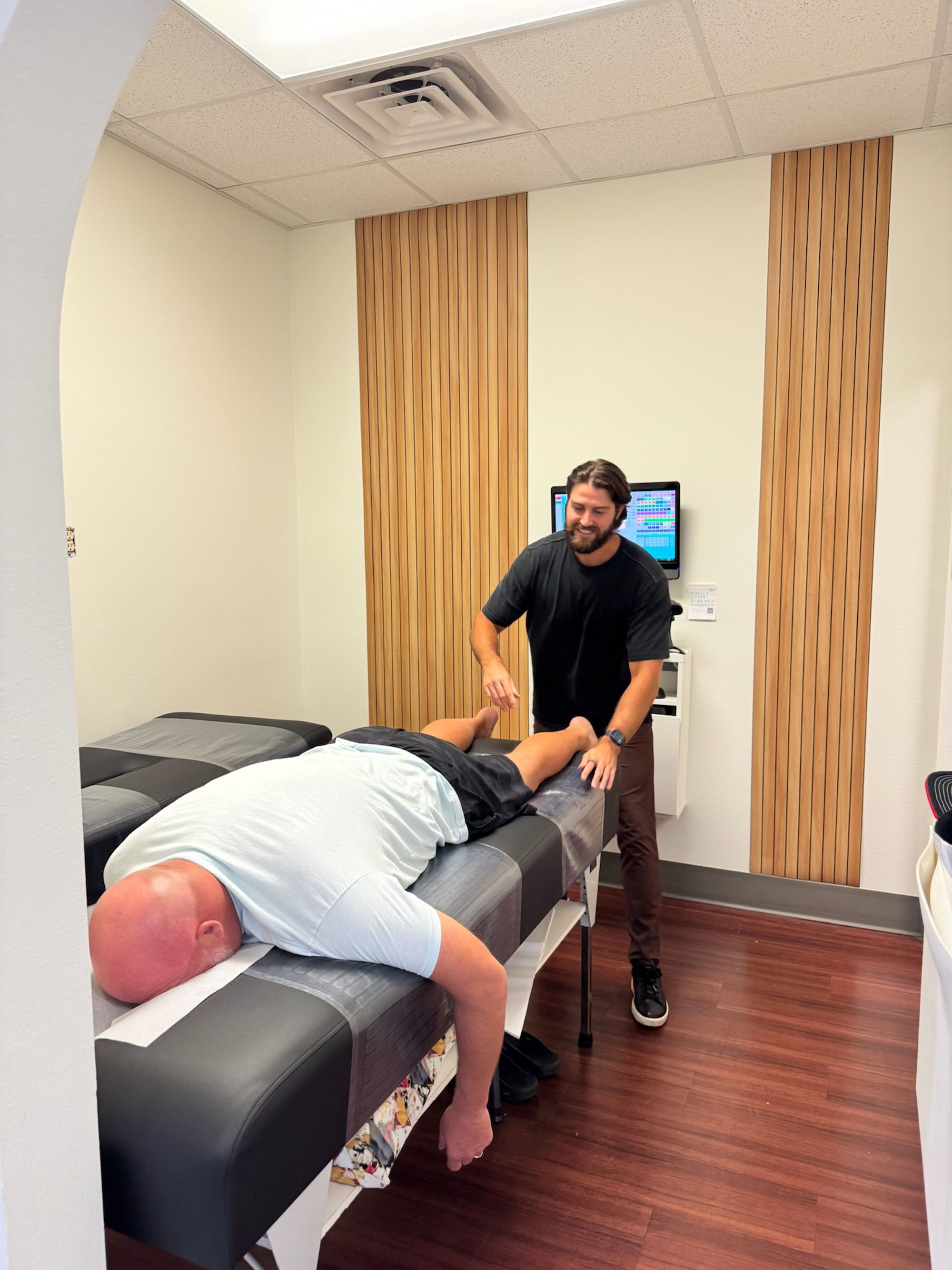
Precision over pressure — care that addresses the cause.

Carly — patient care that feels like family.
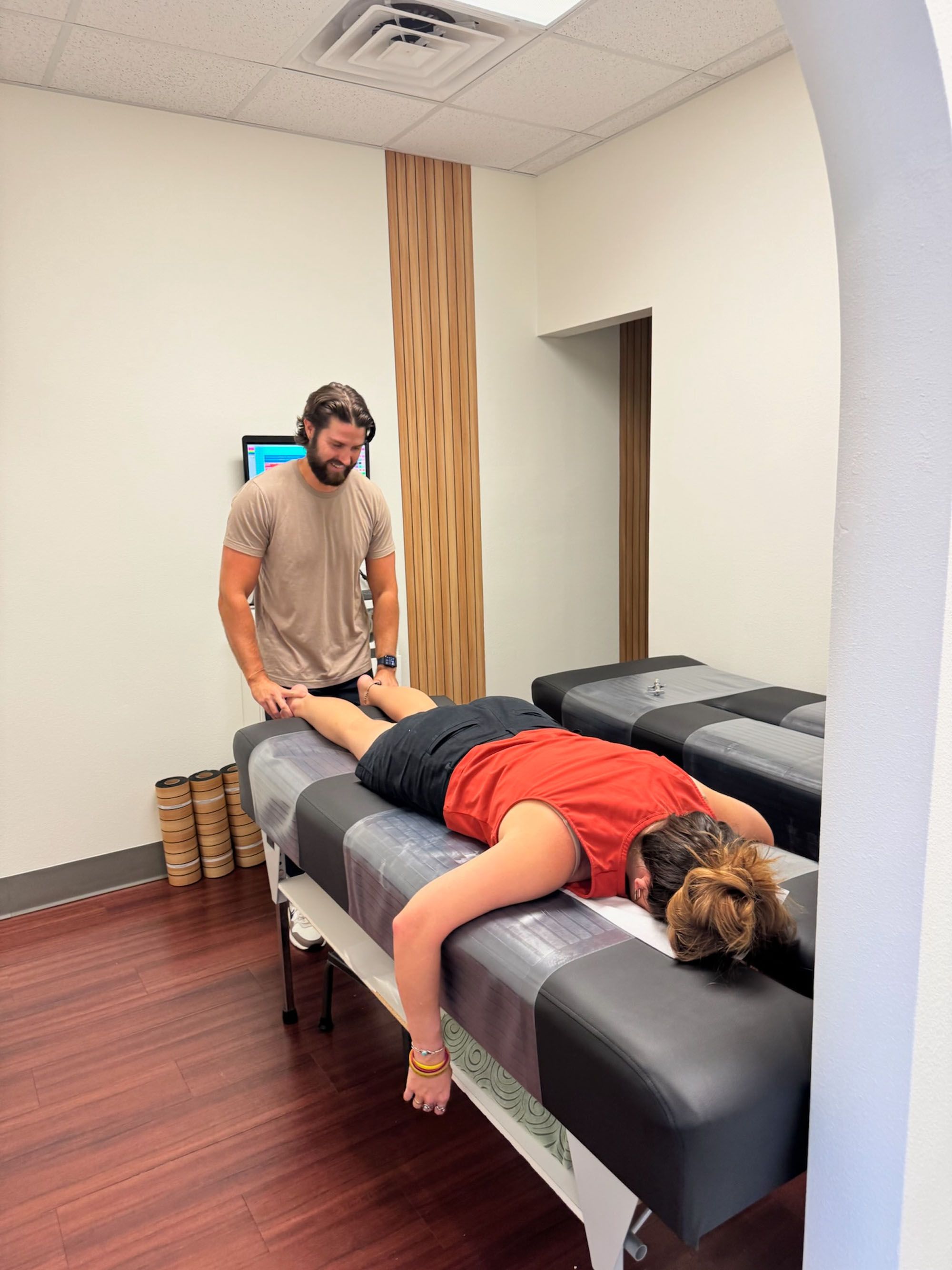
Precision over pressure.

Carly — patient care that feels like family.
Keep Exploring
See patient case studies
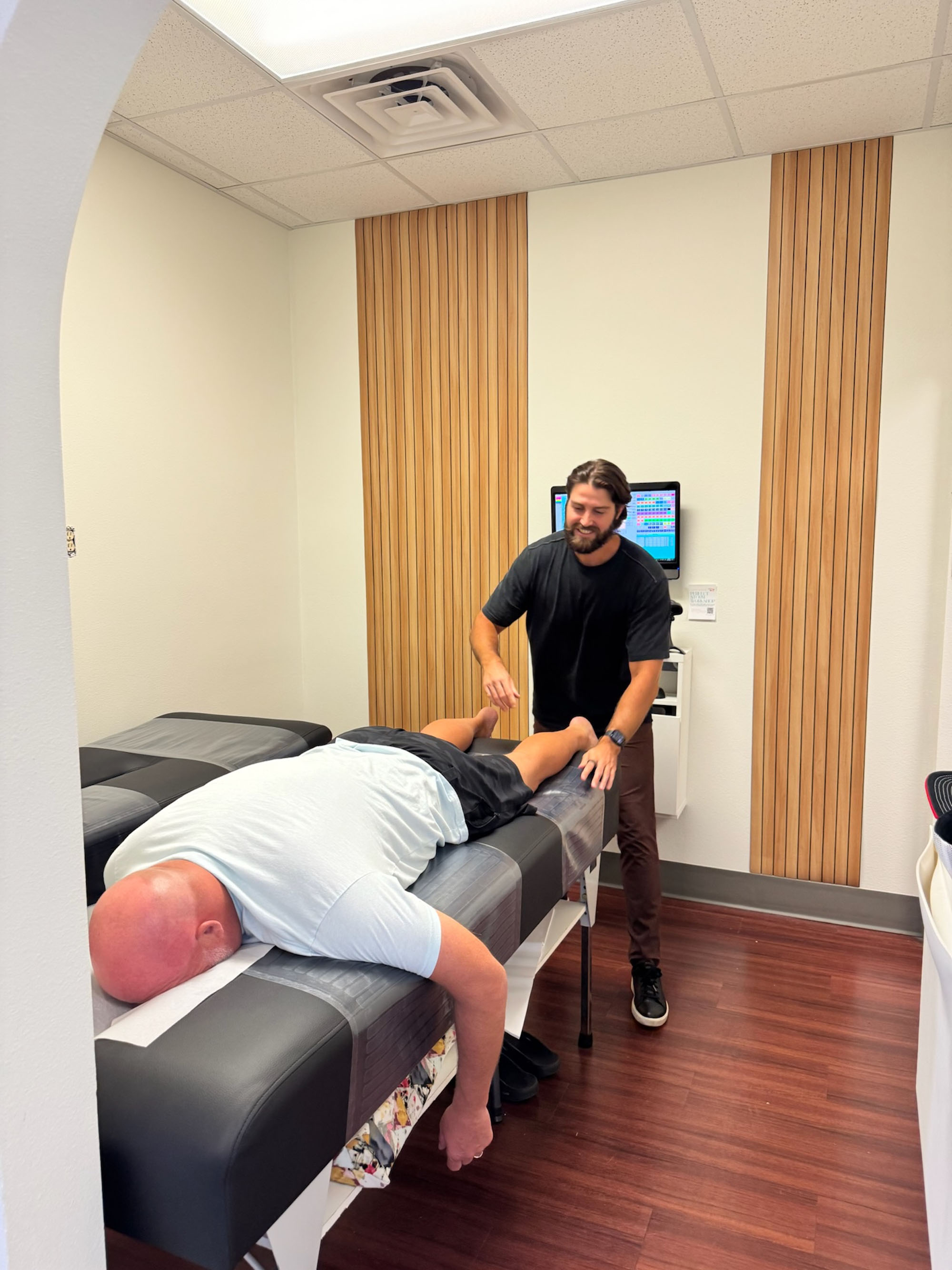
Real Patient Stories
Real patients.
Documented, start to finish.
Ready to Address
the Root Cause?
Schedule a comprehensive exam and let's build a plan that actually works.
*Includes consultation, neurological exam, scans & x-rays (if needed)