

Pickleball Injuries: The Most Common Ones and How Chiropractic Care May Help
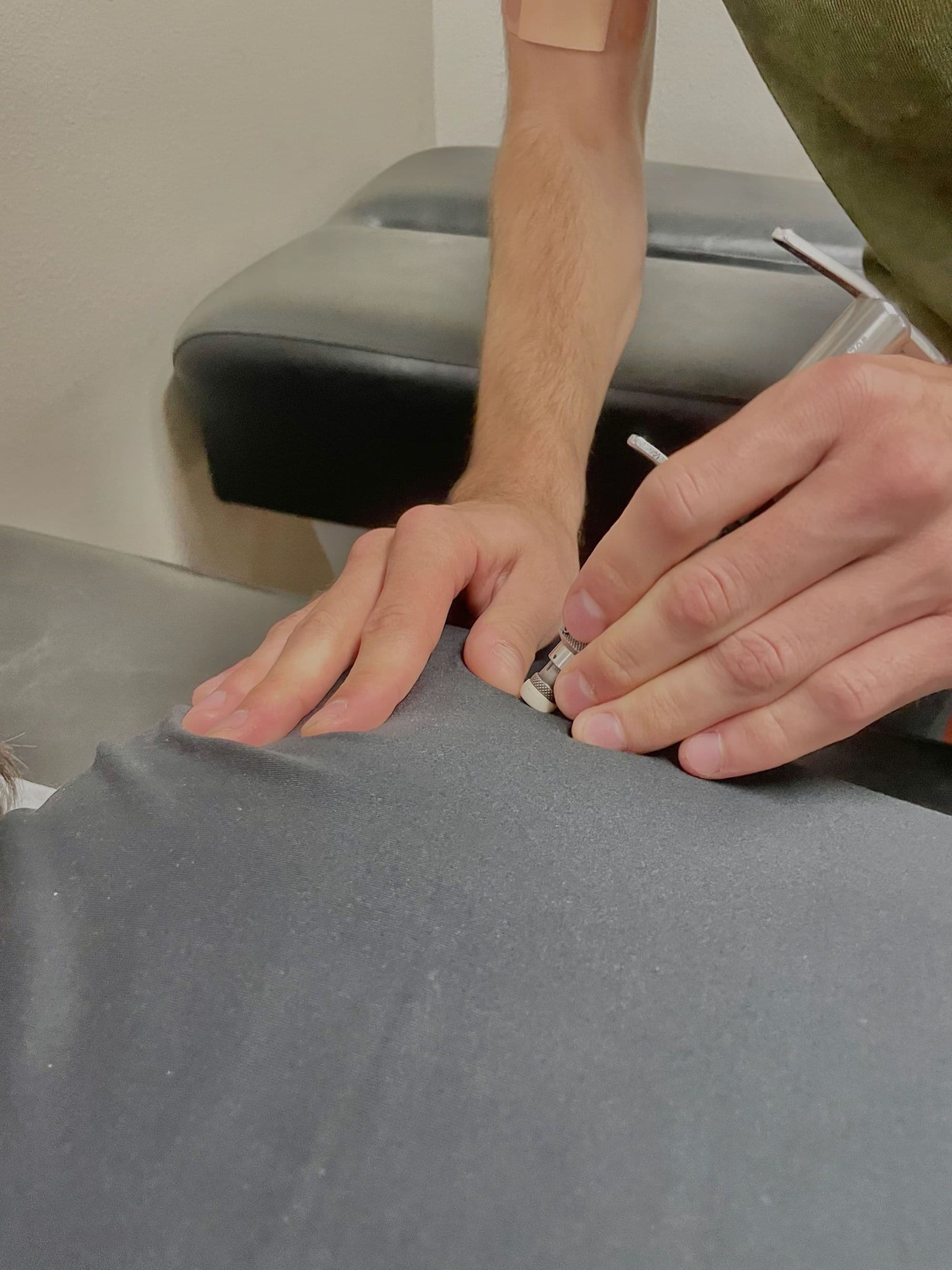
If you've picked up pickleball in Lakewood Ranch over the past couple of years, you're not alone — and if you've also picked up a nagging elbow ache, a tender knee, or a shoulder that complains on every overhead shot, you're not alone there either. Pickleball injuries have climbed right alongside the sport's popularity, especially among the 50+ players who make up a big share of local courts. The quick starts, stops, and twisting motions that make the game fun are also exactly the movements that stress joints, tendons, and connective tissue that haven't been asked to move that way in a while. Here's a look at the most common pickleball injuries we see, what's actually happening in your body, and how chiropractic care may help you get back on the court.
Why pickleball injuries are so common
Pickleball looks gentler than tennis, and in some ways it is — the court is smaller and the ball travels slower. But the sport asks your body for constant, fast lateral movement, sudden direction changes, and repetitive overhead or underhand swings, often with little more than a few warm-up serves before a fast-paced game. A large share of players are adults who haven't done this kind of quick, multidirectional movement regularly in years, and the hard court surface offers almost no give to absorb the impact. Whether you're playing at Premier Sports Campus or a neighborhood court, that combination is exactly why tendons, joints, and connective tissue tend to take the brunt of it. None of this means you should stop playing — it means it helps to understand where the stress lands and what to do about it early, before a minor ache turns into something that keeps you off the court entirely.
The most common pickleball injuries
Pickleball elbow. The repetitive wrist-snap motion of a dink or a drive puts steady strain on the tendons attaching at your elbow — the same mechanism behind tennis elbow. Pickleball elbow is essentially that same injury with a different racquet sport attached to it, and it usually shows up as soreness on the outside of the elbow that gets worse with gripping or twisting.
Shoulder pain from overhead shots. Overhead smashes and serves ask your rotator cuff to do repetitive work it may not be conditioned for, especially if you're newer to racquet sports. That can show up as shoulder pain that's worse reaching overhead or behind your back, and it tends to build gradually rather than announce itself with one bad shot.
Knee pain and strain. Quick pivots and lunges toward the net put real rotational stress on your knees. For some players that's a dull ache after play; for others it's a sharper twinge tied to a specific pivot or lunge. Either way, knee pain that sticks around past a day or two is worth paying attention to rather than playing through.
Ankle sprains and Achilles strain. The stop-start nature of the sport, combined with quick direction changes near the net, is a common setup for a rolled ankle. The Achilles tendon takes a similar hit from repeated pushing off — some players notice tightness or pain low in the calf that's very similar to the Achilles tendon pain we see from other sports.
Low back pain from twisting and lunging. Reaching for a wide shot or twisting through a backhand puts load through your low back and hips, especially if your core and hips aren't used to that kind of rotation. This kind of back pain often responds better to being addressed early, before it becomes a pattern you unconsciously play around instead of through.
Not every ache is the same kind of injury, either. Some of what shows up on the pickleball court is straightforward overuse — tissue that's simply irritated from doing more, more often, than it's used to. Other times it's an acute event: a rolled ankle, a sudden pull, a specific moment you can point to. The two call for a different first response (rest and modification for overuse, a proper evaluation sooner rather than later for an acute injury), which is part of why it's worth getting looked at rather than guessing which category you're in.
How chiropractic care fits in
When a pickleball injury involves the spine, hips, or the joints that connect to them — rather than a simple pulled muscle that settles down with a few days of rest — chiropractic care may be a reasonable next step. At The Roots Health Centers, that starts with a consultation and a full neurological evaluation to get a clear picture of what's actually going on, plus any necessary X-rays when they're clinically indicated. From there, we use the Torque Release Technique, a gentle, low-force adjustment method, to help address areas of restricted movement that may be contributing to how you're compensating on the court, whether that's an elbow that won't fully extend or a hip that isn't rotating the way it should.
We won't promise a specific number of visits or a return-to-play date at your first visit — each person and case is different, so we take a personalized approach based on what your evaluation actually shows, not a generic script. For a lot of players, part of the conversation is also about mechanics: how you're moving, favoring, or bracing on the court, and whether that's setting up the next injury before this one has even settled down.
When to see a doctor right away
Most pickleball injuries are a matter of managing overuse and giving tissue time to recover, but some symptoms deserve prompt medical attention rather than a wait-and-see approach: a joint that looks visibly deformed or won't bear any weight at all, a pop you heard or felt followed by immediate swelling, numbness that doesn't resolve, or pain severe enough that you can't use the limb. When in doubt, get it checked before you get back on the court.
Preventing the next pickleball injury
A few habits go a long way toward keeping you in the game. A real warm-up before you start playing hard — not just a few practice serves — gives tendons and connective tissue a chance to prepare for the quick movements ahead. Court shoes built for lateral movement, rather than running shoes, give your ankles more support during fast direction changes. And paying attention when something feels "off" instead of playing through it for one more game tends to be the difference between a few days of soreness and a few weeks off the court. If you're newer to the sport, easing into frequency the way you would with any new activity gives your body time to adapt instead of catching up after the fact.
Frequently Asked Questions
Is pickleball hard on your knees? It can be, mostly because of the quick pivots, lunges, and direction changes the sport requires. Players with a history of knee issues tend to notice it first, but new knee pain can also develop simply from the repetitive lateral movement pickleball involves.
What is pickleball elbow? Pickleball elbow is tendon irritation at the elbow caused by the repetitive wrist and forearm motion of hitting the ball. It's essentially the same mechanism as tennis elbow, just from a different sport.
Can chiropractic care help with pickleball injuries? It may, particularly when the injury involves the spine, hips, or a joint that's compensating for restricted movement elsewhere. We start with a full neurological evaluation to understand what's actually happening before recommending a path forward.
How long does it take to recover from a pickleball injury? It depends on the injury and the person, so there's no single timeline that applies to everyone. Each case is different, which is why we build a personalized approach based on what your evaluation shows rather than a generic recovery schedule.
Should I stop playing pickleball if I have an injury? That depends on what's going on and how it responds to activity. Some players can modify how they play while healing; others need to rest a specific movement entirely for a while. It's worth getting evaluated rather than guessing.
Do I need X-rays for a pickleball injury? Not always. X-rays aren't part of every visit — we only recommend them when they're clinically indicated based on your evaluation and symptoms, not as a routine first step.
Whether it's a stubborn elbow, an achy knee, or a low back that's started complaining after every match, you don't have to just play through it. Book a complimentary consultation at The Roots Health Centers in Lakewood Ranch — meet the team, tour the clinic, and get honest answers about what's going on and what might help. No commitment to start care.
The Roots Health Centers, 8209 Natures Way, Unit 115, Lakewood Ranch, FL 34202. (941) 877-1507.
Services Related to This Post
Keep Reading
Related articles
Golfer's Elbow vs. Tennis Elbow: How to Tell the Difference
Elbow pain doesn't always come from sports. Here's how to tell golfer's elbow and tennis elbow apart — and the non-surgical options that may help you recover.
Read articleShockwave Therapy for Achilles Tendonitis: A Non-Surgical Option
Chronic Achilles tendonitis that won't fully calm down? Here's how shockwave therapy works, what a session involves, and when it's worth considering.
Read article