

Condition
Shoulder Pain
The most mobile joint in your body pays for it
Impingement, rotator cuff strain, bursitis, tendonitis, referred pain from the neck — shoulder pain has more possible sources than almost any other complaint. Naming the right one is the difference between care that works and months of chasing symptoms.
By Dr. Logan Swaim · Last updated July 17, 2026
Get help with Shoulder Pain
Three quick questions — we'll call you within 24 business hours.
Understanding Shoulder Pain
What It Is & Why It Happens
The shoulder trades stability for range of motion — it's the most mobile joint in your body, held together largely by soft tissue rather than deep bony architecture. That design is why you can throw, reach overhead, and scratch between your shoulder blades. It's also why the shoulder has so many ways to hurt: the rotator cuff tendons can fray or become inflamed, the bursa can swell (bursitis), tendons can get compressed in the narrow space under the shoulder blade's bony roof (impingement), and the joint's mechanics can be thrown off by posture alone.
There's a source most people never suspect: the neck. The nerves that supply the shoulder exit the spine at the base of the neck, so a pinched or irritated nerve there can produce pain that's felt squarely in the shoulder — which is why shoulder-only treatment sometimes fails. Rounded-shoulder posture compounds the problem, tipping the shoulder blade forward and shrinking the space the rotator cuff tendons move through, setting up impingement one desk-bound day at a time.
One distinction worth making early: if your shoulder has progressively lost motion in every direction — reaching up, out, and behind all feel blocked — that pattern points to frozen shoulder, which is its own condition with its own care approach. This page covers the broader family of shoulder pain: impingement, rotator cuff strain, bursitis, tendonitis, and neck-referred pain.
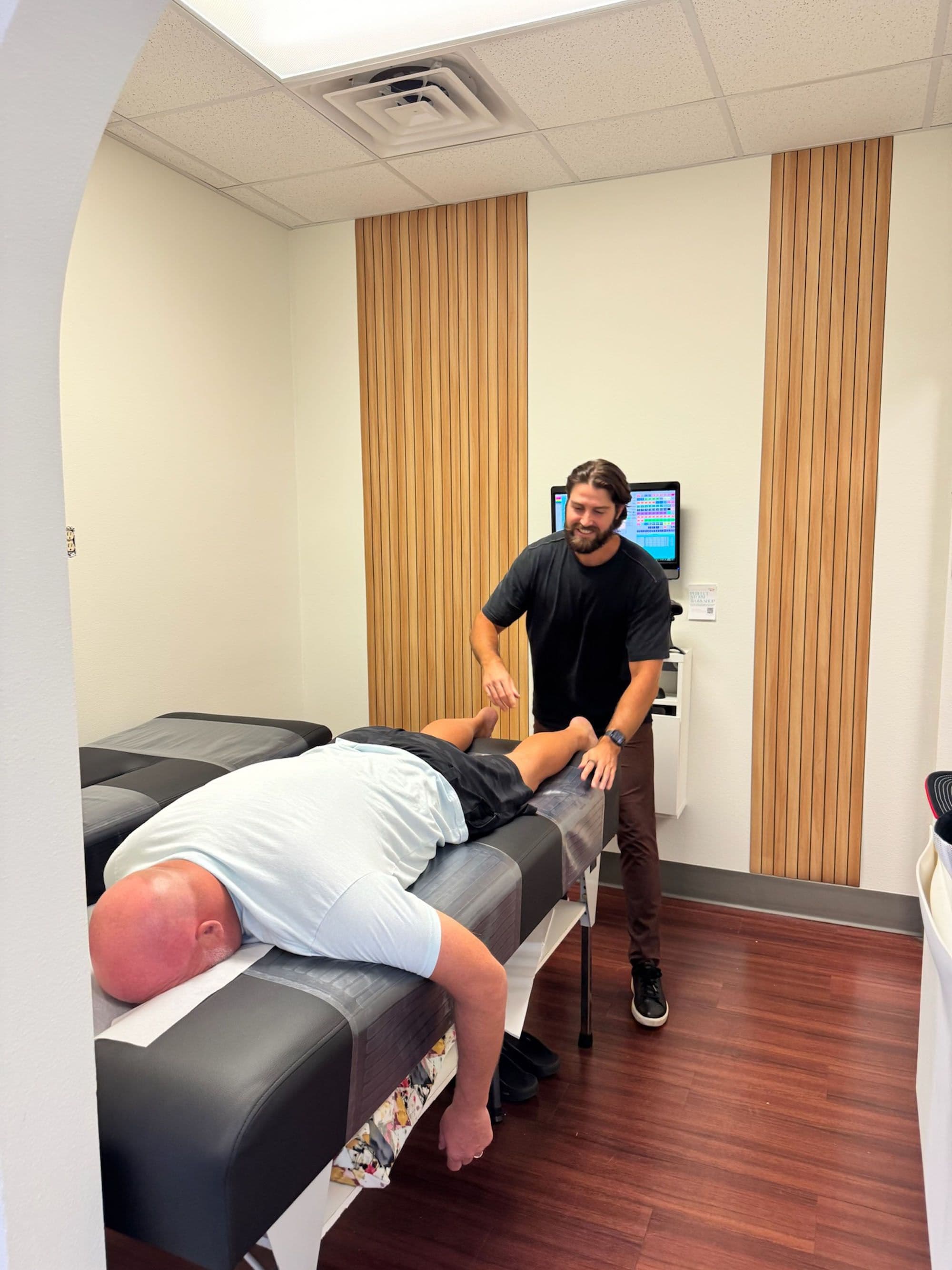
Our evaluation is built to separate those drivers rather than guess. The new patient visit includes a consultation, a full neurological evaluation, and any necessary X-rays — so we can tell whether your shoulder pain starts in the shoulder, the neck, or both. Care then matches the finding: gentle Torque Release Technique adjustments where the spine and posture are involved, and shockwave therapy for stubborn tendon and bursa problems that haven't resolved with rest. Where a true tear needs a surgical opinion, we say so and help you get it.
Common Symptoms
Signs You Might Be Dealing With Shoulder Pain
- Pain when reaching overhead or behind your back
- A pinching sensation at the top or front of the shoulder
- Aching in the shoulder that worsens at night or lying on that side
- Pain that travels from the neck into the shoulder blade or upper arm
- Weakness when lifting or rotating the arm
- Clicking or catching sensations with movement
- Rounded-forward posture with tightness across the chest
How We Help
Our Treatment Approach
- Full neurological evaluation to determine whether the pain starts in the shoulder, the neck, or both
- Necessary X-rays — included in the new patient visit — to assess alignment and rule out structural surprises
- Gentle Torque Release Technique adjustments where cervical spine involvement or postural mechanics are driving the pain
- Shockwave therapy for chronic rotator cuff tendinopathy, impingement, and bursitis that haven't responded to rest
- Posture and shoulder-mechanics coaching to stop the pattern from rebuilding
- Straightforward referral guidance when findings point to a tear that needs an orthopedic opinion
From Our Doctors
Hear it from the team
Dr. Logan Swaim — Red Light Therapy Overview”
Services That Help
Treatments for Shoulder Pain
Corrective Chiropractic
Precise, progressive corrections that produce lasting structural change — not just temporary relief. Think of it like orthodontics for your spine.
Learn More
Shockwave Therapy
For chronic pain that hasn't settled with rest or stretching. Drug-free and surgery-free, and each session takes 8–15 minutes.
Learn More
Red Light Therapy
Medical-grade red light therapy in a private, full-body room. Our DAHLIA Pinnacle Bed supports chronic pain, recovery, skin health, gut and neurometabolic health, and weight management — as part of a personalized care plan. Photobiomodulation that goes beyond a consumer sauna.
Learn MoreRelated Symptoms
Symptoms Often Linked to Shoulder Pain




Related Conditions
You May Also Be Dealing With

Read More
Articles About Shoulder Pain
Shoulder Impingement: Non-Surgical Options for Lasting Relief
Shoulder impingement causes pain when you reach or lift overhead. Here's what causes it, how it's different from frozen shoulder or a rotator cuff tear, and non-surgical options that may help.
Rotator Cuff Pain: Non-Surgical Options That May Help
Reaching overhead or sleeping on that side shouldn't hurt. Here's what causes rotator cuff pain, how to tell it apart from impingement or a tear, and non-surgical options that may help.
Bursitis Treatment: How to Calm a Hip or Shoulder Flare-Up
That sharp, can't-lie-on-that-side hip or shoulder pain might be bursitis. Here's what causes it, how it's different from tendinitis, and non-surgical options that may help.
Frozen Shoulder: Your Real Recovery Options
Frozen shoulder can take 1–3 years to resolve on its own. Here's how to dramatically speed up recovery and avoid the wait.
Common Questions
Frequently Asked Questions
Who You'll See
Doctors who see this every week
The Roots Health Centers is led by the same doctors at every visit — no rotating providers. Care starts with a full neurological evaluation, and a doctor walks you through what it found before anything else is recommended.



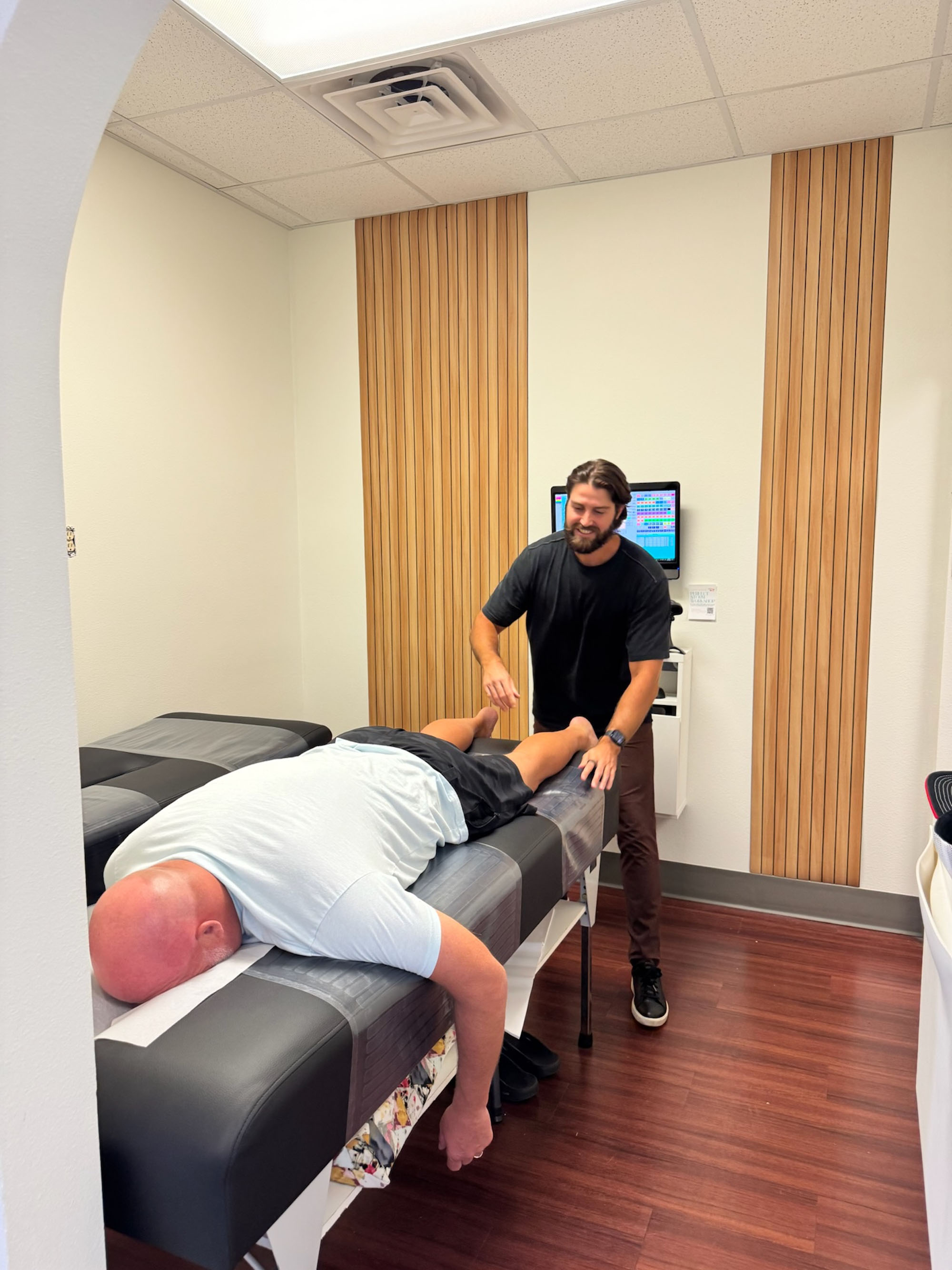
Care for shoulder pain
Inside the plan.
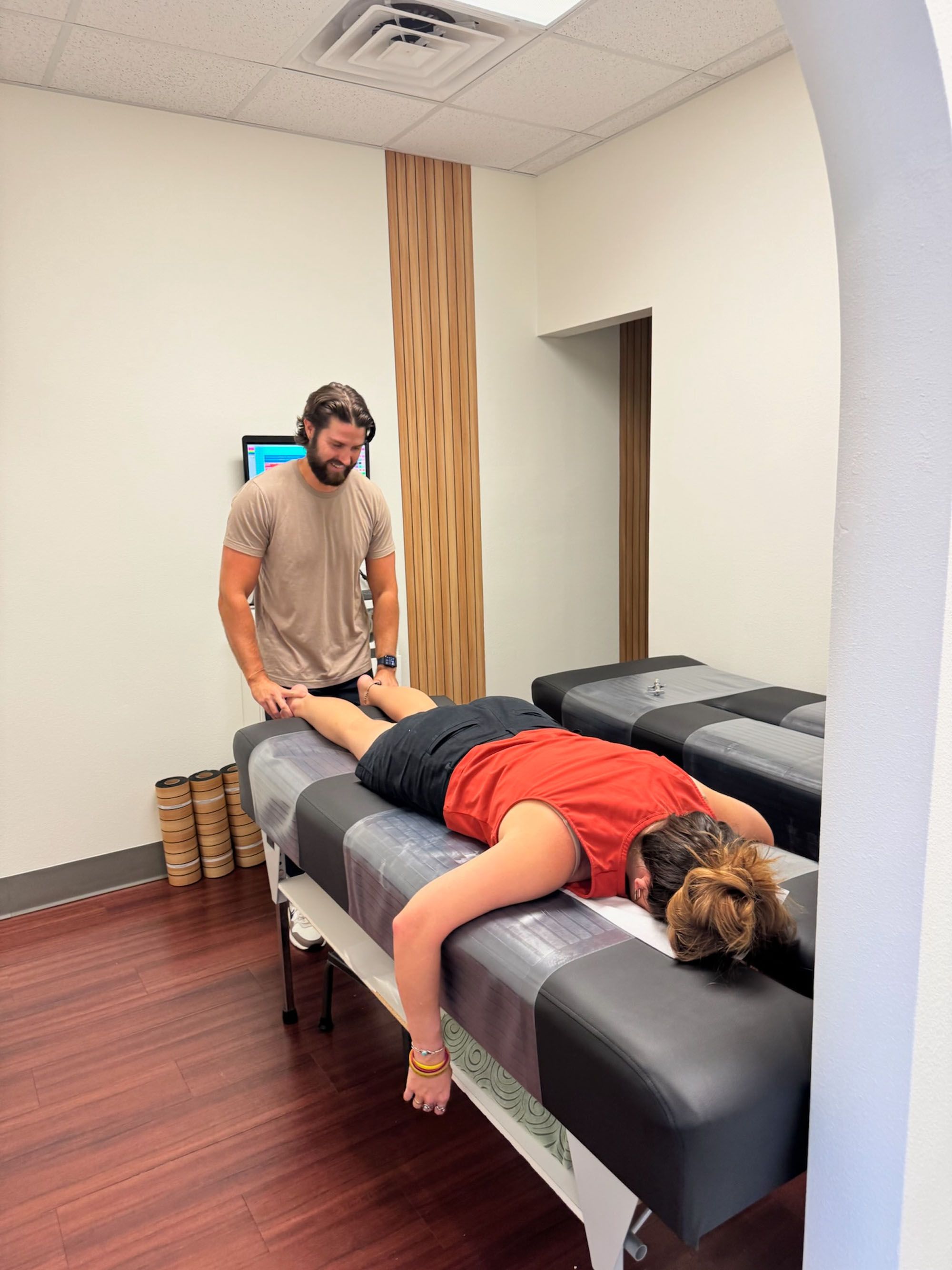
Precision over pressure.
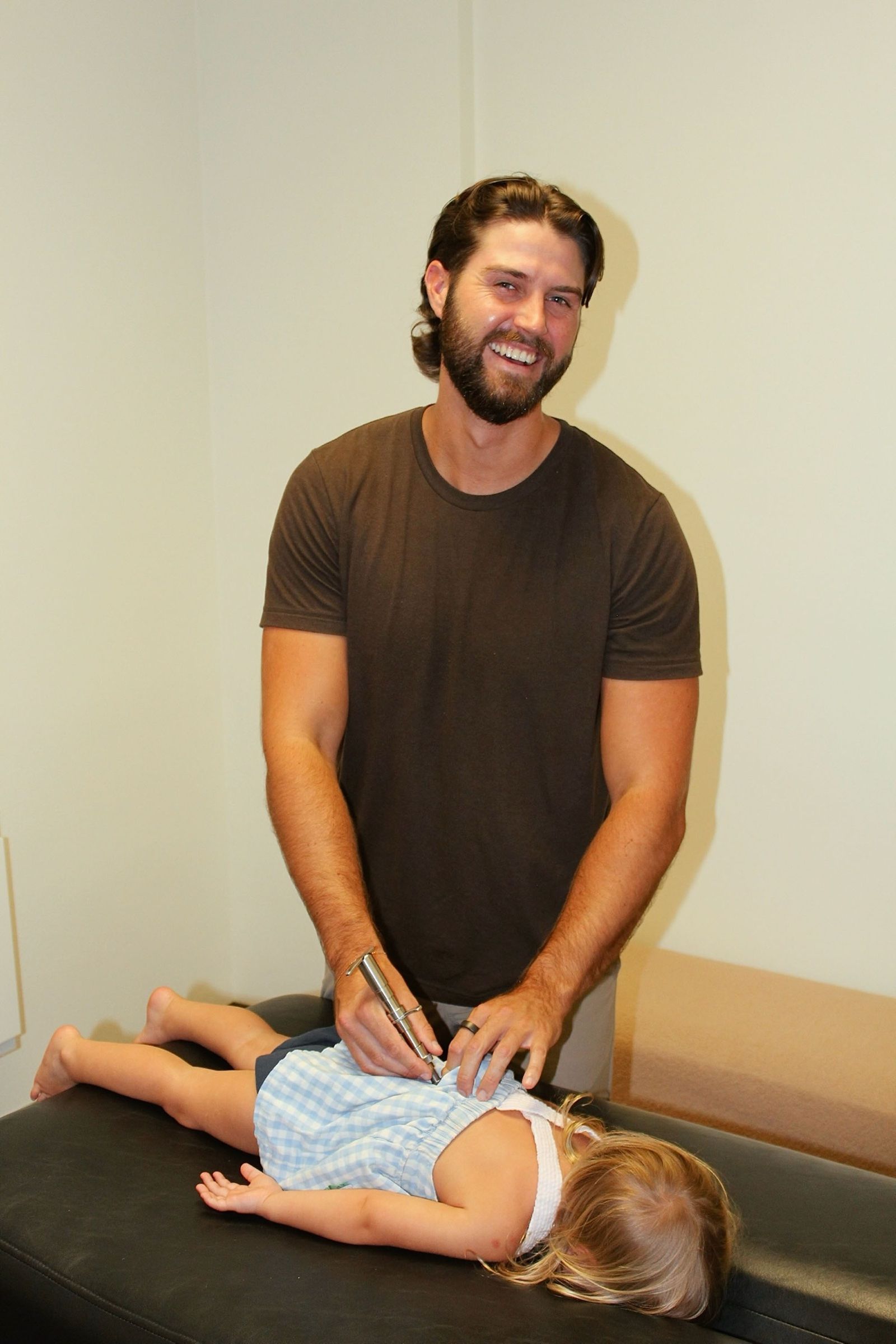
Precision over pressure — care that addresses the cause.

Carly — patient care that feels like family.

Dr. Fox at work.

Dr. Logan's neuropathy book — free at every visit.
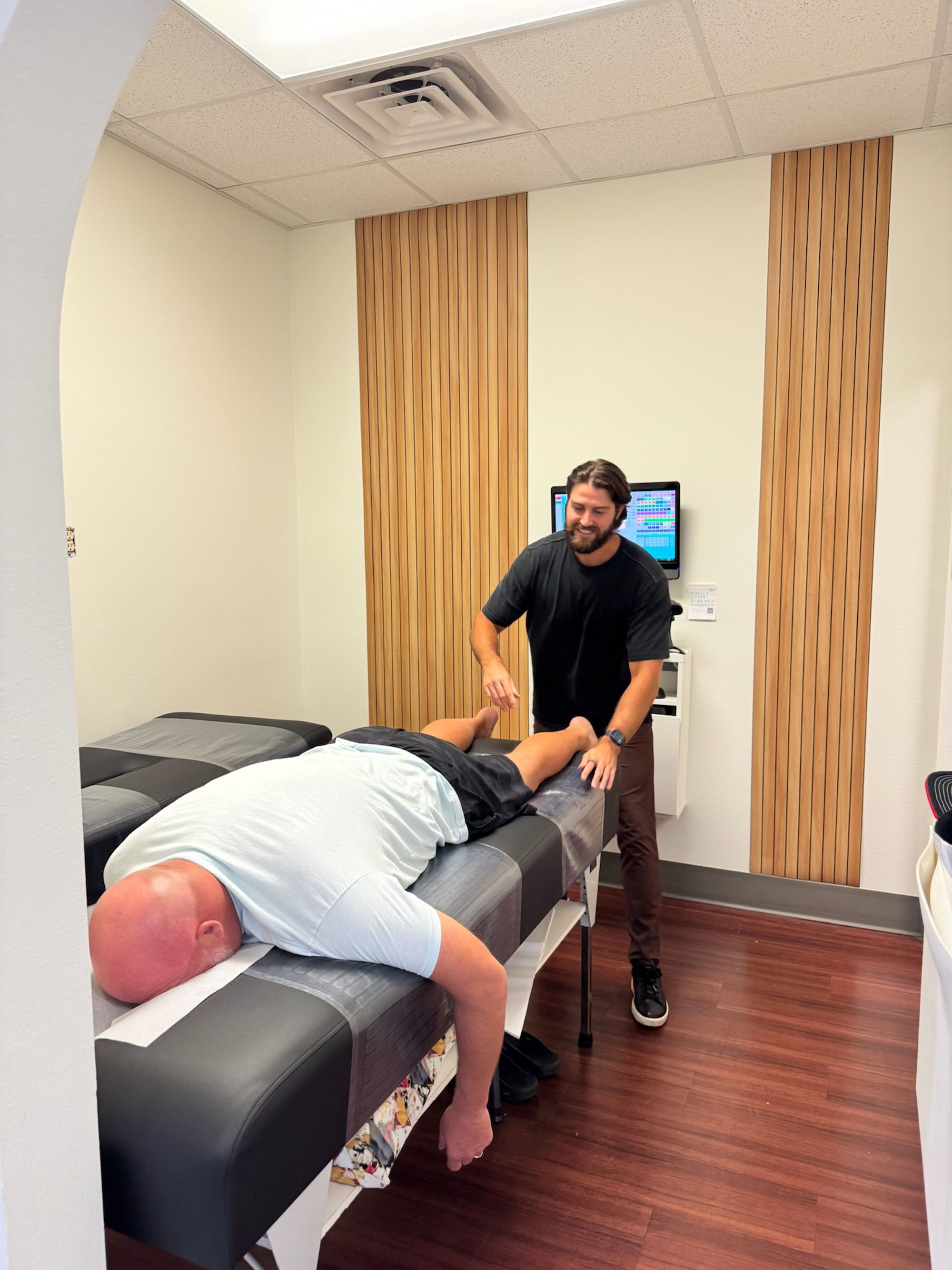
Precision over pressure — care that addresses the cause.

Carly — patient care that feels like family.

Dr. Laura in the office.
Keep Exploring
See patient case studies
Real Patient Stories
Real patients.
Documented, start to finish.
Ready to Address
the Root Cause?
Schedule a comprehensive exam and let's build a plan that actually works.
*Includes consultation, neurological exam, scans & x-rays (if needed)