
What to Do After a Car Accident in Florida: The First 14 Days
If you were just in a car accident in Florida, what you do in the next two weeks matters — even if you feel mostly fine right now. Florida's Personal Injury Protection (PIP) law requires you to seek medical care within 14 days of the crash for your insurance to cover accident-related treatment, and a lot of people miss that window simply because adrenaline hides pain for the first few days. Here's what to do after a car accident in Florida, why the 14-day rule exists, and how to tell whether something more serious is going on.
Florida's 14-Day PIP Window: Why It Matters
Florida is a no-fault insurance state, which means your own Personal Injury Protection (PIP) coverage — not the other driver's insurance — is usually what pays your initial medical bills after a crash, regardless of who caused it. The catch is timing: Florida law requires that you receive initial medical care within 14 days of the accident for PIP to apply to accident-related treatment. Miss that window, and you may be responsible for costs that PIP would otherwise have covered.
This isn't a suggestion — it's a hard deadline written into Florida statute, and insurers apply it strictly. That's part of why we encourage anyone in an accident, even a minor fender-bender, to get evaluated well before the two-week mark, not after. This is general information, not legal advice — for questions specific to your claim, a conversation with your insurance carrier or an attorney is worth having.
What to Do Right After a Car Accident
The first hour or two after a crash sets the tone for everything that follows. A few basics matter most:
- Check for safety first. Move to a safe location if you're able, and call 911 if anyone is injured or the vehicles need to be moved out of traffic.
- Report the accident. In Florida, a crash involving injury, death, or significant vehicle damage must be reported to law enforcement. A police report becomes an important record for your insurance claim.
- Exchange information. Names, insurance details, and contact information for everyone involved, plus contact information for any witnesses.
- Document the scene. Photos of vehicle damage, road conditions, and anything relevant to how the accident happened can matter later, even if it doesn't feel urgent in the moment.
- Get checked out — within 14 days. Even if you feel okay, schedule a medical evaluation. This is the step people skip most often, and it's the one with a real deadline attached.
- Keep your records organized. Save the police report, any medical paperwork, and correspondence with your insurance company in one place.
Common Injuries That Don't Show Up Right Away
One of the trickiest parts of car accidents is that adrenaline and shock can mask pain for hours or even days. Some of the most common accident-related injuries follow this exact pattern:
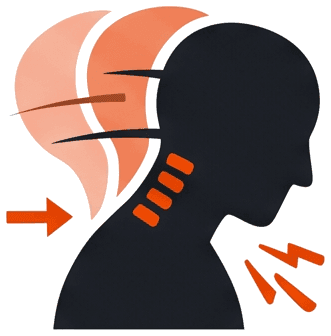
- Whiplash. The rapid back-and-forth motion of a crash can strain the neck's muscles, ligaments, and joints. Stiffness and pain often build gradually rather than appearing immediately. We've written more about whiplash and what it typically looks like.
- Headaches. New or worsening headaches after a crash can stem from neck strain, tension, or — in some cases — a concussion.
- Post-concussion symptoms. Even without a direct hit to the head, the brain can be jarred by a sudden stop. We cover this in more detail in our guide to post-concussion care after a crash.
- Numbness, tingling, or pain that radiates. These can point to nerve involvement in the neck or back. If you're noticing symptoms like this, our guide on pinched nerve symptoms explains what that pattern can mean.
- Lower back and disc-related pain. The force of a crash can stress the spine in ways that aren't obvious until inflammation sets in over the following days.
If any of this sounds familiar, it's a good reason to get an evaluation even if you walked away from the accident feeling "fine."
When a Car Accident Injury Needs a Closer Look
Every accident and every person is different, so there's no single symptom checklist that applies to everyone. That said, a few patterns are worth paying attention to in the days after a crash:
- Neck or back stiffness that doesn't ease up after a day or two
- Headaches that are new, worsening, or different from your usual pattern
- Numbness, tingling, or weakness in an arm or leg
- Dizziness, brain fog, or trouble concentrating
- Pain that seems to be getting worse rather than better as the days pass
None of these automatically mean something is seriously wrong, but they're worth having evaluated rather than waiting to see what happens.
What Happens at a Post-Accident Evaluation at The Roots Health Centers
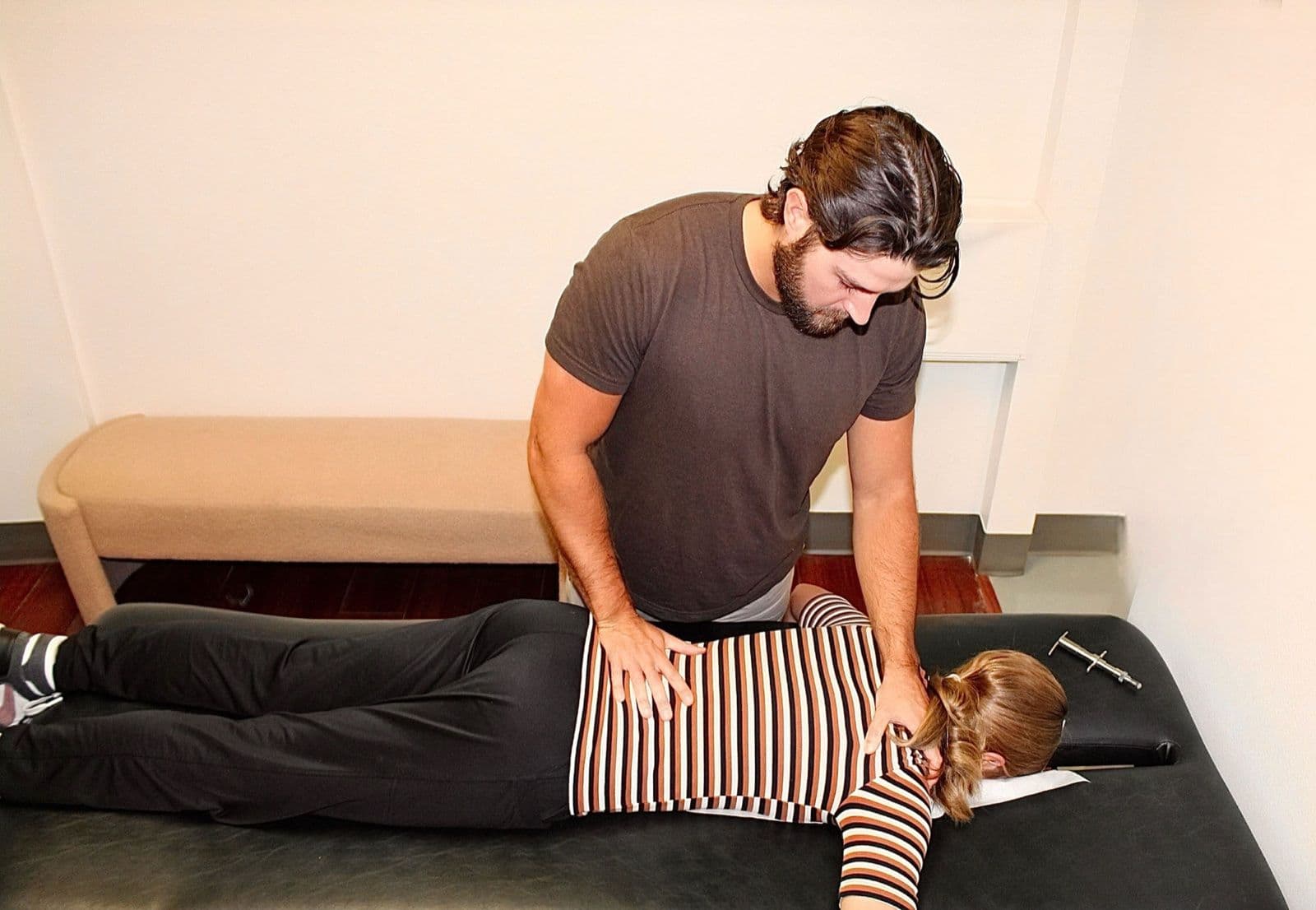
At The Roots Health Centers, a post-accident visit starts with a consultation about how the accident happened and what you're feeling — even symptoms that seem minor or unrelated. From there, we perform a full neurological evaluation and any necessary X-rays to get a clear picture of what's actually going on in your spine and nervous system, not just where it hurts most.
Every accident is different, and so is every recovery, so we don't hand out a one-size-fits-all plan. Your doctor's recommendations are built around what your evaluation actually shows. Our auto accident recovery care is designed specifically around this kind of evaluation-first approach, using Torque Release Technique — a gentle, low-force method — where chiropractic care is part of your plan.
If you've already started a PIP claim, bring your claim number and any paperwork you have; if you haven't started one yet, our team can help you understand the next steps.
Frequently Asked Questions
How long do I have to see a doctor after a car accident in Florida? Florida's PIP law requires initial medical care within 14 days of the accident for PIP coverage to apply to accident-related treatment. Getting evaluated sooner rather than later gives you the most room to address that deadline.
What if I don't feel injured after a car accident? Adrenaline can mask pain for hours or days, and injuries like whiplash and concussions often build gradually. Feeling okay immediately after a crash doesn't rule out an injury — it's part of why the 14-day evaluation window exists in the first place.
Will my insurance cover chiropractic care after an accident? In many cases, PIP covers medically necessary care after an accident, including chiropractic evaluation and care, but coverage details vary. We offer a complimentary benefits check at your first visit so you understand your specific situation.
What should I bring to my first appointment after a car accident? A photo ID, your insurance information (including PIP details if you have them), and any paperwork from the accident, such as a police report, if you have one.
Can whiplash symptoms show up days after the accident? Yes. It's common for neck stiffness, headaches, and related symptoms to build gradually over the days following a crash rather than appearing right away.
If you've been in a car accident, don't wait to find out what's actually going on in your body. Schedule a complimentary consultation at The Roots Health Centers in Lakewood Ranch, FL, or call (941) 877-1507 — and remember, Florida's 14-day PIP window means sooner is always better than later.
The Roots Health Centers, 8209 Natures Way, Unit 115, Lakewood Ranch, FL 34202.