

Pinched Nerve in Neck: Symptoms and How to Find Relief

A pinched nerve in the neck usually announces itself with a specific pattern: sharp or burning pain that starts near your neck or shoulder blade and travels down your arm, sometimes with numbness, tingling, or weakness in your hand. If that sounds familiar, you're dealing with cervical radiculopathy — a nerve root in your neck being compressed or irritated as it exits your spine. Here's how to recognize it, what's usually causing it, and what actually helps.
What Does a Pinched Nerve in the Neck Feel Like?
The hallmark of a pinched nerve in the neck is pain that doesn't stay in your neck. Common symptoms include:
- Sharp, burning, or electric-shock pain radiating from the neck into the shoulder, arm, or hand
- Numbness or tingling along the arm, often following a specific path depending on which nerve root is involved
- Weakness in the arm, hand, or grip strength
- Pain that worsens when you turn your head, look up, or hold your neck in certain positions
- A stiff neck with a reduced range of motion
Not everyone gets the full pattern. Some people mostly notice arm symptoms with very little neck pain at all, which is part of why a pinched nerve in the neck sometimes gets mistaken for a shoulder or elbow problem at first.
What Causes a Pinched Nerve in the Neck?
A nerve gets "pinched" when something in the surrounding structures — a disc, a joint, soft tissue — narrows the space where the nerve root exits the spine and puts pressure on it. Common contributors include a herniated or bulging disc, degenerative changes in the neck over time, poor posture and tech neck from long hours looking down at a phone or screen, muscle tension that pulls the neck out of its normal alignment, and less often, an acute injury like whiplash. Because so many everyday habits contribute — desk setup, phone posture, sleep position — it's common for symptoms to build up gradually rather than appear all at once.
Could It Be Something Else? When to See a Doctor First
Most pinched nerves in the neck are mechanical and respond well to conservative care, but a few symptoms deserve a physician's attention before anything else: sudden weakness or numbness affecting both arms or legs, loss of bladder or bowel control, severe pain after a fall or car accident, or dizziness paired with other neurological symptoms like slurred speech or vision changes. Those patterns point toward something that needs medical evaluation first, not a wait-and-see approach. If your symptoms are the more typical pattern — one-sided arm pain, numbness, or tingling that built up over time — a chiropractic evaluation is a reasonable starting point.
How Chiropractic Care May Help
At The Roots Health Centers, care for a pinched nerve in the neck starts with a full neurological evaluation and any necessary X-rays to understand exactly which nerve root is involved and what's contributing to the compression. From there, chiropractic care using Torque Release Technique aims to restore normal motion and relieve pressure on the affected nerve, rather than just numbing the pain. Every case is different — how a nerve responds depends on how long it's been irritated and what's driving the compression — so we build a personalized plan around what your evaluation actually shows instead of a one-size-fits-all protocol.
Easing Symptoms While You Wait for Your Evaluation
A few things that may take some pressure off in the meantime: avoid sleeping on your stomach with your neck twisted to one side, use a supportive pillow that keeps your neck in a neutral position, take breaks from looking down at your phone or laptop, and avoid holding your neck in one position for long stretches. Gentle neck stretches can help some people, but stop anything that increases numbness, tingling, or shooting pain into your arm — that's your body's signal to back off, not push through.
Frequently Asked Questions
What does a pinched nerve in the neck feel like? Most people describe sharp, burning, or electric-shock pain that starts near the neck or shoulder blade and radiates down the arm, often with numbness, tingling, or weakness in the hand.
What causes a pinched nerve in the neck? Common causes include a herniated or bulging disc, degenerative changes in the spine, poor posture, muscle tension, and less often an acute injury. It often builds up gradually rather than happening all at once.
Can a pinched nerve in the neck cause dizziness? It's possible for neck issues to contribute to dizziness, but dizziness paired with other neurological symptoms like slurred speech, vision changes, or weakness needs prompt medical evaluation rather than being assumed to be a pinched nerve.
How should I sleep with a pinched nerve in my neck? Many people find it more comfortable to sleep on their back or side with a supportive pillow that keeps the neck in a neutral position, avoiding positions that twist or compress the neck.
How long does a pinched nerve in the neck take to improve? It varies significantly from person to person depending on the cause and how long it's been present. Rather than a fixed timeline, we build a personalized plan based on what your evaluation shows and track your progress from there.
If neck pain is radiating into your arm or hand, schedule a complimentary consultation at The Roots Health Centers in Lakewood Ranch, FL, or call (941) 877-1507. We'll walk you through a full evaluation and help you understand what's actually going on.
The Roots Health Centers, 8209 Natures Way, Unit 115, Lakewood Ranch, FL 34202.
Conditions We Treat
Pinched Nerve
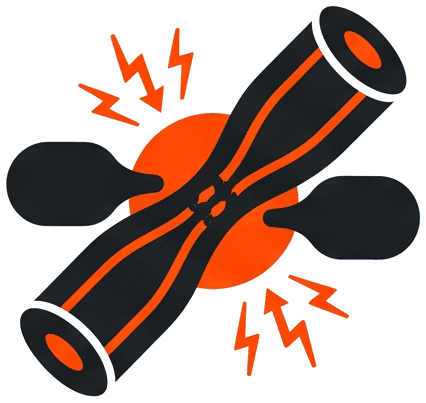
A pinched nerve is a mechanical problem — a disc, joint, or inflamed tissue pressing on a nerve where it exits the spine. The pain, tingling, or numbness travels the nerve's path, which is why arm symptoms so often start in the neck.

Neck Pain
Precise cervical adjustments and decompression that restore alignment, reduce nerve pressure, and eliminate chronic neck pain at its source.
Services Related to This Post
Keep Reading
Related articles
Pinched Nerve: Signs, Causes, and How to Find Relief
Numbness, tingling, or radiating pain? Learn what a pinched nerve is, where they happen, how to relieve one at home, and when to seek care.
Read articleAre Chiropractors Safe? What to Know Before Your First Visit
Wondering if chiropractic adjustments are safe? Here's what the research shows, what the risks really are, and what to look for in a provider.
Read article