

Symptom
Bedwetting
Pediatric — a common pattern that often resolves with time
Bedwetting in children is common and usually resolves with development. Persistent issues warrant medical evaluation. Lower thoracic and sacral nerve support has been observed to help regulation in some cases.
By Dr. Logan Swaim · Last updated August 12, 2026
Get help with Bedwetting
Three quick questions — we'll call you within 24 business hours.
About Bedwetting
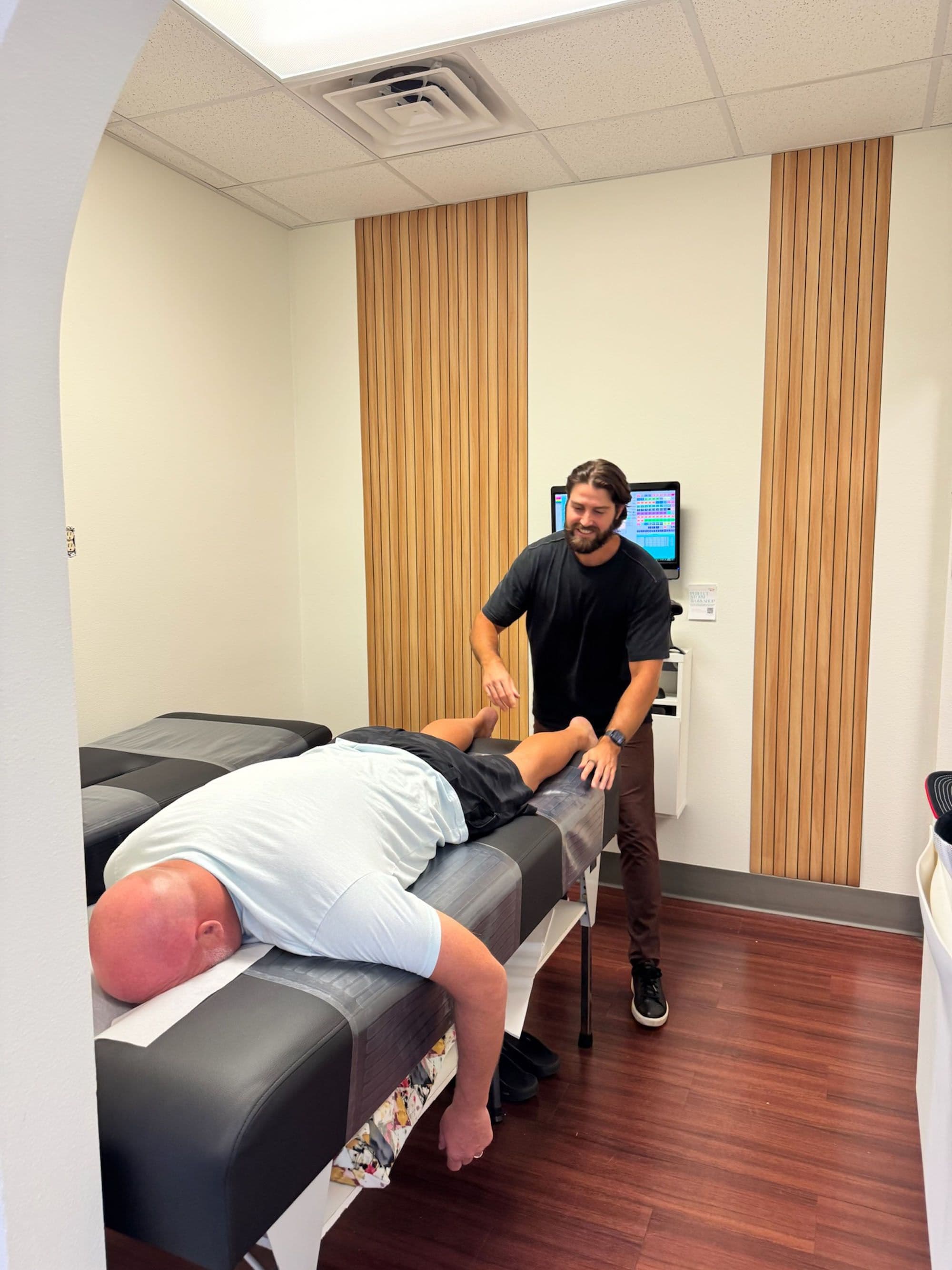
Bedwetting, sometimes called nighttime wetting, is very common in children and is almost always a normal part of growing up. For many kids, the body is simply still learning to coordinate a full night of bladder control, and most outgrow it on their own with time. The nervous system is part of this story. The nerves in the lower back and the sacral area, near the base of the spine, help carry signals between the brain and the bladder, including the messages that say hold on and the ones that wake a child when the bladder is full. As those connections mature, dry nights tend to follow.
There is no shame in bedwetting, for the child or the parent, and it is rarely about laziness or doing something wrong. Patterns often run in families, and things like deep sleep, daytime stress, changes in routine, constipation, or simply a body that needs more time can all play a role. Because the lower-back and sacral nerves are so involved in bladder signaling, tension or irritation in that area is one of the things worth looking at as part of the bigger picture, alongside sleep, hydration habits, and overall development.
Our approach starts with a thorough evaluation to understand how the nervous system is functioning, with gentle attention to the lower back and sacral area. From there, any care we offer is gentle and personalized, with the goal of supporting the nerve communication involved in healthy bladder function. We make no promises or guarantees, and we work alongside your child's pediatrician, never in place of them. If your pediatrician is monitoring the bedwetting, we are glad to be one reassuring, supportive part of the team while your child's body continues to grow on its own timeline.
Where We See This
Common contexts in our office
- A young child whose body is still learning nighttime bladder control
- A family history of bedwetting that lasted into later childhood
- Deep sleepers who do not wake when the bladder is full
- Wetting that comes alongside constipation or daytime routine changes
The Nervous System Map
What this can be connected to
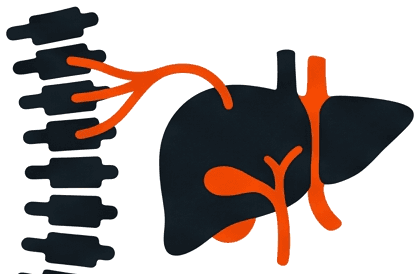
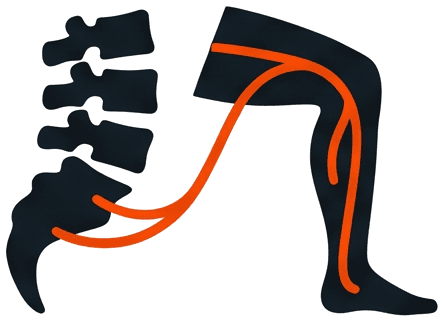
Per traditional chiropractic philosophy plus the patterns we see clinically, bedwetting is often associated with these regions or systems. Click any to read more.
Body systems


When To Seek Medical Care
Talk to your doctor first if…
Most bedwetting is normal, but some signs mean a doctor should take a look. See your child's pediatrician if a child who was reliably dry at night suddenly starts wetting again, or if bedwetting comes with pain or burning when urinating, excessive thirst, unexplained weight loss, fever, blood in the urine, snoring or pauses in breathing during sleep, daytime accidents in an older child, or new tummy or back pain. These can point to things like a urinary infection or other conditions worth evaluating. This page is educational and is not a substitute for medical care.
Common Questions
About bedwetting
Related Reading
Articles about bedwetting
Who You'll See
Doctors who see this every week
The Roots Health Centers is led by the same doctors at every visit — no rotating providers. Care starts with a full neurological evaluation, and a doctor walks you through what it found before anything else is recommended.



Inside the clinic
Where the work happens.
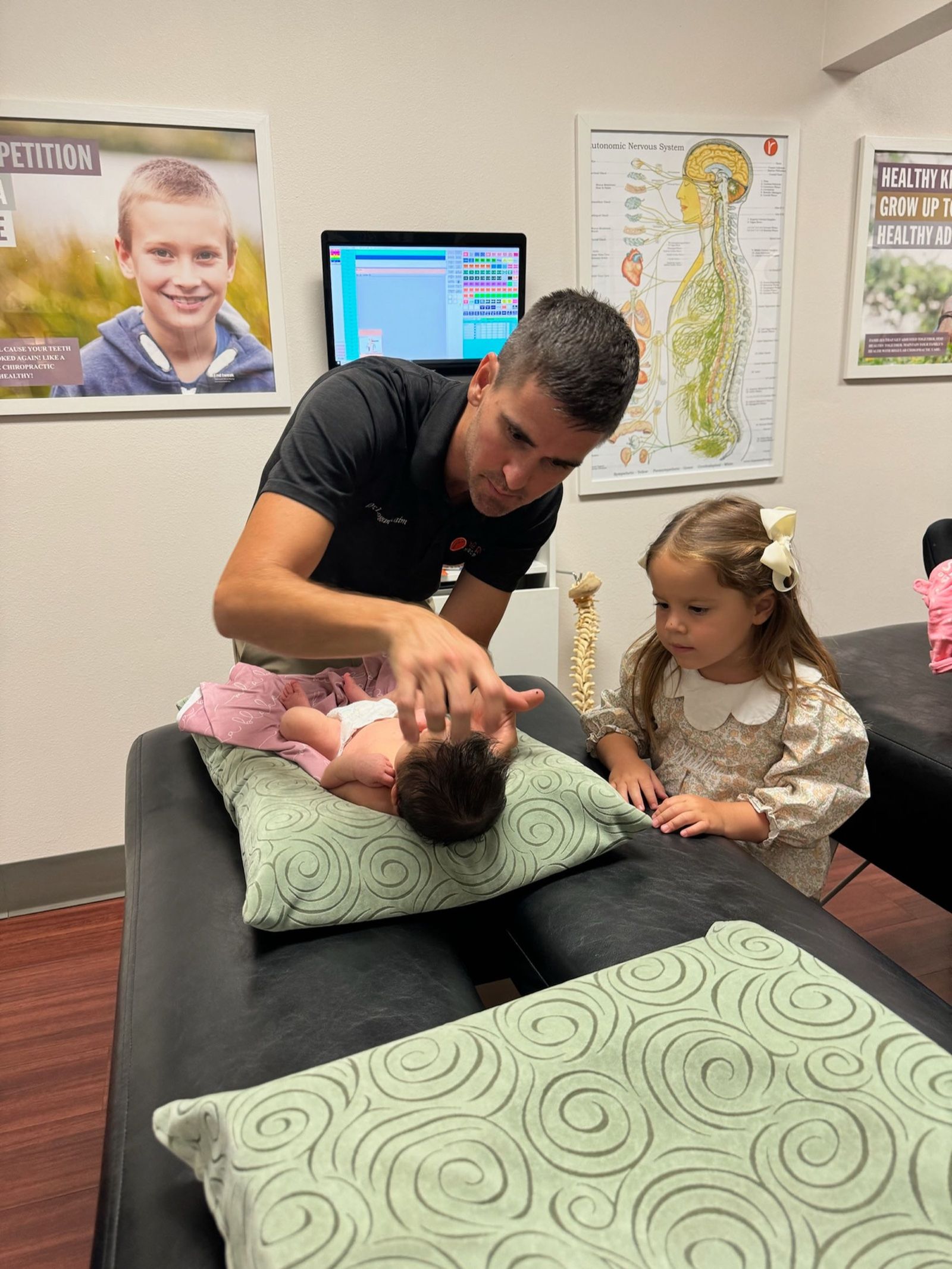
Dr. Logan in the office.
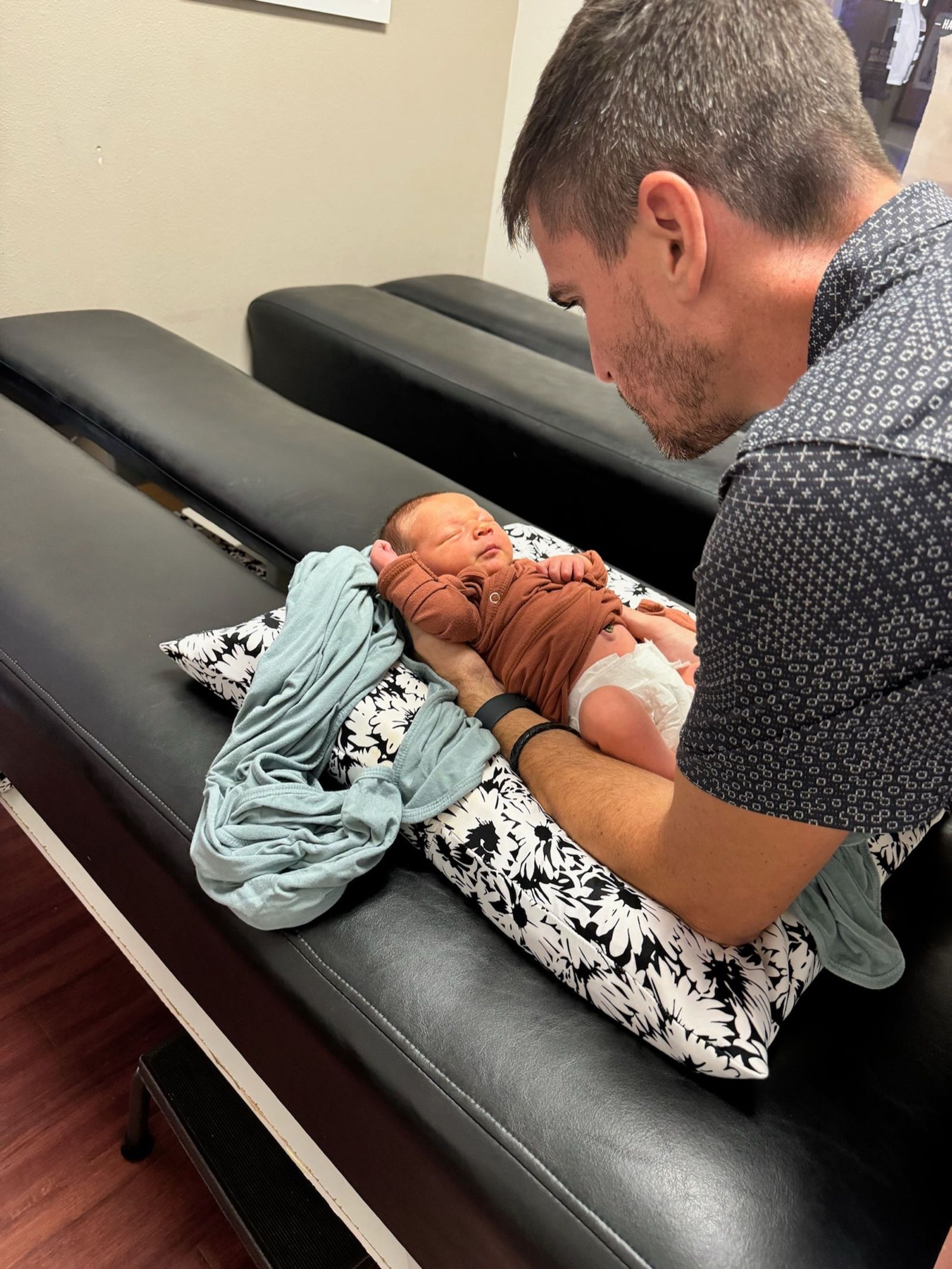
Dr. Logan in the office.

Dr. Laura in the office.
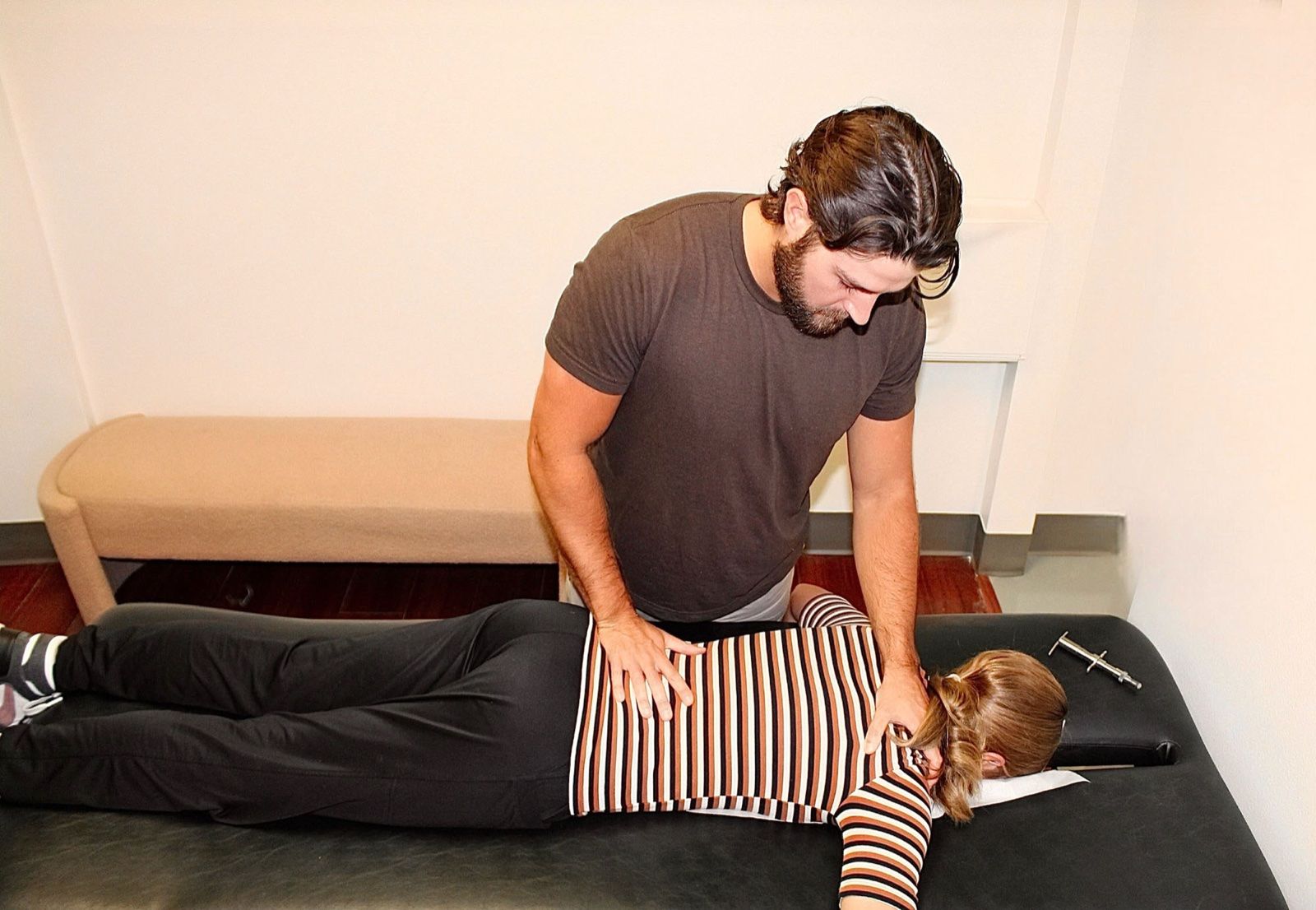
Dr. Fox at work.
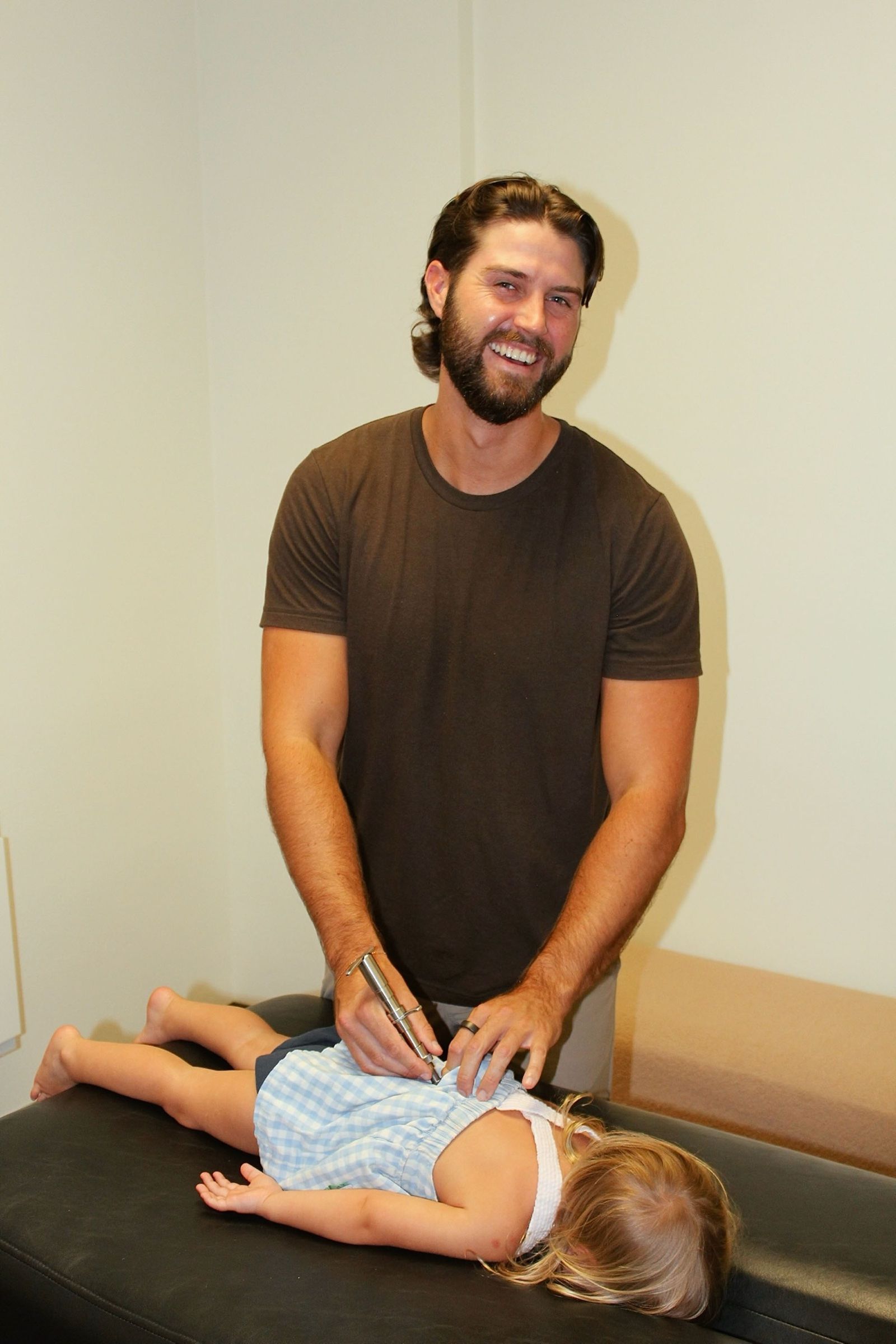
Precision over pressure — care that addresses the cause.
Keep Exploring
Meet the team
Please see your medical doctor first about this concern. Chiropractic care is a complementary approach to support nervous-system regulation alongside (not in place of) appropriate medical care.
Want a personalized look at your nervous system?
Start with a complimentary consultation. We use a neurological evaluation to map what's going on — no commitment, no cost.