

Symptom
Constipation & Gas
Lower GI patterns we commonly hear about
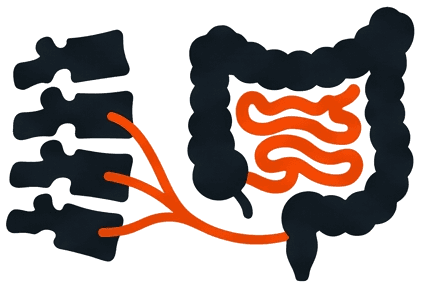
Chronic constipation, gas, or bloating. Lower thoracic and lumbar nerve supply influences gut motility and digestive function.
By Dr. Logan Swaim · Last updated August 12, 2026
Get help with Constipation & Gas
Three quick questions — we'll call you within 24 business hours.
About Constipation & Gas
Chronic constipation and excess gas point to a digestive system that is moving slower or less smoothly than it should. The pace of your gut, known as motility, is largely set by the nervous system, which signals the intestines when to contract and move things along. Much of that nerve supply travels from the lower-thoracic and lumbar spine. When those signals are dysregulated, the gut can slow down, stool can become hard and infrequent, and gas can build up and cause discomfort.
The pattern is often shaped by low fiber or fluid intake, a sedentary routine, stress, certain medications, and an imbalanced gut. The gut-brain connection plays a real role here too, since the same nervous system that manages stress also manages digestion. Because the lower-thoracic and lumbar nerves help drive gut motility, tension or restriction through the mid and lower back can be part of a picture that diet changes alone do not fully resolve.
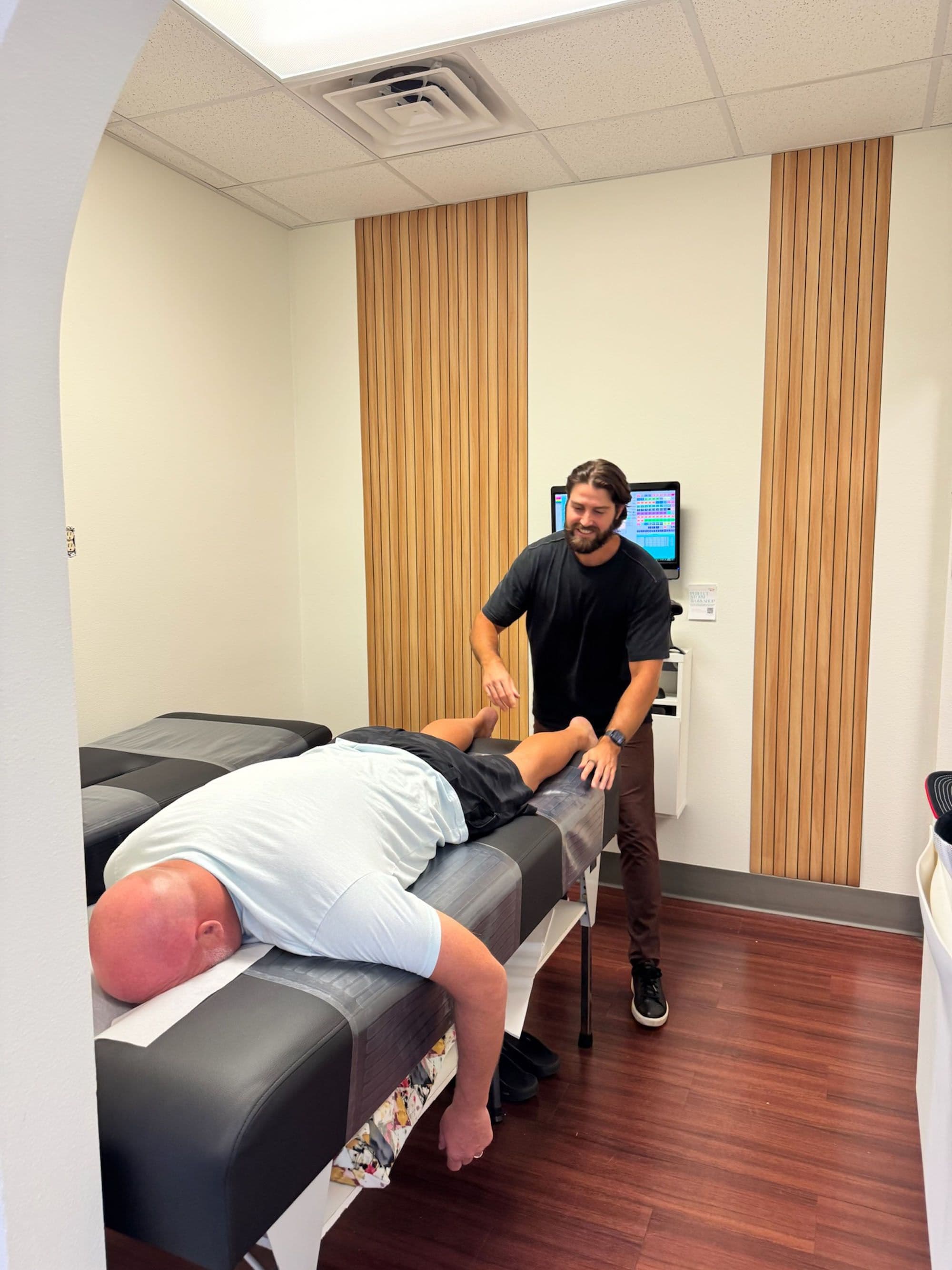
Our approach looks at the nerve supply behind your digestion, not just the diet around it. We map the nervous system first with a thorough neurological evaluation to understand how the regulating side of your nervous system and the related areas of your spine are functioning. Then we build a personalized care plan with gentle, hands-on care meant to support healthy regulation, working alongside your medical care and any guidance from your physician or dietitian.
Where We See This
Common contexts in our office
- Often tied to low fiber, low fluid intake
- Common with a sedentary or sitting-heavy routine
- Frequently worse during stressful stretches
- Tends to accompany certain medications
The Nervous System Map
What this can be connected to
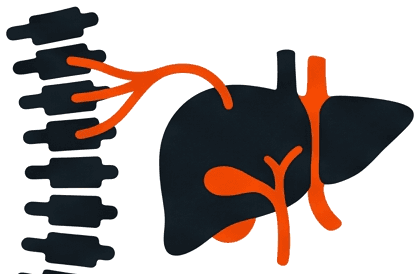
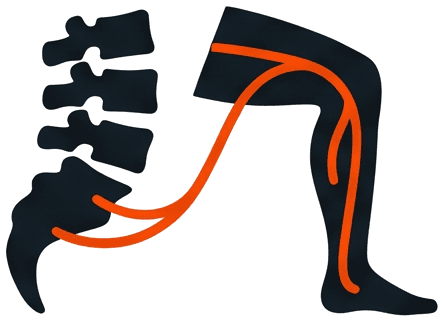
Per traditional chiropractic philosophy plus the patterns we see clinically, constipation & gas is often associated with these regions or systems. Click any to read more.
Body systems
When To Seek Medical Care
Talk to your doctor first if…
Certain digestive changes call for prompt medical evaluation. See a doctor right away for blood in your stool or black, tarry stools, unexplained weight loss, severe or persistent abdominal pain, or constipation paired with vomiting and an inability to pass gas, which can signal a blockage. A sudden, marked change in your bowel habits that lasts more than a couple of weeks should also be checked by your physician, since ongoing constipation can sometimes reflect a condition that needs medical management.
From Our Doctors
Hear it from the team
Dr. Logan Swaim — Three Pillar Health Approach”
More from the team



Common Questions
About constipation & gas
Related Reading
Articles about constipation & gas
What Is a Chiropractic Neurological Evaluation? How We Measure Your Nervous System
A chiropractic neurological evaluation uses surface EMG, thermal scanning, and heart rate variability to show how your nervous system is actually functioning — not just where it hurts. Here is what each measurement means and why it matters for your care.
Read articleWhat Is Corrective Chiropractic — And How Is It Different?
Most chiropractors focus on temporary symptom relief. Corrective chiropractic is designed to make lasting structural changes — here's how.
Read articleFamily Chiropractic: What Happens When Your Whole Family Gets Adjusted
Most families discover chiropractic through one person. Then something shifts — and suddenly everyone's under care. Here's why that keeps happening at Little Roots.
Read articleWho You'll See
Doctors who see this every week
The Roots Health Centers is led by the same doctors at every visit — no rotating providers. Care starts with a full neurological evaluation, and a doctor walks you through what it found before anything else is recommended.



Inside the clinic
Where the work happens.
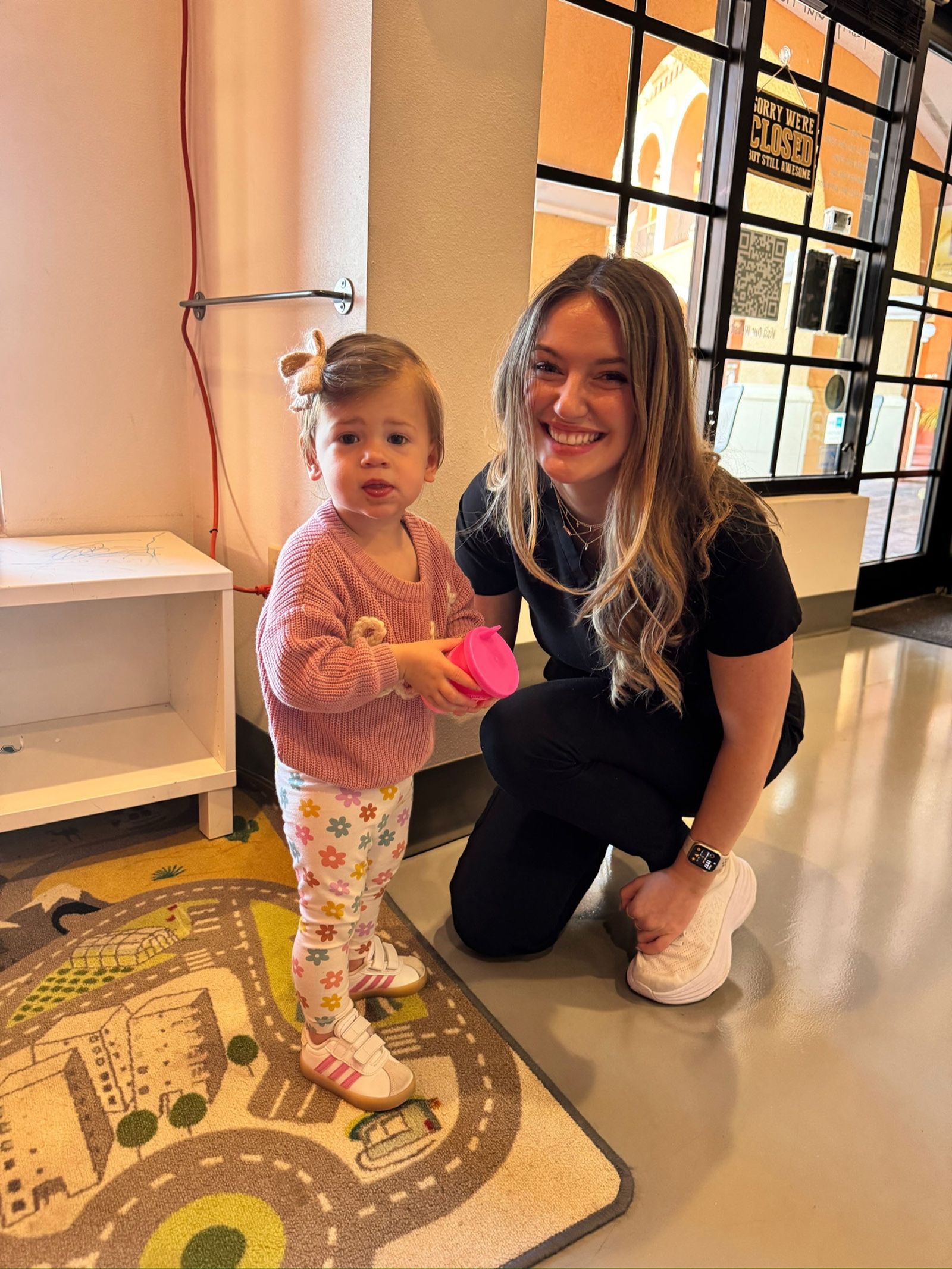
Carly — patient care that feels like family.

Precision over pressure — care that addresses the cause.

Carly — patient care that feels like family.

Dr. Fox at work.
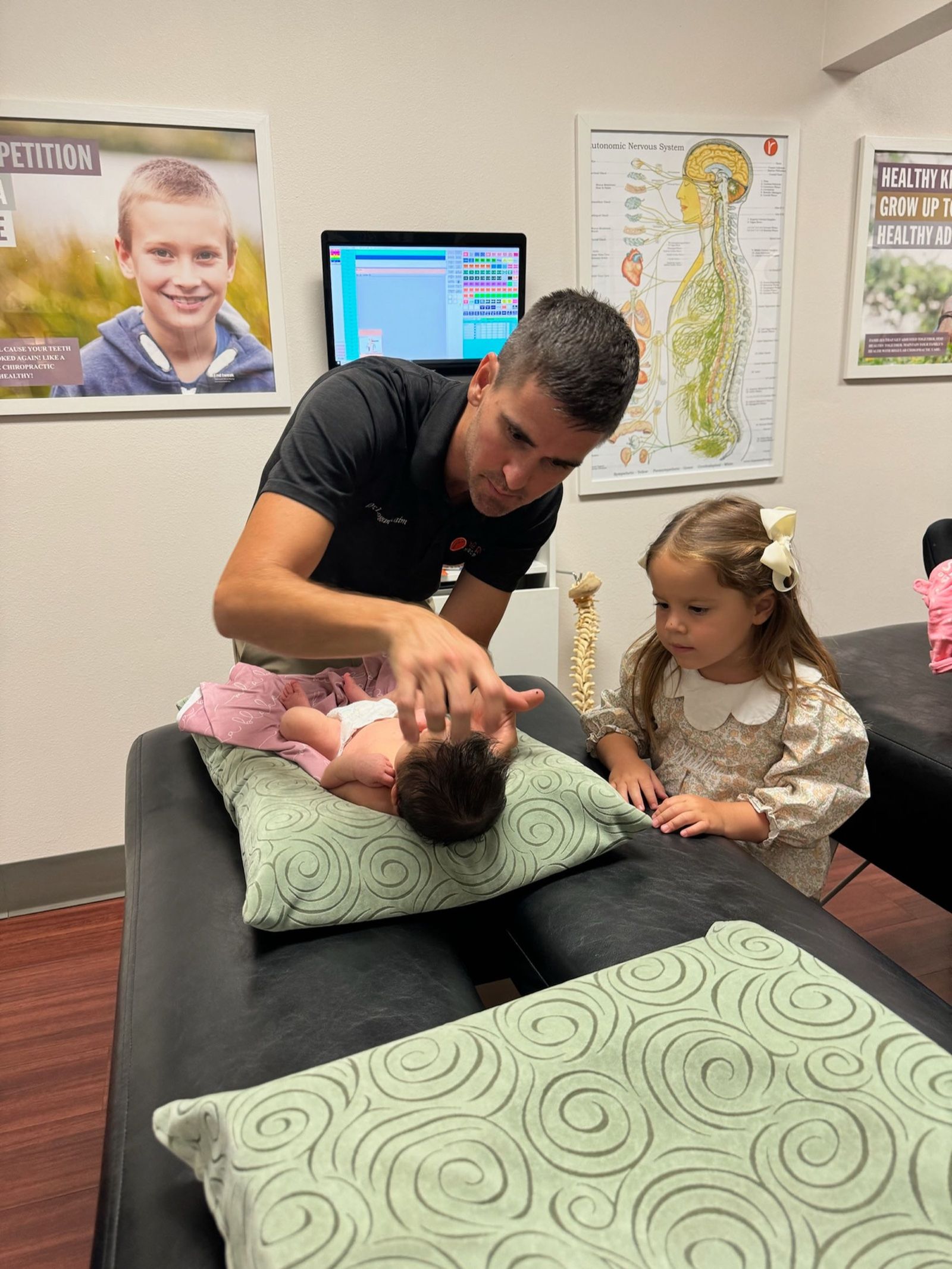
Dr. Logan in the office.
Keep Exploring
Meet the team
This page is educational, not medical advice. Always consult your medical doctor for serious health concerns; chiropractic care complements but doesn't replace primary medical care.
Want a personalized look at your nervous system?
Start with a complimentary consultation. We use a neurological evaluation to map what's going on — no commitment, no cost.