

Symptom
Radiating Pain
Pain that travels along a nerve path
Pain that travels along a nerve path — down an arm, leg, or across the chest. Almost always indicates nerve compression or irritation that needs structural assessment.
By Dr. Logan Swaim · Last updated August 12, 2026
Get help with Radiating Pain
Three quick questions — we'll call you within 24 business hours.
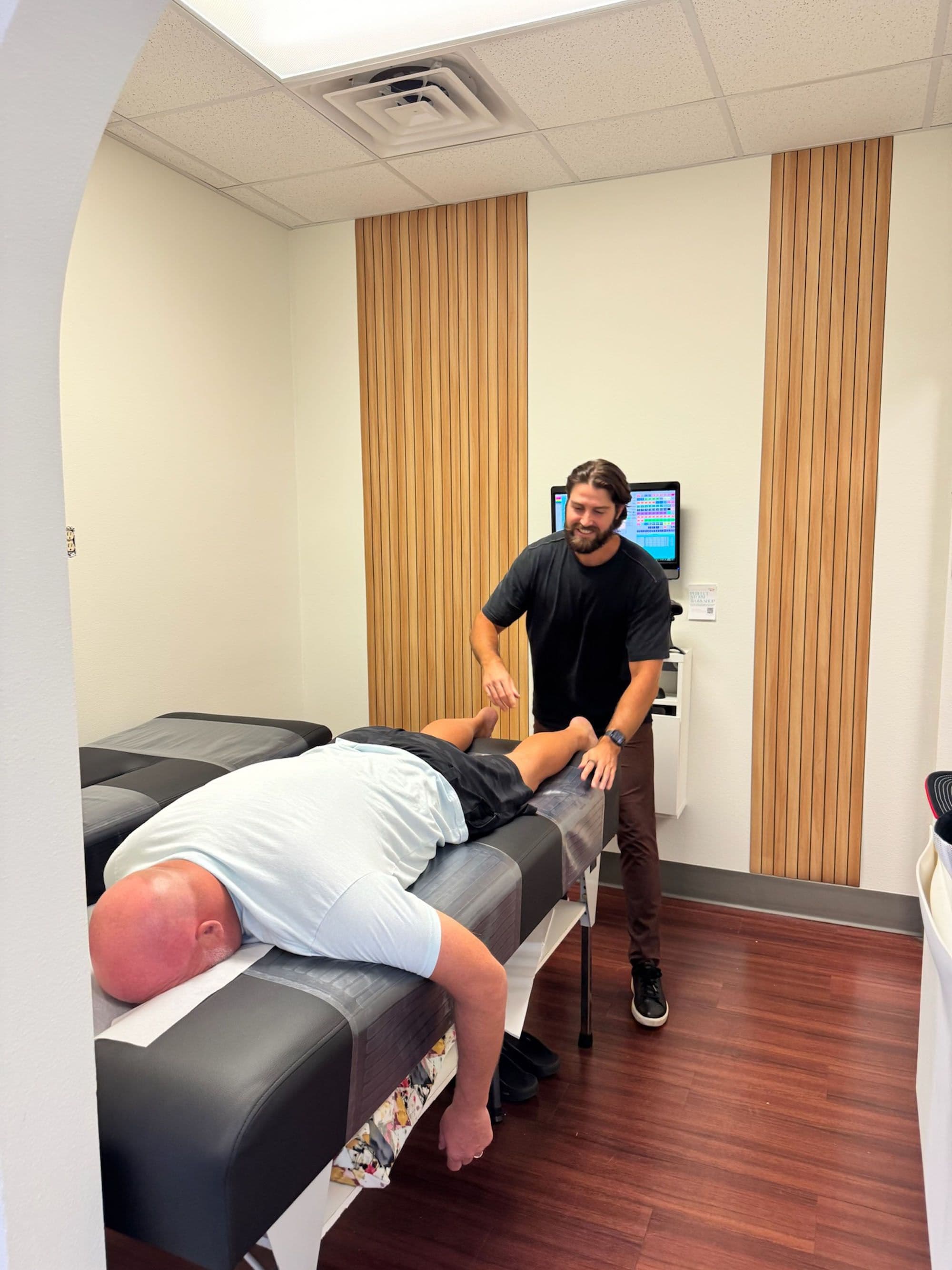
About Radiating Pain
Radiating pain is your nervous system telling you, very specifically, that a nerve is irritated. The pain follows the path the nerve takes — down the arm if it's a cervical nerve, down the leg if it's a lumbar nerve, around the rib cage if it's a thoracic nerve. The pattern tells us where the problem is.
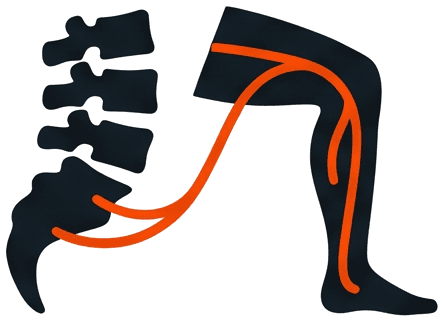
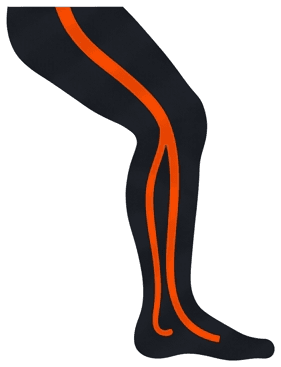
Sciatica is the classic example: pain that starts in the lower back and shoots down the leg, sometimes all the way to the foot. It's almost always traceable to compression or irritation of one of the lumbar or sacral nerve roots. Cervical radiculopathy follows the same logic for the arm.
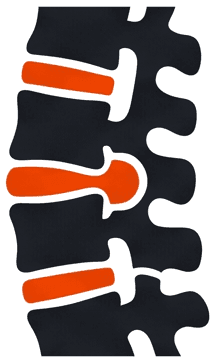
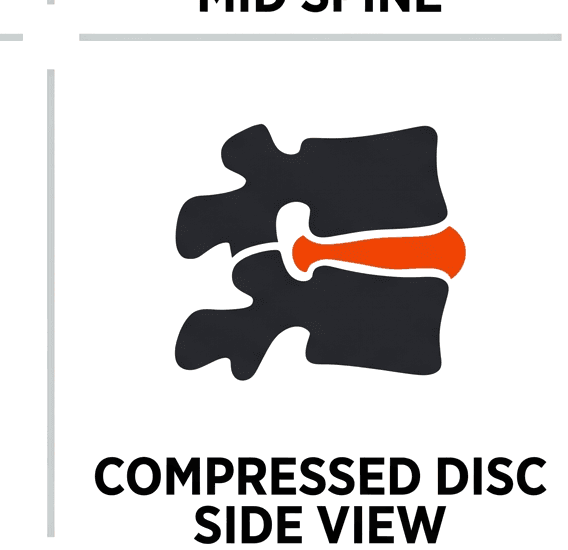
Care depends on what's causing the compression. A bulging disc may respond beautifully to spinal decompression. A facet joint dysfunction often responds to chiropractic adjustment. A muscle entrapping the nerve (piriformis, scalene) needs soft-tissue work. We map the source first, then match the care to it.
Where We See This
Common contexts in our office
The Nervous System Map
What this can be connected to
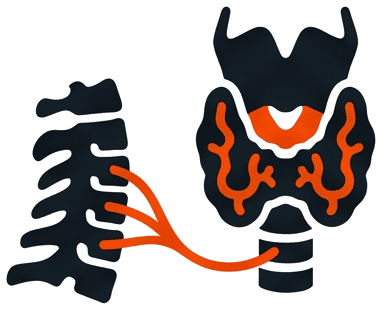
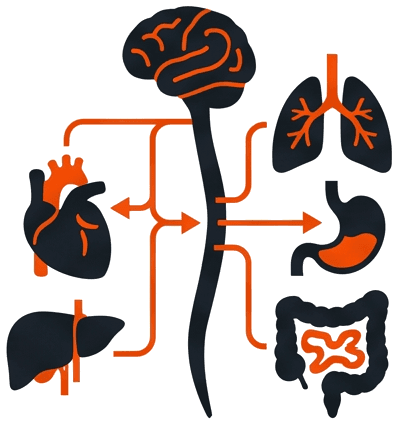
Per traditional chiropractic philosophy plus the patterns we see clinically, radiating pain is often associated with these regions or systems. Click any to read more.

When To Seek Medical Care
Talk to your doctor first if…
Radiating pain paired with bowel/bladder dysfunction, saddle anesthesia, or progressive weakness — go to the ER. This can indicate cauda equina syndrome, a surgical emergency. Chest pain radiating down the left arm — also ER.
From Our Doctors
Hear it from the team
Dr. Logan Swaim — Gentle Chiropractic no Cracking”
More from the team
Related Reading
Articles about radiating pain
Sciatica: What Causes It, What It Feels Like, and How to Find Relief Without Surgery
Sciatica is nerve pain that travels from your low back down the leg. Here's what causes it, the red flags to know, and a non-surgical path to relief.
Read articlePinched Nerve: Signs, Causes, and How to Find Relief
Numbness, tingling, or radiating pain? Learn what a pinched nerve is, where they happen, how to relieve one at home, and when to seek care.
Read articleHerniated Disc vs. Bulging Disc: What's the Difference?
Both show up on MRIs, both can cause pain — but they're not the same thing. Here's how to tell the difference and what your options are.
Read articleWho You'll See
Doctors who see this every week
The Roots Health Centers is led by the same doctors at every visit — no rotating providers. Care starts with a full neurological evaluation, and a doctor walks you through what it found before anything else is recommended.



Inside the clinic
Where the work happens.

Dr. Fox at work.
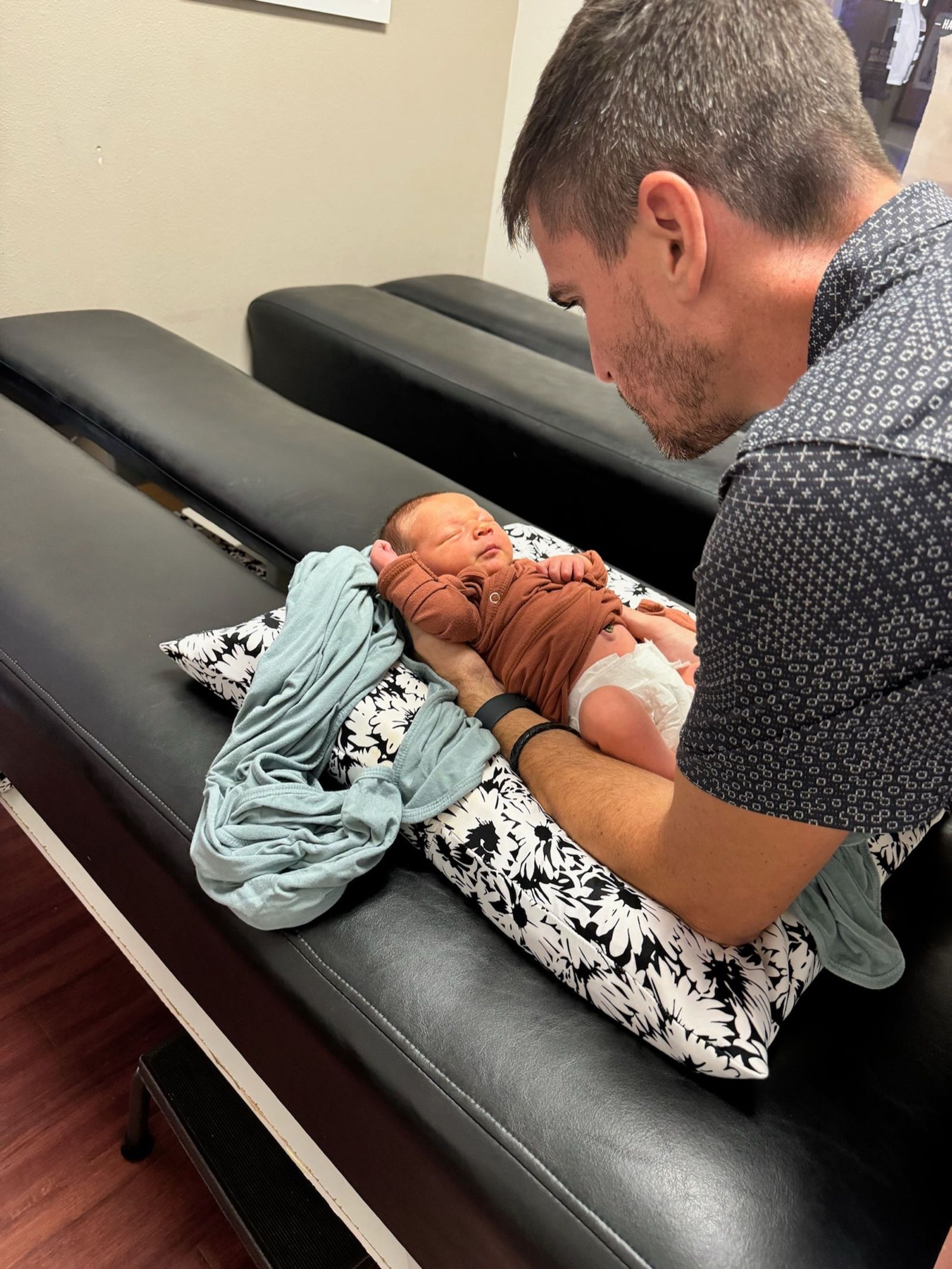
Dr. Logan in the office.
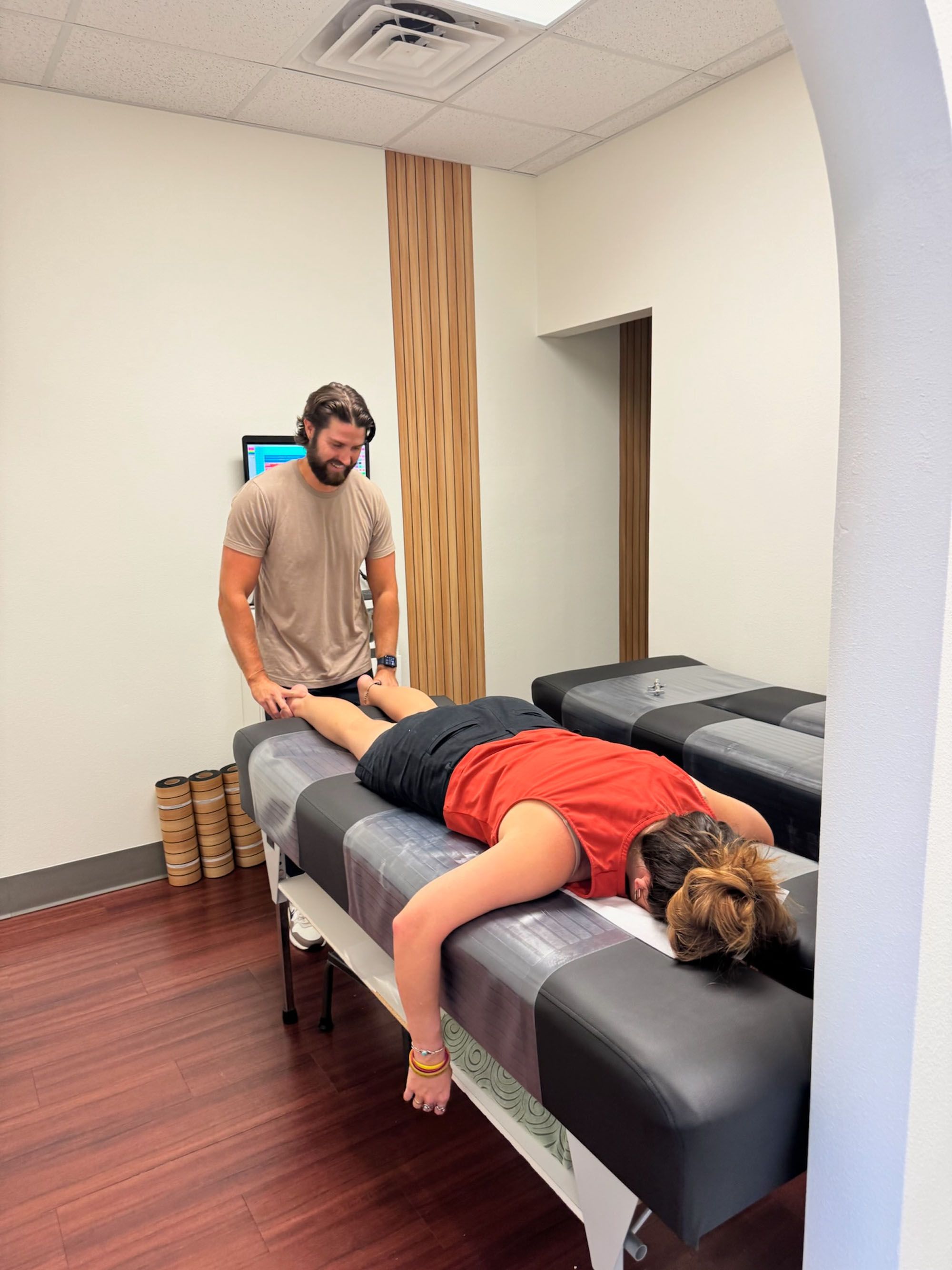
Precision over pressure.

Dr. Logan's neuropathy book — free at every visit.

Precision over pressure — care that addresses the cause.

Carly — patient care that feels like family.
Keep Exploring
Meet the team
This page is educational, not medical advice. Always consult your medical doctor for serious health concerns; chiropractic care complements but doesn't replace primary medical care.
Want a personalized look at your nervous system?
Start with a complimentary consultation. We use a neurological evaluation to map what's going on — no commitment, no cost.