

Are Chiropractors Real Doctors? DC vs. MD, Explained
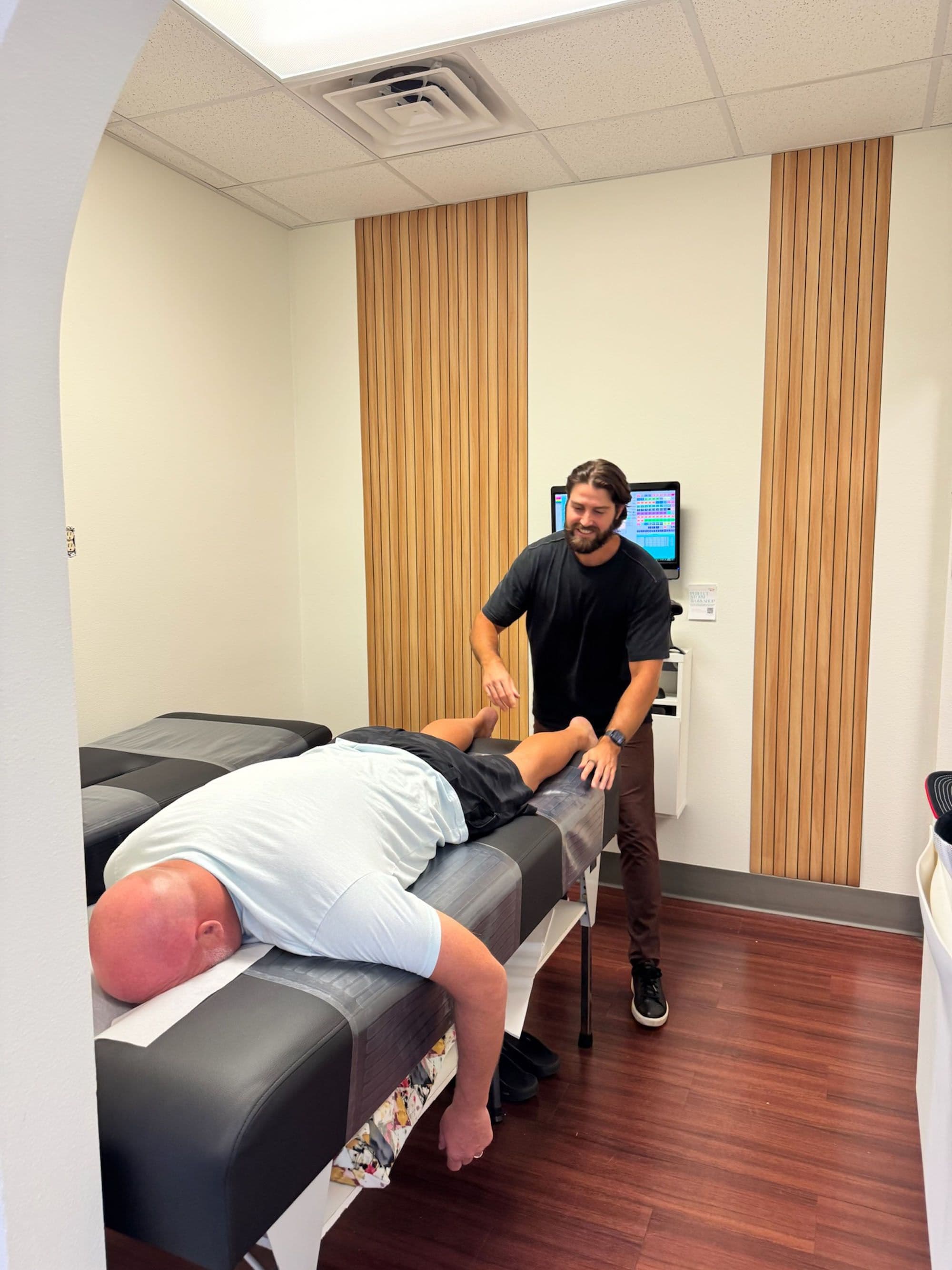
If you've ever wondered whether chiropractors are "real doctors," you're asking a fair question — and the honest answer is a little more nuanced than a simple yes or no. Chiropractors are licensed doctors of a specific kind: Doctors of Chiropractic (DC), not Doctors of Medicine (MD). Both complete years of rigorous, accredited graduate-level training, but the training itself — and what each is licensed to do — is genuinely different. Here's what a Doctor of Chiropractic actually studies, how that path compares to a medical doctor's, and what it means for the care you receive.
Why the Question Comes Up So Often
Part of the confusion is understandable. Chiropractic care isn't something most people learn about growing up the way they learn about a family doctor, and the profession has occasionally been misrepresented online and in casual conversation. Add to that the fact that "doctor" gets used loosely everywhere — from marketing titles to honorary degrees — and it makes sense that patients want a clear, honest answer instead of a defensive one. So let's actually answer it, starting with what the letters after a chiropractor's name mean.
What "DC" Actually Means
A Doctor of Chiropractic (DC) is a licensed healthcare provider who has completed a chiropractic degree at an accredited chiropractic college — typically a four-year graduate program that follows a bachelor's degree, in a structure similar to how medical school follows pre-med undergraduate coursework. To practice, a DC must also pass national board examinations and hold a state license, the same general licensing framework that applies to MDs, DOs, dentists, and other regulated healthcare professions in Florida. "Doctor" in this context refers to the graduate degree earned — the same way it does for a Doctor of Dental Surgery or a Doctor of Optometry — not a claim of being a medical physician. It's a distinction worth understanding, not something to be suspicious of.
What Chiropractic School Actually Involves
Chiropractic education shares many of the same foundational sciences as medical school: anatomy, physiology, biochemistry, neurology, pathology, and diagnostic imaging are all part of the core curriculum, alongside thousands of hours of classroom and supervised clinical training. Where the two paths diverge is in specialization. Medical school builds toward pharmacology and surgical intervention across the whole body. Chiropractic training builds toward a deep, specific understanding of the spine and nervous system — including how to read X-rays for structural and neurological findings, how to perform a full neurological evaluation, and how to apply corrective techniques safely and precisely. Supervised clinical internships are required before a DC can practice independently — similar in structure, though different in focus, to a medical residency.
DC vs. MD: Where the Training Overlaps and Where It Differs
Both DCs and MDs complete years of accredited graduate education, pass rigorous licensing board exams, and must complete ongoing continuing education to keep their license active. The real differences come down to scope and focus, not rigor:
- Medical doctors (MDs) train broadly across the entire body, with a curriculum that includes pharmacology and surgery, followed by residency training in a chosen specialty.
- Doctors of Chiropractic (DCs) train specifically in the spine, nervous system, and musculoskeletal function, using hands-on evaluation and care rather than medication or surgery.
Neither path is "lesser" than the other; they're built for different kinds of care. Chiropractors do not prescribe medication or perform surgery, and a responsible DC will always refer a patient to a medical provider when something falls outside chiropractic scope — the same way a responsible MD refers a patient to a specialist when a case calls for it.
What Chiropractors Are (and Aren't) Trained to Do
In Florida, licensed chiropractors are trained and authorized to perform physical and neurological exams, order and interpret X-rays relevant to their scope, and provide chiropractic adjustments and related therapies for musculoskeletal and nervous-system concerns. What a DC does not do is prescribe medication, perform surgery, or manage conditions outside that scope — which is exactly why a good relationship between your chiropractor and your primary care physician matters. Care works best as a team effort, not a competition between provider types.
What This Looks Like at The Roots Health Centers
At The Roots Health Centers, every new patient starts with a consultation and a full neurological evaluation — a hands-on look at how your spine and nervous system are functioning, along with any necessary X-rays, before any care is recommended. Our doctors, Dr. Logan Swaim and Dr. Laura Swaim, are both Webster Technique-certified, and our chiropractic care uses Torque Release Technique, a gentle, low-force approach to adjustments. Whether you've been dealing with ongoing back pain, neck pain, or something that hasn't been fully explained yet, we work alongside your existing medical care rather than in place of it. If something in your evaluation looks like it needs medical attention beyond our scope, we'll tell you directly and help you figure out the next step. We've also written more about whether chiropractic adjustments are safe, if that's part of what's on your mind.
Frequently Asked Questions
Is a chiropractor a real doctor? Yes, in the sense that matters legally and clinically: chiropractors are licensed Doctors of Chiropractic who completed an accredited graduate program and passed national board exams. They are not medical doctors (MDs), and they don't claim to be — it's a different, specific type of doctoral training focused on the spine and nervous system.
Can chiropractors prescribe medication? No. Doctors of Chiropractic are not licensed to prescribe medication or perform surgery. Care focuses on hands-on evaluation and chiropractic adjustments, and a good chiropractor will refer you to a medical provider for anything outside that scope.
Do chiropractors go to medical school? No — they attend an accredited chiropractic college, a separate graduate-level doctoral program with its own board exams and licensing requirements. It's not a shorter or lesser version of medical school, but a differently focused one.
Can chiropractors order X-rays? Yes. Licensed chiropractors are trained to order and interpret X-rays relevant to their scope of care, which is part of how we build a full neurological evaluation before recommending anything.
What's the difference between a chiropractor and a physical therapist? Both are licensed, trained providers, but their focus differs. Physical therapists typically work on rehabilitation, strength, and movement therapy following an injury or diagnosis. Chiropractors focus on the spine and nervous system through hands-on evaluation and adjustment. Many people benefit from a combination of the two, though every plan is personalized to what a person's evaluation actually shows.
If you've been putting off care because you weren't sure what a chiropractor could actually help with, that's exactly what a consultation is for. Schedule a complimentary consultation at The Roots Health Centers in Lakewood Ranch, FL, or call (941) 877-1507. We'll walk you through your evaluation and answer every question you have about what we do — and don't — do.
The Roots Health Centers, 8209 Natures Way, Unit 115, Lakewood Ranch, FL 34202.
Conditions We Treat


Services Related to This Post
Keep Reading
Related articles
Are Chiropractors Safe? What to Know Before Your First Visit
Wondering if chiropractic adjustments are safe? Here's what the research shows, what the risks really are, and what to look for in a provider.
Read articleHow Often Should You See a Chiropractor?
There's no one-size-fits-all answer to how often you should see a chiropractor. Here's what actually determines your care frequency, and what to expect at your first visit.
Read article