

Can a Chiropractor Help a Bulging Disc?
If your doctor or an MRI report mentioned a "bulging disc," you've probably already searched whether a chiropractor can actually help — and how urgent this really is. The short answer: for most people, a bulging disc responds well to conservative, non-surgical care, and chiropractic support is often part of that picture. It's rarely an emergency, but it does deserve a real evaluation rather than guesswork, because what helps depends heavily on where the disc is bulging and how it's affecting the nerves around it.
What Is a Bulging Disc, Exactly?
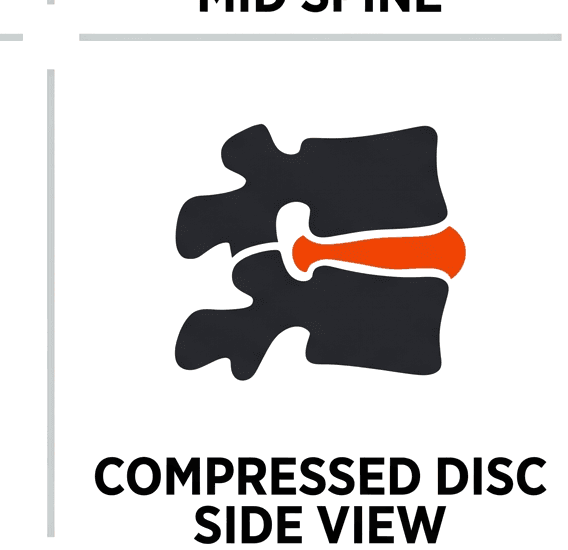
Every spinal disc has a tough outer layer (the annulus) surrounding a softer, gel-like center. A bulging disc happens when that outer layer weakens and the disc protrudes outward, but the inner material stays contained — different from a herniated disc, where the outer layer actually tears and inner material leaks out. We've written a full breakdown of herniated disc vs. bulging disc if you want the deeper distinction. In practice, a mild bulge can sit quietly and cause no symptoms at all, while a bulge that presses on a nearby nerve root can cause real pain, numbness, or weakness.
What Does a Bulging Disc Feel Like?
Symptoms vary widely depending on where the disc is located and whether it's pressing on a nerve. Common patterns include:
- A dull ache or stiffness in the low back or neck that doesn't fully ease with rest
- Sharp or burning pain that radiates into the buttock, leg, or arm, following the path of an irritated nerve
- Numbness, tingling, or a "pins and needles" feeling downstream from the disc
- Muscle weakness in the leg or arm on the affected side
- Pain that worsens with sitting, bending, coughing, or sneezing
Some people with a bulging disc on imaging have no symptoms whatsoever — which is part of why imaging alone doesn't tell the whole story, and why a hands-on neurological evaluation matters as much as the scan itself.
What Causes a Bulging Disc?
Discs bulge for a mix of reasons that usually build up over time rather than happening all at once. The most common contributors include:
- Age-related changes. Discs naturally lose some water content and elasticity over the years, making the outer layer more prone to weakening under everyday stress.
- Repetitive strain. Years of poor lifting mechanics, prolonged sitting, or repetitive twisting can gradually wear on a disc's structure.
- A single acute event. A fall, a car accident, or a sudden awkward lift can occasionally cause a bulge to develop quickly rather than gradually.
- Genetics. Some people are simply more prone to disc changes based on family history and the natural shape of their spine.
- Excess load and deconditioning. Extra strain on the spine, combined with weaker supporting musculature, can accelerate the wear that leads to a bulge.
Most people have some combination of these factors rather than one single obvious cause — which is one more reason a real evaluation matters more than trying to pinpoint a cause on your own.
Can a Chiropractor Help a Bulging Disc?
For many people, yes — chiropractic care may help support a bulging disc, particularly when the goal is reducing nerve irritation and restoring more normal movement in the surrounding spine. The reasoning is straightforward: a disc bulge often changes how weight and motion are distributed through the spine above and below it, and the surrounding joints and muscles compensate, sometimes adding to the irritation. Care that addresses spinal alignment and movement can help reduce that added pressure.
That said, chiropractic care isn't a promise to make a bulge disappear, and no legitimate provider should tell you otherwise. What it can do is support your body's ability to function with less nerve irritation while your disc's underlying condition is addressed as part of a broader, personalized plan.
How Chiropractic Care Approaches a Bulging Disc
At The Roots Health Centers, care for a bulging disc starts with a full neurological evaluation — not an assumption that every case needs the same thing. We look at how your spine, nervous system, and surrounding muscles are functioning together, and any necessary X-rays are reviewed with you directly when clinically indicated. Adjustments aren't promised on the first visit; what happens at your evaluation determines whether — and how — care begins from there.
Our adjustment approach uses the Torque Release Technique, a low-force method that can be a comfortable option for people managing an already-irritated disc and the nerves around it.
When Spinal Decompression Comes In
For some bulging disc cases, spinal decompression therapy is part of a personalized plan. Decompression gently stretches the spine to reduce pressure on the disc and surrounding nerves, which may support the disc's position and ease nerve-related symptoms. We've covered how spinal decompression works and who it tends to help in more detail if you want to understand the mechanism before your visit. Whether decompression, adjustments, or both make sense for you depends entirely on what your evaluation shows — each person and case is different.
What You Can Do While You Wait for Your Evaluation
A few general comfort measures may help in the meantime:
- Avoid positions that clearly and consistently increase your symptoms, especially prolonged sitting or bending forward
- Move regularly in short bursts rather than staying still for long stretches or pushing through a full workout
- Alternate ice and heat on the area if that feels supportive
- Keep gentle daily movement going, like short walks, unless it clearly worsens your symptoms
These are comfort measures, not a substitute for a real evaluation of what's actually happening in your spine.
When to Seek Care Right Away
Most bulging discs are not emergencies, but a few symptoms warrant immediate medical attention rather than a routine evaluation: sudden loss of bladder or bowel control, progressive numbness in the inner thighs or groin, or rapidly worsening leg weakness. These can signal a more serious form of nerve compression that needs urgent medical evaluation. Outside of those red-flag symptoms, a bulging disc is very reasonable to address through a conservative, personalized care plan.
Frequently Asked Questions
Can a chiropractor help a bulging disc?
For many people, yes — chiropractic care may help reduce nerve irritation and support more normal movement around a bulging disc, especially as part of a personalized plan that may also include spinal decompression. Results vary based on the location and severity of the bulge, which is why a real evaluation matters more than a general answer.
What does a bulging disc feel like?
It depends on location, but common patterns include a dull ache or stiffness, radiating pain into an arm or leg, numbness or tingling, and muscle weakness on the affected side. Some bulging discs cause no symptoms at all.
Can a bulging disc heal on its own?
Many bulging discs improve over time with conservative care, activity modification, and support for the surrounding spine and nervous system, though how much and how quickly varies significantly by person and situation. There's no single, universal timeline — a personalized evaluation gives you a far more accurate picture than a general estimate.
Is a bulging disc the same as a herniated disc?
No. A bulging disc's outer layer stays intact even as the disc protrudes; a herniated disc's outer layer has torn, allowing inner material to leak out. See our full herniated disc vs. bulging disc guide for the complete comparison.
Do I need surgery for a bulging disc?
Most bulging discs do not require surgery and respond to conservative approaches first. Surgery is typically reserved for cases with red-flag symptoms or when a thorough trial of conservative care hasn't provided meaningful relief — a conversation best had with your care team based on your specific evaluation.
If you've been told you have a bulging disc and you're not sure what actually helps, guessing isn't the answer. Book a complimentary consultation at The Roots Health Centers in Lakewood Ranch. We'll walk through a full neurological evaluation, look at what your spine and nervous system are actually showing us, and build a personalized set of recommendations from there.
The Roots Health Centers, 8209 Natures Way, Unit 115, Lakewood Ranch, FL 34202. (941) 877-1507.
Conditions We Treat

Back Pain
Corrective chiropractic care that addresses the structural root cause of back pain — not just masking symptoms with medication.
Herniated Disc
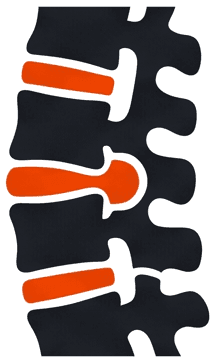
Non-surgical care for herniated and bulging discs using FDA-cleared spinal decompression, corrective chiropractic, and integrated soft-tissue therapies.
Services Related to This Post
Keep Reading
Related articles
Herniated Disc vs. Bulging Disc: What's the Difference?
Both show up on MRIs, both can cause pain — but they're not the same thing. Here's how to tell the difference and what your options are.
Read articleSpinal Decompression Therapy: How Non-Surgical Decompression Works and Who It Helps
What non-surgical spinal decompression actually is, how it differs from surgery and basic traction, and which back and disc problems it helps.
Read article