
Spinal Decompression Therapy: How Non-Surgical Decompression Works and Who It Helps
Spinal decompression therapy is a non-surgical treatment that uses gentle, computer-controlled traction to take pressure off the discs and nerves in your spine. As the machine slowly stretches and releases your spine, it creates negative pressure inside the disc. That light vacuum effect can help pull a bulging or herniated disc back toward center and ease the pinch on nearby nerves. Most people lie down comfortably the whole time. It is used most often for disc and nerve problems in the lower back and neck, and at The Roots Health Centers in Lakewood Ranch, FL, it is one of the core services we offer for people who want a path forward before considering surgery.
This guide walks through what non-surgical spinal decompression actually is, how it differs from surgery and from old-fashioned traction, which problems it helps, what a session feels like, and how it pairs with chiropractic care. We will also be honest about who it is not right for.
What is spinal decompression therapy?
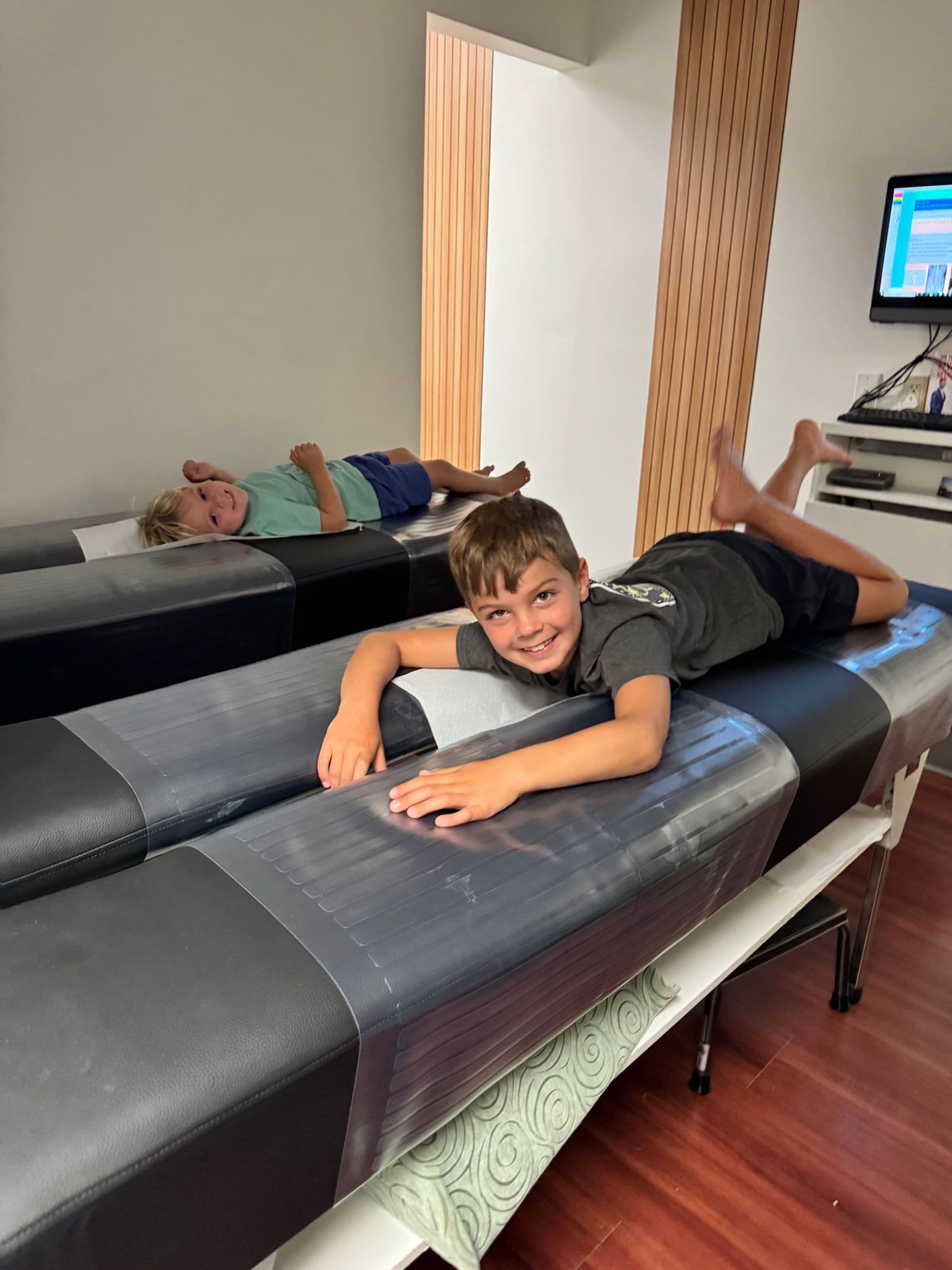
Spinal decompression is a form of motorized traction. You lie on a padded table, a harness gently supports your hips and trunk, and a computer guides the table to stretch your spine in slow, measured cycles. The stretch eases off, then returns, over and over through the session.
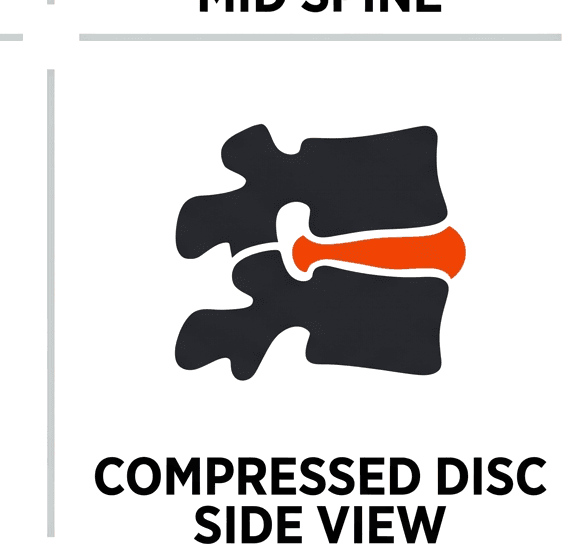
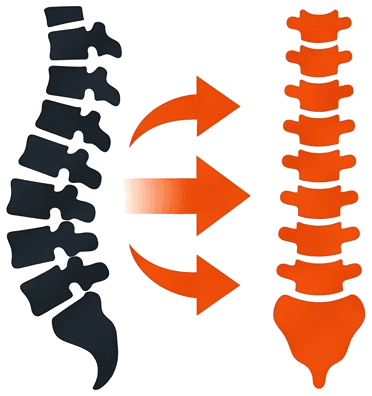
That rhythm matters. When the spine is gently pulled apart, the space between two vertebrae opens slightly. This lowers the pressure inside the disc that sits between them. Lower pressure can do a few helpful things:
- Draw water, oxygen, and nutrients back into a worn or compressed disc
- Reduce the bulge that presses on a nerve root
- Take load off irritated joints and nerves so the area can calm down
Discs do not have a strong blood supply of their own, so they rely on movement and pressure changes to stay nourished. That is part of why a controlled stretch-and-release cycle can support disc health in a way that simply resting often cannot.
How non-surgical decompression differs from surgery
Surgical decompression is an operation. A surgeon removes part of a disc, bone, or tissue to relieve pressure on a nerve. It can be the right call for severe or worsening cases, but it carries the usual risks of surgery and recovery time.
Non-surgical spinal decompression takes a very different approach. There is no incision, no anesthesia, and no downtime afterward. Instead of removing tissue, the goal is to change the pressure inside the spine so the body has a better chance to ease the problem on its own.
Many people look into non-surgical decompression first, especially when their pain has not improved with rest or basic care but is not an emergency. It is not a replacement for surgery when surgery is truly needed. A proper evaluation is what tells you which lane you are in.
How it differs from basic traction
People sometimes picture the old hospital traction setup, or hanging from an inversion bar at the gym. Spinal decompression therapy is more precise than either one.
Basic traction applies a steady, constant pull. The problem is that muscles tend to fight a constant stretch by guarding and tightening, which can work against the goal. Modern decompression equipment uses a computer to vary the force in smooth cycles. By easing on and off, it helps the muscles stay relaxed so the stretch can reach the disc instead of getting blocked by tense muscles.
The pull is also targeted. The settings can focus the stretch on a specific level of the spine, such as the disc that is actually causing trouble, rather than tugging on the whole back at once.
Conditions spinal decompression therapy helps
Decompression is used for problems where pressure on a disc or nerve is driving the pain. These are some of the common conditions we see in the office that may respond to it.
Herniated and bulging discs
When the soft center of a disc pushes against or through its outer wall, it can press on a nearby nerve. The negative pressure created during decompression can help draw that material back toward center and take the load off the nerve. This is one of the most common reasons people try spinal decompression for a herniated disc.
Sciatica
Sciatica is nerve pain that travels from the lower back down through the buttock and leg. It often comes from a disc or joint pressing on the sciatic nerve. By easing that pressure at the source, decompression can help reduce the radiating pain and the tingling down the legs and feet that sciatica is known for.
Spinal stenosis
Spinal stenosis is a narrowing of the spaces in the spine that crowds the nerves. Gently opening those spaces during a session can give the nerves a little more room and help calm the symptoms for some people. Fit depends on the cause and severity, so an evaluation matters here.
Degenerative disc disease
Discs lose height and hydration as they wear over time. Because decompression helps draw fluid and nutrients back in, it can support discs that have thinned or dried out, and ease the lower back pain that often comes with disc wear.
Neck pain and arm symptoms
Decompression is not just for the lower back. The same approach applies to the cervical spine for neck pain and for disc-related numbness in the hands and feet when a nerve in the neck is involved.
What a spinal decompression session feels like
There is nothing to brace for. You stay fully clothed and lie down on the table while a comfortable harness is fitted. Once the program starts, you feel a slow, gentle stretch that builds and releases in cycles. Many people describe it as relieving rather than painful, and some relax so much they nearly doze off.
A typical session runs in the range of a normal therapy visit, and you can get up and go about your day right after. There is no recovery period.
Decompression usually works best as a series of visits rather than a one-time fix, because discs respond to gentle, repeated input over time. How many sessions and how often depends on the person. Each case is different, so we take a personalized approach based on what your spine needs.
How decompression pairs with chiropractic care
Decompression takes pressure off the disc, but it does not address why the spine got overloaded in the first place. That is where chiropractic care comes in. Together they cover more ground than either one alone.
In a typical care plan, decompression helps calm the irritated disc and nerve, while chiropractic adjustments and supporting care work on the alignment, movement, and nervous-system patterns around it. The aim is not only to feel better now but to help the area hold its progress.
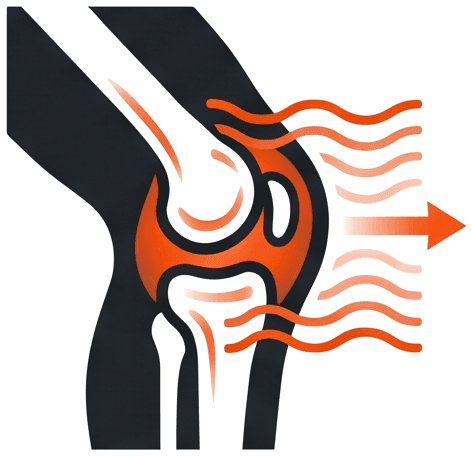
Decompression also is not limited to the spine. The same gentle-traction idea can be applied to other joints, which is why we offer knee decompression for certain knee conditions as well.
When spinal decompression is not the right fit
Decompression is gentle, but it is not appropriate for everyone. A real stretch on the spine is not safe in some situations, and a proper exam is what determines fit.
It is generally not recommended for:
- Certain spinal fractures or unstable injuries
- Severe osteoporosis, where bones are too fragile for traction
- Pregnancy
- Spinal hardware, such as fusions, rods, screws, or an artificial disc
- Some tumors, infections, or advanced disease in the spine
This is not a complete list, and it is not medical advice. It is the reason every person starts with an evaluation. The point of that visit is to look closely, review any necessary X-rays, and tell you honestly whether decompression is a good option for your situation, or whether something else would serve you better.
Does spinal decompression therapy work?
Honestly, it depends on the person and the problem. For the right candidate, with the right diagnosis, decompression can be a helpful, low-risk way to take pressure off a disc or nerve without surgery. For someone whose pain is coming from a different source, it may not be the answer at all.
That is why we do not promise a specific outcome. What we can promise is a careful look at what is actually going on in your spine, and a straight answer about whether this approach makes sense for you.
Frequently Asked Questions
What is spinal decompression therapy?
It is a non-surgical treatment that uses gentle, computer-guided traction to slowly stretch and release the spine. That motion lowers pressure inside the disc and can take the load off compressed nerves. You lie down comfortably for the whole session.
Does spinal decompression work for a herniated disc?
It can help in the right cases. The negative pressure created during a session may draw herniated disc material back toward center and reduce the pinch on a nerve. An evaluation determines whether your specific disc is a good candidate.
Is spinal decompression therapy painful?
Most people find it comfortable and even relaxing. You feel a slow, gentle stretch that builds and eases in cycles, not a hard yank. Tell your provider right away if anything feels sharp so the settings can be adjusted.
How long does a spinal decompression session take?
A single session generally runs about the length of a normal therapy visit, and you can go straight back to your day afterward with no recovery time. Decompression usually works best as a series of sessions rather than a one-time visit.
Is non-surgical spinal decompression the same as the traction at a gym?
No. Inversion bars and basic traction apply a steady pull that muscles tend to resist. Computer-guided decompression varies the force in smooth cycles and can target a specific level of the spine, so the stretch reaches the disc instead of getting blocked by tense muscles.
Who should not have spinal decompression?
It is generally not recommended during pregnancy, with severe osteoporosis, with certain fractures or spinal hardware, or with some tumors and infections. A proper exam, including any necessary X-rays, is what determines whether it is safe and appropriate for you.
How do I find out if spinal decompression is right for me?
Start with a complimentary consultation. We will look at your history, examine your spine, review any necessary X-rays, and give you an honest answer about whether decompression fits your situation.
If you are dealing with disc pain, sciatica, or stubborn back pain and want to know whether non-surgical decompression could help, we would be glad to take a look. Schedule a complimentary consultation with our team, or call us at (941) 877-1507. There is no pressure and no commitment to start care, just a clear, honest conversation about what is possible for your spine. Reviewed by Dr. Logan Swaim, MS, DC, of The Roots Health Centers in Lakewood Ranch, FL.
Conditions We Treat
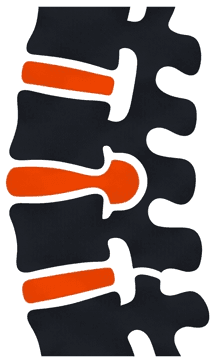
Herniated Disc
Non-surgical care for herniated and bulging discs using FDA-cleared spinal decompression, corrective chiropractic, and integrated soft-tissue therapies.
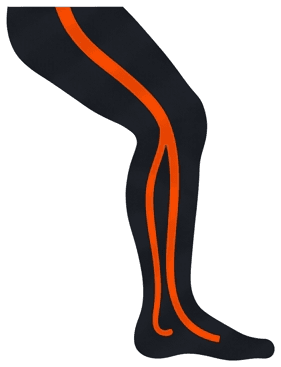
Sciatica
Non-surgical care for sciatic nerve pain using spinal decompression, corrective chiropractic, and supporting therapies.
Spinal Stenosis
Non-surgical care for spinal stenosis using FDA-cleared decompression therapy and corrective chiropractic to take pressure off compressed nerves and restore comfortable walking.

Neck Pain
Precise cervical adjustments and decompression that restore alignment, reduce nerve pressure, and eliminate chronic neck pain at its source.

Back Pain
Corrective chiropractic care that addresses the structural root cause of back pain — not just masking symptoms with medication.