

Chiropractic Techniques Compared: Activator, Gonstead, and Torque Release
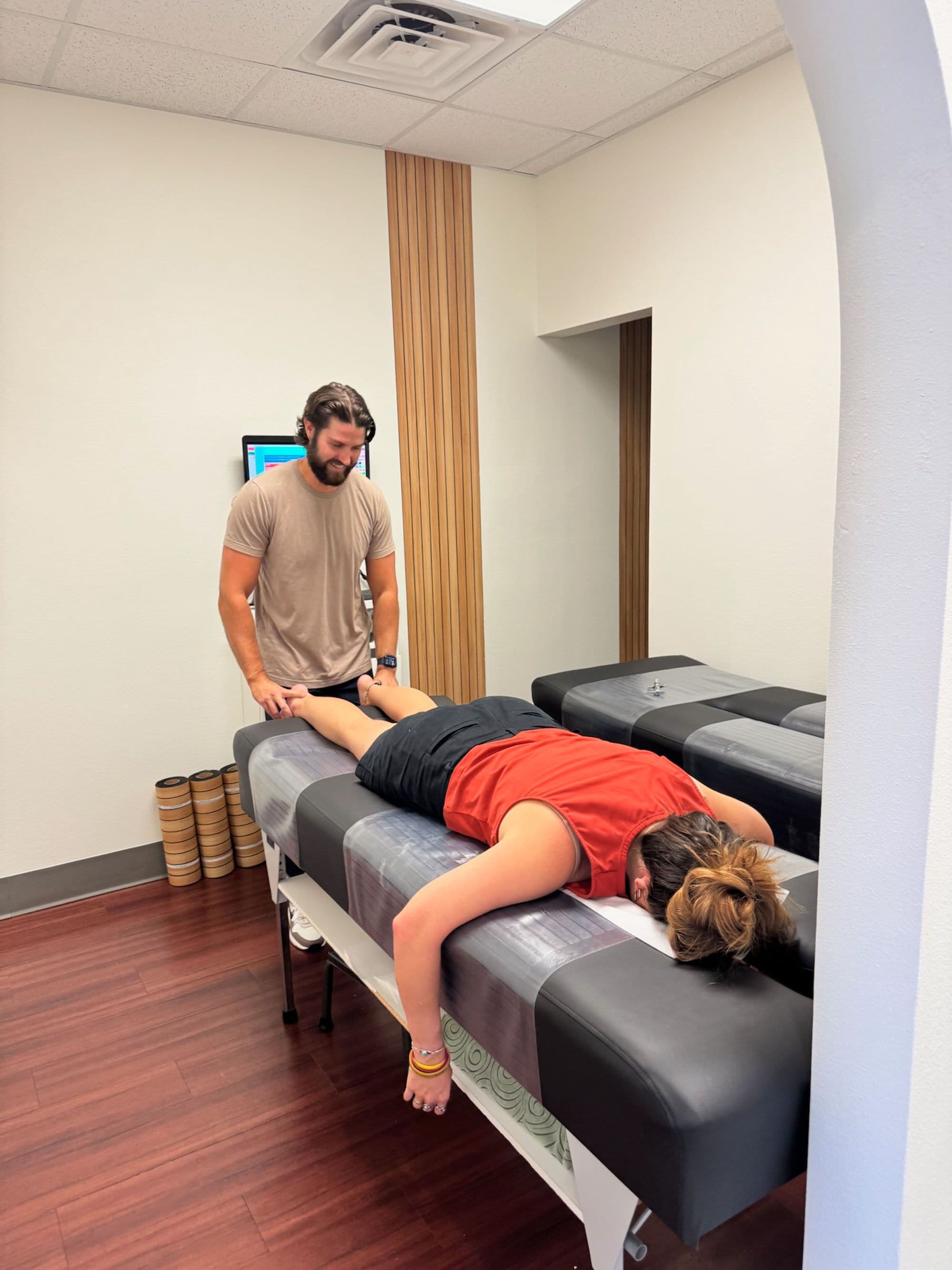
If you've looked into chiropractic techniques, you've probably noticed there isn't just one way to get adjusted. Some doctors use their hands. Some use a small handheld instrument. Some barely make a sound, while others produce the popping noise most people associate with "getting cracked." All of it falls under the umbrella of chiropractic care, but the technique your doctor trained in shapes what your visit actually looks and feels like. Here's a plain-English comparison of the major chiropractic techniques, including Gonstead, Activator, and Torque Release Technique (TRT), the approach we use at The Roots, so you know what to expect no matter which office you walk into.
Why Chiropractic Techniques Differ From Doctor to Doctor
Chiropractic school teaches a foundation of adjusting principles, but individual doctors go on to specialize in specific techniques through additional certification and hands-on training after graduation. That's why two chiropractors can examine the same patient and recommend genuinely different approaches, and why neither one is automatically "wrong." Technique choice tends to come down to a doctor's training, their read on what a patient's body needs, and sometimes simple preference for how precise or gentle an adjustment feels to deliver. What matters most for you as a patient isn't finding the technique with the flashiest reputation online. It's finding a doctor whose approach fits your body, your comfort level, and what your own evaluation actually shows, which is exactly why the exam before your first adjustment matters as much as the adjustment itself.
Gonstead Technique
The Gonstead technique is one of the most widely taught, structured methods in chiropractic. It relies on a detailed analysis, often including X-rays when clinically indicated, of the spine before any adjustment is made, with the goal of identifying the specific vertebra that needs attention rather than adjusting broadly. Gonstead adjustments are typically delivered by hand, directly and with precision, and many patients associate this style with the audible "pop" (a release of gas in the joint, not bone movement) that's become part of the popular image of chiropractic care. It's a technique built around precision and hands-on assessment, and doctors trained in it tend to emphasize thorough analysis before ever making contact with a patient.
Activator Method
The Activator Method takes a different approach entirely. Instead of a hands-on thrust, the doctor uses a small, spring-loaded handheld instrument to deliver a quick, low-force impulse to a specific area of the spine. It's a technique often chosen for patients who prefer a gentler feel, including many children, older adults, and anyone who simply isn't a fan of the traditional "cracking" sound. Because the Activator delivers a consistent, controlled force, it's also commonly used by doctors who want precision without relying on a manual thrust. The tradeoff patients should understand is that "gentler" doesn't mean "less thorough" for the right case. It just means the force is delivered differently, through an instrument rather than by hand.
Torque Release Technique (TRT): What We Use at The Roots
At The Roots, our doctors use Torque Release Technique, a low-force, instrument-assisted approach built around identifying and releasing tension patterns in the nervous system rather than forcing a joint into place. TRT uses a specialized tool called the Integrator, which delivers a precise, gentle recoil adjustment: no twisting, no popping, no bracing for an audible crack. We didn't choose TRT because other techniques don't work well for the doctors trained in them. We chose it because it lets us adjust patients of every age, from infants to seniors, with a consistent, repeatable approach that doesn't depend on a patient's size, flexibility, or ability to relax into a manual thrust. If you've been hesitant about chiropractic care because the idea of "cracking your back" sounds intimidating, TRT is worth understanding on its own terms before ruling chiropractic care out altogether.
What These Techniques Have in Common
Underneath the differences in tools and feel, every legitimate chiropractic technique shares the same basic goal: identifying where your nervous system and spine aren't functioning the way they should, and using a targeted adjustment to help support that function. None of these techniques are a quick fix, and no reputable doctor, regardless of technique, should promise a specific outcome before actually evaluating you in person. What differs is the path to get there. Some patients respond well to a firm, hands-on approach. Others do better with something gentler and more precise. That's part of why a real evaluation, not a generic protocol, comes first at The Roots regardless of which technique your care plan ends up using.
How This Shows Up for Common Conditions
Technique choice can matter more for some conditions than others. For issues like back pain or sciatica, a doctor might lean on a more structured, analysis-heavy approach like Gonstead to help pinpoint the exact source before adjusting. For neck pain or headache-related tension, many patients prefer a gentler, low-force technique like TRT or Activator, especially if there's any hesitation about neck adjustments specifically. There's no universal "best" technique for a given condition. What matters is that your doctor's evaluation, not a generic assumption based on your diagnosis, is what actually drives the recommendation, and that any necessary X-rays are used because they're clinically indicated, not as a routine formality.
What to Expect at Your First Visit, Regardless of Technique
No matter which technique a doctor uses, your first visit should start the same way: a consultation about your specific symptoms, a full neurological evaluation, and doctors recommendations based on what that evaluation actually shows, not a one-size-fits-all plan. We don't promise adjustments on day one, because what you actually need has to come from your evaluation, not a script. If you're curious whether chiropractors are real doctors or wondering what your first visit will actually look like, those are good places to start before booking.
Frequently Asked Questions
How many chiropractic techniques are there? There are dozens of named techniques and countless variations doctors blend together, but most fall into a few broad categories: hands-on manual adjustments (like Gonstead), instrument-assisted low-force techniques (like Activator and TRT), and specialty approaches for specific populations like infants or pregnant patients.
What is the Gonstead technique? Gonstead is a detailed, hands-on chiropractic technique built around precise spinal analysis, often including X-rays when indicated, before a direct, manual adjustment to a specific vertebra.
What is Torque Release Technique in chiropractic? Torque Release Technique (TRT) is a low-force, instrument-assisted technique that uses a specialized tool to deliver a gentle, precise adjustment aimed at releasing nervous-system tension patterns without twisting or popping the joint.
Are all chiropractic techniques basically the same? No. They differ in how much force is used, whether the adjustment is delivered by hand or instrument, and how the doctor identifies where to adjust. The underlying goal, supporting nervous-system and spinal function, is shared, but the path there varies by technique and by doctor.
What is the best chiropractic technique? There isn't a single "best" technique for everyone. The right one depends on your body, your comfort level, and what your evaluation shows, which is why a real exam matters more than a technique's name or reputation.
Curious which approach might fit you best? A complimentary consultation at The Roots includes a real evaluation, not a generic protocol, so you'll know exactly what your care could look like before committing to anything.
The Roots Health Centers, 8209 Natures Way, Unit 115, Lakewood Ranch, FL 34202.
Conditions We Treat

Back Pain
Corrective chiropractic care that addresses the structural root cause of back pain — not just masking symptoms with medication.

Neck Pain
Precise cervical adjustments and decompression that restore alignment, reduce nerve pressure, and eliminate chronic neck pain at its source.
Sciatica
Non-surgical care for sciatic nerve pain using spinal decompression, corrective chiropractic, and supporting therapies.
Services Related to This Post
Keep Reading
Related articles
Does Cracking Your Back Actually Help? What TRT Does Differently
Cracking your own back might feel satisfying, but it isn't the same as a chiropractic adjustment. Here's what's actually happening, and why TRT works differently.
Read articleAre Chiropractors Real Doctors? DC vs. MD, Explained
Wondering if chiropractors are "real" doctors? Here's an honest look at what a Doctor of Chiropractic degree actually involves, and how it compares to an MD's training.
Read articleWhat to Expect at Your First Chiropractic Visit
Wondering what happens at your first chiropractic appointment? Here's the full walkthrough — intake, neurological evaluation, X-rays, and your care plan.
Read article