

Postpartum Pelvic Floor: What Kegels Alone Won't Fix
Leaking when you sneeze or laugh. A heaviness below that wasn't there before. A core that just doesn't feel like yours yet. These are so common after delivery that most moms assume they simply have to live with them. You don't. Postpartum pelvic floor dysfunction is a recognized, supportable condition — and for many women, Kegels alone don't fully resolve it. Here's why, and what a more complete approach can look like.
Why Kegels Alone Often Aren't Enough
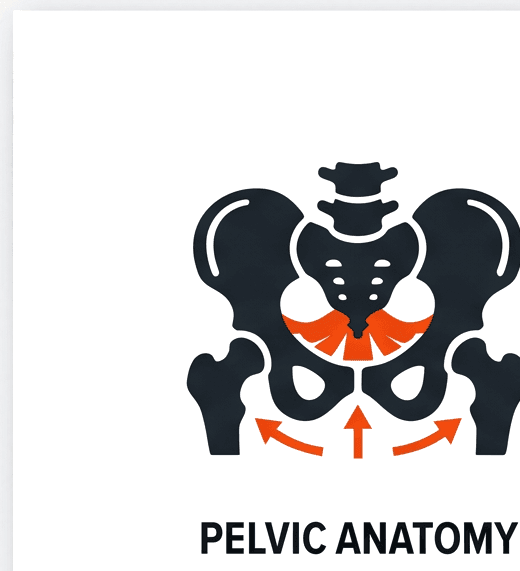
The pelvic floor is a hammock of muscles that supports your bladder, uterus, and bowel. A Kegel only helps if you can correctly identify and coordinate those muscles — and after pregnancy and delivery, many women can't, at least not reliably. Some women are left with pelvic floor muscles that are weak and underactive. Others end up with muscles that are overly tense, or "hypertonic," which can create similar symptoms to weakness and can actually make a Kegel counterproductive. Without an assessment of which pattern you're dealing with, a generic Kegel routine is a guess — and a guess that doesn't fit your body's actual presentation is unlikely to help much.
How Pregnancy and Delivery Change the Pelvic Floor
Pregnancy places months of increasing downward pressure and stretch on the pelvic floor as your body supports a growing baby. Delivery — vaginal or cesarean — adds a second layer of change: vaginal birth stretches and can strain the muscles and connective tissue directly, while a C-section involves an abdominal incision that changes how your core and pelvic floor work together during recovery. Hormonal shifts after birth, particularly the drop in estrogen during breastfeeding, can also affect tissue elasticity and healing. None of this means something went wrong — it's a normal, if underdiscussed, part of what your body does to bring a baby into the world. It does mean the pelvic floor often needs deliberate support to recover well, rather than assuming time alone will sort it out.
Common Signs of Postpartum Pelvic Floor Dysfunction
Pelvic floor dysfunction shows up differently from one mom to the next, but a few patterns come up often:
- Leaking urine when you sneeze, cough, laugh, or exercise
- A feeling of heaviness, pressure, or "things aren't quite in place" below
- Low back or hip discomfort that hasn't resolved since delivery
- A core that still feels separated, weak, or disconnected (sometimes related to diastasis recti)
- Pain with intimacy that wasn't present before pregnancy
- Difficulty fully engaging or relaxing the pelvic floor muscles on command
If any of these sound familiar — whether your baby is 6 weeks old or 6 years old — it's worth having your pelvic floor actually assessed rather than assuming Kegels are the only option.
How We Approach Postpartum Pelvic Floor Recovery
Our approach starts with an actual assessment of how your pelvic floor is functioning, rather than a generic exercise handout. From there, care can combine a few pieces:
- Pelvic and spinal alignment. The pelvis is the structural foundation the pelvic floor attaches to, so we look at how your pelvis and low back are moving and loading as part of the picture, not in isolation.
- Freedom+ sessions. Freedom+ uses focused electromagnetic energy to trigger rapid, involuntary pelvic floor muscle contractions — far more repetitions in a single session than a voluntary Kegel could produce, fully clothed and without you needing to consciously engage anything.
- A personalized plan. Because some women present with weak, underactive muscles and others with overly tense muscles, your plan is built around what your assessment actually shows, not a one-size-fits-all protocol.
Each person's history, delivery, and presentation is different, so how a plan unfolds — and how many visits it involves — is something we discuss with you directly rather than promising up front.
What to Expect at Your First Visit
Your first visit starts with a consultation and a full evaluation — we want to understand your pregnancy and delivery history, your current symptoms, and what a typical day looks like for you before recommending anything. From there, our team will walk you through what your evaluation shows and what a personalized care plan could include. Nothing about your body's timeline is generic, so we won't hand you a one-size-fits-all number of sessions before we've actually assessed you.
When to Talk to Your OB Too
Postpartum pelvic floor support works well alongside your OB or midwife's care, not instead of it. Significant pelvic organ prolapse symptoms, heavy or unusual bleeding well past your postpartum window, or pain that's severe or worsening are all reasons to loop in your OB directly. For lingering heaviness, leaking, or a core that doesn't feel like it's recovered, a pelvic floor assessment is a reasonable next step alongside — not in place of — your regular postpartum follow-up care.
Frequently Asked Questions
Is postpartum pelvic floor dysfunction normal? It's common, which is different from something you have to permanently live with. Leaking, heaviness, and core weakness after birth are recognized, supportable issues — not a sign that something is wrong with you.
Why don't Kegels fix everything? A Kegel only helps if your pelvic floor muscles can coordinate correctly, and many postpartum women have muscles that are either underactive or overly tense. Without knowing which pattern you have, a generic Kegel routine is a guess.
How long after birth can I start pelvic floor care? Many women start once cleared by their OB at the postpartum checkup, but it's never too late — we see moms whose babies are months or years old, not just weeks.
What is Freedom+? Freedom+ is a device that uses focused electromagnetic energy to trigger involuntary pelvic floor muscle contractions in a single session, fully clothed, as one part of a broader personalized plan.
Does this replace physical therapy or my OB's care? No. Our approach is meant to work alongside your OB, midwife, or pelvic floor physical therapist — not replace the care you're already receiving.
If leaking, heaviness, or a core that doesn't feel like yours has become your new normal, it doesn't have to stay that way. Book a complimentary consultation at The Roots Health Centers in Lakewood Ranch, and we'll take a personalized look at what your body needs.
The Roots Health Centers, 8209 Natures Way, Unit 115, Lakewood Ranch, FL 34202. (941) 877-1507.
Conditions We Treat

Services Related to This Post
Keep Reading
Related articles
Men Have Pelvic Floors Too (And They're Probably Not Working)
Pelvic floor dysfunction in men is common and rarely talked about. Here's what it looks like, why Kegels alone often don't help, and what a different approach offers.
Read articleFamily Chiropractic: What Happens When Your Whole Family Gets Adjusted
Most families discover chiropractic through one person. Then something shifts — and suddenly everyone's under care. Here's why that keeps happening at Little Roots.
Read article