

Men Have Pelvic Floors Too (And They're Probably Not Working)
Pelvic floor therapy is almost always marketed to women — and that's a real gap, because men have pelvic floors too, and for a lot of men, that muscle group is quietly not working the way it should. Urinary leaks, chronic pelvic pain, post-prostate-surgery incontinence, sexual dysfunction, and stubborn low back pain that won't respond to anything else can all trace back to pelvic floor dysfunction in men. Here's what that actually looks like, why the usual advice often falls short, and what a different approach can offer.
What Pelvic Floor Dysfunction Looks Like in Men
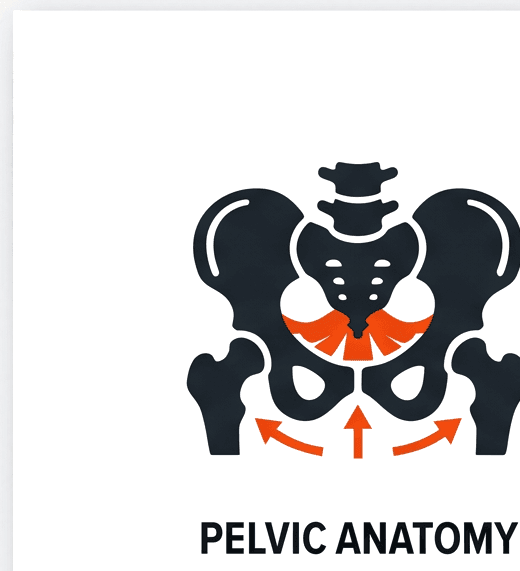
The pelvic floor is a group of muscles that supports your bladder and bowel, and for men, plays a direct role in sexual function. Like any muscle group, it can become too weak, too tight, or poorly coordinated — and any of those can cause symptoms.
Common signs include a weakening urinary stream, occasional leaks during exercise, coughing, or heavy lifting, unexplained deep groin or hip pain, a frequent or urgent need to urinate, and sexual dysfunction that developed gradually rather than suddenly. Because these symptoms build slowly, many men live with them for years before mentioning them to anyone — often assuming it's just a normal part of getting older.
What Contributes to Pelvic Floor Dysfunction in Men
A few common patterns show up again and again:
Prior surgery. Prostate surgery in particular can affect the nerves and muscles involved in bladder control, even when the surgery itself goes well.
Prolonged sitting. Long commutes, desk jobs, and hours in the car put sustained pressure on the pelvic floor and can contribute to muscles that are chronically tight rather than weak — a pattern we see often in a commuter-heavy area like Lakewood Ranch.
Core and hip weakness. The pelvic floor doesn't work in isolation. It's part of a coordinated system with your core and hip muscles, and weakness elsewhere in that system can show up as pelvic floor symptoms.
Old injury or straining patterns. Years of heavy lifting, chronic constipation, or a past back or hip injury can all change how the pelvic floor engages without you noticing at the time.
Age-related changes. Like any muscle group, the pelvic floor can lose tone and coordination over time — but that doesn't mean nothing can be done about it.
Why Kegels and Medication Aren't the Whole Answer
The standard advice for pelvic floor symptoms is usually Kegel exercises or medication, and for some men, that's genuinely helpful. But Kegels only work if you're engaging the right muscles correctly — something surprisingly few people are taught how to check — and they do nothing for a pelvic floor that's too tight rather than too weak, which is a common and often overlooked pattern in men.
Medication can manage symptoms, but it doesn't address the underlying neuromuscular coordination issue: the pelvic floor muscles aren't communicating with the nervous system the way they should, whether from age, prior surgery, prolonged sitting, or old injury patterns.
What Freedom+ Support Involves
We offer Freedom+ sessions, which work as well for men as they do for women. You stay fully clothed and seated for the session, while the technology reaches the deep stabilizing muscles that voluntary exercises like Kegels often can't recruit on their own. A first visit includes a consultation, a short first treatment, and doctors recommendations for what makes sense from there — each plan is based on what your body actually needs, not a one-size-fits-all protocol.
Everyday Habits That Support Pelvic Floor Function
A few habits can support pelvic floor function alongside any care you're receiving:
Mind your sitting posture. Long stretches in a car or at a desk put sustained pressure on the pelvic floor — standing and moving briefly every hour or so can help.
Pay attention to your breathing. The diaphragm and pelvic floor move together with each breath. Shallow, chest-only breathing under stress can throw that coordination off over time.
Avoid straining. Whether it's lifting, coughing, or using the bathroom, bearing down forcefully puts direct pressure on the pelvic floor. Addressing constipation and using proper lifting form both help reduce that load.
Stay generally active. Movement that engages your core and hips — walking, swimming, cycling with a properly fitted seat — tends to support pelvic floor coordination better than either total inactivity or high-impact strain.
Who Tends to Notice a Difference
Men dealing with any of the following are often good candidates for a conversation about pelvic floor support: post-prostate surgery leakage, chronic pelvic or groin pain without a clear orthopedic cause, a weakening stream or urgency that's crept up gradually, low back pain that hasn't responded to other care, and sexual dysfunction that developed over time. Each person's pattern is different, so a consultation is really about understanding what's actually going on before talking about next steps.
Frequently Asked Questions
Is pelvic floor therapy only for women? No. Men have the same muscle group, and pelvic floor dysfunction in men is common — it's just talked about far less.
Is this the same as Kegel exercises? Not exactly. Freedom+ sessions work the deep stabilizing muscles directly, rather than relying on you to voluntarily contract them the way a Kegel does.
Do I need to undress for a session? No. Sessions are done fully clothed and seated.
How is this different from what a urologist offers? We're not a replacement for urology care when that's needed — we focus on the neuromuscular and structural side of pelvic floor function, and any necessary X-rays or a referral would be part of the doctors recommendations at your visit.
What does a first visit include? A consultation, a short first treatment, and doctors recommendations based on what we find — available as part of our $49 Pelvic Floor offer.
Can pelvic floor issues in men be related to back or hip pain? Yes — the pelvic floor, hips, and low back work together, so dysfunction in one area often shows up as symptoms in another. That's part of why a conversation that looks at the whole picture matters.
If any of this sounds familiar — especially if you're post-prostate, post-50, or recovering from any pelvic surgery — it's worth a real conversation instead of generic advice. Book a consultation at The Roots Health Centers in Lakewood Ranch, FL, or call (941) 877-1507.
Conditions We Treat
Back Pain
Corrective chiropractic care that addresses the structural root cause of back pain — not just masking symptoms with medication.
Hip Pain
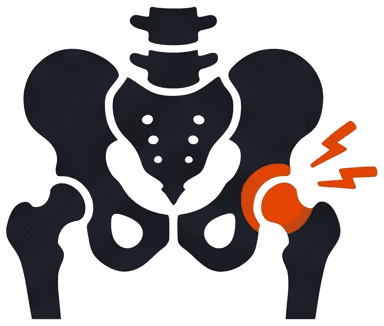
Hip pain can start in the joint itself — or in the SI joint, the lower back, a tilted pelvis, or the muscles that cross the hip. Because those sources feel remarkably similar, finding the right one comes before any adjustment.
Services Related to This Post
Keep Reading
Related articles
Postpartum Pelvic Floor: What Kegels Alone Won't Fix
Leaking when you sneeze or a lingering heaviness after baby is common — but common doesn't mean permanent. Here's why Kegels alone often fall short, and what else can help.
Read articleBladder Leaks Aren't Just Part of Getting Older: Pelvic Floor Support in Lakewood Ranch
Leaking when you laugh, sneeze, or jump isn't something you have to accept. Here's what's behind a weak pelvic floor and a comfortable option available locally.
Read article