

What Is Pelvic Floor Therapy? What to Expect at Your First Visit

If you've searched "what is pelvic floor therapy," something probably prompted it, a leak when you sneeze or laugh, a dull pressure low in your pelvis by the end of the day, or a doctor who mentioned the phrase once and moved on before you could ask a follow-up question. Pelvic floor therapy is care built around the muscles that support your bladder, bowel, and pelvic organs, muscles that can weaken, tighten, or simply stop coordinating well for reasons that have little to do with age alone. Here's what it actually involves, who it's for, and what your first visit at The Roots looks like.
What the Pelvic Floor Actually Does
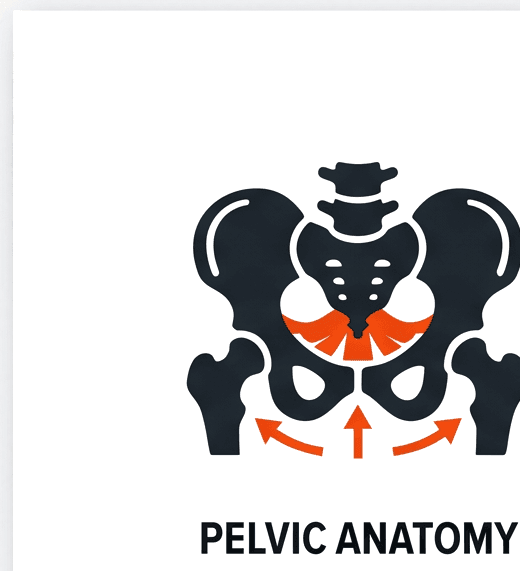
Your pelvic floor is a hammock-shaped group of muscles running from your pubic bone to your tailbone. It supports your bladder, bowel, and reproductive organs, and it's working constantly, even when you're not thinking about it, to manage continence, stabilize your core, and support posture. When those muscles are too weak, too tight, or out of sync with the rest of your core, the result can show up as leaks, pelvic pressure, pain, or a sense that something "isn't quite right" low in your body. Pregnancy and childbirth are common contributors, but so are chronic straining, high-impact exercise, prior surgery, and years of unaddressed tension patterns. Pelvic floor concerns aren't only a postpartum topic or a "getting older" topic, either. Men have pelvic floors too, and pelvic floor support matters for men far more often than most people realize.
What Pelvic Floor Therapy Actually Entails
So what does a session actually involve? At The Roots, it starts the same way most of our care does, with a real conversation, not a generic protocol.
- A consultation about your specific symptoms — leaks, pressure, pain, or something else — and how long you've noticed them.
- An evaluation to understand what your pelvic floor and surrounding muscles are actually doing, rather than guessing from symptoms alone.
- A first session using the Freedom+ device, a non-invasive tool that uses focused electromagnetic technology to stimulate deep pelvic floor muscle contractions, the kind that are difficult to consciously trigger and hold on your own, even with a properly performed Kegel.
- Doctors recommendations for what a personalized plan could look like from there, based on what your evaluation actually shows, not a one-size-fits-all timeline.
Each person's pelvic floor got to its current state through a different combination of history, so what helps one person isn't automatically the right starting point for the next.
Is Pelvic Floor Therapy Covered by Insurance?
This is one of the most common questions we hear, and the honest answer is that it depends on your specific plan. Rather than trying to pre-verify every policy over the phone, we offer a complimentary benefits check at your first visit, so you're working from real numbers instead of guesswork before deciding how to move forward. If cost and coverage are the main thing holding you back from booking, that's exactly the conversation worth having first, and you can see how pricing and financing works sitewide as a starting point.
Does Pelvic Floor Therapy Work?
There's no honest way to promise a specific outcome for a body we haven't yet evaluated, and we won't pretend otherwise. What we can say is that pelvic floor muscles, like any other muscle group, can respond to consistent, targeted support when the underlying cause is actually identified rather than guessed at. That's why the evaluation matters as much as the device itself: leaks caused by weak muscles need a different starting point than pressure caused by muscles that are too tight to relax properly, and no two people's pelvic floors got here the same way. Each person and case is different, so we take a personalized approach based on what your body is actually showing us.
Who This Kind of Support Is For
Pelvic floor concerns show up more often, and in more people, than most conversations acknowledge. That includes women navigating postpartum recovery, whose Kegels alone haven't resolved lingering symptoms; women managing pelvic organ prolapse and looking for non-surgical support first; anyone noticing that bladder leaks aren't just a normal part of getting older; and men, who are frequently surprised to learn their pelvic floor plays a role in their symptoms too. In Lakewood Ranch, this kind of pelvic floor support isn't something every practice offers. It's part of why families end up coming to us specifically for it, rather than being told to simply live with symptoms that are genuinely worth a closer look.
What About During Pregnancy?
Pelvic floor symptoms can show up or intensify during pregnancy, as your growing baby changes the load your pelvic floor is managing every day. If you're pregnant and dealing with pressure, leaks, or discomfort, this is worth bringing up at a consultation so your care can be planned around where you are in pregnancy, not treated as identical to postpartum care. Every pregnancy is different, and what makes sense for your pelvic floor depends on your specific symptoms and stage.
How Pelvic Floor Support Fits Into Whole-Body Care
At The Roots, pelvic floor support doesn't happen in isolation from the rest of your body. Pelvic floor function is closely tied to core stability, posture, and how well your nervous system is coordinating the muscles involved, the same neurometabolic picture we look at across every area of care here. That's part of why your first visit starts with a real evaluation rather than jumping straight to a device: understanding the whole picture, not just the symptom that brought you in, shapes what actually gets recommended for you.
Frequently Asked Questions
What does pelvic floor therapy actually entail? At The Roots, it starts with a consultation about your symptoms, an evaluation of how your pelvic floor and surrounding muscles are functioning, a first session using the Freedom+ device, and doctors recommendations for a personalized plan.
Is pelvic floor therapy covered by insurance? It depends on your plan. We offer a complimentary benefits check at your first visit so you have real numbers before deciding how to move forward.
Does pelvic floor therapy really work? Results depend on what's actually driving your symptoms, which is why the evaluation matters. We take a personalized approach based on what your evaluation shows rather than a generic protocol.
What should I wear to my first visit? Comfortable, loose-fitting clothing is fine. Nothing about your first visit requires special preparation beyond that.
Can I do pelvic floor therapy while pregnant? It's worth discussing at a consultation. Pregnancy changes what your pelvic floor is managing day to day, so your care should reflect where you are in pregnancy rather than a standard, one-size-fits-all plan.
If leaks, pressure, or pelvic pain have been something you've quietly worked around instead of addressed, a complimentary consultation is a low-pressure place to start. Come meet the team, tour the clinic, and find out what an evaluation would actually show, no commitment required.
The Roots Health Centers, 8209 Natures Way, Unit 115, Lakewood Ranch, FL 34202.
Services Related to This Post
Keep Reading
Related articles
Postpartum Pelvic Floor: What Kegels Alone Won't Fix
Leaking when you sneeze or a lingering heaviness after baby is common — but common doesn't mean permanent. Here's why Kegels alone often fall short, and what else can help.
Read articleMen Have Pelvic Floors Too (And They're Probably Not Working)
Pelvic floor dysfunction in men is common and rarely talked about. Here's what it looks like, why Kegels alone often don't help, and what a different approach offers.
Read articleBladder Leaks Aren't Just Part of Getting Older: Pelvic Floor Support in Lakewood Ranch
Leaking when you laugh, sneeze, or jump isn't something you have to accept. Here's what's behind a weak pelvic floor and a comfortable option available locally.
Read article