

Symptom
Depression
A serious health concern requiring medical care
Depression is a serious health concern that requires evaluation and ongoing care from a medical doctor or licensed mental health provider. Some patients with depression also report nervous system dysregulation patterns; chiropractic care complements (never replaces) standard medical care.
By Dr. Logan Swaim · Last updated August 12, 2026
Get help with Depression
Three quick questions — we'll call you within 24 business hours.
About Depression
Depression is a serious health condition that affects mood, energy, sleep, focus, and the ability to enjoy daily life. It is far more than feeling sad or having a hard week. People may notice persistent low mood, loss of interest in things they once cared about, changes in appetite or sleep, fatigue, or difficulty concentrating. The body and the mind are deeply connected through the nervous system, which helps regulate stress responses, rest, and recovery, and that connection is part of why some people describe their experience in terms of feeling dysregulated or stuck in a stress state.
Depression does not look the same for everyone, and it rarely has a single cause. Genetics, life circumstances, stress, grief, hormones, sleep, and physical health can all play a part. Some people report that their nervous system feels constantly on edge or worn down, and ongoing stress and poor sleep often travel alongside low mood. These are patterns some people experience, not explanations for the condition itself, and they are part of what we consider when we look at how the nervous system is regulating rest and recovery.
Depression is a serious health concern that needs care from a medical doctor or a licensed mental-health professional, and that care comes first. Our role is strictly complementary, focused on supporting nervous-system regulation alongside the treatment your medical or mental-health provider gives you, never instead of it. We begin with a thorough neurological evaluation to understand how your nervous system is functioning, and we are glad to coordinate with your care team. If your symptoms change or worsen, your physician or mental-health provider remains the person who guides your treatment.
Where We See This
Common contexts in our office
- Persistent low mood or loss of interest in daily life
- Changes in sleep, appetite, or energy that linger
- A nervous system that feels worn down or stuck in stress
- Difficulty concentrating or feeling foggy over time
The Nervous System Map
What this can be connected to
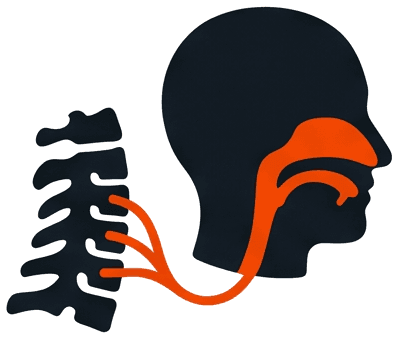
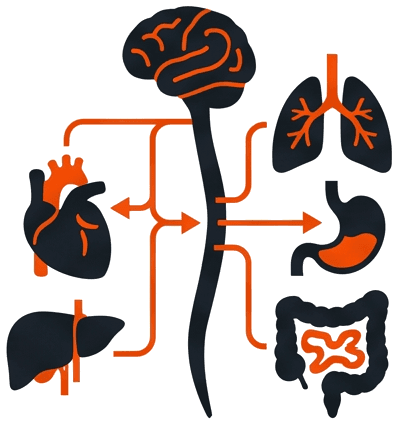
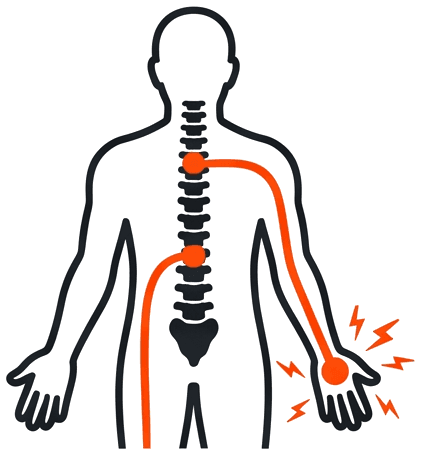
Per traditional chiropractic philosophy plus the patterns we see clinically, depression is often associated with these regions or systems. Click any to read more.
Spinal regions
When To Seek Medical Care
Talk to your doctor first if…
Depression is a serious health concern that requires care from a medical doctor or a licensed mental-health professional, and our support is only ever complementary to that care. If you are having thoughts of harming yourself, call or text 988 (Suicide & Crisis Lifeline) or go to the ER. Reach out to a physician or mental-health provider if low mood, hopelessness, or loss of interest lasts more than two weeks, disrupts daily life, or comes with major changes in sleep, appetite, or energy. You deserve real support, and your medical or mental-health professional is the person who guides your treatment.
From Our Doctors
Hear it from the team
Dr. Logan Swaim — Three Pillar Health Approach”
More from the team


Common Questions
About depression
Related Reading
Articles about depression
What Is a Chiropractic Neurological Evaluation? How We Measure Your Nervous System
A chiropractic neurological evaluation uses surface EMG, thermal scanning, and heart rate variability to show how your nervous system is actually functioning — not just where it hurts. Here is what each measurement means and why it matters for your care.
Read articleBest Sleep Position for Spine Health: A Chiropractor's Guide
Back, side, or stomach? The best sleep position for spine health depends on your body — but some positions protect your spine while others quietly damage it. Here's what our team recommends.
Read articleFamily Chiropractic: What Happens When Your Whole Family Gets Adjusted
Most families discover chiropractic through one person. Then something shifts — and suddenly everyone's under care. Here's why that keeps happening at Little Roots.
Read articleWho You'll See
Doctors who see this every week
The Roots Health Centers is led by the same doctors at every visit — no rotating providers. Care starts with a full neurological evaluation, and a doctor walks you through what it found before anything else is recommended.



Inside the clinic
Where the work happens.
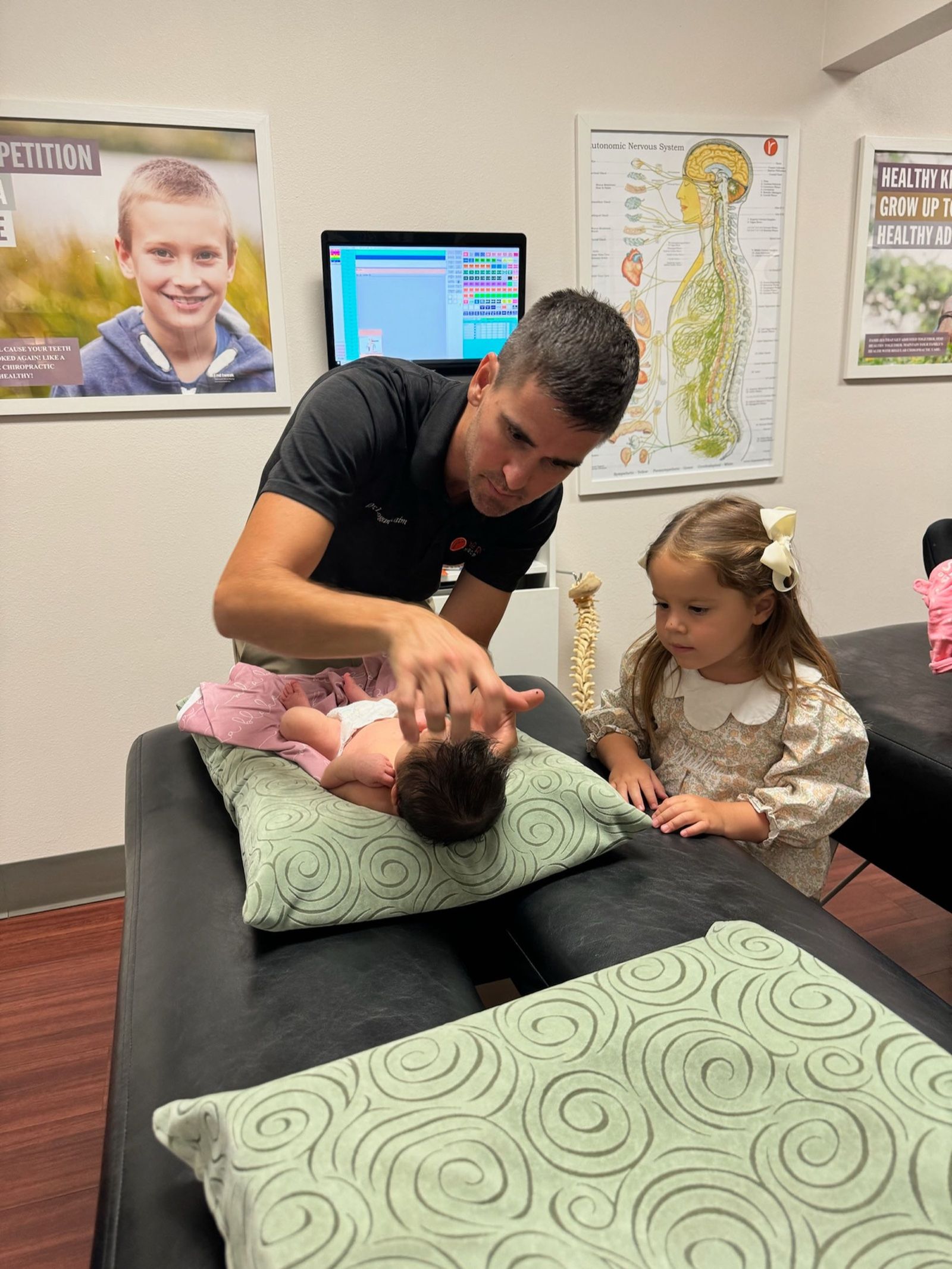
Dr. Logan in the office.
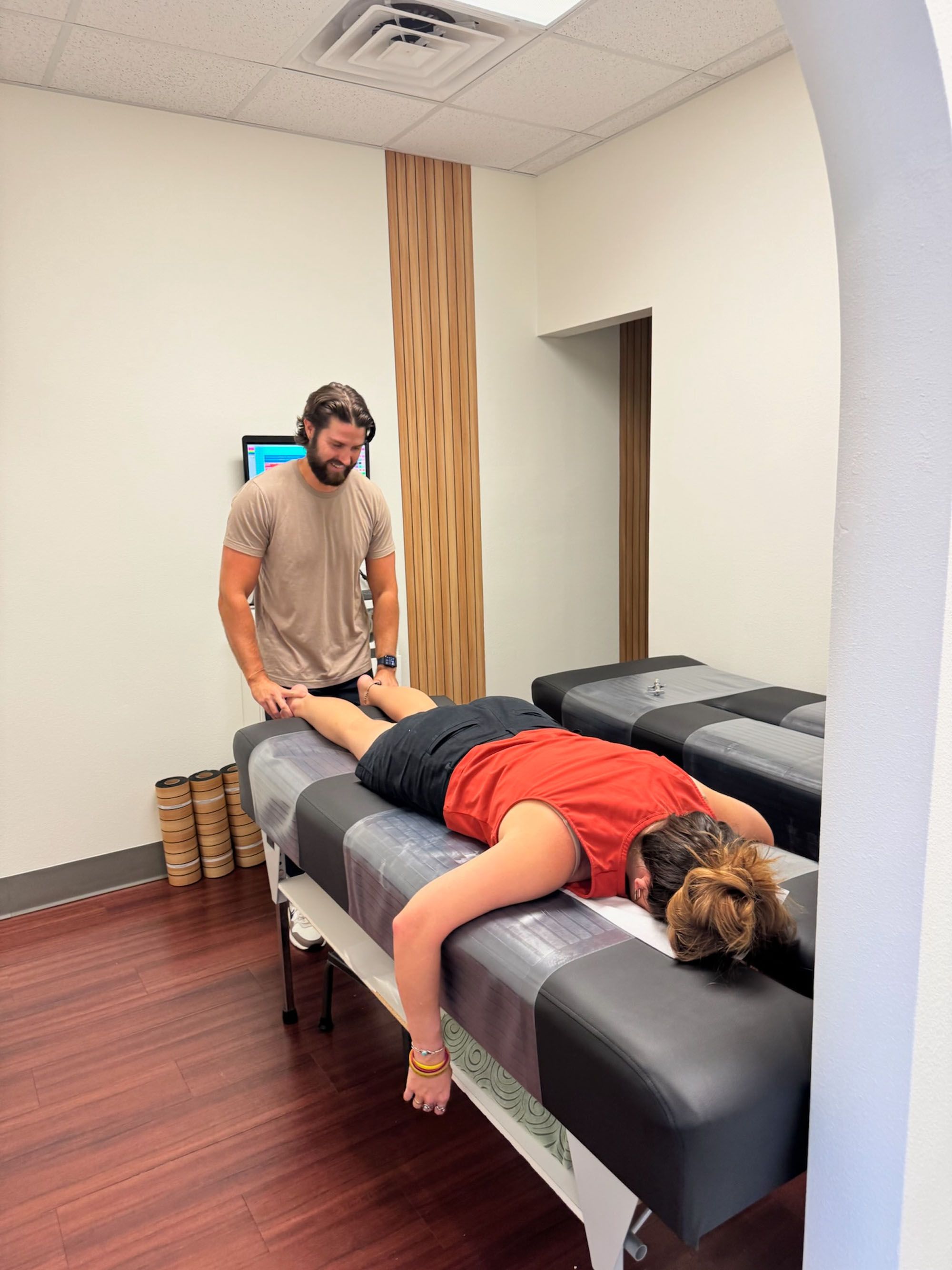
Precision over pressure.
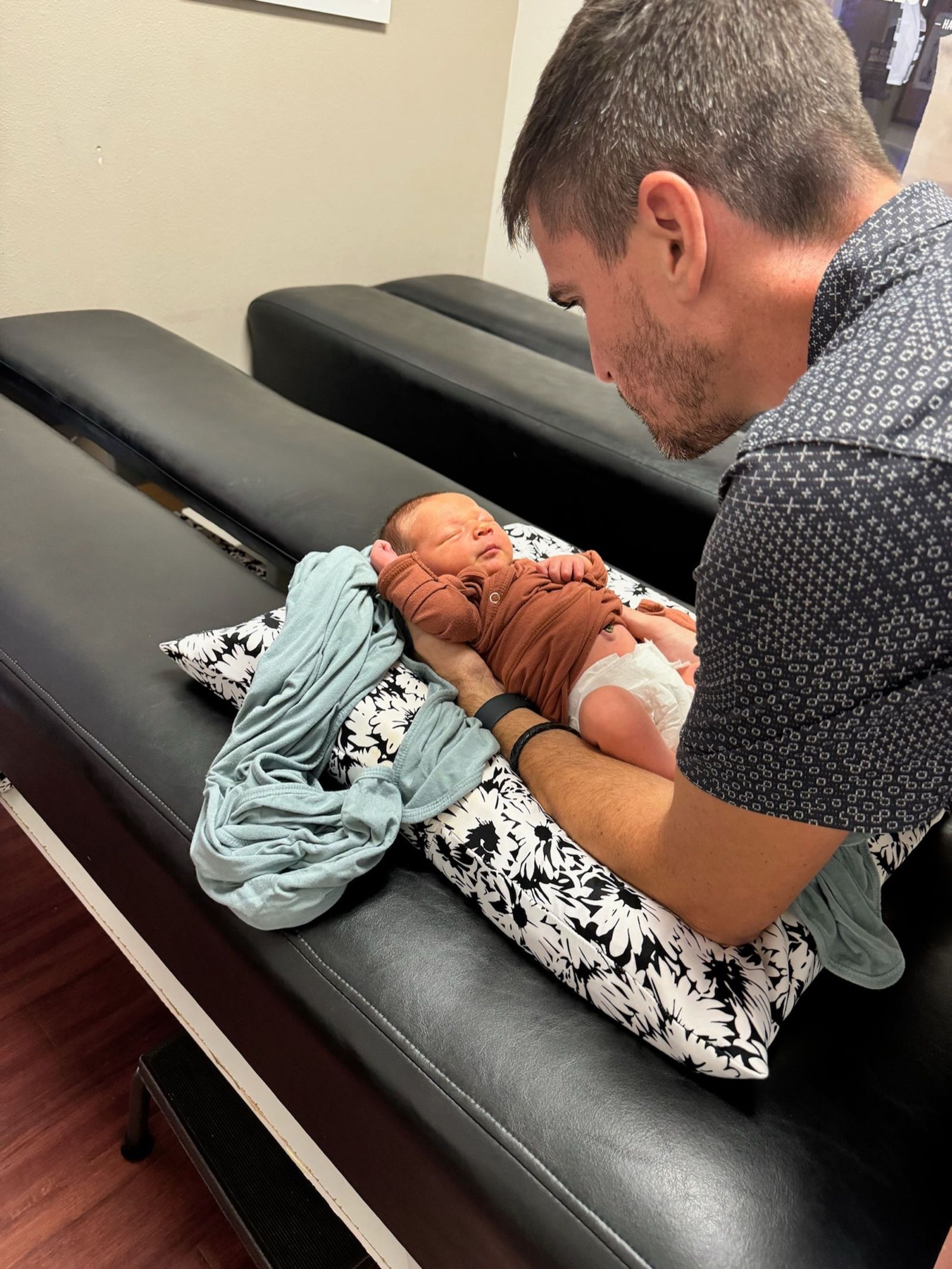
Dr. Logan in the office.

Dr. Fox at work.

Dr. Fox at work.
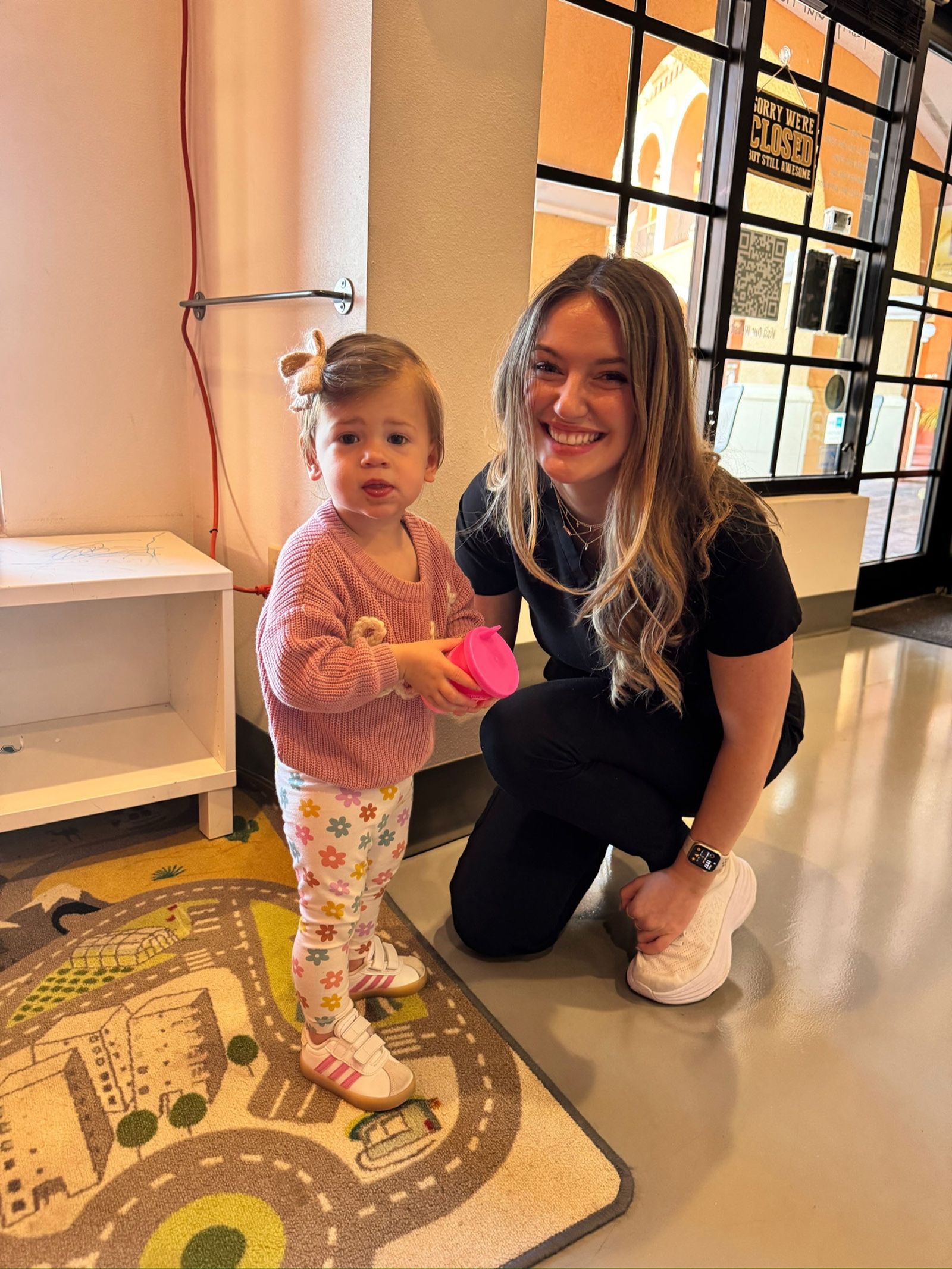
Carly — patient care that feels like family.
Keep Exploring
Meet the team
Please see your medical doctor first about this concern. Chiropractic care is a complementary approach to support nervous-system regulation alongside (not in place of) appropriate medical care.
Want a personalized look at your nervous system?
Start with a complimentary consultation. We use a neurological evaluation to map what's going on — no commitment, no cost.