

Condition
Sleep Disturbance
Chronic pain and a dysregulated nervous system keep you awake
Poor sleep is rarely just a sleep problem. For many adults, chronic pain, nerve compression, and an overactivated nervous system are the actual barriers to restful sleep — and a chiropractic care plan that addresses those drivers can change the picture.
By Dr. Logan Swaim · Last updated May 22, 2026
Get help with Sleep Disturbance
Three quick questions — we'll call you within 24 business hours.
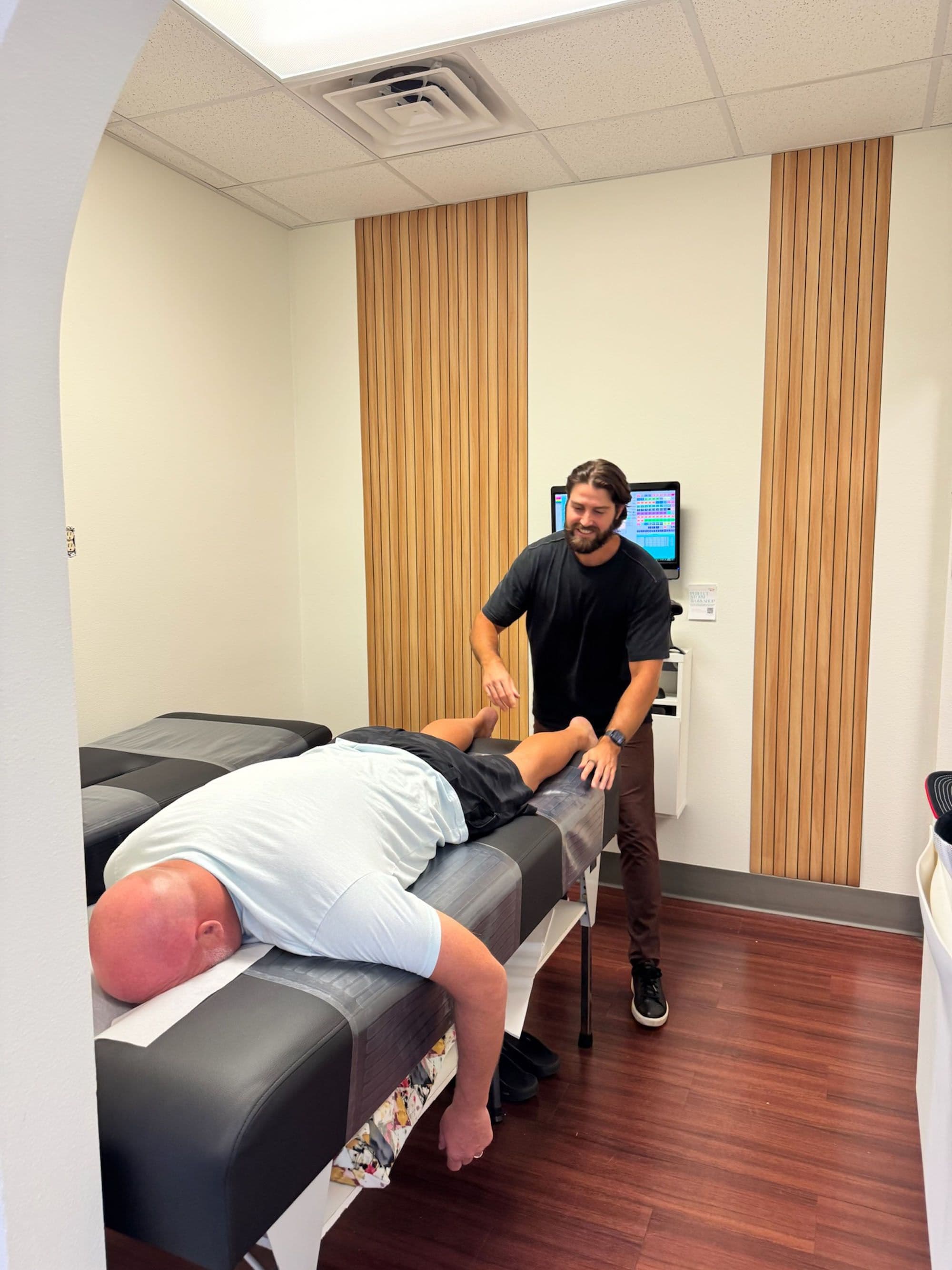
Understanding Sleep Disturbance
What It Is & Why It Happens
When sleep is chronically disrupted in adults, the standard advice centers on sleep hygiene — consistent bedtimes, cool dark rooms, limiting screens. These things matter, but they don't explain why so many people follow every recommendation and still can't stay asleep. For a significant portion of our patients, the barrier is physical: chronic musculoskeletal pain that interrupts sleep cycles, nerve compression that creates nocturnal discomfort, and a sympathetic nervous system running too hot to allow the body to downshift into deep sleep.
The nervous system connection is particularly overlooked. The autonomic nervous system governs the transition from alert to restful states. When the upper cervical spine is misaligned, it creates mechanical stress on the brainstem and upper cord — the region most responsible for autonomic regulation. This keeps the sympathetic system activated at the wrong times, including when you're trying to fall asleep or when you've woken at 3 a.m. and can't get back under. It's not a character flaw; it's a structural input that corrective care can address.
At The Roots Health Centers, we evaluate both the structural and nervous-system dimensions of sleep disruption. A neurological evaluation identifies where the system is held in stress, and a corrective care plan works to reduce that load. Red light therapy also plays a role — low-level laser energy has been shown to support mitochondrial function and reduce the systemic inflammation that contributes to disrupted sleep architecture. Most patients don't come to us for sleep; they come for neck pain or headaches and notice their sleep improves alongside the structural work.
Common Symptoms
Signs You Might Be Dealing With Sleep Disturbance
- Difficulty falling asleep despite feeling physically tired
- Waking in the middle of the night and struggling to fall back asleep
- Light, unrefreshing sleep — waking without feeling rested
- Pain that increases at night or in specific sleep positions
- Morning stiffness or headaches upon waking
- Racing thoughts or physical restlessness at bedtime
- Daytime fatigue that doesn't resolve with more sleep
How We Help
Our Treatment Approach
- Neurological evaluation to assess autonomic nervous system tone and cervical stress
- Torque Release Technique adjustments to the upper cervical spine
- Red light therapy for systemic inflammation and mitochondrial support
- Assessment of sleep-position mechanics and any structural contributors
- Lifestyle coaching on the intersection of nervous system regulation and sleep
From Our Doctors
Hear it from the team
Dr. Logan Swaim — Red Light Therapy Overview”
Services That Help
Treatments for Sleep Disturbance
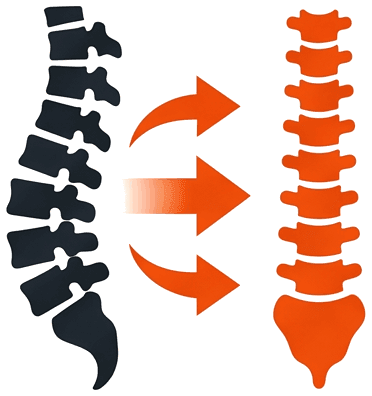
Corrective Chiropractic
Precise, progressive corrections that produce lasting structural change — not just temporary relief. Think of it like orthodontics for your spine.
Learn More
Red Light Therapy
Medical-grade red light therapy in a private, full-body room. Our DAHLIA Pinnacle Bed supports chronic pain, recovery, skin health, gut and neurometabolic health, and weight management — as part of a personalized care plan. Photobiomodulation that goes beyond a consumer sauna.
Learn MoreRelated Symptoms
Symptoms Often Linked to Sleep Disturbance

Read More
Articles About Sleep Disturbance
Best Sleep Position for Spine Health: A Chiropractor's Guide
Back, side, or stomach? The best sleep position for spine health depends on your body — but some positions protect your spine while others quietly damage it. Here's what our team recommends.
What Is the Torque Release Technique — And Why Do We Use It?
Torque Release Technique is one of the most researched and precise chiropractic adjusting methods available. Here's why it's at the core of everything we do.
Red Light Therapy: 6 Evidence-Based Benefits Worth Knowing About
Red light therapy has real research behind it — for pain, recovery, skin, and metabolic health. Here's what the evidence actually supports, and what a session looks like.
Common Questions
Frequently Asked Questions
Who You'll See
Doctors who see this every week
The Roots Health Centers is led by the same doctors at every visit — no rotating providers. Care starts with a full neurological evaluation, and a doctor walks you through what it found before anything else is recommended.


Care for sleep disturbance
Inside the plan.
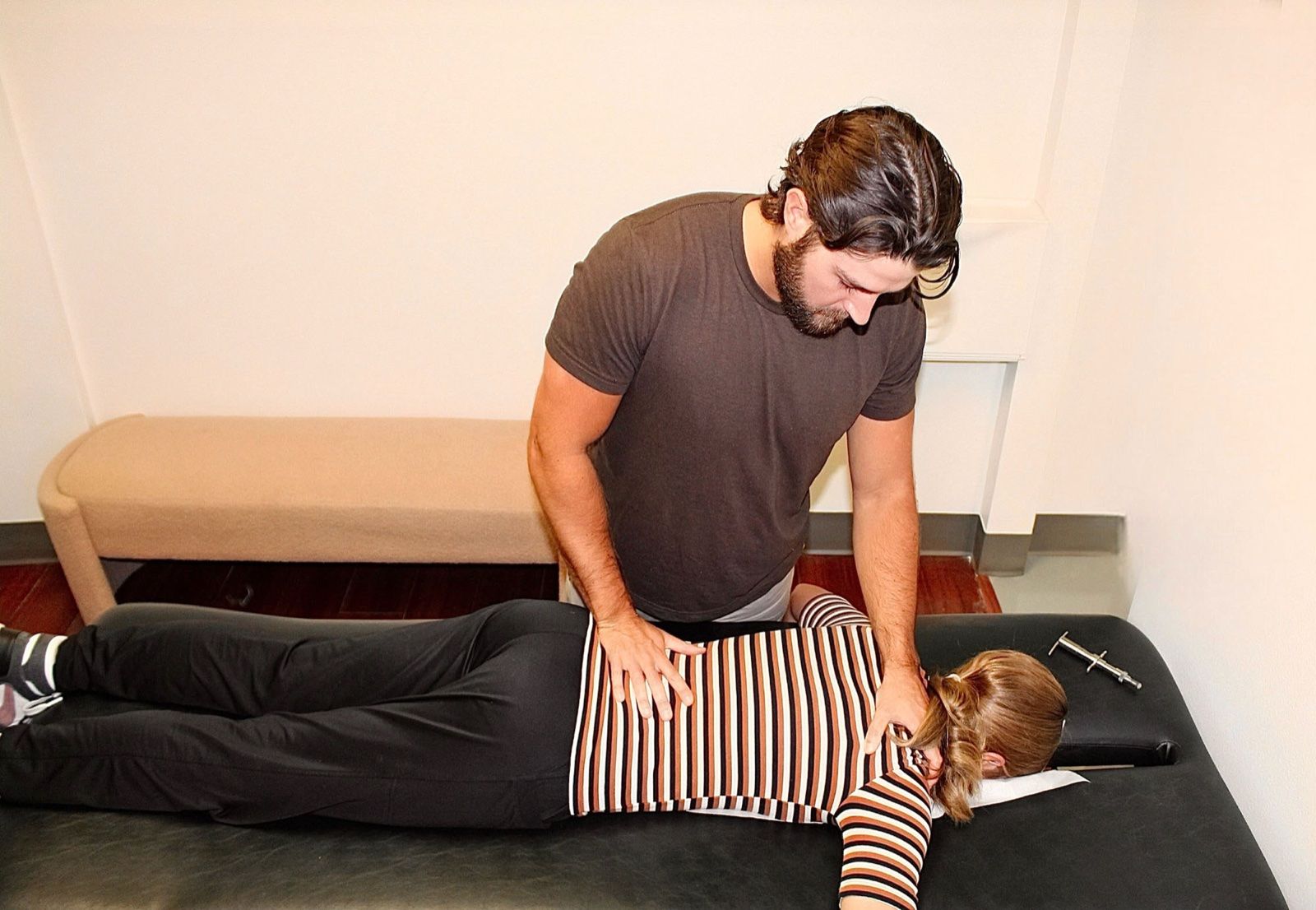
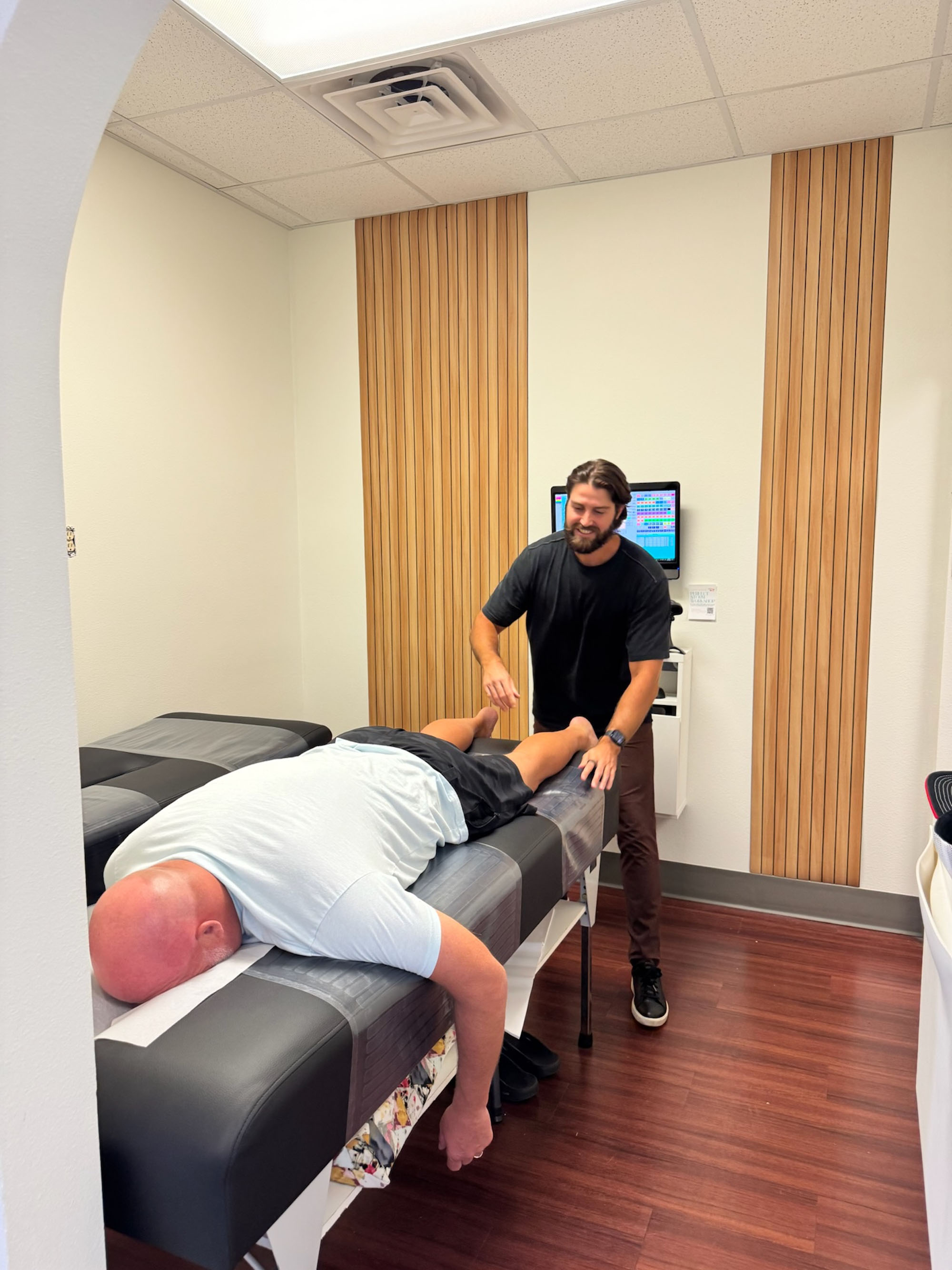
Dr. Fox at work.
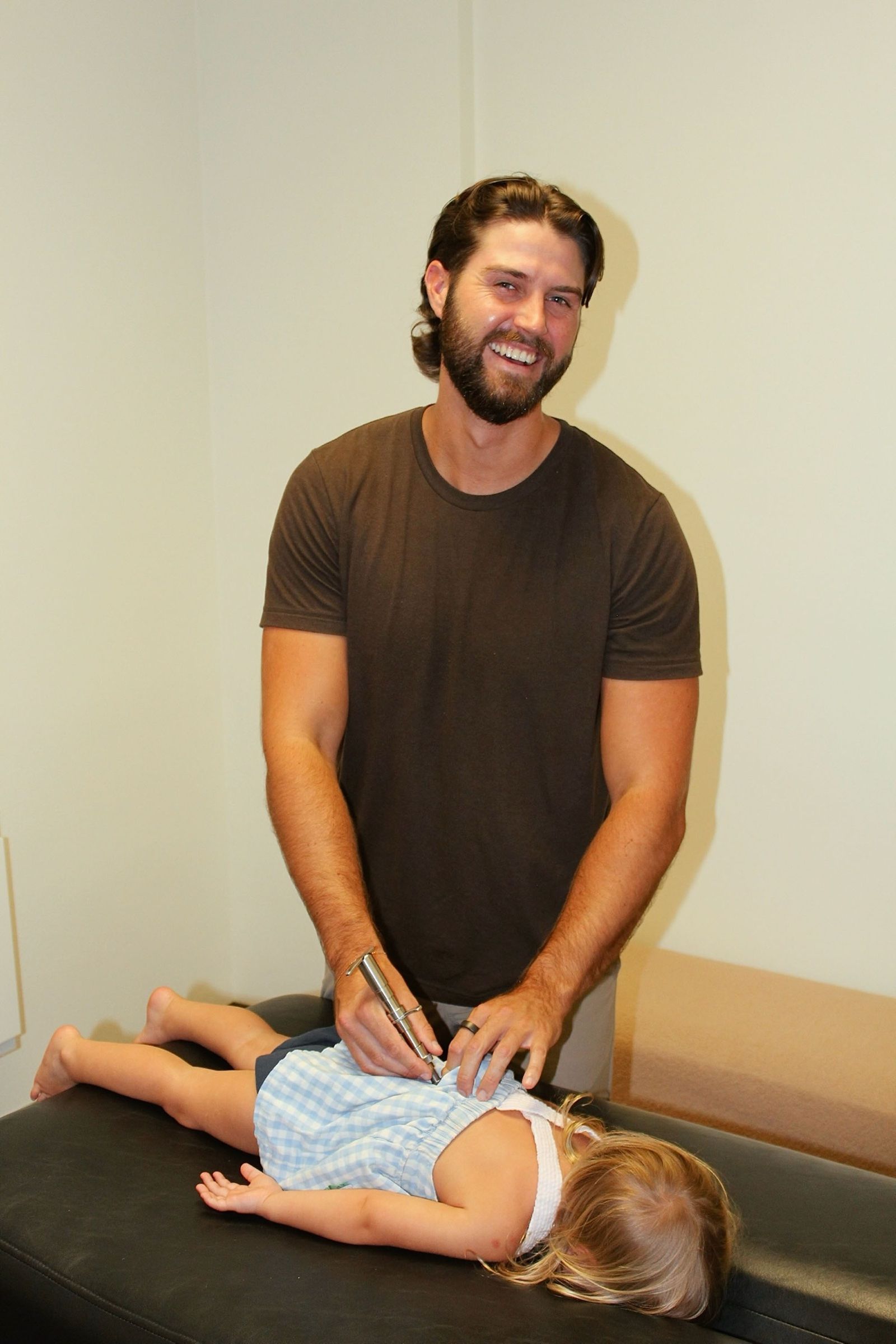
Precision over pressure — care that addresses the cause.

Dr. Logan's neuropathy book — free at every visit.
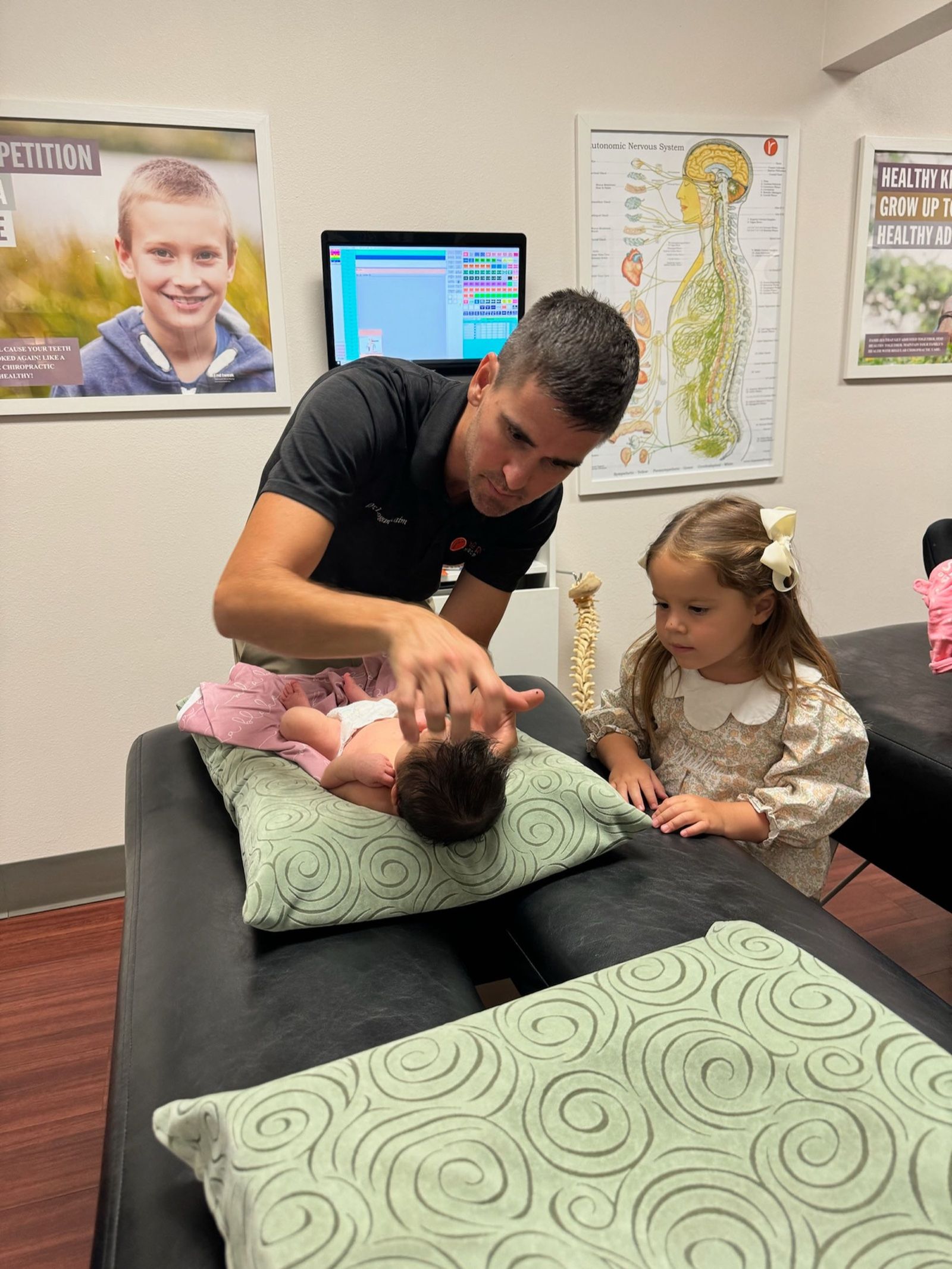
Dr. Logan in the office.
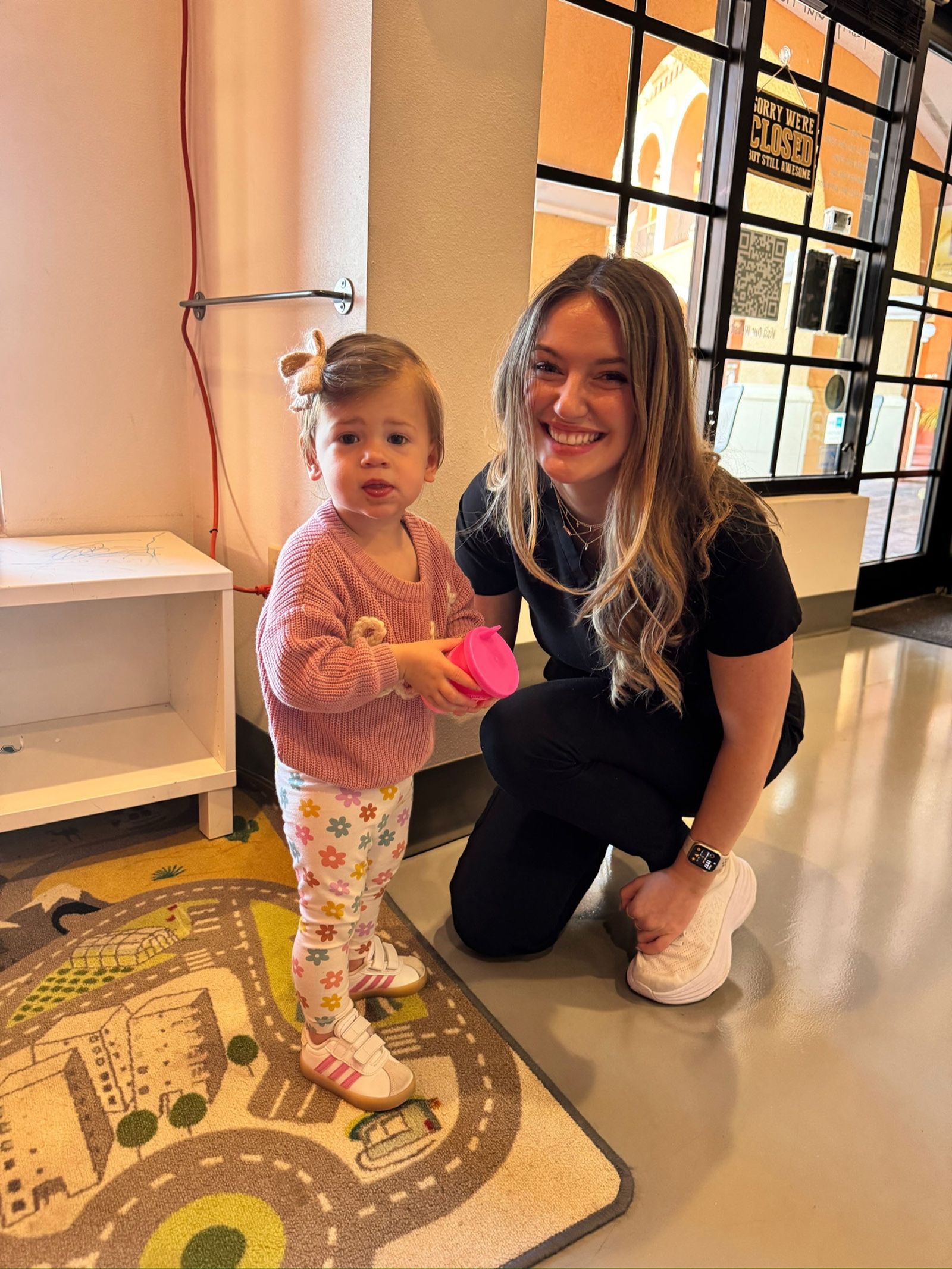
Carly — patient care that feels like family.

Dr. Laura in the office.

Carly — patient care that feels like family.

Dr. Fox at work.
Keep Exploring
See patient case studies
Real Patient Stories
Real patients.
Documented, start to finish.
Ready to Address
the Root Cause?
Schedule a comprehensive exam and let's build a plan that actually works.
*Includes consultation, neurological exam, scans & x-rays (if needed)