

Symptom
Foot Pain
Plantar fasciitis, neuropathy, or biomechanical patterns
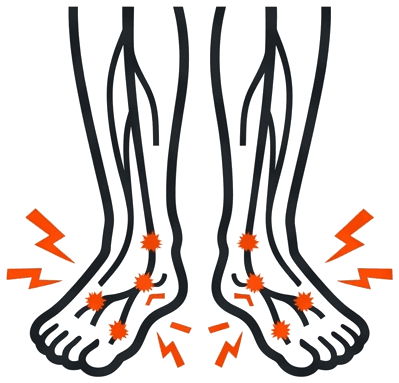
Foot pain comes from many sources: plantar fasciitis, peripheral neuropathy, biomechanical issues, or referred pain from the spine. A full evaluation identifies the actual driver before any care plan begins.
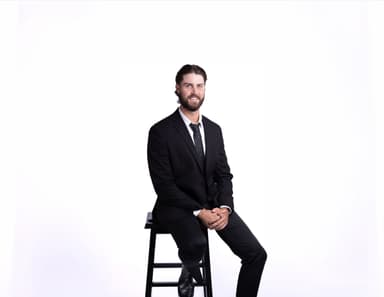
By Dr. Logan Swaim · Last updated August 12, 2026
Get help with Foot Pain
Three quick questions — we'll call you within 24 business hours.
About Foot Pain
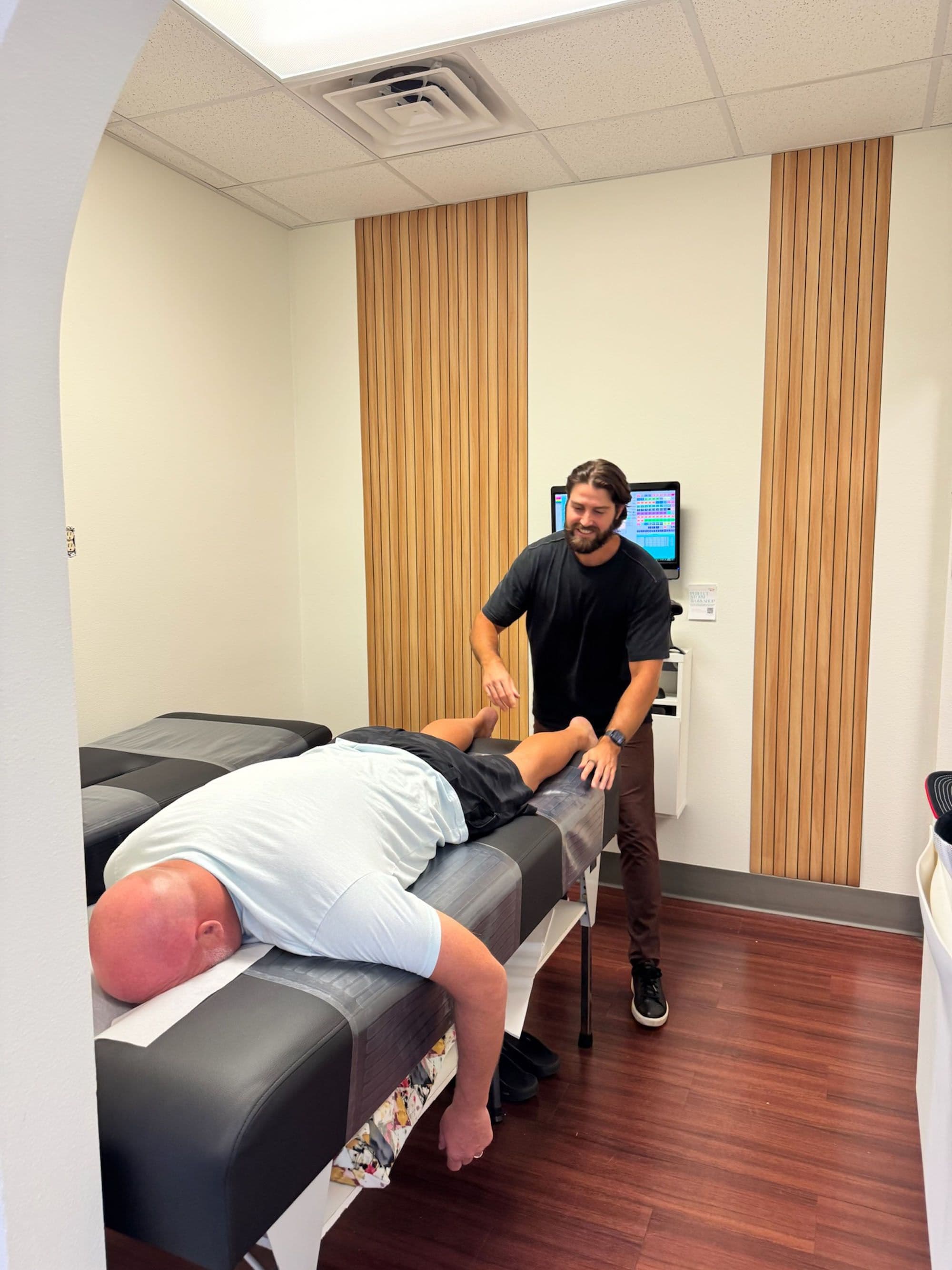
Foot pain is one of those symptoms that feels simple but rarely is, because the foot is a dense network of bones, joints, soft tissue, and nerves that all have to work together with every step. Pain can come from the tissue itself, from how the foot is loaded and moves, or from a nerve that is irritated somewhere along its path, sometimes as far up as the lower back. The location, timing, and quality of the pain are the clues that point toward the actual source.
Some patterns are recognizable. Sharp heel pain that is worst with the first steps in the morning often points to plantar fasciitis. Burning, tingling, or pain that spreads across both feet and worsens at night is a presentation commonly tied to peripheral neuropathy. Pain that shifts with certain movements or positions can trace back to biomechanics or to a nerve being compressed higher up, where the issue is felt in the foot but the driver lives in the spine.
Our approach is to map the nervous system and the source of the pain first, rather than guessing. A thorough neurological evaluation helps us identify whether the pain is coming from local tissue, from how the foot moves, or from a nerve signal breaking down along its path. Once we understand the real driver, we build a personalized care plan that supports nervous-system regulation and addresses the underlying cause instead of only chasing the symptom.
Where We See This
Common contexts in our office
- Often shows up as sharp heel pain with the first steps in the morning
- Frequently linked to peripheral neuropathy when it burns, tingles, or affects both feet
- Sometimes referred from the lower back rather than originating in the foot itself
- Commonly tied to activity level, footwear, or how the foot is loaded and moves
The Nervous System Map
What this can be connected to
Per traditional chiropractic philosophy plus the patterns we see clinically, foot pain is often associated with these regions or systems. Click any to read more.
Spinal regions
Body systems

When To Seek Medical Care
Talk to your doctor first if…
If foot pain follows an injury and you cannot bear weight, or the foot is visibly deformed, that needs prompt medical evaluation to rule out a fracture. Foot pain with significant swelling, redness, warmth, or fever can signal an infection or a blood clot and should be seen urgently, and any sudden, severe pain with a cold or pale foot is a vascular emergency that warrants the ER.
From Our Doctors
Hear it from the team
Dr. Logan Swaim — Red Light Therapy Overview”
Common Questions
About foot pain
Related Reading
Articles about foot pain
Why Your Plantar Fasciitis Keeps Coming Back (And How to Stop It)
Treated your plantar fasciitis with rest, stretches, orthotics — and it still keeps returning? Here's what's actually going on and how to break the cycle.
Read article5 Early Warning Signs of Peripheral Neuropathy
Don't ignore these symptoms — early detection gives you the best chance of slowing or even reversing nerve damage.
Read articleNeuropathy vs. Sciatica: How to Tell the Difference
Both cause leg pain — but the underlying causes and treatments are completely different. Here's how to know which you're dealing with.
Read articleWho You'll See
Doctors who see this every week
The Roots Health Centers is led by the same doctors at every visit — no rotating providers. Care starts with a full neurological evaluation, and a doctor walks you through what it found before anything else is recommended.


Inside the clinic
Where the work happens.
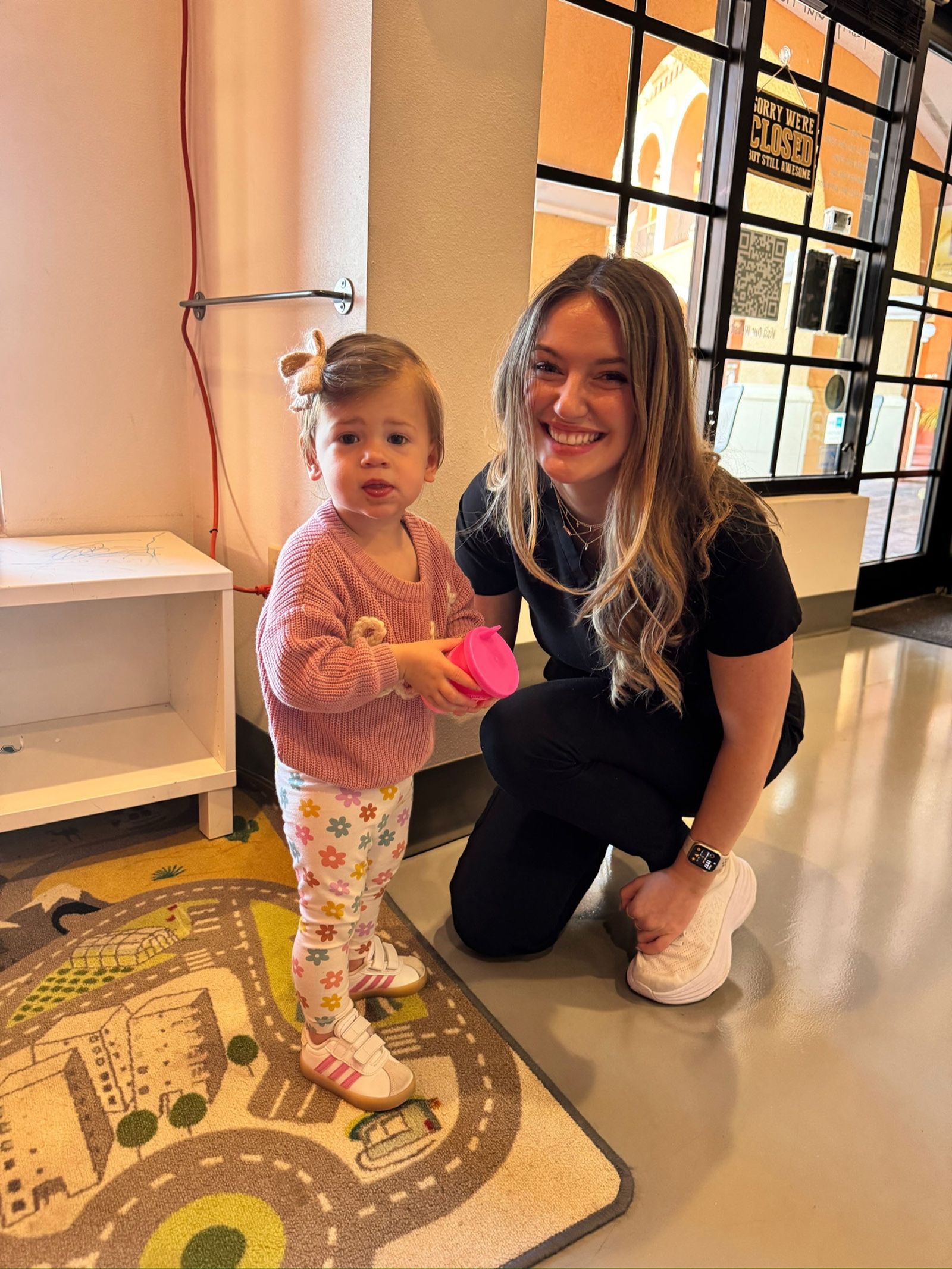
Carly — patient care that feels like family.
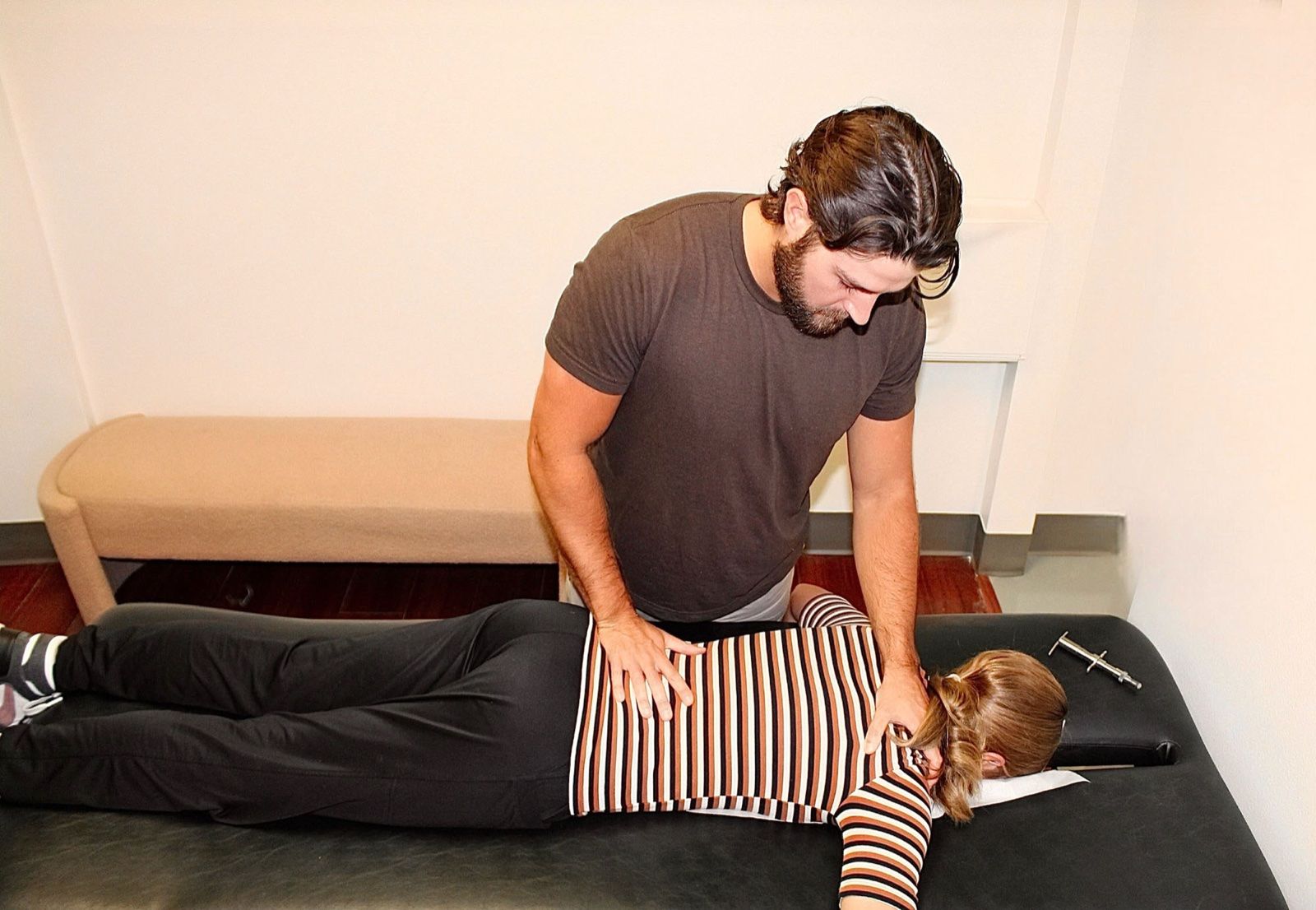
Dr. Fox at work.
Dr. Logan's neuropathy book — free at every visit.
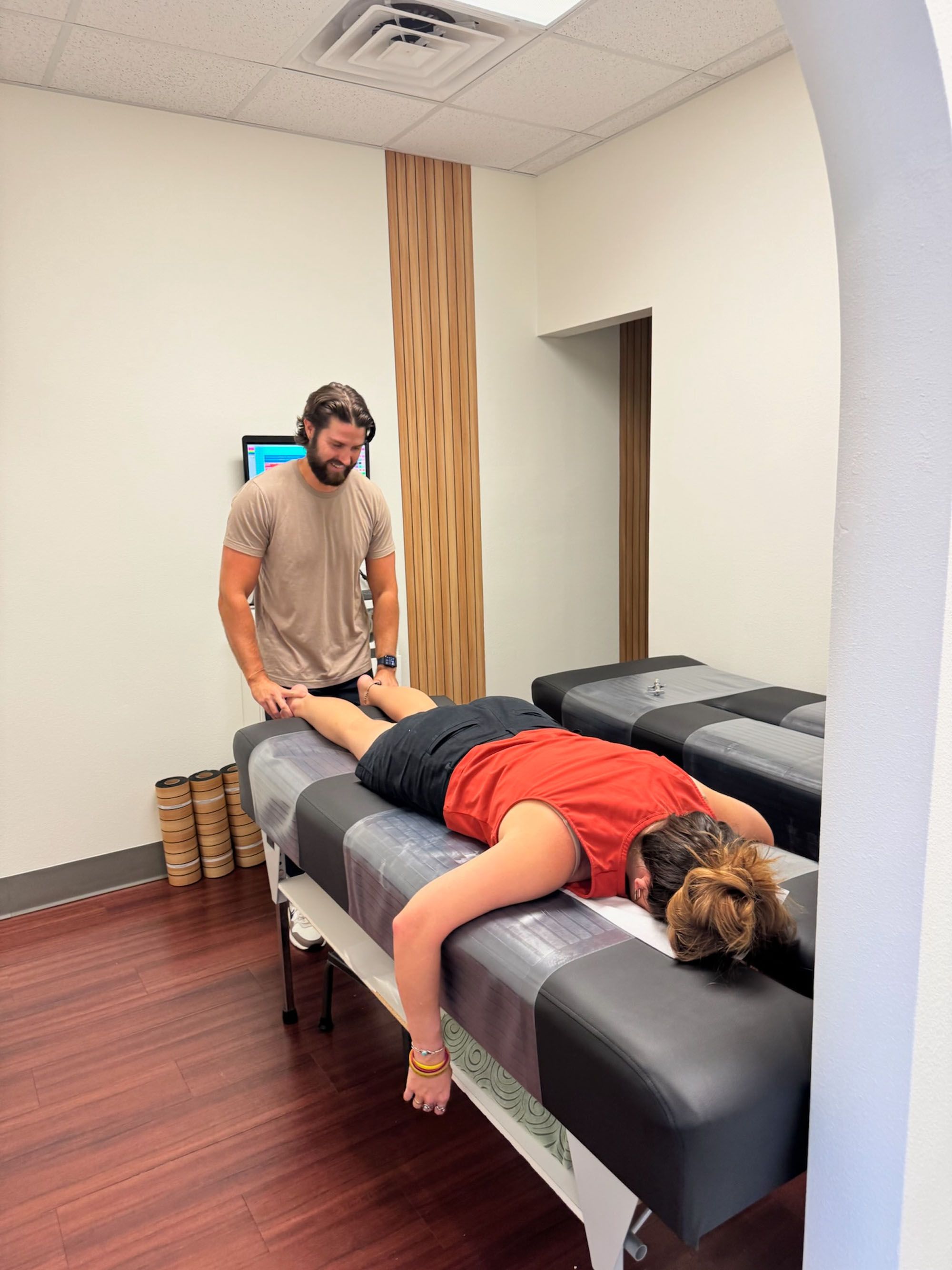
Precision over pressure.
Carly — patient care that feels like family.
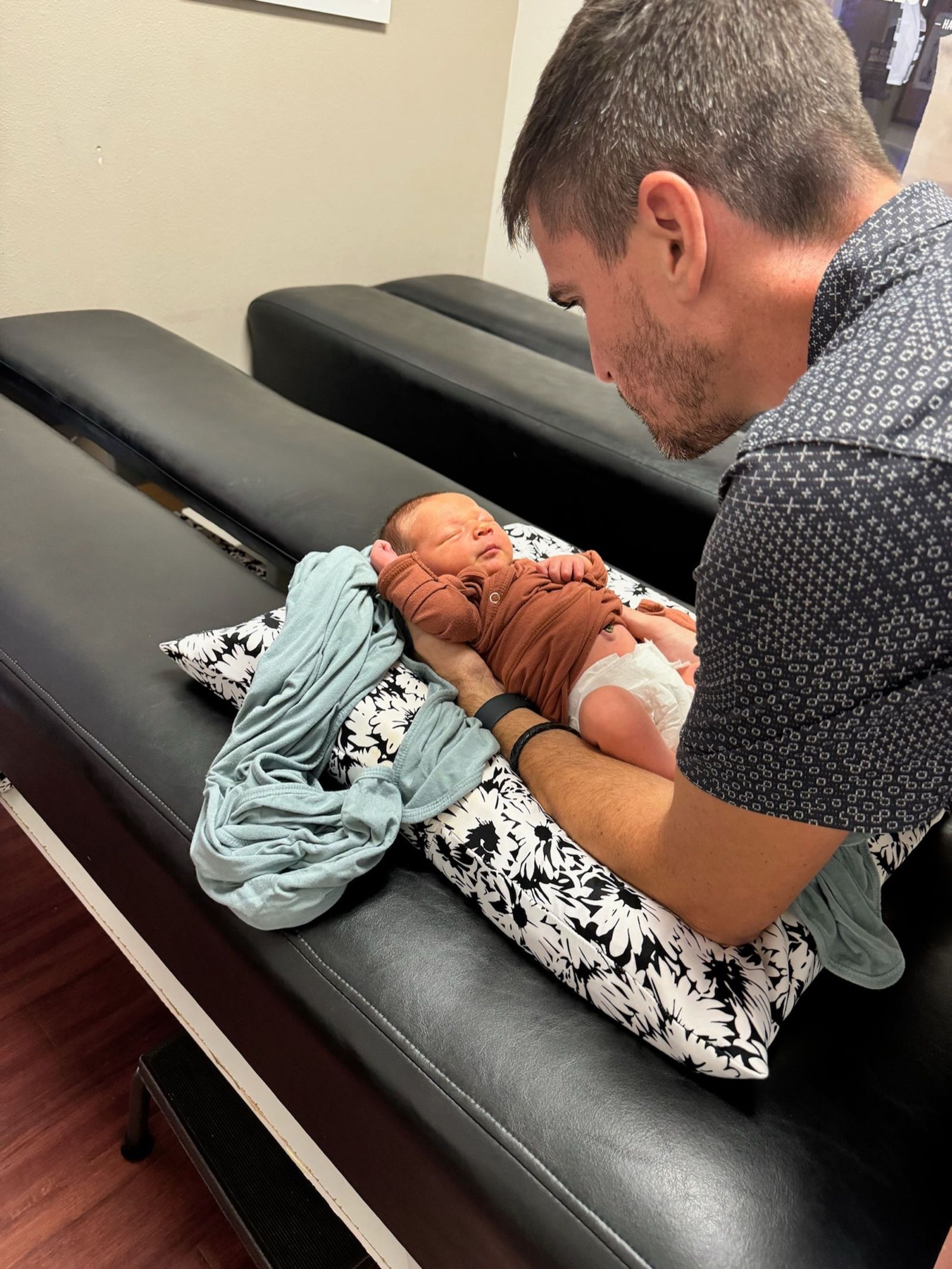
Dr. Logan in the office.
Keep Exploring
Meet the team
This page is educational, not medical advice. Always consult your medical doctor for serious health concerns; chiropractic care complements but doesn't replace primary medical care.
Want a personalized look at your nervous system?
Start with a complimentary consultation. We use a neurological evaluation to map what's going on — no commitment, no cost.