

Symptom
Lower Back Pain
Chronic, acute, or recurring
Pain in the lumbar or sacral region. Most cases involve a combination of structural, nervous-system, and lifestyle factors — which is why we start with a full neurological evaluation, not just a spinal exam.
By Dr. Logan Swaim · Last updated August 12, 2026
Get help with Lower Back Pain
Three quick questions — we'll call you within 24 business hours.
About Lower Back Pain
Lower back pain shows up in the lumbar and sacral region, the area that carries most of your upper-body weight and powers nearly every bend, lift, and step you take. The spine here isn't just bone and muscle. It surrounds and protects nerves that branch out to your hips, legs, and core. When a joint moves poorly, a disc gets irritated, or surrounding muscles tighten to guard an area, those nerves can become sensitive and start sending pain signals even with everyday motion.
The pain can be sharp and sudden after a single awkward lift, or it can be a dull ache that builds over months of sitting, standing, or repetitive strain. Common drivers include prolonged desk posture, heavy or twisting lifts, weak core support, pregnancy-related changes, old injuries that never fully settled, and stress that keeps the surrounding muscles tense. Because the lower back works with the hips and pelvis, an imbalance in one area often pulls on another, which is why the same spot can keep flaring up.
Our approach starts with understanding what your nervous system is doing, not just where it hurts. We map the nervous system first with a thorough neurological evaluation, looking at how your spine moves, how the surrounding muscles are responding, and where the stress is concentrated. From there we build a personalized care plan with gentle, hands-on care that works alongside your medical care, so the support fits your body and your goals rather than a one-size-fits-all routine.
Where We See This
Common contexts in our office
- Often follows long hours of desk posture or driving
- Common after heavy or twisting lifts and yard work
- Frequently linked to pregnancy or postpartum changes
- Tends to flare with stress and poor sleep
The Nervous System Map
What this can be connected to
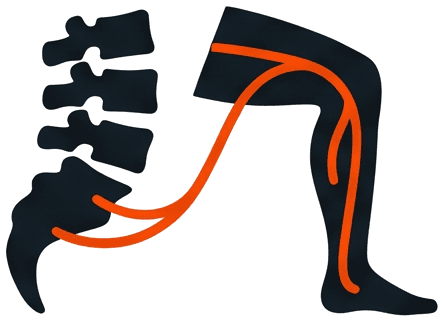
Per traditional chiropractic philosophy plus the patterns we see clinically, lower back pain is often associated with these regions or systems. Click any to read more.
Spinal regions
Body systems

When To Seek Medical Care
Talk to your doctor first if…
Some lower back symptoms point to a situation that needs urgent medical attention. If you notice new loss of bladder or bowel control, numbness around the groin or inner thighs (saddle area), sudden or progressive weakness in one or both legs, or back pain alongside fever, unexplained weight loss, or a recent significant fall or accident, treat it as an emergency and go to the ER or call your doctor right away. These can signal nerve or spinal involvement that should be evaluated immediately rather than watched at home.
From Our Doctors
Hear it from the team
Dr. Logan Swaim — Red Light Therapy Overview”
Common Questions
About lower back pain
Related Reading
Articles about lower back pain
5 Signs Your Back Pain Isn't Just Muscular
Not all back pain is created equal. If you're experiencing these warning signs, the problem might be deeper than tight muscles.
Read articleHow Sitting 8 Hours a Day Is Quietly Wrecking Your Spine
Modern work keeps you seated, but your spine wasn't built for that. Here's what prolonged sitting actually does to your body — and what may help.
Read articleSpinal Decompression Therapy: How Non-Surgical Decompression Works and Who It Helps
What non-surgical spinal decompression actually is, how it differs from surgery and basic traction, and which back and disc problems it helps.
Read articleWho You'll See
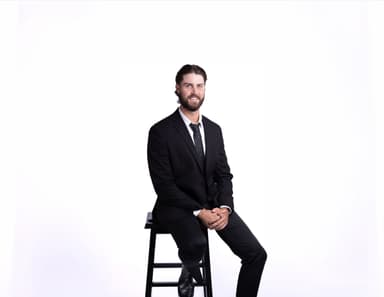
Doctors who see this every week
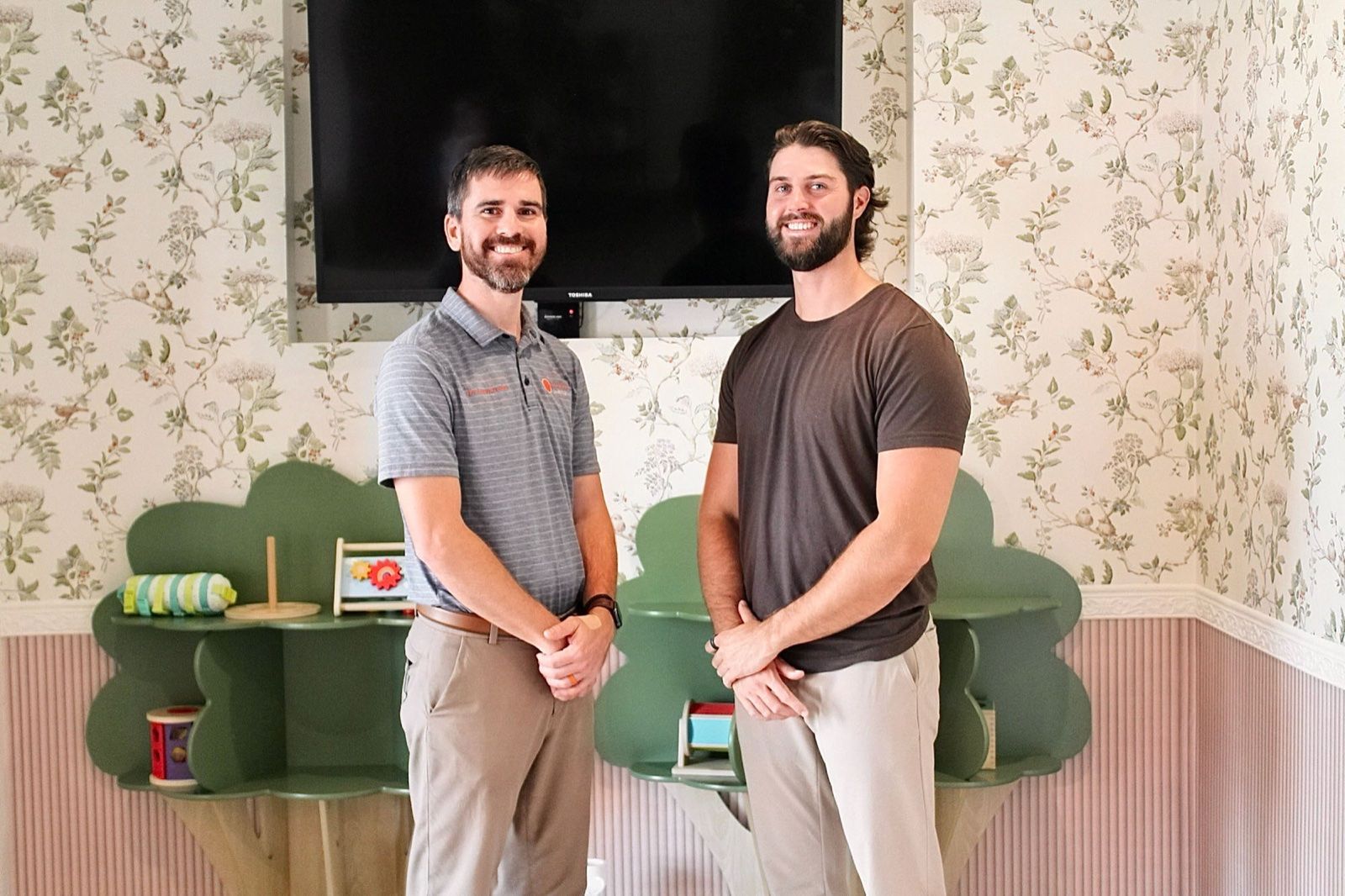
The Roots Health Centers is led by the same doctors at every visit — no rotating providers. Care starts with a full neurological evaluation, and a doctor walks you through what it found before anything else is recommended.


Inside the clinic
Where the work happens.
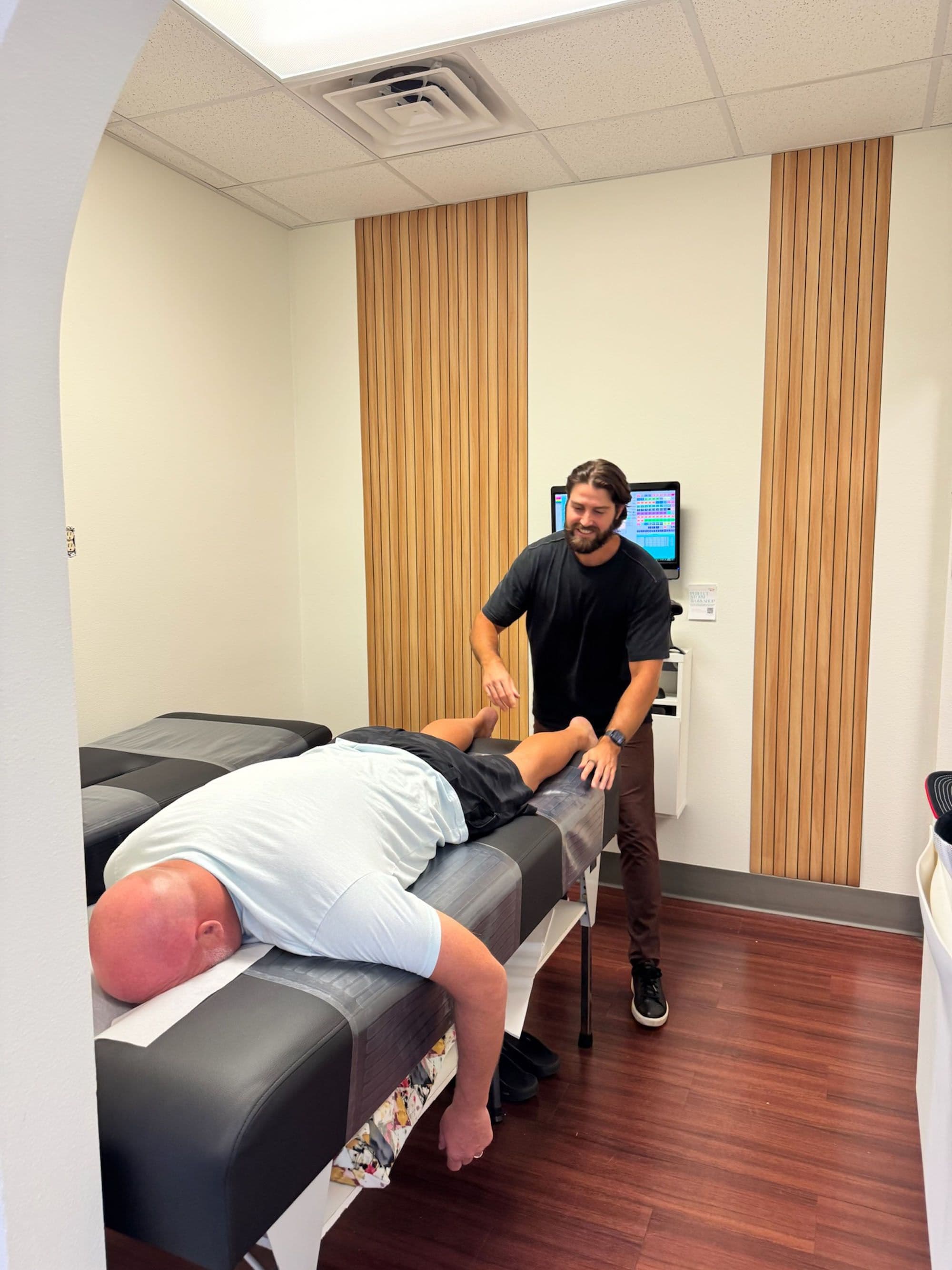
Dr. Fox at work.
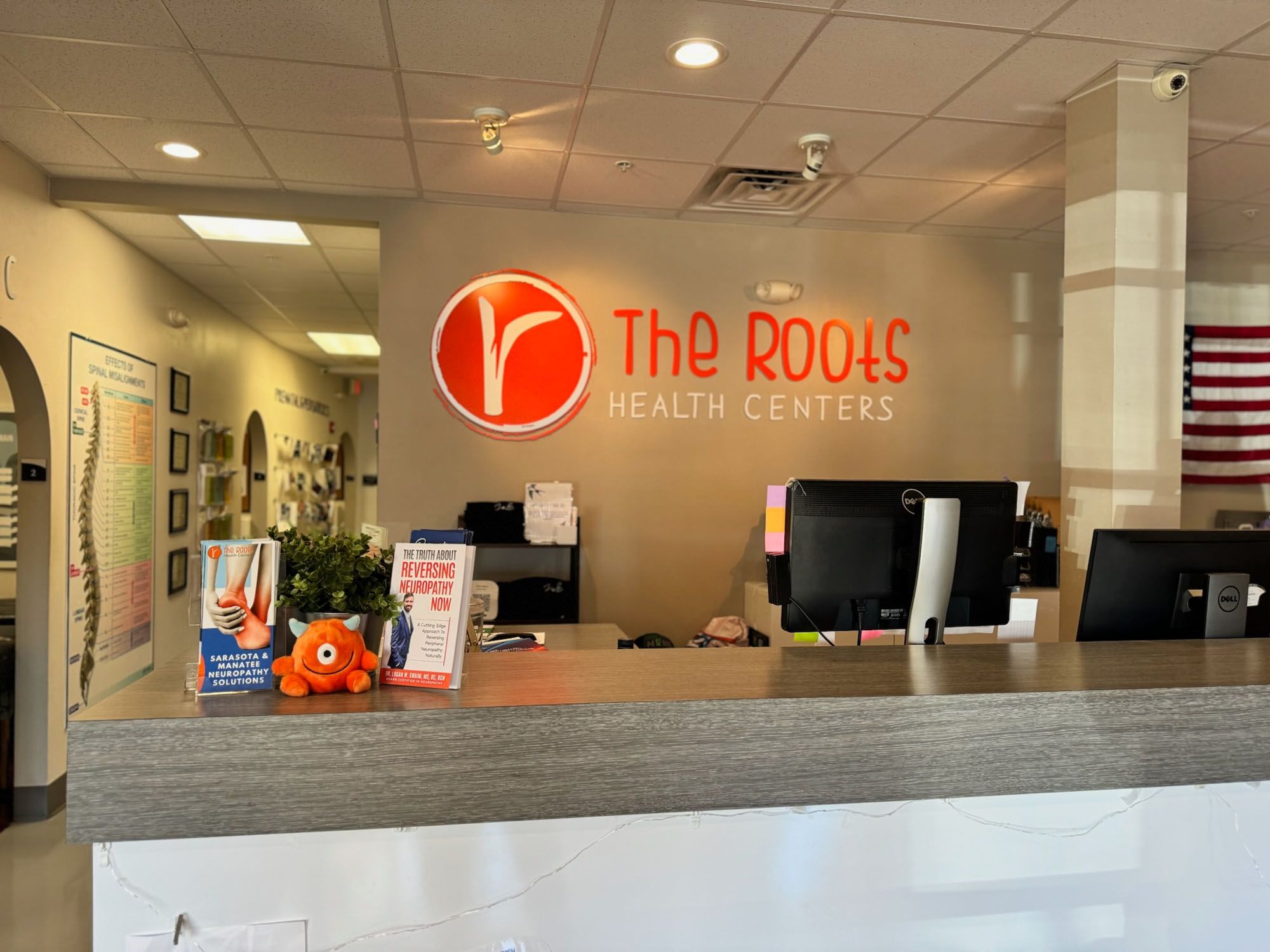
Dr. Logan's neuropathy book — free at every visit.

Dr. Laura in the office.
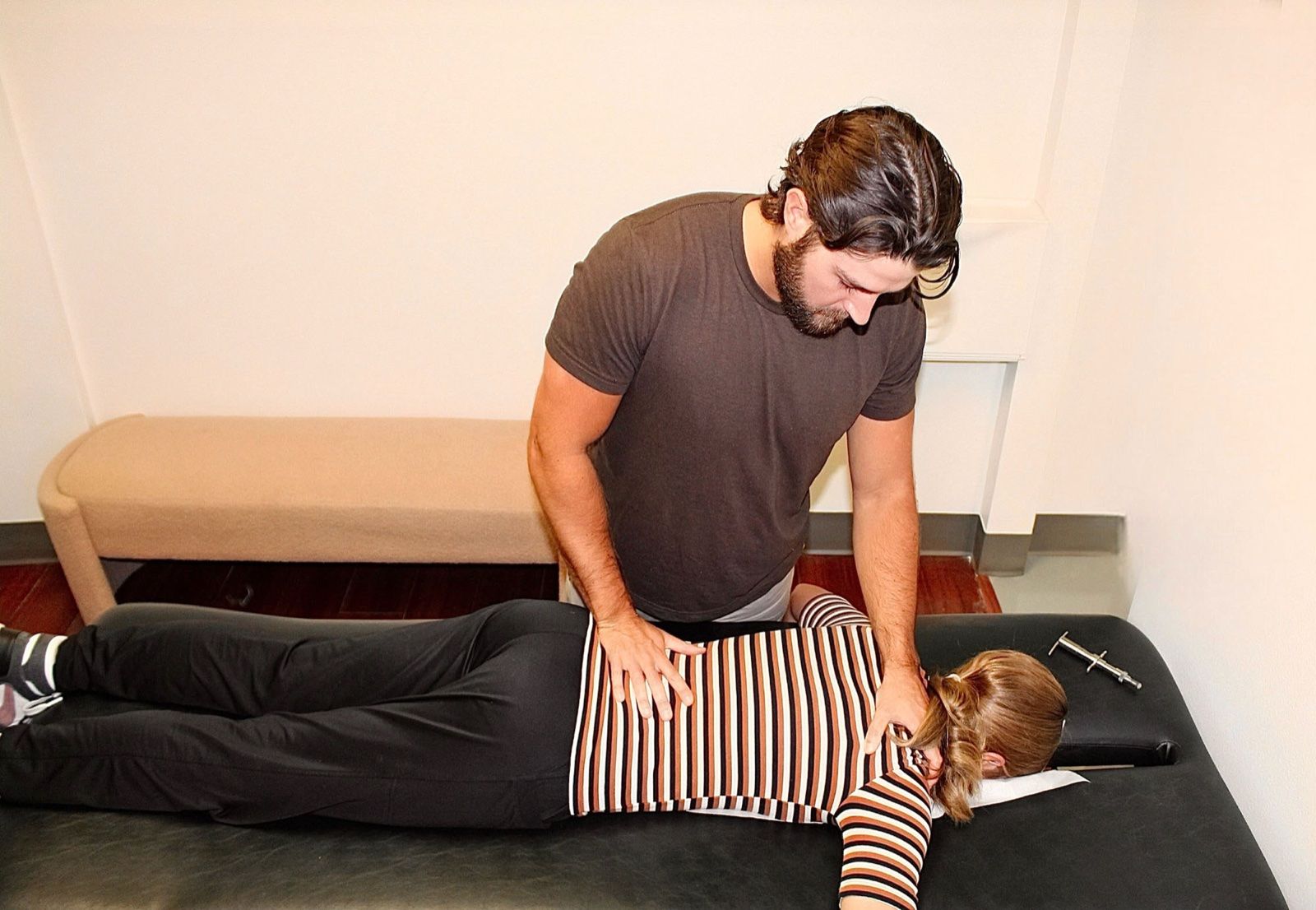
Dr. Fox at work.
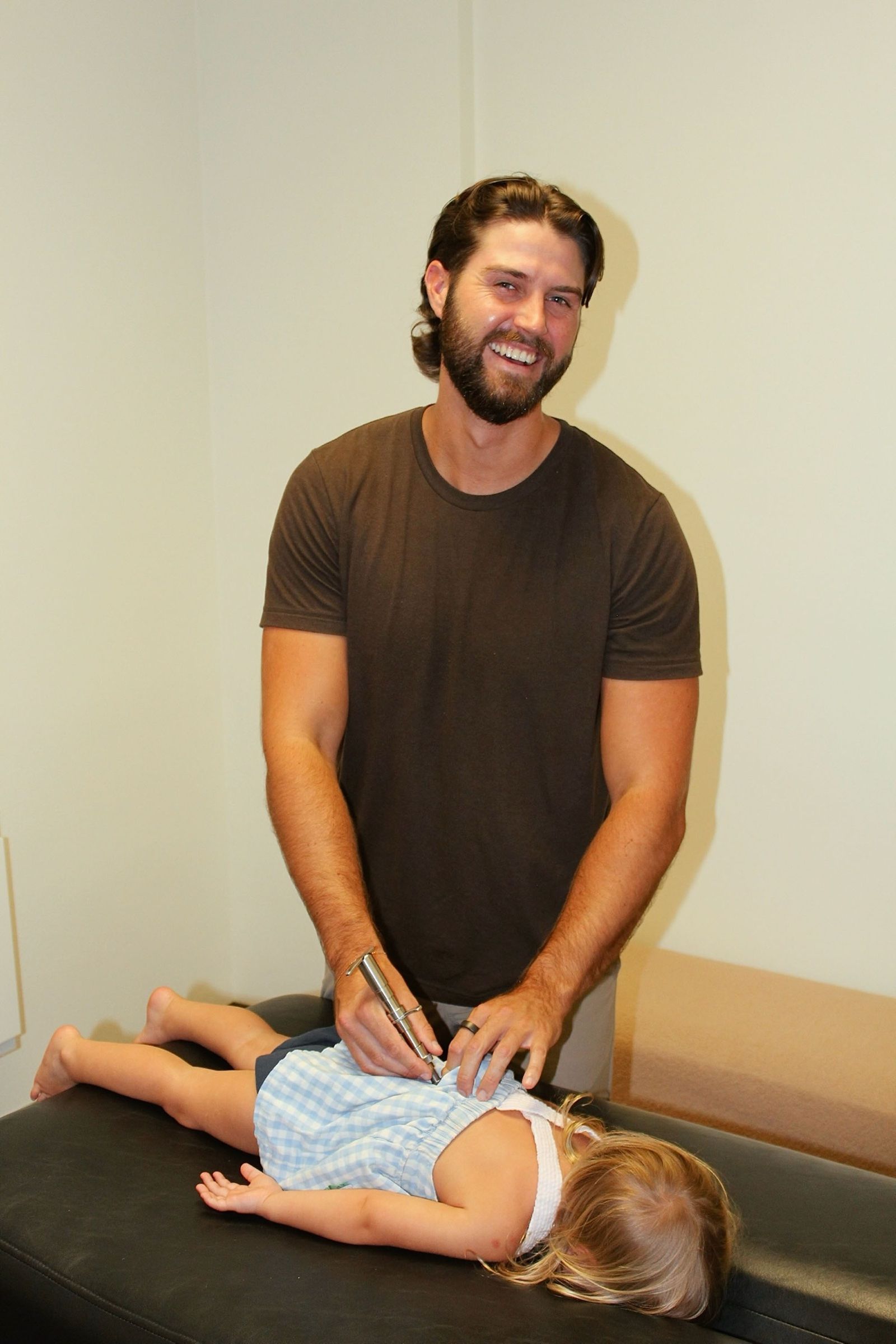
Precision over pressure — care that addresses the cause.
Keep Exploring
Meet the team
This page is educational, not medical advice. Always consult your medical doctor for serious health concerns; chiropractic care complements but doesn't replace primary medical care.
Want a personalized look at your nervous system?
Start with a complimentary consultation. We use a neurological evaluation to map what's going on — no commitment, no cost.