

Symptom
Headaches & Migraines
Tension, vascular, and cervicogenic patterns
Recurring headaches or migraines. Many cases have a structural component in the upper cervical spine that responds well to chiropractic assessment alongside primary medical care.
By Dr. Logan Swaim · Last updated August 12, 2026
Get help with Headaches & Migraines
Three quick questions — we'll call you within 24 business hours.
About Headaches & Migraines
A headache is pain or pressure in the head, and a migraine is usually a more intense version that can come with nausea, light sensitivity, or visual changes. Most headache pain doesn't actually start in the brain itself, because brain tissue has no pain sensors. It comes from the structures around it: the muscles, blood vessels, and nerves of the head and neck, all of which are controlled by your nervous system. When those signals get overactive or out of balance, your body experiences it as a headache.
Headaches tend to fall into a few patterns. Tension-type headaches feel like a tight band squeezing the head and often build through the day. Vascular patterns, including many migraines, involve changes in blood flow and tend to throb. Cervicogenic patterns start in the neck and refer pain up into the head. Many cases have a structural component in the upper cervical spine, where tension and restricted movement can irritate the nerves that feed the head. Common drivers include stress, poor sleep, screen posture, dehydration, hormonal shifts, and clenching the jaw.
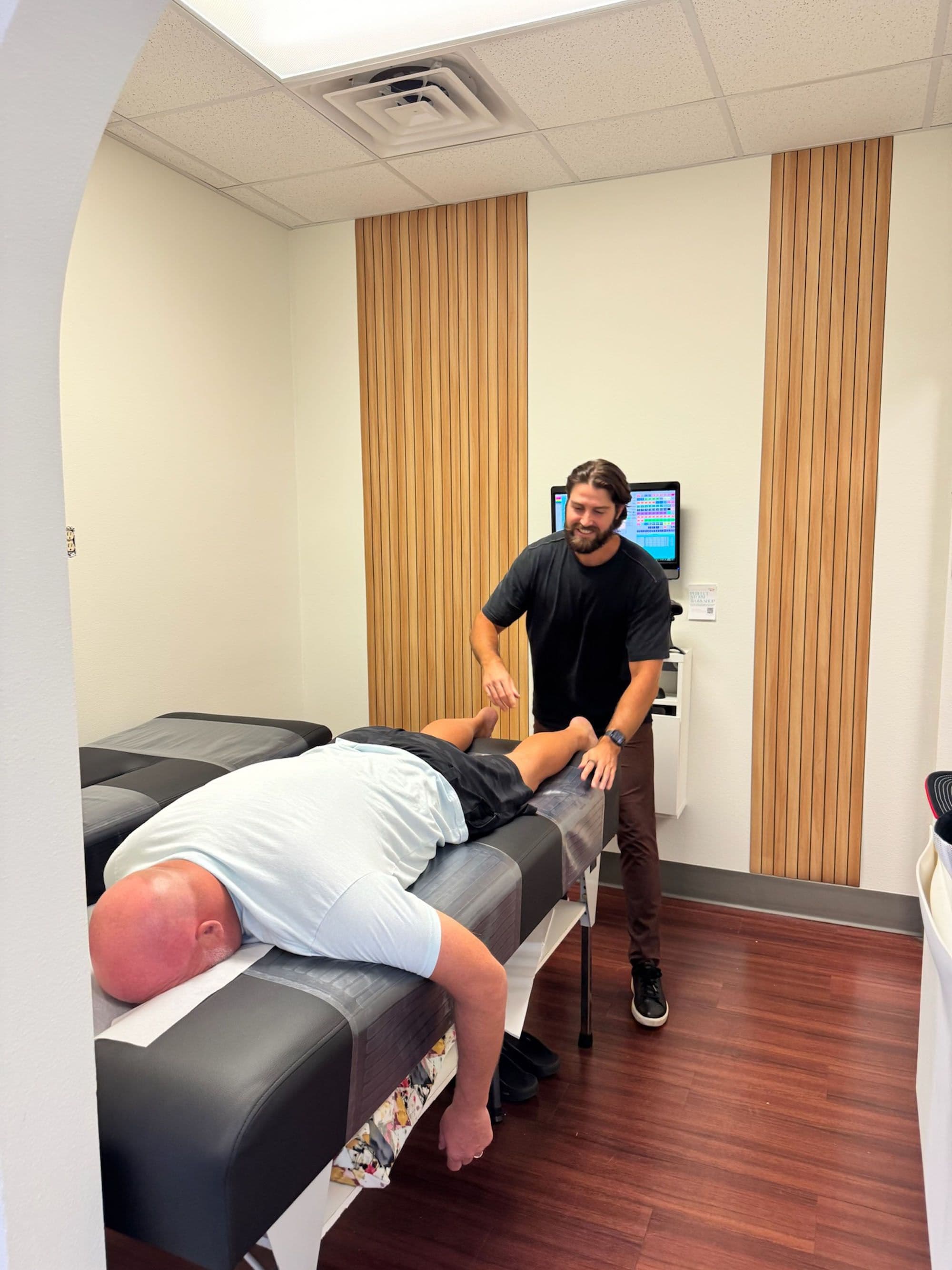
Our approach starts by mapping the nervous system first with a thorough neurological evaluation, so we can see where tension and irritation are showing up rather than guessing. From there we build a personalized care plan aimed at supporting how your nervous system and the structures of your neck and head function. This works alongside your primary medical care, never in place of it, and we coordinate with your physician when that's the right call.
Where We See This
Common contexts in our office
- Often traces back to tension and restricted movement in the upper neck
- Frequently worsens during periods of high stress or poor sleep
- Commonly tied to long hours at a screen, desk posture, or jaw clenching
- Often appears alongside neck tightness, shoulder tension, and eye strain
The Nervous System Map
What this can be connected to
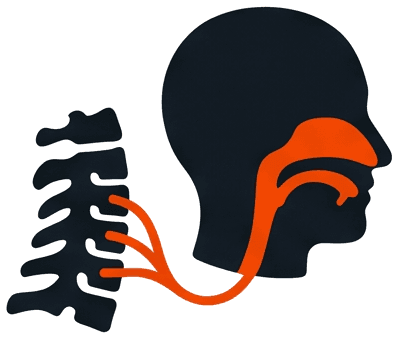
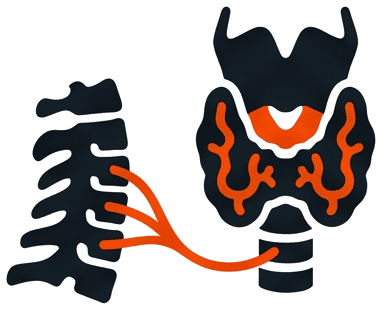
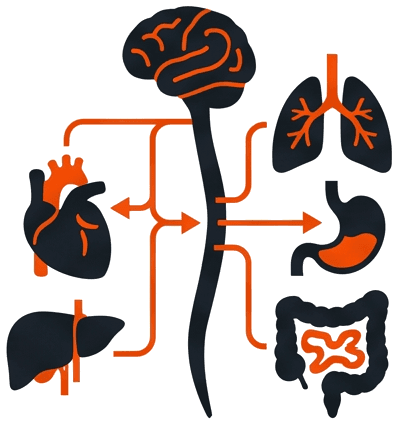
Per traditional chiropractic philosophy plus the patterns we see clinically, headaches & migraines is often associated with these regions or systems. Click any to read more.
Spinal regions

When To Seek Medical Care
Talk to your doctor first if…
Some headaches need urgent medical attention, not a care plan. Call 911 or go to the emergency room for a sudden, severe headache you'd describe as the worst of your life, a headache that comes with fever, a stiff neck, confusion, slurred speech, vision loss, weakness or numbness on one side, or any headache that follows a head injury. A new headache pattern that is getting worse, or one that wakes you from sleep, deserves a prompt visit to your physician. Our care is educational support for nervous-system function and works alongside appropriate medical evaluation.
From Our Doctors
Hear it from the team
Dr. Logan Swaim — Red Light Therapy Overview”


Common Questions
About headaches & migraines
Related Reading
Articles about headaches & migraines
Migraine vs. Tension Headache: How to Tell the Difference (and What Helps)
Migraines and tension headaches can feel similar but come from different mechanisms — and respond to different approaches. Here's how to tell them apart.
Read articleTMJ Pain: Why the Dentist Isn't Always the Right First Stop
Jaw pain, clicking, grinding, headaches from your jaw — the problem often starts in the upper neck, not the jaw itself.
Read articleTech Neck: The Modern Posture Epidemic Nobody's Talking About
If you spend hours a day looking at a phone or screen, your spine is paying the price. Here's what tech neck does to your body — and how to undo it.
Read articleWho You'll See
Doctors who see this every week
The Roots Health Centers is led by the same doctors at every visit — no rotating providers. Care starts with a full neurological evaluation, and a doctor walks you through what it found before anything else is recommended.



Inside the clinic
Where the work happens.

Carly — patient care that feels like family.

Dr. Fox at work.
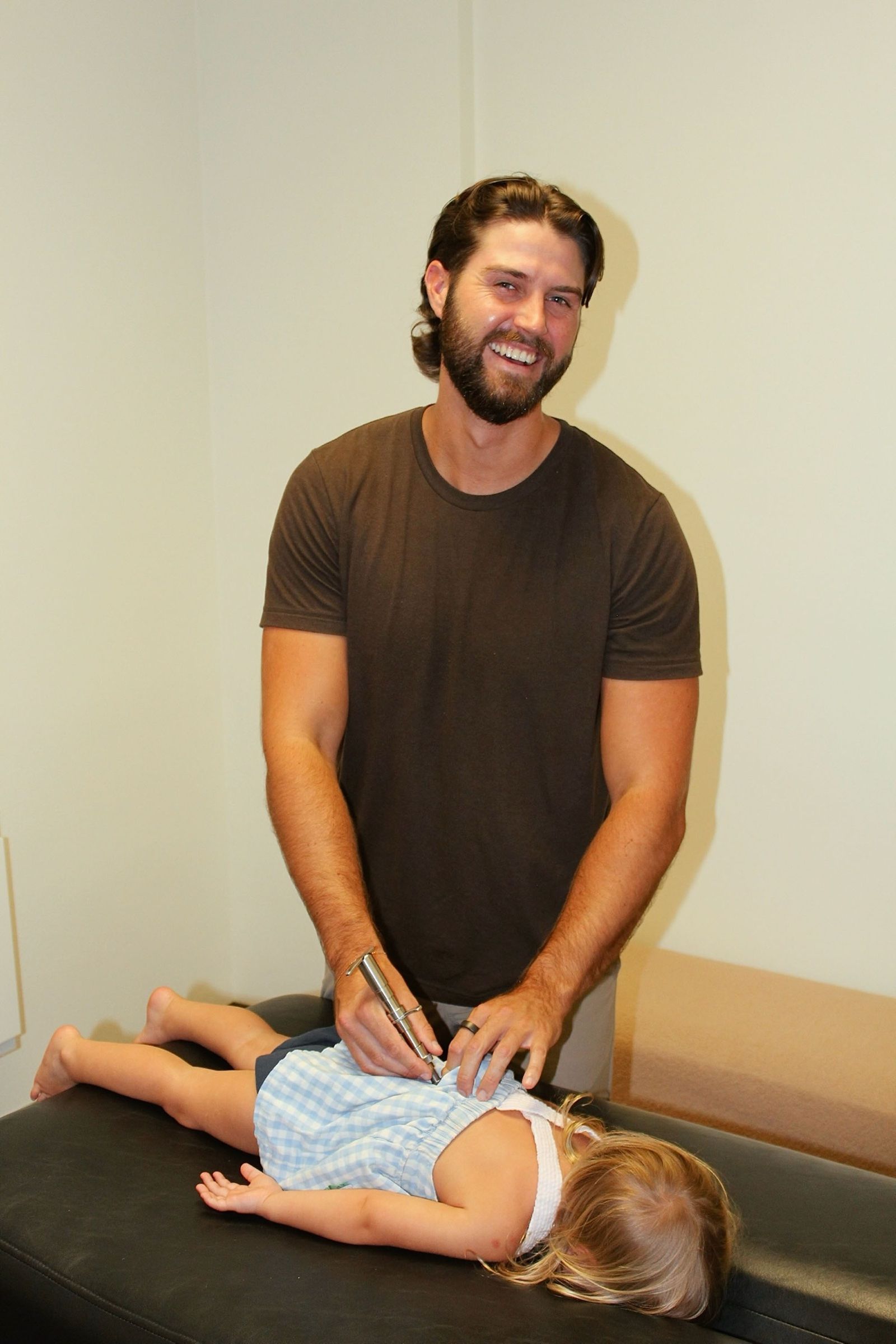
Precision over pressure — care that addresses the cause.
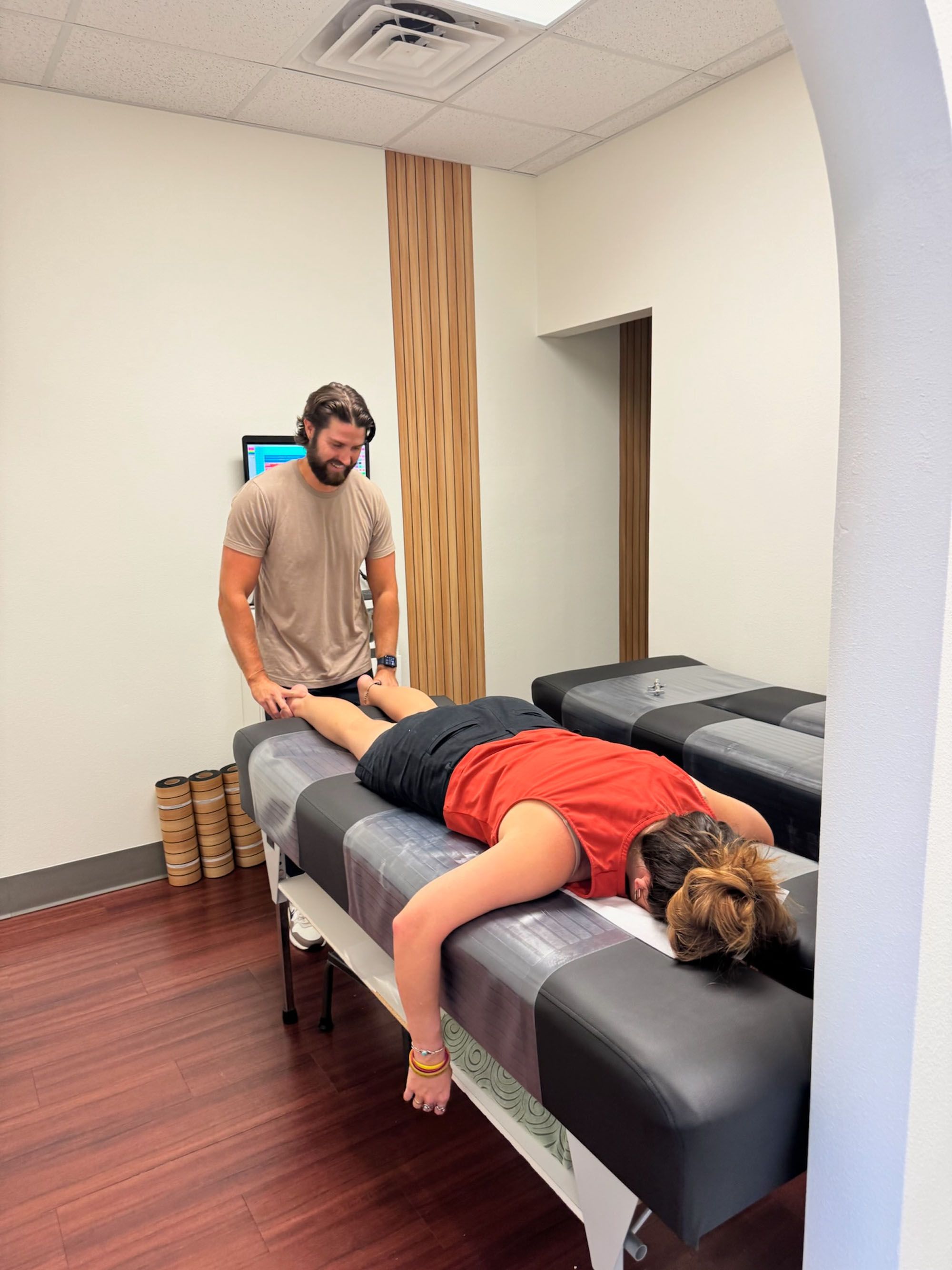
Precision over pressure.
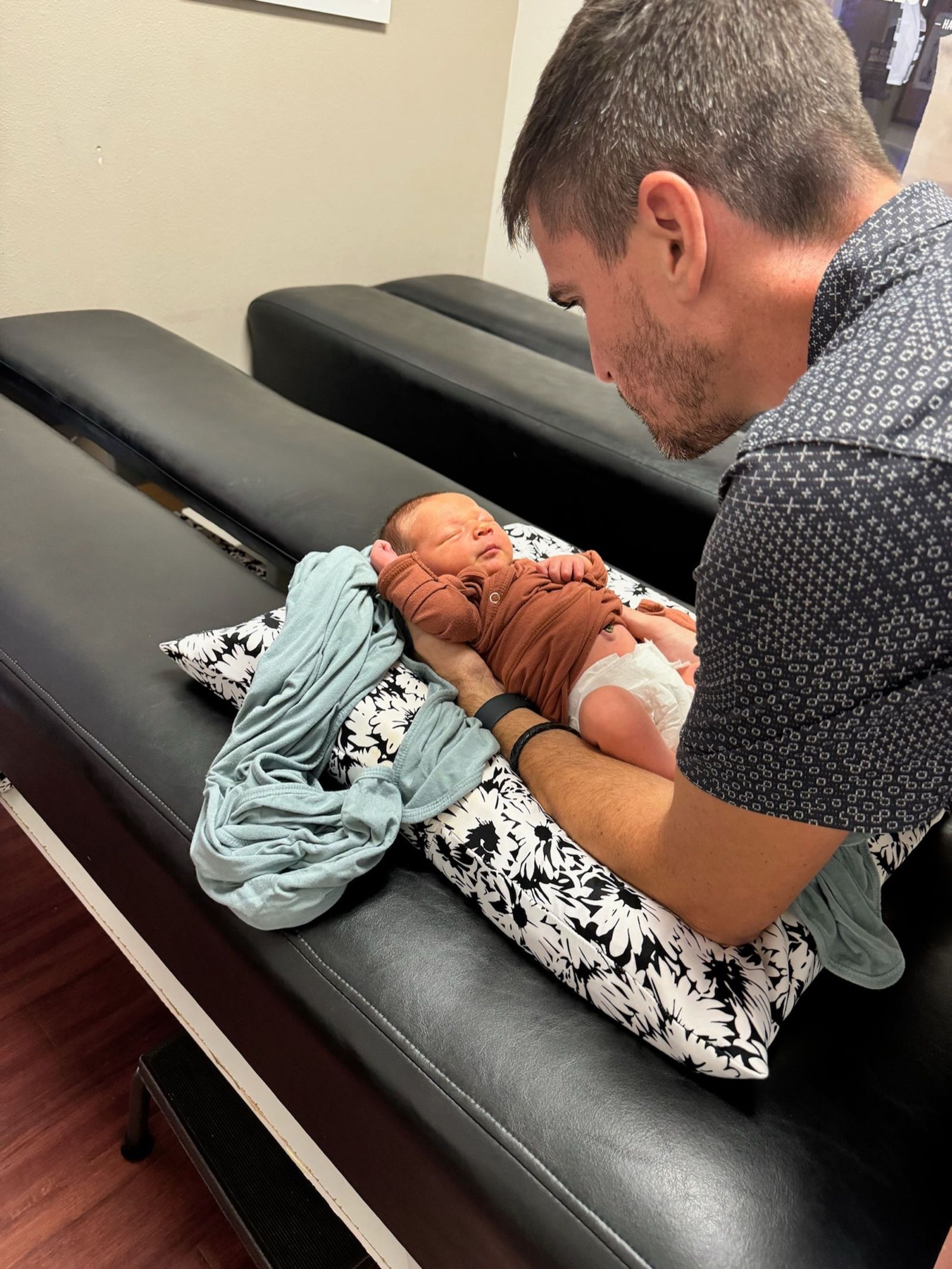
Dr. Logan in the office.
Keep Exploring
Meet the team
This page is educational, not medical advice. Always consult your medical doctor for serious health concerns; chiropractic care complements but doesn't replace primary medical care.
Want a personalized look at your nervous system?
Start with a complimentary consultation. We use a neurological evaluation to map what's going on — no commitment, no cost.