

Symptom
Muscle Weakness
Loss of strength in a hand, arm, leg, or foot
Loss of strength in a hand, arm, leg, or foot — often a sign of nerve compression or peripheral neuropathy that needs prompt assessment to prevent lasting damage.
By Dr. Logan Swaim · Last updated August 12, 2026
Get help with Muscle Weakness
Three quick questions — we'll call you within 24 business hours.
About Muscle Weakness
Muscle weakness — real, measurable loss of strength — is different from fatigue. Fatigue is when a muscle gets tired faster than it should. Weakness is when the muscle can't generate the force it should be able to. The difference matters because weakness almost always means a nerve isn't reliably driving the muscle.
Localized weakness usually traces back to nerve compression somewhere along the path: spinal nerve roots, brachial or lumbar plexus, peripheral nerves. Foot drop after a back injury, hand-grip weakness from carpal tunnel, weakness in shoulder rotation from C5-C6 compression — these are common patterns.
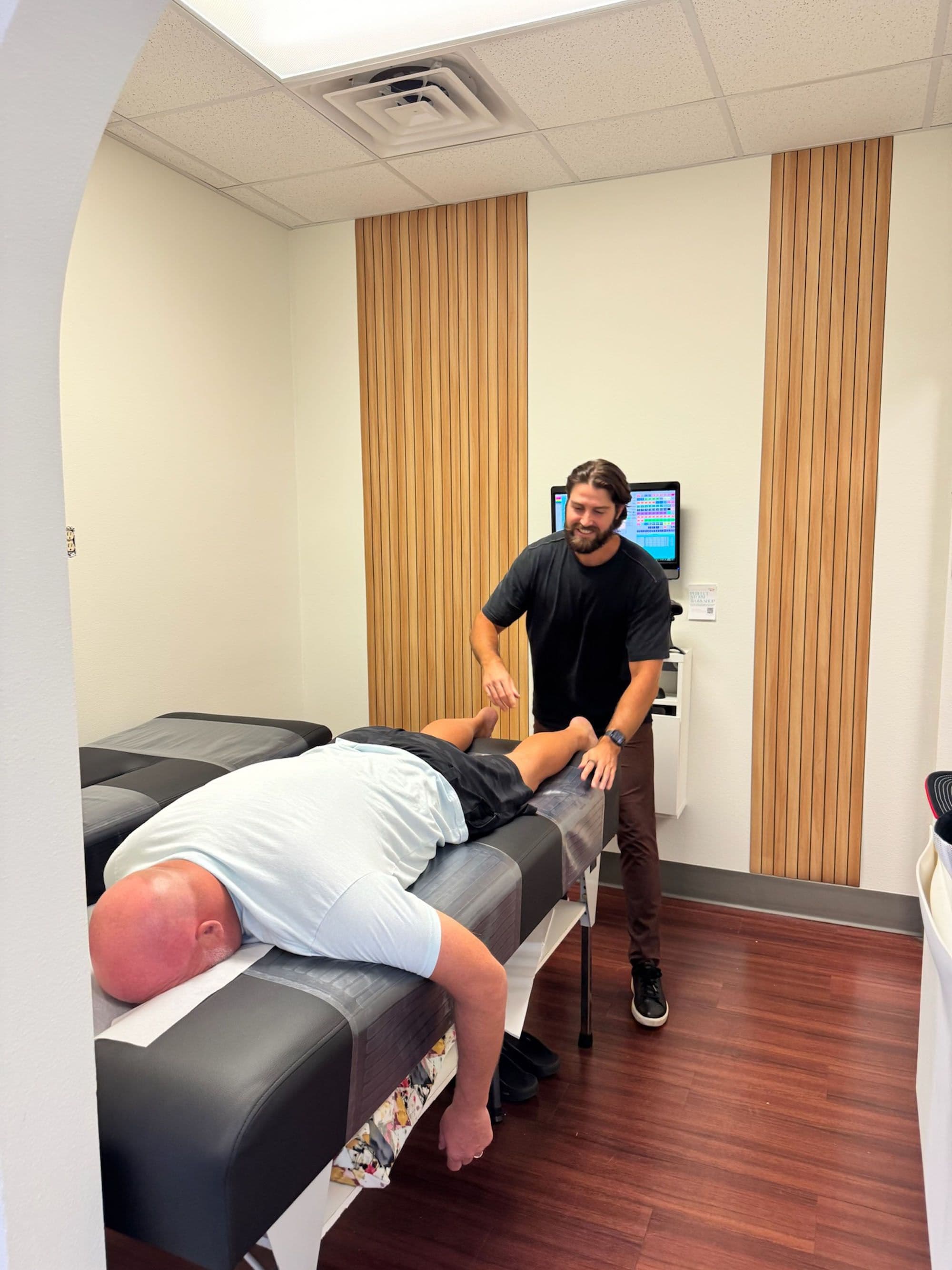
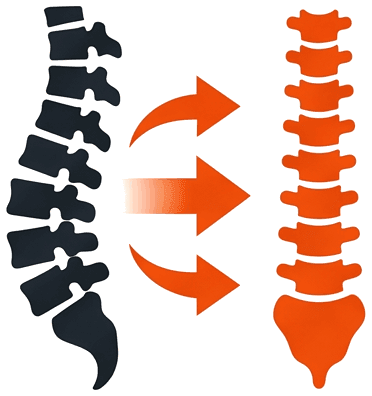
Because progressive weakness can lead to permanent muscle atrophy if the nerve doesn't recover, we treat it with urgency. A neurological evaluation maps which nerves are involved, then we build a care plan that combines spinal decompression, chiropractic, and nerve-rehab exercises to restore the signal pathway.
Where We See This
Common contexts in our office
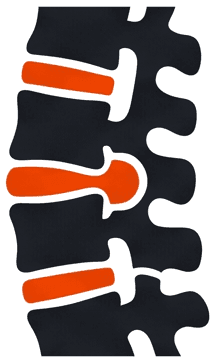
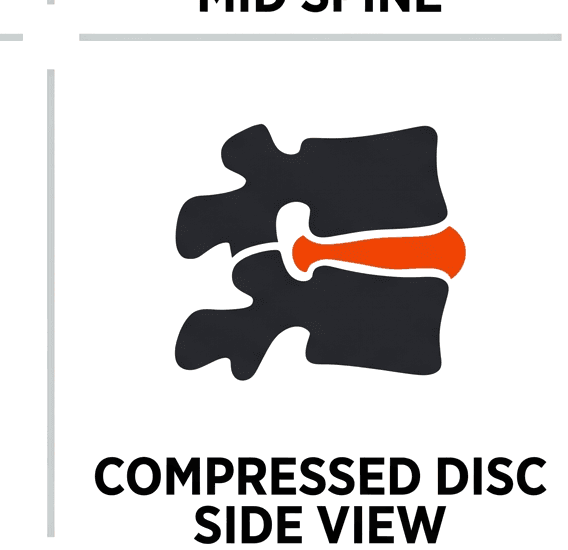
- Common after disc herniation or spinal stenosis
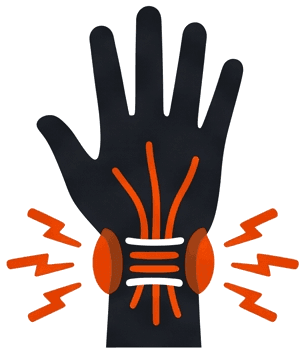
- Frequently follows nerve trauma (whiplash, carpal tunnel, thoracic outlet)
- Can develop slowly over months in chronic compression
- May appear alongside numbness, tingling, or radiating pain
The Nervous System Map
What this can be connected to
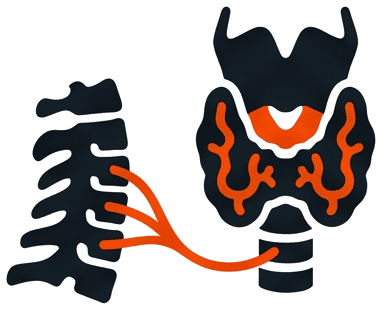
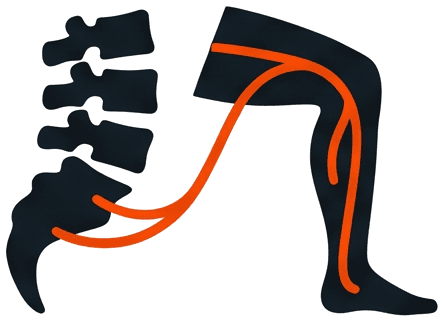
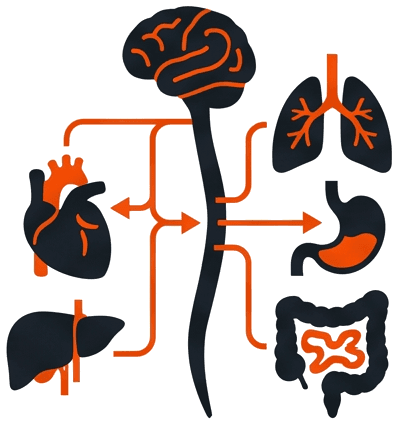
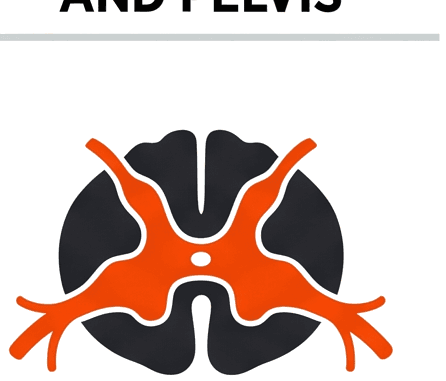
Per traditional chiropractic philosophy plus the patterns we see clinically, muscle weakness is often associated with these regions or systems. Click any to read more.

When To Seek Medical Care
Talk to your doctor first if…
Sudden weakness, especially on one side of the body, paired with slurred speech, vision change, or facial droop — go to the ER. Progressive weakness with bowel/bladder change — ER. Otherwise weakness deserves prompt evaluation.
From Our Doctors
Hear it from the team
Dr. Logan Swaim — Gentle Chiropractic no Cracking”
More from the team
Related Conditions
Conditions we commonly see this with
Related Reading
Articles about muscle weakness
5 Early Warning Signs of Peripheral Neuropathy
Don't ignore these symptoms — early detection gives you the best chance of slowing or even reversing nerve damage.
Read articleNeuropathy vs. Sciatica: How to Tell the Difference
Both cause leg pain — but the underlying causes and treatments are completely different. Here's how to know which you're dealing with.
Read articleWho You'll See
Doctors who see this every week
The Roots Health Centers is led by the same doctors at every visit — no rotating providers. Care starts with a full neurological evaluation, and a doctor walks you through what it found before anything else is recommended.



Inside the clinic
Where the work happens.

Precision over pressure — care that addresses the cause.
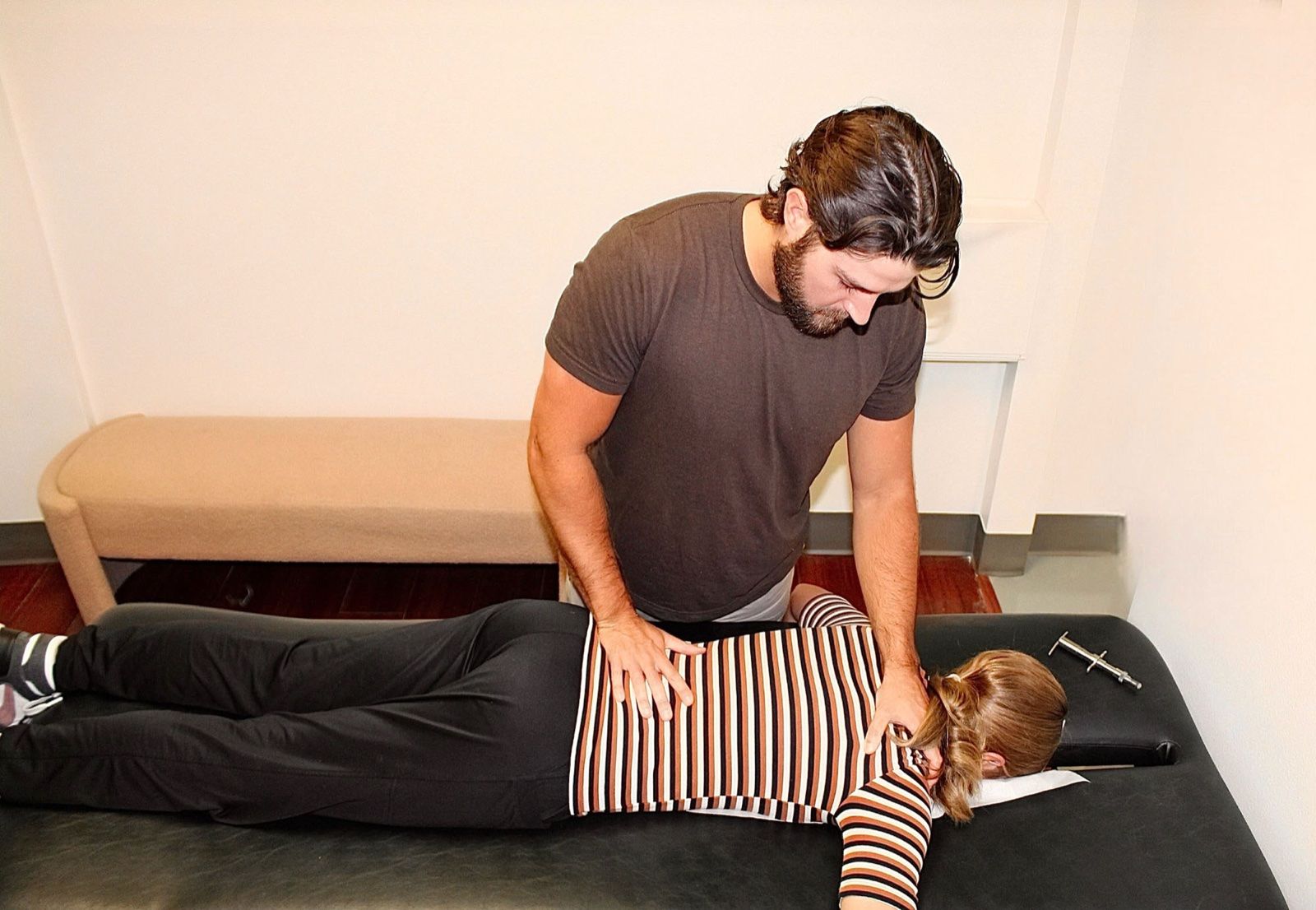
Dr. Fox at work.
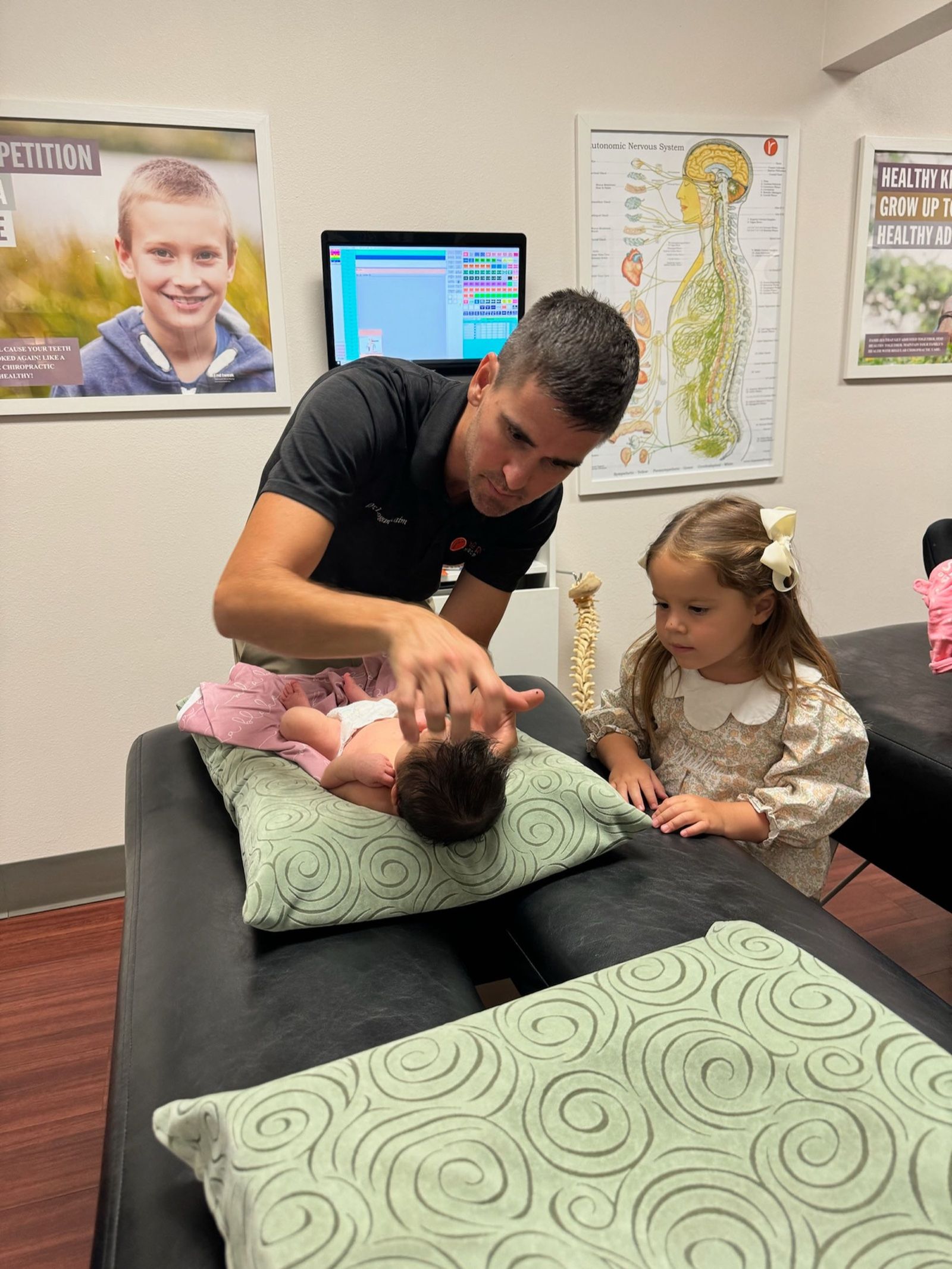
Dr. Logan in the office.
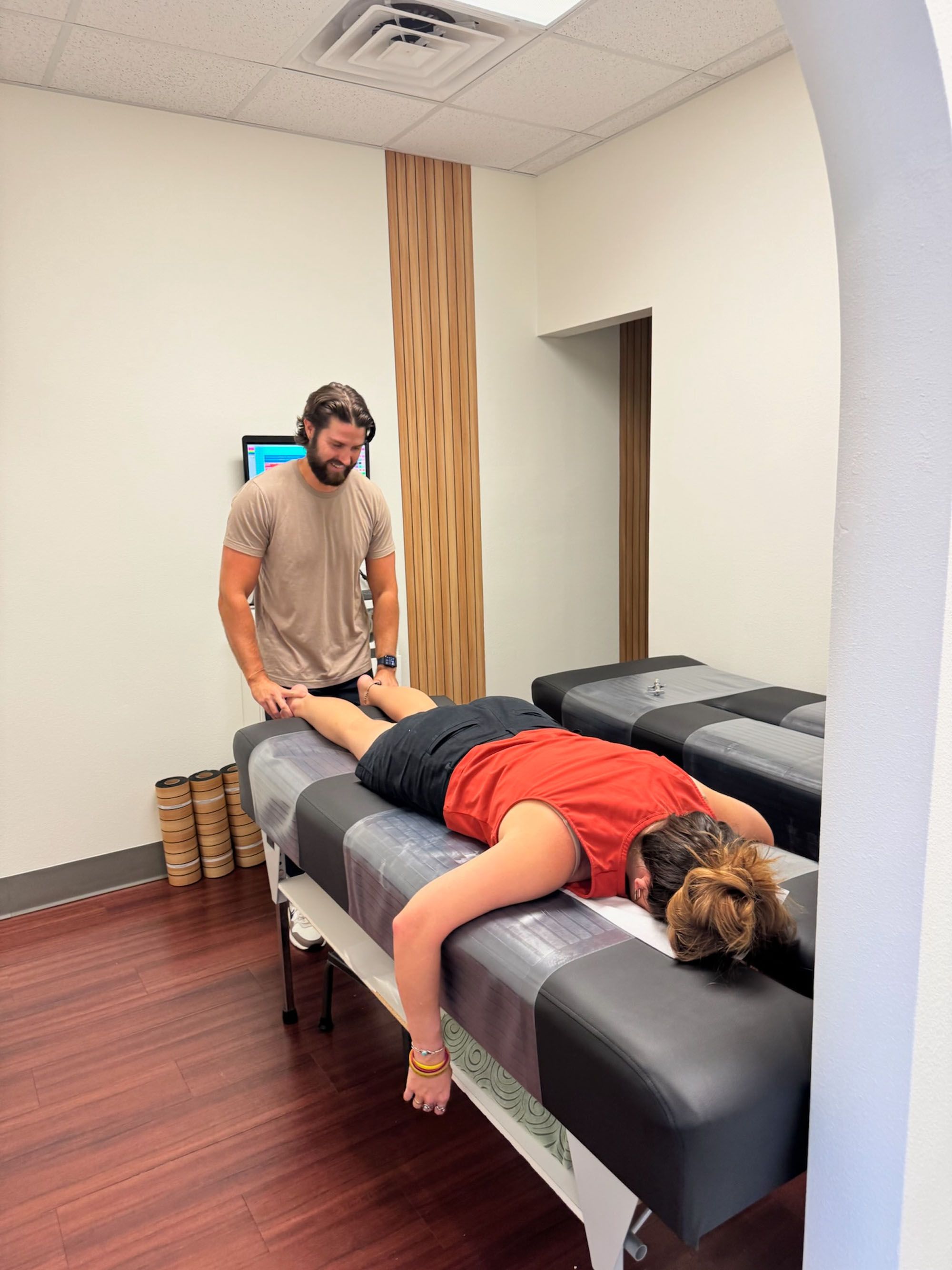
Precision over pressure.
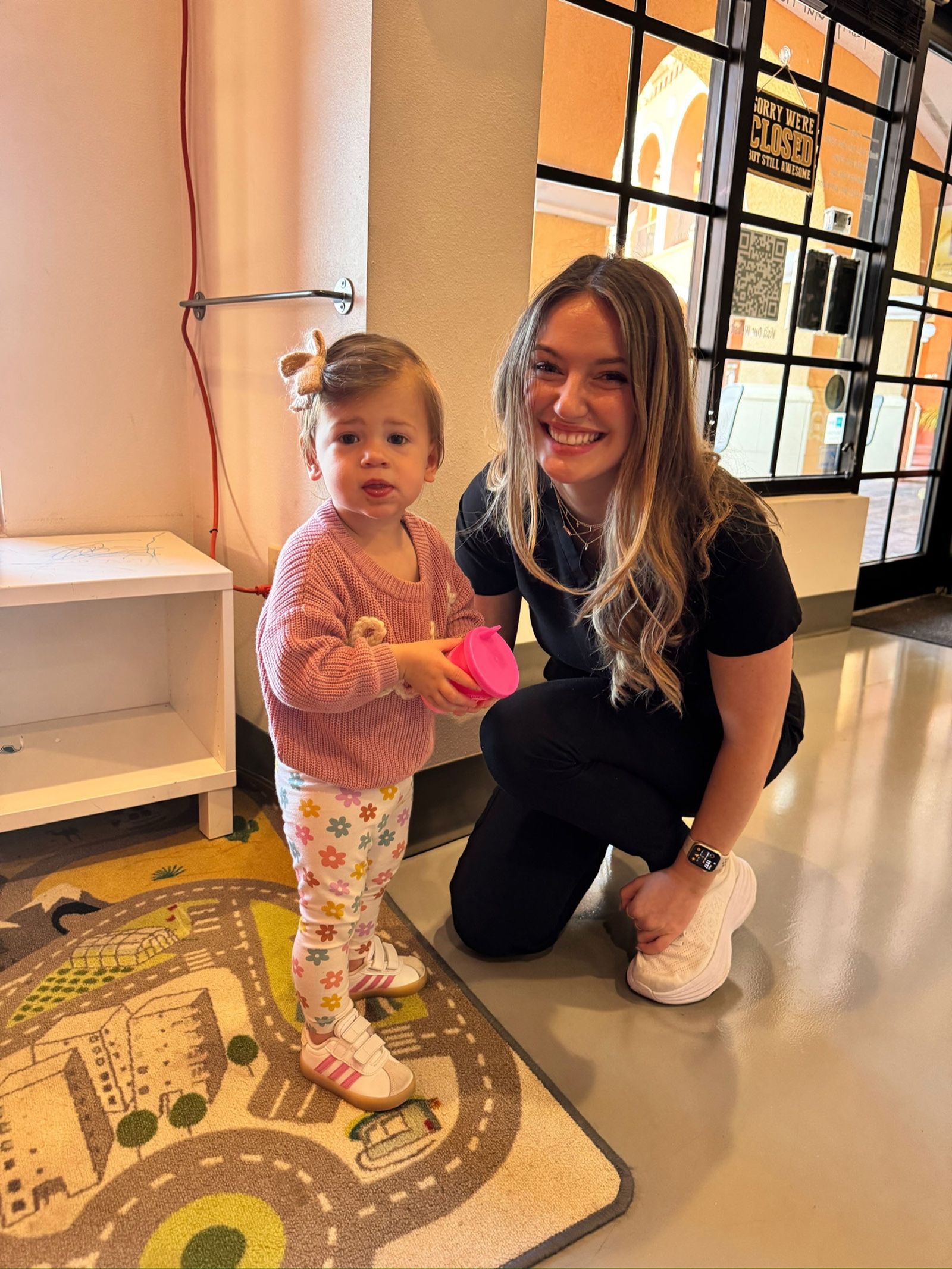
Carly — patient care that feels like family.
Keep Exploring
Meet the team
This page is educational, not medical advice. Always consult your medical doctor for serious health concerns; chiropractic care complements but doesn't replace primary medical care.
Want a personalized look at your nervous system?
Start with a complimentary consultation. We use a neurological evaluation to map what's going on — no commitment, no cost.