

Symptom
TMJ / Jaw Pain
Clicking, locking, or chronic jaw tension
Pain, clicking, or locking in the temporomandibular joint. Often involves upper cervical structural patterns that contribute to jaw tension.
By Dr. Logan Swaim · Last updated August 12, 2026
Get help with TMJ / Jaw Pain
Three quick questions — we'll call you within 24 business hours.
About TMJ / Jaw Pain
TMJ pain refers to discomfort in the jaw joint, the small but hardworking hinge in front of each ear that lets you chew, talk, and yawn. You might feel aching, clicking, popping, or even a brief locking when you open or close. Because this joint sits right below the skull and works closely with the muscles and nerves of the upper neck, jaw trouble and upper-cervical tension often go hand in hand. When the head and neck sit out of balance, the jaw can be pulled into a strained position that keeps the joint irritated.
Common drivers include clenching or grinding the teeth (often during sleep or stress), heavy chewing on one side, posture that pushes the head forward, past dental or facial injuries, and the constant low-grade tension many people carry in their face and neck. The jaw, skull, and upper neck share muscles and nerve pathways, so a pattern in one area frequently shows up in another. That is why jaw pain can travel into the temples, ears, or neck and feel hard to pin down.
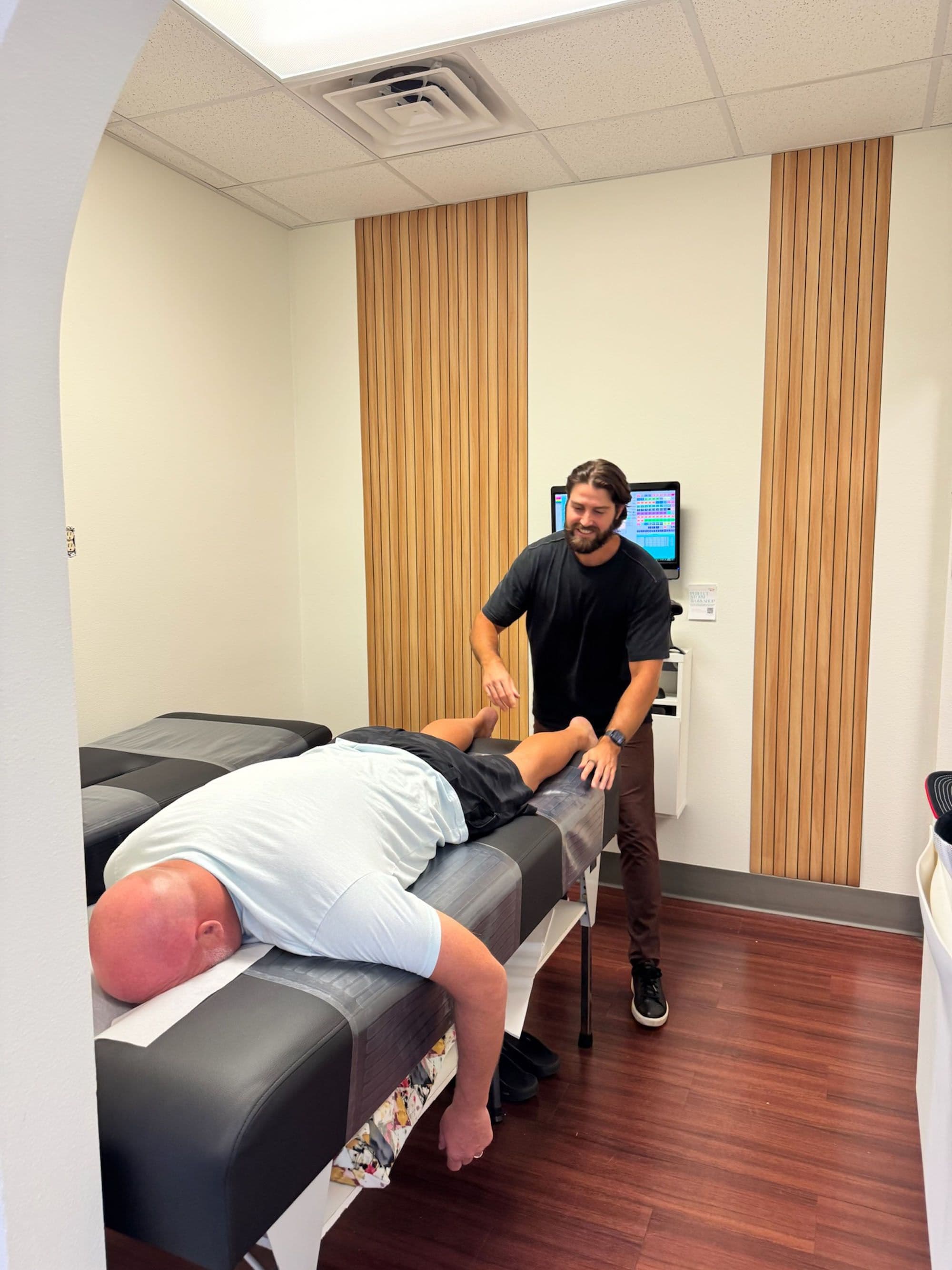
Our approach looks beyond the jaw alone to the structural patterns around it. We map the nervous system first with a thorough neurological evaluation, paying close attention to how the upper neck and head are positioned and moving. From there we build a personalized care plan with gentle, hands-on care that supports better balance through the upper-cervical region, working alongside your medical and dental care so every part of the picture is being addressed.
Where We See This
Common contexts in our office
- Often linked to teeth clenching or grinding at night
- Common alongside upper-neck tension and headaches
- Frequently follows dental work or a jaw injury
- Tends to flare during stressful periods
The Nervous System Map
What this can be connected to
Per traditional chiropractic philosophy plus the patterns we see clinically, tmj / jaw pain is often associated with these regions or systems. Click any to read more.
Spinal regions
Body systems
When To Seek Medical Care
Talk to your doctor first if…
See a healthcare provider if your jaw locks open or shut and will not move, if you cannot open your mouth wide enough to eat, or if jaw pain follows a direct blow or accident. Jaw or facial pain that comes with chest pressure, shortness of breath, or pain spreading to the arm needs emergency care immediately, since jaw discomfort can sometimes accompany a heart problem. Significant swelling, fever, or a hot, tender area near the jaw should also be checked by a doctor or dentist promptly.
From Our Doctors
Hear it from the team
Dr. Logan Swaim — Red Light Therapy Overview”

Common Questions
About tmj / jaw pain
Related Reading
Articles about tmj / jaw pain
TMJ Pain: Why the Dentist Isn't Always the Right First Stop
Jaw pain, clicking, grinding, headaches from your jaw — the problem often starts in the upper neck, not the jaw itself.
Read articleMigraine vs. Tension Headache: How to Tell the Difference (and What Helps)
Migraines and tension headaches can feel similar but come from different mechanisms — and respond to different approaches. Here's how to tell them apart.
Read articleWhat Is Corrective Chiropractic — And How Is It Different?
Most chiropractors focus on temporary symptom relief. Corrective chiropractic is designed to make lasting structural changes — here's how.
Read articleWho You'll See
Doctors who see this every week
The Roots Health Centers is led by the same doctors at every visit — no rotating providers. Care starts with a full neurological evaluation, and a doctor walks you through what it found before anything else is recommended.



Inside the clinic
Where the work happens.
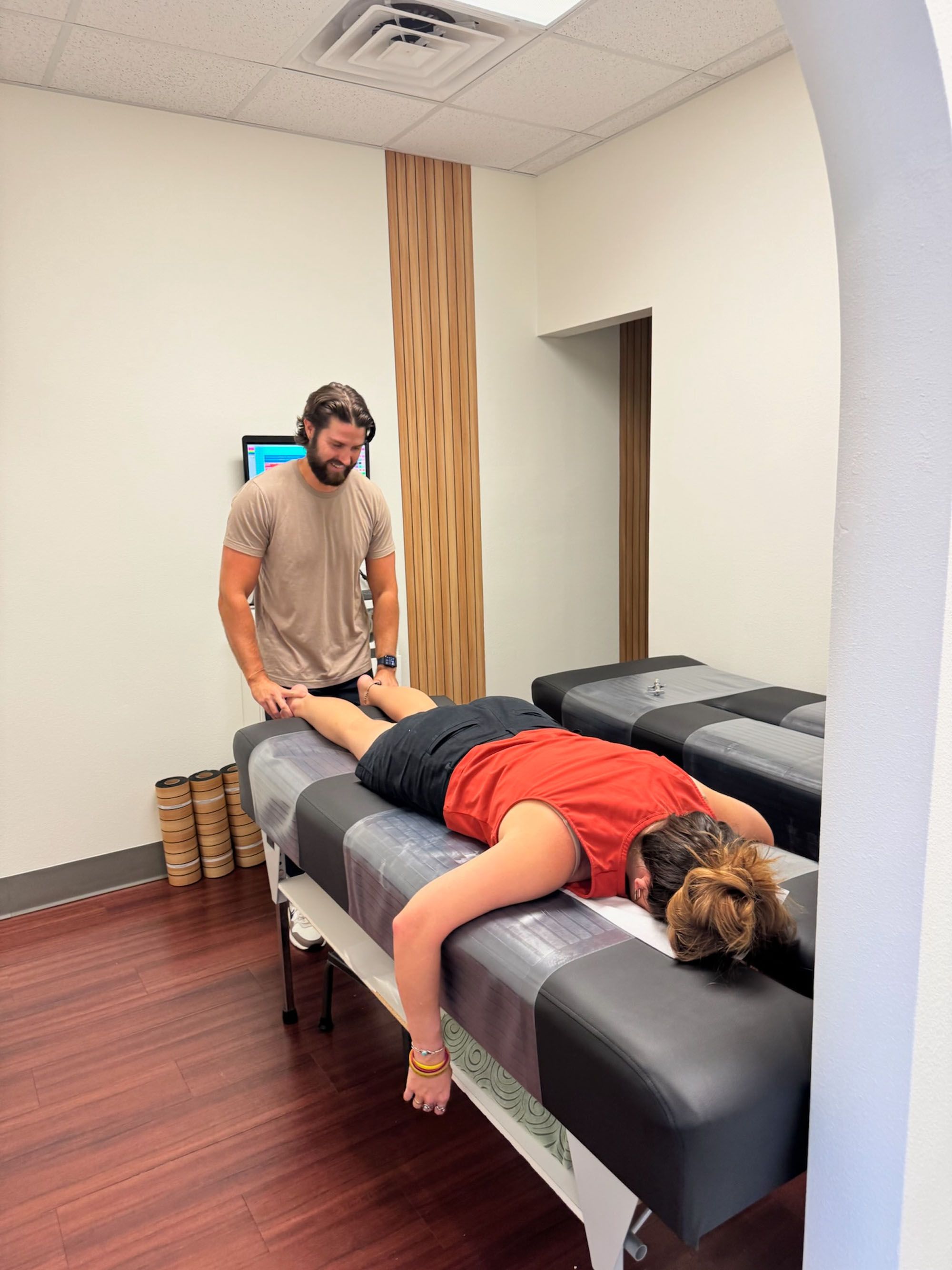
Precision over pressure.

Carly — patient care that feels like family.
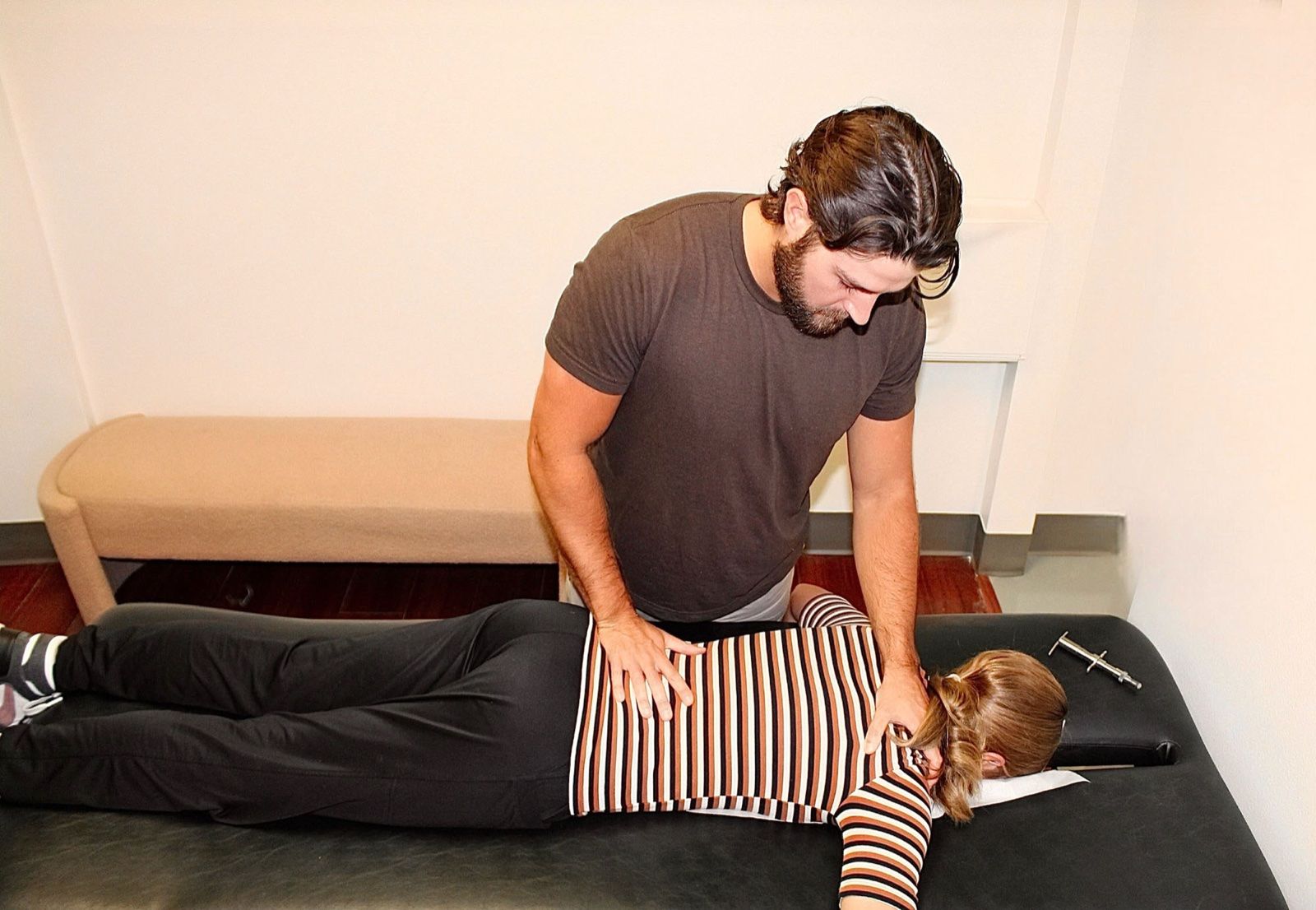
Dr. Fox at work.
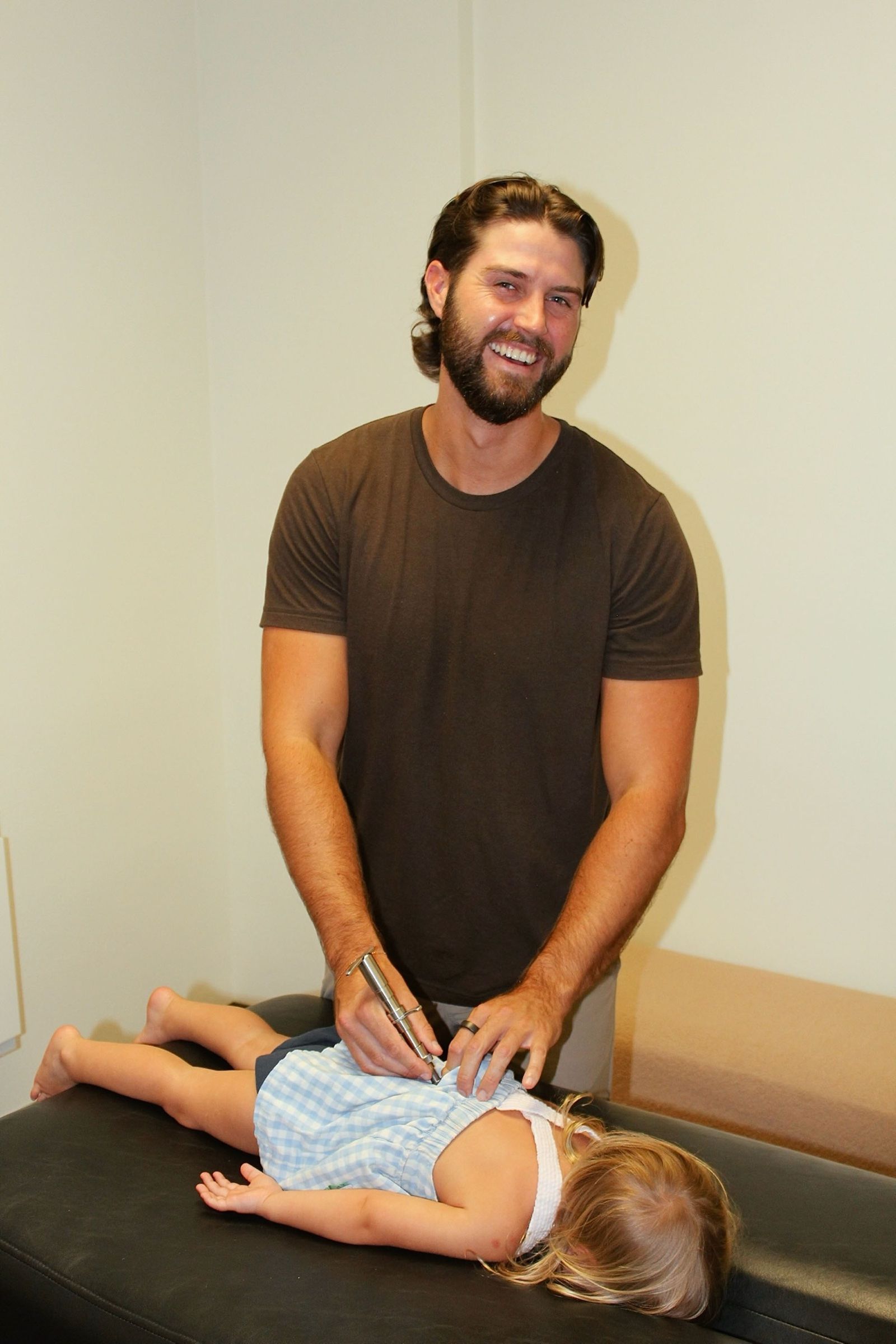
Precision over pressure — care that addresses the cause.

Dr. Fox at work.
Keep Exploring
Meet the team
This page is educational, not medical advice. Always consult your medical doctor for serious health concerns; chiropractic care complements but doesn't replace primary medical care.
Want a personalized look at your nervous system?
Start with a complimentary consultation. We use a neurological evaluation to map what's going on — no commitment, no cost.