

Outcome
Drug-Free Pain Relief
Address the root cause, not just the symptom
Pain isn't a medication deficiency. Address what's actually driving it — structural compression, nerve interference, soft-tissue restriction — and the body usually responds.
Why this matters
The story underneath
Most pain patients who walk into our office have tried medication. NSAIDs, muscle relaxers, sometimes opioids. They work for a while, then the pain comes back. Often worse, because the medication numbed the signal but didn't fix what was sending it.
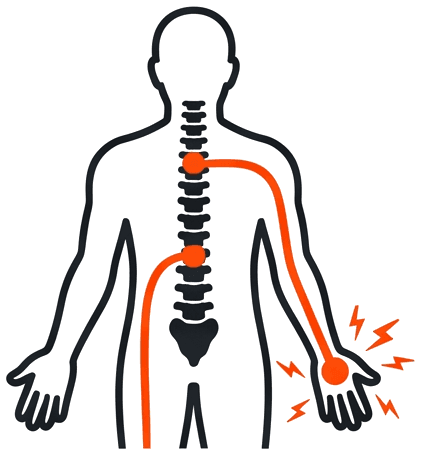
Our approach treats pain as information. Where is the structural restriction? Is a disc compressing a nerve? Is fascia stuck? Is a joint moving too little — or too much? Each question has a tool we can use. Most patients reduce or eliminate medication reliance within a few months of consistent care.
Who this is for
Patients who see this outcome
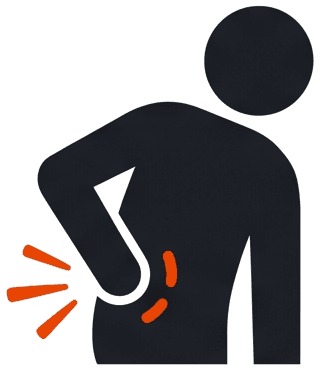
- Adults with chronic back, neck, or joint pain
- Patients told they need surgery (and want to try non-surgical first)
- Anyone reducing reliance on pain medication
- Athletes recovering from injury
- Auto accident or work injury patients
How we help
The path to drug-free pain relief
- Full structural and neurological assessment
- Torque Release Technique adjustments
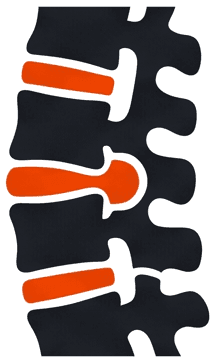
- Spinal decompression for disc-related pain
- Shockwave therapy for chronic soft-tissue restrictions
- Red light therapy for inflammation reduction
What patients notice
Signs you're heading the right way
- Pain level drops within the first few visits
- Reduced reliance on medication
- Improved sleep (less pain interrupting nights)
- Better range of motion in affected joints
- Return to activities that were on hold
How we get you there
Services that deliver this
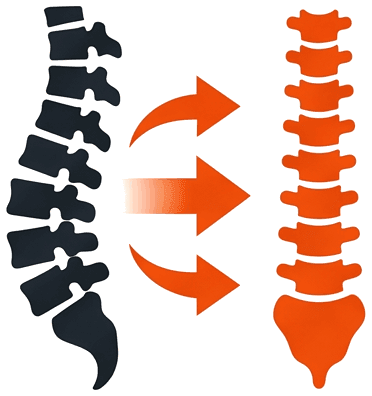
Corrective Chiropractic
Precise, progressive corrections that produce lasting structural change — not just temporary relief. Think of it like orthodontics for your spine.
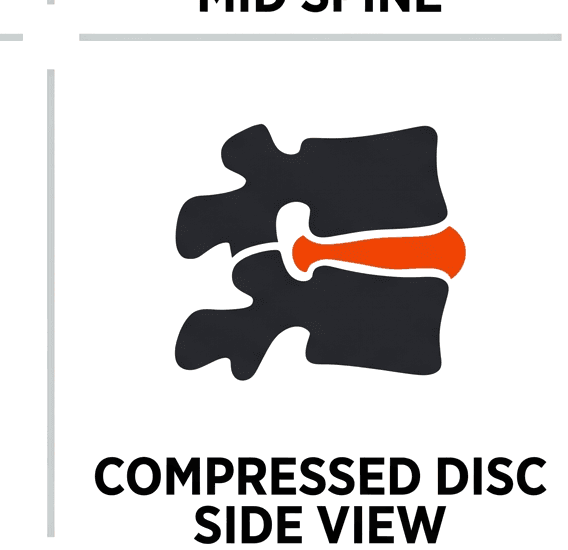
Spinal Decompression
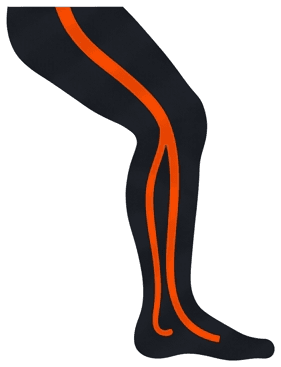
Non-surgical care for herniated discs, sciatica, and degenerative disc disease.
Shockwave Therapy
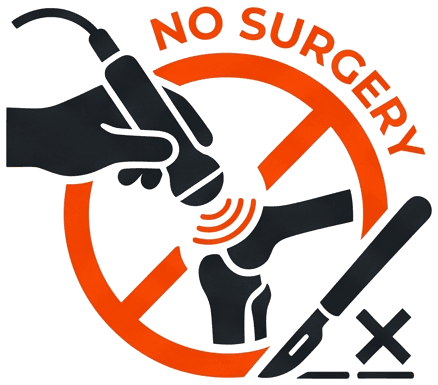
For chronic pain that hasn't settled with rest or stretching. Drug-free and surgery-free, and each session takes 8–15 minutes.
Red Light Therapy
Medical-grade red light therapy in a private, full-body room. Our DAHLIA Pinnacle Bed supports chronic pain, recovery, skin health, gut and neurometabolic health, and weight management — as part of a personalized care plan. Photobiomodulation that goes beyond a consumer sauna.
What we're working through
Conditions where this matters

Read more
Articles for patients
5 Signs Your Back Pain Isn't Just Muscular
Not all back pain is created equal. If you're experiencing these warning signs, the problem might be deeper than tight muscles.
Herniated Disc vs. Bulging Disc: What's the Difference?
Both show up on MRIs, both can cause pain — but they're not the same thing. Here's how to tell the difference and what your options are.
Common questions
Frequently asked questions
Want a personalized look at what's possible?
Start with a complimentary consultation. We listen first, evaluate carefully, and tell you straight what's likely to help.