

Outcome
Avoid Surgery
Non-surgical options most doctors don't mention
Spinal surgery is sometimes necessary — but more often it's the suggested-next-step when other options weren't tried. Non-surgical decompression resolves most disc cases that show up at our door.
Why this matters
The story underneath
If you've been told you need surgery for a herniated disc, sciatica, or spinal stenosis, you owe yourself a non-surgical evaluation first. FDA-cleared spinal decompression therapy creates negative pressure that pulls bulging disc material back into place, takes pressure off compressed nerves, and increases blood flow to damaged tissue.
We don't promise we can avoid surgery in every case — some structural problems genuinely require it. But the majority of patients referred to surgery for disc-related pain see meaningful improvement with decompression + corrective chiropractic. The two-week investment to find out is usually worth it.
Who this is for
Patients who see this outcome
- Patients told they need a discectomy or laminectomy
- Sciatica that hasn't resolved with PT or medication
- Spinal stenosis with leg pain that worsens with walking
- Bulging or herniated discs (cervical or lumbar)
- Anyone wanting to try non-surgical care before committing
How we help
The path to avoid surgery
- Imaging review (MRI / X-ray) with our findings discussed plainly
- Spinal decompression sessions on FDA-cleared equipment
- Corrective chiropractic to improve overall spinal mechanics
- Red light therapy for nerve inflammation
- Postural and movement coaching to prevent re-injury
What patients notice
Signs you're heading the right way
- Reduced pain within the first 2-4 sessions
- Improved range of motion
- Less radiating pain into the leg or arm
- Return to walking, sitting, or sleeping without pain
- Reduced reliance on epidural injections or pain meds
How we get you there
Services that deliver this
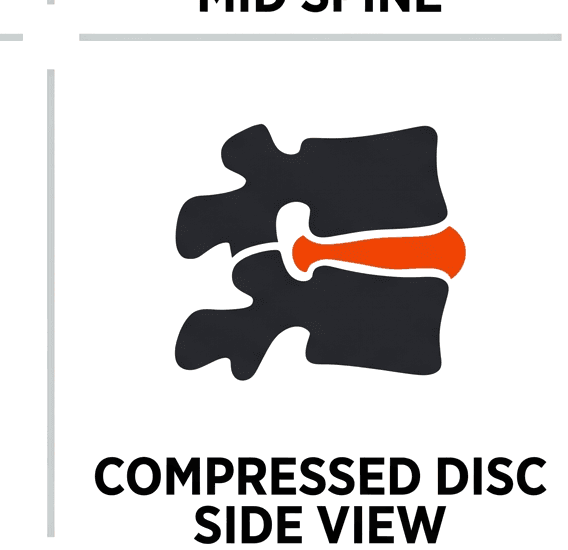
Spinal Decompression
Non-surgical care for herniated discs, sciatica, and degenerative disc disease.
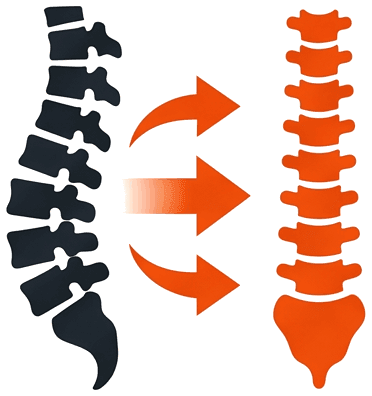
Corrective Chiropractic
Precise, progressive corrections that produce lasting structural change — not just temporary relief. Think of it like orthodontics for your spine.

Red Light Therapy
Medical-grade red light therapy in a private, full-body room. Our DAHLIA Pinnacle Bed supports chronic pain, recovery, skin health, gut and neurometabolic health, and weight management — as part of a personalized care plan. Photobiomodulation that goes beyond a consumer sauna.
What we're working through
Conditions where this matters
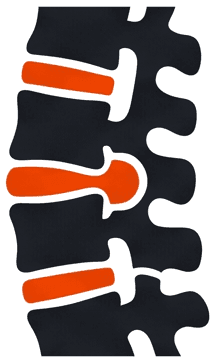
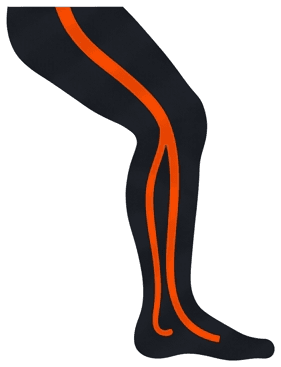

Read more
Articles for patients
Herniated Disc vs. Bulging Disc: What's the Difference?
Both show up on MRIs, both can cause pain — but they're not the same thing. Here's how to tell the difference and what your options are.
Spinal Stenosis: A Non-Surgical Care Plan That Actually Works
Spinal stenosis doesn't have to mean back surgery. Here's the non-surgical protocol that helps most patients walk comfortably again.
Knee Decompression Explained: A Non-Surgical Path to Knee Pain Relief
Most people have never heard of knee decompression — but it's one of the few non-surgical treatments that actually addresses the mechanical cause of knee pain.

Common questions
Frequently asked questions
Want a personalized look at what's possible?
Start with a complimentary consultation. We listen first, evaluate carefully, and tell you straight what's likely to help.