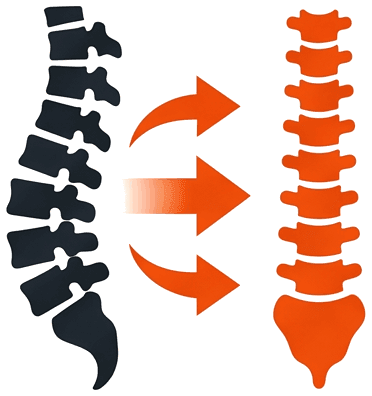

Leg Length Difference and Back Pain: What's Real

If you've ever been told that one of your legs is shorter than the other, it's natural to wonder whether that's why your low back keeps aching. The short answer: a leg length difference can be part of the picture for some people, but it is far from the whole story, and it's often not the cause at all. Small differences between the two legs are common in people with no pain whatsoever, and many apparent differences turn out to come from how the pelvis is sitting rather than from the bones themselves. Below, we'll explain the two kinds of leg length difference, what the research and clinical picture suggest about back pain, the clues worth noticing, and how a careful evaluation separates a real structural difference from one that only looks real. This is educational and not a diagnosis.
Two Kinds of Leg Length Difference
Not every "short leg" is the same, and the distinction matters.
Structural (true) differences
A structural difference means one leg bone, the thigh or the shin, is actually a bit shorter than the other. This can be present from growth, or it can follow a past fracture, a joint replacement, or another injury. A true difference is measured in the bones themselves, which is why imaging is typically needed to confirm it.
Functional (apparent) differences
A functional difference means the bones are about the same length, but one leg appears shorter when you lie down or stand. This usually happens because the pelvis is tilted or rotated, the muscles around the hip are tighter on one side, or the joints of the low back and pelvis aren't moving evenly. Change the pelvis, and the apparent difference can change too. Functional differences are common, and they're one reason a quick check on a table can be misleading on its own.
Can a Leg Length Difference Cause Back Pain?
It can contribute for some people, particularly when the difference is larger or when it changes how the pelvis carries your weight with every step. When one side sits lower, the pelvis can tilt, the spine may curve slightly to compensate, and the muscles and joints on one side may work harder than the other. Over many thousands of steps a day, that uneven load can show up as aching, stiffness, or a feeling that one hip is always tired. It's a pattern that sometimes sits behind everyday back pain and the kind of lower back pain that builds as the day goes on.
But small differences are very common and many people live with them comfortably. That's why it's unwise to assume your leg length is the reason for your pain, or to assume it isn't. The honest answer is that it depends on the size of the difference, how your body has adapted to it, and what else is going on in your hips, spine, and the way you move.
Clues That May Point to an Uneven Load
No single sign proves a leg length issue, but these are worth noticing:
- Pants or skirts that hang or hem unevenly, or a belt that sits tilted
- One shoulder or one hip that looks higher in photos
- Shoes that wear down faster on one side
- Low back or hip pain on one side that returns after standing or walking
- A tendency to stand with weight on one leg
- Pain that eases when you sit or lie down
- One knee or foot that turns outward more than the other
These clues overlap with many other issues, including weak glutes, tight hip flexors, and joint irritation in the pelvis. If you suspect your hips are working unevenly, our posts on weak glutes and low back pain and hip pain that starts in the spine describe related patterns.
Why Pain Isn't Always About the Legs
Back pain is rarely a one-cause problem. A leg length difference, if present, is one piece alongside posture, muscle balance, past injuries, work habits, and how well the joints of the pelvis and spine move. Pain that travels down a leg, numbness, or tingling can point to an irritated nerve rather than a length difference, which we describe in our guide to sciatica. Pain mostly felt in the hip is covered on our hip pain page.
Seek prompt medical care if back pain follows a significant fall or accident, if you notice new leg weakness, trouble controlling your bladder or bowels, fever with back pain, or pain that is severe and not easing. Those are not things to work around.
How a Careful Evaluation Sorts It Out
At The Roots Health Centers in Lakewood Ranch, we start by listening to when your pain began, what makes it better or worse, and what you've already tried. From there, our doctors look at how you stand, walk, and move; how level the pelvis sits; and whether certain joints in the low back and pelvis are moving less than they should. We also pay attention to the nervous system, because muscles and joints can only coordinate well when the signals reaching them are clear. When it would add useful information, we may recommend any necessary X-rays to look at the pelvis and spine, and that can help separate a true structural difference from a functional one.
What we find shapes the plan. If a true structural difference is confirmed, we'll talk through what's reasonable and, when it's the right call, work alongside your physician or a foot and ankle specialist, since options such as a heel lift are decisions to make with them. If the difference is functional, a chiropractic approach may include gentle adjustments using Torque Release Technique, along with movement and posture guidance suited to you. Dr. Logan Swaim and our team explain what we see in plain language, make no promises about outcomes, and recognize that each person and case is different.
Everyday Habits That May Help While You Sort It Out
- Vary how you stand. Shifting your weight between both feet gives both hips a share of the load.
- Move often. Short walks break up long stretches of sitting, which tends to stiffen the hips.
- Check your shoes. Notice whether they wear unevenly, and bring them to your appointment.
- Support your hips. Gentle hip and glute strengthening, done comfortably, may help the pelvis stay steadier.
- Skip the DIY twisting. Cracking your own back to "even things out" can be tempting, but it doesn't tell you what's actually going on.
If anything increases your pain, stop and ask a professional to look at how you're moving.
Frequently Asked Questions
Can one leg being shorter cause back pain?
It can contribute for some people, especially if the difference is larger or changes how the pelvis carries your weight. Small differences are common in people without pain, so it's rarely the only factor.
How do I know if I have a leg length discrepancy?
Clues include uneven pant hems, shoes that wear unevenly, and one hip that looks higher. A true measurement usually requires an evaluation, and sometimes imaging, because pelvic tilt can make legs appear unequal when the bones are the same length.
What is the difference between a structural and a functional leg length difference?
A structural difference means the bones themselves differ in length. A functional difference means the legs look unequal because of pelvic tilt, muscle tightness, or joint movement, even though the bones are about the same.
Can a chiropractor help with a leg length difference?
A chiropractor can evaluate whether the difference looks structural or functional and look at how your pelvis, spine, and hips are moving. When a true structural difference is confirmed, we work alongside your physician or a specialist on next steps.
Ready for a Closer Look?
If your back or hips keep complaining and you wonder whether uneven legs are part of the story, we'd be glad to take a careful look. Book a complimentary consultation at The Roots Health Centers in Lakewood Ranch. We'll listen, explain what we see, and talk through next steps that make sense for you. Learn more about our chiropractic care.
Conditions We Treat

Back Pain
Corrective chiropractic care that addresses the structural root cause of back pain — not just masking symptoms with medication.
Hip Pain
Hip pain can start in the joint itself — or in the SI joint, the lower back, a tilted pelvis, or the muscles that cross the hip. Because those sources feel remarkably similar, finding the right one comes before any adjustment.