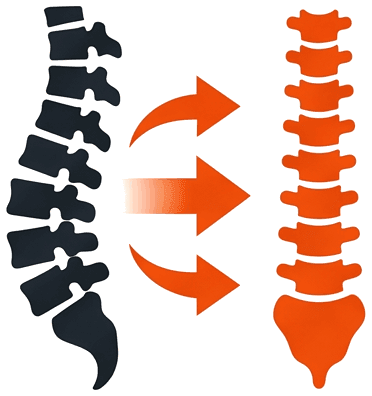

Weak Glutes and Low Back Pain: The Overlooked Connection
If your low back aches after standing, walking, or a long day on your feet, the problem may not be your back alone. Weak or sleepy glutes, the big muscles of your backside, can leave your low back and hips doing work they weren't built to do. The short answer: yes, weak glutes can contribute to low back pain, and it's one of the most overlooked connections in everyday aches. Below, we'll explain how the glutes support your spine, the signs that they may be underperforming, simple ways to support them, and what a chiropractor in Lakewood Ranch looks for when your back and hips seem to be working against each other. This is educational and not a substitute for an individual evaluation.
How Your Glutes Support Your Low Back
Your glutes are a group of three muscles: gluteus maximus, medius, and minimus. The maximus is the largest and drives you up from a chair, up stairs, and forward when you walk. The medius and minimus sit on the side of the hip and keep your pelvis level when you stand on one leg, which is something you do with every step.
The pelvis is the base your spine sits on. When the glutes do their job, the pelvis stays steady and the load of walking, lifting, and standing is shared across the hips, thighs, and trunk. When they don't, other structures step in. The low back muscles, the small joints of the lumbar spine, and the hip flexors can all pick up the slack. Over time, that extra work can show up as stiffness, aching, or a back that feels tired by mid-afternoon. It's a common pattern behind everyday back pain, and it often appears alongside lower back pain that eases when you sit and returns when you stand.
Why Glutes Get Weak in the First Place
Most people don't injure their glutes. They simply stop using them well. A few common reasons:
- Long hours of sitting. Sitting keeps the glutes lengthened and switched off while the hip flexors stay short. We cover the other half of that picture in our post on tight hip flexors and low back pain.
- Pain and guarding. After a back or hip flare-up, your body naturally avoids loading the painful area, and the glutes can fall out of the habit of firing.
- Repetitive, one-sided activity. Golf, pickleball, and running put a lot of rotation and single-leg load through the hips.
- Age and lower activity. Muscle tends to be lost gradually when it isn't challenged, and the glutes are no exception.
- A nervous system that isn't recruiting them well. Sometimes the muscle is fine but the signal to use it is muddled by joint irritation near the pelvis or low spine.
Signs Your Glutes May Not Be Pulling Their Weight
No single sign proves it, but a few patterns are worth noticing:
- Your low back feels tired or achy after standing or walking, and eases when you sit or lie down
- Your knee or hip drifts inward when you climb stairs or squat
- You feel more work in your thighs or low back than in your backside when you climb or get out of a chair
- One hip drops or shifts when you stand on one leg
- Hip pain on one side, especially when lying on it at night
- A feeling of stiffness through the front of the hips, which can go hand in hand with weak glutes
If any of these ring true, it doesn't mean something is seriously wrong. It means your body may be using a workaround, and workarounds are worth understanding before they become a habit.
When It Isn't Just the Glutes
Back and hip pain have many possible sources, and weak glutes are only one. Pain that travels below the knee, numbness, or a shooting sensation down the leg can point to an irritated nerve instead, which we describe in our guide to sciatica. Pain that is mostly felt in the hip joint itself is covered in our hip pain page and in our post on when hip pain actually comes from the spine.
Seek prompt medical care for back pain after a significant fall or accident, new weakness in a leg, trouble controlling your bladder or bowels, fever with back pain, or pain that is severe and unrelenting. Those are not things to work around.
Gentle Ways to Support Your Glutes
The aim is not to push through pain. It's to give your glutes a reason to wake up. Many people find these helpful, as long as they feel comfortable:
- Break up sitting. Stand up and walk for a minute or two every so often. Even brief standing changes how the hips load.
- Practice a simple bridge. Lying on your back with knees bent, press through your heels and lift your hips a short way. Focus on feeling your backside, not your low back, doing the work.
- Try side-lying leg lifts. These target the glute medius that steadies your pelvis.
- Climb stairs on purpose. Lean slightly forward and think about pushing through the whole foot.
- Notice how you stand. Shifting your weight evenly between both feet gives both hips a share of the load.
If an exercise increases your pain, stop and ask a professional to look at how you're moving rather than forcing it.
What a Chiropractor Looks At
At The Roots Health Centers in Lakewood Ranch, our doctors take a whole-person view of back pain. Dr. Logan Swaim and our team look at how your spine, pelvis, and hips move together, how you stand and walk, and whether certain joints are moving less than they should. We also pay attention to the nervous system, because muscles can only do their job when the signals reaching them are clear.
A chiropractic approach may include gentle adjustments using Torque Release Technique, along with movement and posture guidance suited to your situation. The goal is to help your body move in a way that spreads the load, so your back doesn't have to carry more than its share. Every person's pattern is different, and a careful evaluation, including a neurological evaluation when appropriate, is how we figure out what is likely contributing for you.
Frequently Asked Questions
Can weak glutes cause lower back pain?
They can contribute. When the glutes don't share the workload of standing, walking, and lifting, the low back muscles and joints may take on more than their share, which can show up as aching or stiffness. Weak glutes are rarely the only factor, so an individual evaluation is the best way to see what applies to you.
How do I know if my glutes are weak?
Common hints include low back fatigue after standing, knees drifting inward on stairs or squats, and a hip that drops when you stand on one leg. These are clues, not a diagnosis.
Does sitting make glutes weaker?
Long periods of sitting can leave the glutes underused and the hip flexors shortened, which is a pattern many desk workers and drivers recognize.
Should I stretch or strengthen for back pain?
It depends on the person. Some people need more mobility, others more strength and control, and many need both. A professional who watches you move can help sort out which fits you.
Ready for a Closer Look?
If your back keeps complaining and you suspect your hips are part of the story, we'd be glad to take a look. Book a complimentary consultation at The Roots Health Centers in Lakewood Ranch and let's talk through what you're feeling, what we see, and what next steps may make sense for you.
Conditions We Treat
Back Pain
Corrective chiropractic care that addresses the structural root cause of back pain — not just masking symptoms with medication.
Hip Pain
Hip pain can start in the joint itself — or in the SI joint, the lower back, a tilted pelvis, or the muscles that cross the hip. Because those sources feel remarkably similar, finding the right one comes before any adjustment.
Sciatica
Non-surgical care for sciatic nerve pain using spinal decompression, corrective chiropractic, and supporting therapies.