

Pinched Nerve: Signs, Causes, and How to Find Relief
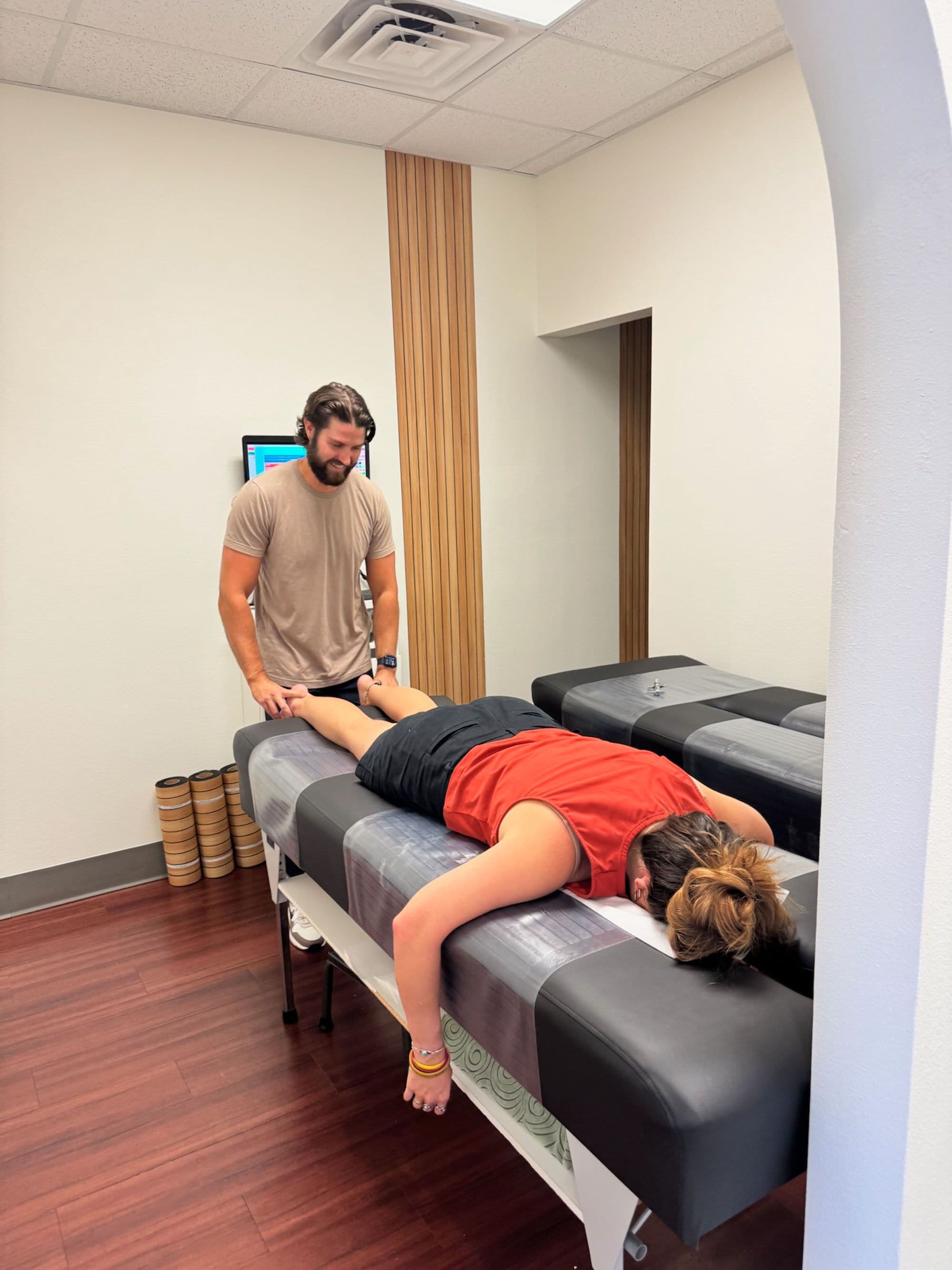
A pinched nerve happens when something around a nerve presses on it too hard. That pressure can come from a bulging disc, a shifted bone, swollen tissue, or a tight muscle. When a nerve gets squeezed, it can't send clear signals, so you feel numbness, tingling, burning, sharp pain that travels, or weakness in the area it serves. Most pinched nerves show up in the neck, lower back, or wrist, and many calm down once the pressure comes off the nerve.
This guide covers where pinched nerves happen, what the symptoms feel like, what causes them, what to do at home, and the warning signs that mean you should get checked promptly. It also explains how chiropractic care and spinal decompression relieve the compression itself instead of just masking the feeling. The team at The Roots Health Centers in Lakewood Ranch, FL has helped people in our community get to the root of nerve pain for years.
What a pinched nerve actually is
Your nerves are like wires that carry messages between your brain and the rest of your body. They tell your muscles to move and carry sensation back. When a nerve runs through a tight space and the tissue around it swells or shifts, the nerve gets compressed.
A pinched nerve is that compression. The term you may hear is "nerve compression," or "radiculopathy" when it involves a spinal nerve root. The pinch can come from a few sources:
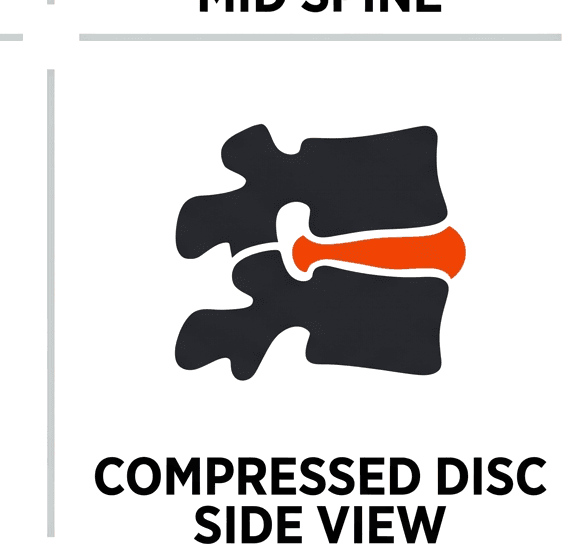
- A disc in your spine bulging or herniating and pressing on a nearby nerve root
- Bone changes such as bone spurs narrowing the space the nerve passes through
- Tight or swollen muscle clamping down on a nerve as it travels through soft tissue
- Inflammation from an injury or repetitive strain crowding the nerve
Because the nerve can't send a clean signal, your body fills the gap with symptoms: numbness, tingling, pain, or weakness. The feeling often shows up away from the actual pinch. A nerve pinched in your neck can send pain down your arm; one in your lower back can send pain down your leg. That traveling pattern is a clue your provider uses to find the source.
Where pinched nerves most often happen
Nerves can get compressed anywhere, but three spots account for most cases people ask us about.
Pinched nerve in the neck
A pinched nerve in the neck (cervical radiculopathy) is common, especially with long hours at a desk or phone. The nerves in your neck branch out to your shoulders, arms, and hands, so a pinch here often sends symptoms down one arm.
You might notice numbness in your hands and fingers, pain that shoots into the arm, or a stiff neck. Hours of looking down at a screen are a frequent driver, a pattern many people know as tech neck. Ongoing discomfort here also overlaps with everyday neck pain.
Pinched nerve in the lower back
A pinched nerve in the lower back (lumbar radiculopathy) is the other big one. The nerves in your lower spine feed your hips, legs, and feet. When one gets compressed, the pain often travels down the back of the leg, which most people recognize as sciatica.
The sciatic nerve is the largest in the body, and when it's irritated you may feel pain radiating from the buttock down the leg. A bulging or herniated disc is a frequent cause, and the result is often felt as sciatica.
Pinched nerve in the wrist
The wrist is the third hot spot. When the median nerve gets compressed as it passes through the narrow carpal tunnel in your wrist, you get the classic signs of carpal tunnel syndrome: numbness and tingling in the thumb, index, and middle fingers, often worse at night or after typing. Repetitive hand work, pregnancy-related swelling, and certain health conditions can all play a role.
What a pinched nerve feels like: the symptoms
Because a nerve carries both sensation and movement signals, a pinch can scramble either one. Watch for:
- Numbness — a dull, asleep, or "dead" feeling in the area the nerve serves
- Tingling — pins-and-needles, like a limb waking up
- Burning or sharp pain — sometimes electric, sometimes aching
- Radiating pain — discomfort that travels down an arm or leg rather than staying put
- Muscle weakness — a hand that drops things or a leg that feels unsteady
- Symptoms that change with position — turning your head, bending, or sitting a certain way makes it better or worse
Tracing a symptom back to its source is a big part of figuring out what's going on, since the spot that hurts is often not the spot that's pinched.
What causes a pinched nerve
Pinched nerves usually build up from everyday wear, posture, and strain rather than one dramatic event, though injuries count too:
- Disc problems — bulging or herniated discs pressing on nearby nerve roots
- Posture habits — long hours hunched over a desk, phone, or steering wheel
- Repetitive motion — typing, assembly work, or sports that stress the same joint
- Injury — a fall, a car accident, or a lifting strain that irritates nearby tissue
- Aging changes — bone spurs and narrowing spaces in the spine that crowd the nerve
- Extra pressure — weight gain, pregnancy, or fluid retention adding load on nerves
The common thread is pressure: something is taking up space the nerve needs. Relief comes from finding that source and reducing the pressure, not just quieting the signal.
How to relieve a pinched nerve at home
Many pinched nerves settle down with a few days of smart self-care while the irritated nerve calms:
- Rest the area, gently — step back from the activity that aggravates it, but don't go fully still for days, since gentle movement keeps things from stiffening up.
- Change positions often — if sitting makes it worse, stand and walk every 30 minutes. Set your screen to eye level to ease neck strain.
- Apply ice, then heat — ice for the first day or two to calm swelling, then heat to relax tight muscles and improve blood flow.
- Stretch lightly — slow, gentle stretches of the neck, back, or wrist can open space around the nerve. Stop if a stretch sharpens the symptom.
- Support your sleep — for a neck nerve, a supportive pillow; for a wrist nerve, a brace at night keeps the joint neutral.
If your symptoms ease within a week or two, that's a good sign. If they stall, keep coming back, or get worse, it's time to have the source looked at rather than waiting it out.
Red flags: when to seek care promptly
Most pinched nerves are not emergencies. A few signs, though, mean you should get checked right away rather than managing it at home. Seek prompt medical care if you notice:
- Worsening or sudden weakness in an arm, leg, hand, or foot
- Loss of bladder or bowel control
- Severe numbness that's spreading rather than staying in one spot
- Symptoms after a significant fall or accident
- Pain with fever, unexplained weight loss, or feeling generally unwell
These can point to something that needs urgent attention, so when in doubt, get evaluated. This article is educational and is not a substitute for a hands-on exam by a qualified provider.
How chiropractic care and decompression address the compression
Here's the difference that matters: many approaches aim to quiet the signal a pinched nerve sends. We focus on the pressure causing it, because taking that pressure off is what gives lasting relief.
Chiropractic care works to restore healthy motion to the joints around the nerve. When a spinal joint isn't moving well, it can crowd the nerve and keep it irritated. Gentle, specific adjustments help the area move better, which can reduce the pressure on the nerve and support your body's own ability to settle the inflammation.
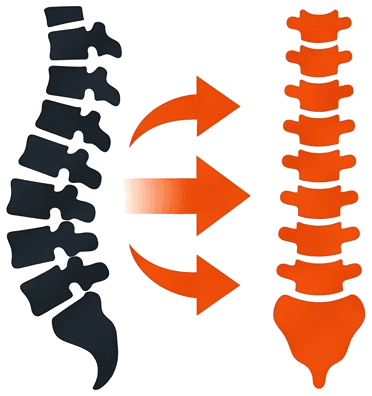
For pinched nerves driven by a disc, spinal decompression gently stretches the spine to create more space between the vertebrae. That added space can ease the pull on a bulging or herniated disc and take load off the compressed nerve root, without surgery.
Every case is different, so we take a personalized approach based on what your body shows us. At your first visit, our team performs a consultation and a full neurological evaluation, plus any necessary X-rays, to map where the nerve is being compressed and why. From there, you get clear recommendations built around your situation. The body's ability to heal is far greater than most people have been told, and a pinched nerve is often a problem of pressure and position you can address.
Pinched Nerve vs. Sciatica vs. Radiculopathy: Untangling the Terms
Patients often hear several different terms for what feels like the same thing, and the overlap can be confusing. "Pinched nerve" is the everyday term for nerve compression anywhere in the body. "Radiculopathy" is the clinical term for a pinched nerve specifically at the spinal nerve root. "Sciatica" describes the pattern of pain that travels down the leg when the compression involves the sciatic nerve, most often from a pinched nerve in the lower back. They're related, but not always interchangeable — a pinched nerve in the neck causes very different symptoms than one in the lower back, and not every case of leg pain that people call sciatica turns out to be a true pinched nerve at all. Piriformis syndrome, for example, produces sciatica-like leg pain from a tight muscle rather than a compressed nerve root, which matters for figuring out the right approach.
When the Pinch Happens Somewhere Less Obvious
Most of the pinched nerves we see fall into the neck, lower back, or wrist, but nerve compression can happen in a few other spots worth knowing about. In the shoulder and upper chest, thoracic outlet syndrome compresses nerves and blood vessels passing between the collarbone and first rib, often causing numbness or a heavy feeling down the arm that can be mistaken for a neck-based pinched nerve. If your main symptoms are in your neck and radiate specifically into your arm or hand, our dedicated guide on pinched nerve symptoms in the neck walks through that pattern in more detail, including what tends to make it better or worse day to day.
Frequently Asked Questions
How long does a pinched nerve take to heal?
Many pinched nerves ease within a few days to a couple of weeks with rest and gentle care. More stubborn cases, especially those involving a disc, can take longer. If symptoms last more than a week or two or keep returning, have the source evaluated rather than waiting.
Can a pinched nerve go away on its own?
Often, yes. A mild pinch from a tight muscle or temporary swelling can settle once you change the position or habit that caused it. If it keeps coming back, worsens, or comes with weakness, that's a sign the underlying pressure needs to be addressed directly.
Is it better to rest or move with a pinched nerve?
A little of both. Back off the activity that aggravates it, but avoid total stillness for days, since gentle movement keeps the area from stiffening. Slow, pain-free stretching and short walks usually help more than complete rest.
What does a pinched nerve in the neck feel like?
A pinched nerve in the neck often causes pain, numbness, or tingling that travels from the neck into the shoulder, arm, or hand. You may also feel a stiff neck or weakness in your grip, and certain head positions can make it better or worse.
Can a chiropractor help with a pinched nerve?
Chiropractic care focuses on the joint motion and alignment around a compressed nerve, which can reduce the pressure causing your symptoms. Many people with pinched nerves in the neck or lower back find relief this way. A chiropractor will evaluate your case first to confirm the source and recommend the right approach for you.
When should I worry about a pinched nerve?
Seek prompt care if you notice worsening weakness, loss of bladder or bowel control, severe numbness that's spreading, or symptoms following a serious fall or accident. These are warning signs that need urgent attention. For ordinary, slowly improving symptoms, home care and a professional evaluation are usually enough.
Is a pinched nerve the same thing as sciatica?
Not exactly. Sciatica describes pain traveling down the leg along the sciatic nerve, which is often, but not always, caused by a pinched nerve in the lower back. Other issues, like piriformis syndrome, can cause similar leg pain without an actual pinched nerve, which is why an evaluation matters before assuming the cause.
Can a pinched nerve cause headaches?
Yes, particularly when the compression is in the upper neck. Nerves in that area can refer pain upward into the base of the skull and head, which is sometimes mistaken for a tension headache rather than a neck-related nerve issue.
Get to the root of your pinched nerve in Lakewood Ranch
If a pinched nerve is interrupting your days, the team at The Roots Health Centers can help you find the source and build a plan around it instead of hoping it fades on its own. Come in for a complimentary consultation, meet the team, and tour the clinic with no commitment to start care. Book your complimentary consultation or call (941) 877-1507. Dr. Logan Swaim, MS, DC and the team are here to help you understand what's happening and what's possible.
Conditions We Treat
Carpal Tunnel Syndrome
Drug-free, non-surgical care for carpal tunnel syndrome that addresses nerve compression at the wrist and the cervical spine — most patients avoid the operating room.
Sciatica
Non-surgical care for sciatic nerve pain using spinal decompression, corrective chiropractic, and supporting therapies.

Neck Pain
Precise cervical adjustments and decompression that restore alignment, reduce nerve pressure, and eliminate chronic neck pain at its source.
Herniated Disc
Non-surgical care for herniated and bulging discs using FDA-cleared spinal decompression, corrective chiropractic, and integrated soft-tissue therapies.

Tech Neck
Forward head posture from daily screen use shifts the mechanical load on your cervical spine, compresses nerves, and drives chronic neck pain, headaches, and upper back tension. Corrective care addresses the structural change — not just the symptoms.
Services Related to This Post
Keep Reading
Related articles
Pinched Nerve in Neck: Symptoms and How to Find Relief
Sharp pain, numbness, or a burning ache running from your neck into your arm? Here's how to recognize a pinched nerve in the neck, what causes it, and how to find relief.
Read articlePiriformis Syndrome vs. Sciatica: How to Tell the Difference
Buttock and leg pain can be piriformis syndrome or sciatica — two different problems with different care paths. Here's how to tell them apart.
Read articleThoracic Outlet Syndrome: The Numb-Arm Mystery Explained
Numb, heavy, or tingly arm — especially overhead? Thoracic outlet syndrome is often misdiagnosed. Here's what it is and non-surgical options that may help.
Read article