

Costochondritis: Why Your Rib Cage Hurts and What Helps
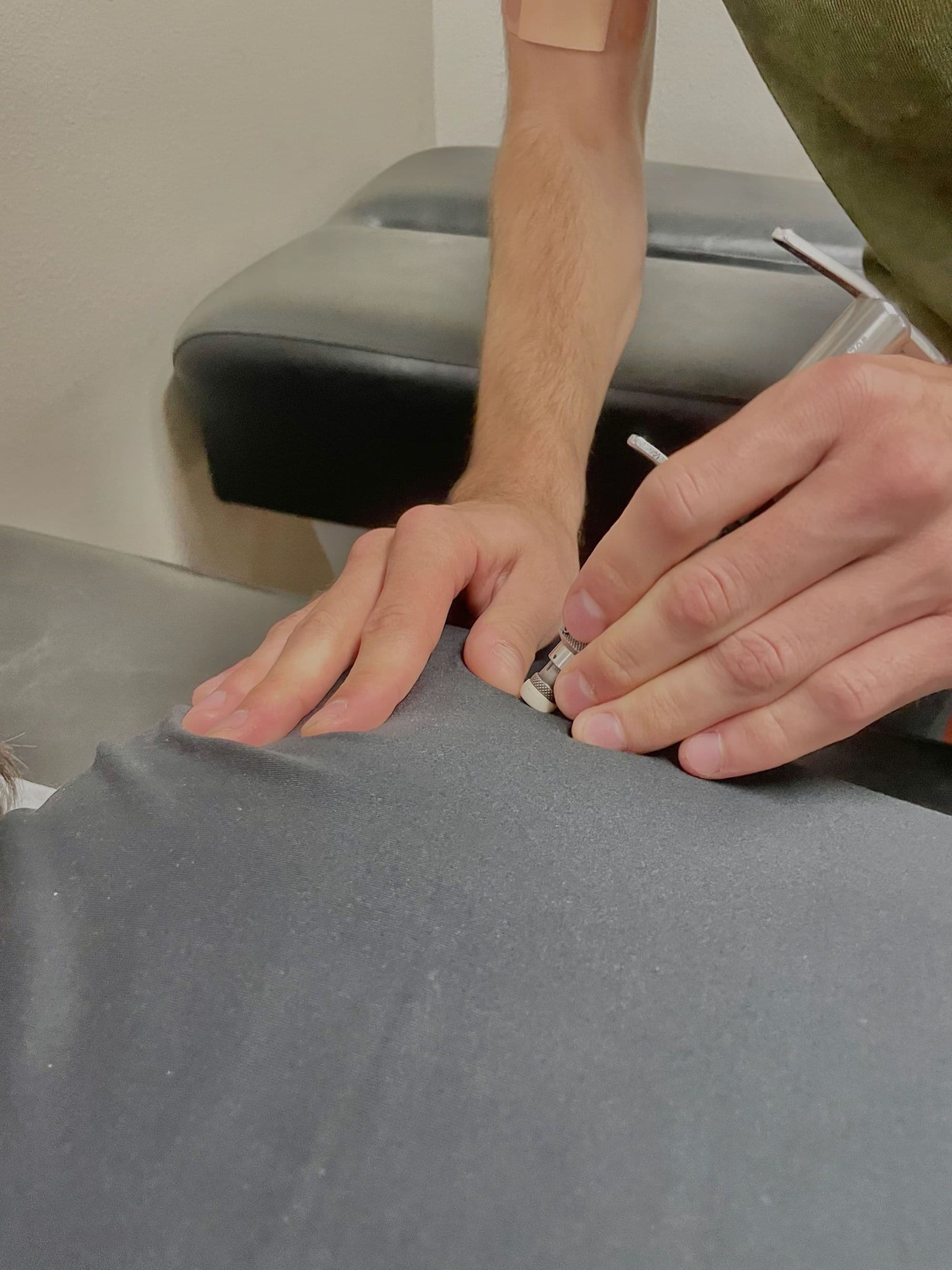
A sharp, stabbing pain near your breastbone can be alarming — the first thought for most people is their heart. But in many cases, that pain is coming from somewhere much less dangerous: the cartilage connecting your ribs to your breastbone. This is costochondritis, and it's one of the most common (and most commonly misunderstood) causes of chest wall pain. Here's what it is, why it happens, and the non-surgical options worth understanding first.
What Is Costochondritis?
Costochondritis is inflammation of the cartilage that connects your ribs to your breastbone (sternum) — the costosternal joints. That cartilage normally flexes a little with every breath you take. When it becomes irritated or inflamed, movements as simple as breathing deeply, twisting, reaching overhead, or pressing on your chest can trigger sharp, localized pain. It most often affects the upper ribs on one side of the chest, though it can occur on both sides.
Costochondritis vs. a Heart Problem: How to Tell the Difference
Because costochondritis pain sits so close to the heart, it's understandable to worry. A few patterns can help you tell them apart, though they're not a substitute for medical evaluation: costochondritis pain is usually reproducible — pressing on the affected rib joint recreates the pain, which isn't true of cardiac pain. It also tends to change with position, breathing, or movement, while heart-related pain typically doesn't ease when you shift how you're sitting or breathing. That said, chest pain should always be taken seriously. If you experience chest pain along with shortness of breath, pain radiating into your jaw or left arm, sweating, dizziness, or a crushing sensation, seek emergency care immediately — don't try to self-diagnose in the moment.
What Causes Costochondritis?
A few common contributors show up again and again in the people we see:
- Repetitive strain, from activities like heavy lifting, rowing, or repetitive overhead reaching
- A forceful cough or cold, which can strain the chest wall muscles and cartilage
- Poor posture, especially the rounded, forward-shoulder position behind tech neck, which changes how load moves through the rib cage and upper spine
- A direct injury, like a fall or a seatbelt impact during a car accident
- Unaccustomed exercise, particularly new upper-body strength training or a return to activity after time off
In many cases, no single obvious cause is ever identified — the joint simply became irritated over time.
Symptoms of Costochondritis
- Sharp, aching, or pressure-like pain where the ribs meet the breastbone
- Pain that worsens with deep breathing, coughing, twisting, or pressing on the area
- Tenderness when you press directly on the affected rib joints — often the clearest sign it's costochondritis
- Pain that may spread outward along the rib, a radiating pain pattern rather than staying in one pinpoint spot
- No swelling, redness, or fever (if these are present, a different diagnosis — such as an infection — needs to be ruled out)
Costochondritis and Your Spine: An Overlooked Connection
The rib cage doesn't work in isolation — each rib attaches to the thoracic spine in the back and to the sternum in front, and mechanics in one area affect the other. Restricted movement or joint irritation in the mid-back, similar to what we see with facet joint syndrome or degenerative disc disease, can change how force travels through the rib joints in front and contribute to costochondritis flare-ups. This is why a thorough evaluation looks at more than just the sore spot on your chest — it looks at how your whole back and spine are functioning.
Who's Most at Risk
Costochondritis shows up most often in people recovering from a respiratory illness or a bad cough, athletes and gym-goers who've recently increased upper-body training, people who've had a recent chest injury or fender-bender, and desk workers whose rounded posture puts ongoing strain on the chest wall and upper spine. It's also common during growth spurts in teenagers and can appear without any clear trigger at all.
How Is Costochondritis Diagnosed?
There's no lab test or imaging study that confirms costochondritis on its own — it's what's called a diagnosis of exclusion. A consultation typically starts with a physical exam, including pressing along the rib joints to see if it reproduces your pain (a strong indicator of costochondritis). From there, ruling out more serious causes — cardiac, pulmonary, or gastrointestinal — may involve necessary X-rays or a referral, depending on your history and symptoms. A full neurological evaluation also helps our team understand how your spine and nervous system may be contributing to the pattern.
Non-Surgical Options That May Help
Most cases of costochondritis are approached without surgery or injections. A few approaches worth understanding:
A full postural and mechanical evaluation. Since rib cage mechanics are closely tied to thoracic spine movement, understanding how your mid-back and posture may be contributing shapes what comes next. This is the starting point of our Corrective Chiropractic approach.
Addressing restricted movement in the mid-back. Because the ribs attach directly to the thoracic spine, care that supports better mobility in that area may help take some of the ongoing strain off the irritated cartilage in front.
Activity and posture modification. Temporarily easing off the specific movement that aggravates the joint — while staying otherwise active — along with attention to posture throughout the day, is often part of a personalized plan.
Gentle, gradual reconditioning. Once the irritation has settled, a gradual return to normal activity helps avoid the same strain pattern recurring.
Each person and case is different, so what helps depends on what your evaluation shows.
Why Does Costochondritis Keep Coming Back?
For many people the frustrating part isn't the first episode — it's the second, third, and fourth. Recurring costochondritis usually means the trigger never left: the rib joints calm down with rest, then the same mechanics stir them right back up. The usual suspects are posture that keeps the mid-back stiff (long desk hours are a classic), repetitive lifting or reaching that loads the rib cage, a training routine that ramps up faster than the chest wall adapts, and coughing spells during allergy or cold season.
That's also why flare-ups deserve a mechanical look, not just another round of rest. If the thoracic spine and rib joints aren't moving well, the cartilage where your ribs meet the breastbone keeps absorbing stress it wasn't built to take — and each new flare-up starts from a joint that never fully got its mobility back. Addressing the spine-and-rib mechanics behind the pattern, along with the posture and load habits that feed it, is how a recurring problem becomes an occasional one.
When Further Care Might Be Needed
Most costochondritis settles down with time and the right supportive care. But because chest pain has so many possible causes, ongoing or worsening symptoms — or any of the emergency signs mentioned above — deserve prompt medical attention rather than a wait-and-see approach.
Frequently Asked Questions
Why does my costochondritis keep flaring up? Recurring flare-ups usually mean the underlying trigger is still there — most often stiff mid-back and rib joint mechanics combined with the posture or activity that irritated the cartilage in the first place. Rest settles each episode, but it doesn't change the mechanics, which is why an evaluation of how your thoracic spine and ribs are actually moving is worth it once you're past your second round.
Can costochondritis come back after it goes away? Yes — recurrence is common when the mechanics that caused the first episode are still in place. The cartilage calms down, then the same postural load or repetitive stress builds back up and the pain returns. Breaking that cycle usually means addressing the rib and thoracic spine movement behind it, not just waiting out each flare.
What does costochondritis feel like? Most people describe a sharp, aching, or pressure-like pain where the ribs meet the breastbone, often worse with deep breathing, coughing, or pressing on the area.
How long does costochondritis usually last? Each case is different — some settle down fairly quickly with rest and activity modification, while others take a more personalized approach to fully resolve. There's no single timeline that applies to everyone.
Can poor posture really cause rib pain? Yes — rounded, forward-shoulder posture changes how force moves through your rib cage and upper spine, which can contribute to costochondritis flare-ups over time.
Is costochondritis dangerous? On its own, costochondritis isn't dangerous, but chest pain should always be evaluated to rule out more serious causes first — especially if it comes with shortness of breath, sweating, or pain radiating into your arm or jaw.
Can a chiropractor help with costochondritis? Because rib and thoracic spine mechanics are closely connected, an evaluation that looks at your whole spine — not just the sore spot on your chest — is often part of a supportive approach.
If rib or chest wall pain has you wondering what's really going on, come in for a complimentary consultation at The Roots Health Centers in Lakewood Ranch, and let's get you a clear answer.
The Roots Health Centers, 8209 Natures Way, Unit 115, Lakewood Ranch, FL 34202. (941) 877-1507.
Conditions We Treat
Services Related to This Post
Keep Reading
Related articles
Facet Joint Syndrome: Symptoms, Causes, and How to Find Relief
Facet joint syndrome causes stiff, aching back or neck pain that worsens with movement. Learn the causes, symptoms, and non-surgical relief options.
Read articleDegenerative Disc Disease: What It Means and Your Options
Degenerative disc disease sounds scarier than it is. Learn what causes it, the stages, and non-surgical options that can help you feel better.
Read articleTech Neck: The Modern Posture Epidemic Nobody's Talking About
If you spend hours a day looking at a phone or screen, your spine is paying the price. Here's what tech neck does to your body — and how to undo it.
Read article