

Condition
Tech Neck
Your spine isn't built for this posture
Forward head posture from daily screen use shifts the mechanical load on your cervical spine, compresses nerves, and drives chronic neck pain, headaches, and upper back tension. Corrective care addresses the structural change — not just the symptoms.
By Dr. Logan Swaim · Last updated May 22, 2026
Get help with Tech Neck
Three quick questions — we'll call you within 24 business hours.
Understanding Tech Neck
What It Is & Why It Happens
For every inch your head drifts forward from its neutral position, the effective weight it places on your cervical spine roughly doubles. At a 45-degree forward tilt — the angle most people hold while looking at a phone — the load on the neck approaches 49 pounds. Your neck was not designed to carry that load for hours at a time, every day. Tech neck is the predictable structural result.
The downstream effects are wide-ranging. Compressed cervical discs lose height over time. Nerve roots exit the spine in a region where sustained forward posture has reduced the space they need. Muscles in the upper back and posterior neck become chronically overloaded trying to hold the head up, while the deep stabilizing muscles of the cervical spine weaken from disuse. The result is a self-reinforcing cycle of tension, pain, and further postural collapse.
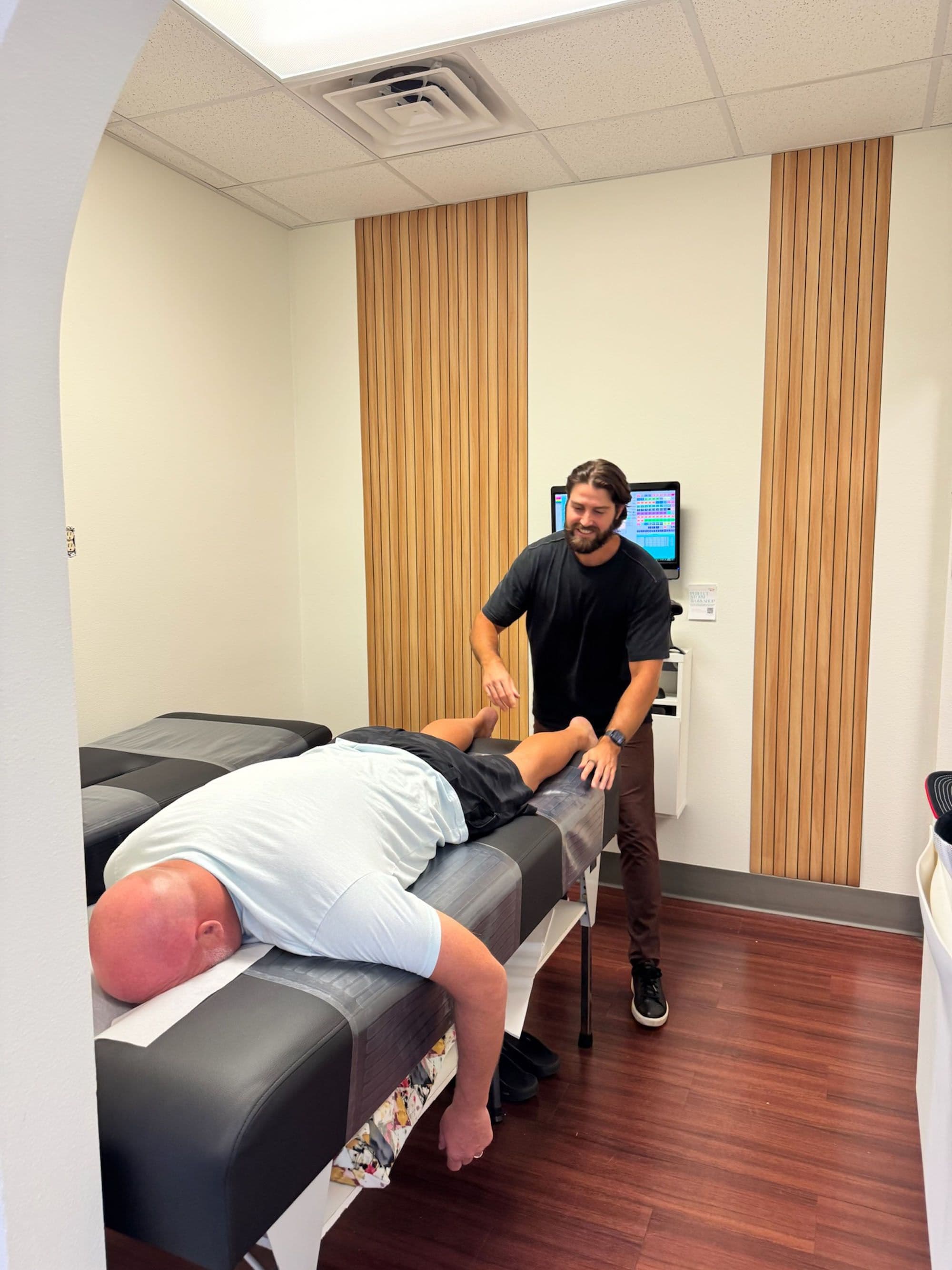
At The Roots Health Centers, we begin with a thorough evaluation — including cervical curve assessment and neurological scanning — to understand how far the structural change has progressed. A corrective care plan combines Torque Release Technique adjustments to restore cervical alignment, targeted postural rehabilitation, and red light therapy to address soft tissue inflammation. Ergonomic coaching is built into care from day one because corrective work holds better when the daily inputs driving the problem are also addressed.
Common Symptoms
Signs You Might Be Dealing With Tech Neck
- Chronic neck stiffness and reduced range of motion
- Headaches that start at the base of the skull
- Upper back and shoulder blade tension that never fully releases
- Pain or fatigue that worsens during or after screen time
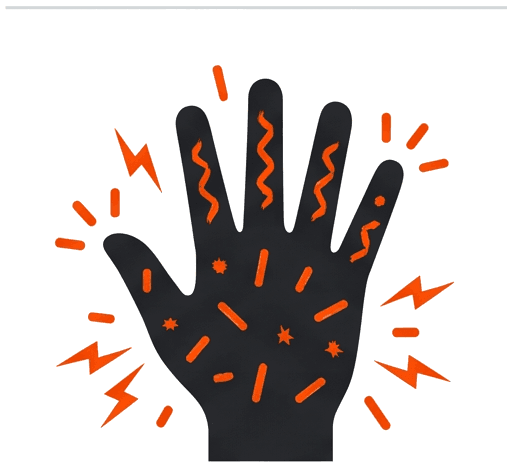
- Numbness or tingling in the arms or hands
- Rounded shoulder posture and a forward-positioned head
- Grinding or clicking sounds when rotating the neck
How We Help
Our Treatment Approach
- Cervical curve and posture assessment to measure the degree of structural change
- Neurological evaluation to identify nerve interference patterns in the cervical region
- Torque Release Technique adjustments targeting upper and lower cervical vertebrae
- Red light therapy for chronic soft tissue inflammation in the neck and upper back
- Postural rehabilitation exercises prescribed for home use between visits
- Ergonomic coaching for workstation and device-use habits
From Our Doctors
Hear it from the team
Dr. Logan Swaim — Red Light Therapy Overview”
Services That Help
Treatments for Tech Neck
Corrective Chiropractic
Precise, progressive corrections that produce lasting structural change — not just temporary relief. Think of it like orthodontics for your spine.
Learn More
Red Light Therapy
Medical-grade red light therapy in a private, full-body room. Our DAHLIA Pinnacle Bed supports chronic pain, recovery, skin health, gut and neurometabolic health, and weight management — as part of a personalized care plan. Photobiomodulation that goes beyond a consumer sauna.
Learn MoreRelated Symptoms
Symptoms Often Linked to Tech Neck



Read More
Articles About Tech Neck
Tech Neck: The Modern Posture Epidemic Nobody's Talking About
If you spend hours a day looking at a phone or screen, your spine is paying the price. Here's what tech neck does to your body — and how to undo it.
How Sitting 8 Hours a Day Is Quietly Wrecking Your Spine
Modern work keeps you seated, but your spine wasn't built for that. Here's what prolonged sitting actually does to your body — and what may help.
What Is Corrective Chiropractic — And How Is It Different?
Most chiropractors focus on temporary symptom relief. Corrective chiropractic is designed to make lasting structural changes — here's how.
Common Questions
Frequently Asked Questions
Who You'll See
Doctors who see this every week
The Roots Health Centers is led by the same doctors at every visit — no rotating providers. Care starts with a full neurological evaluation, and a doctor walks you through what it found before anything else is recommended.



Care for tech neck
Inside the plan.
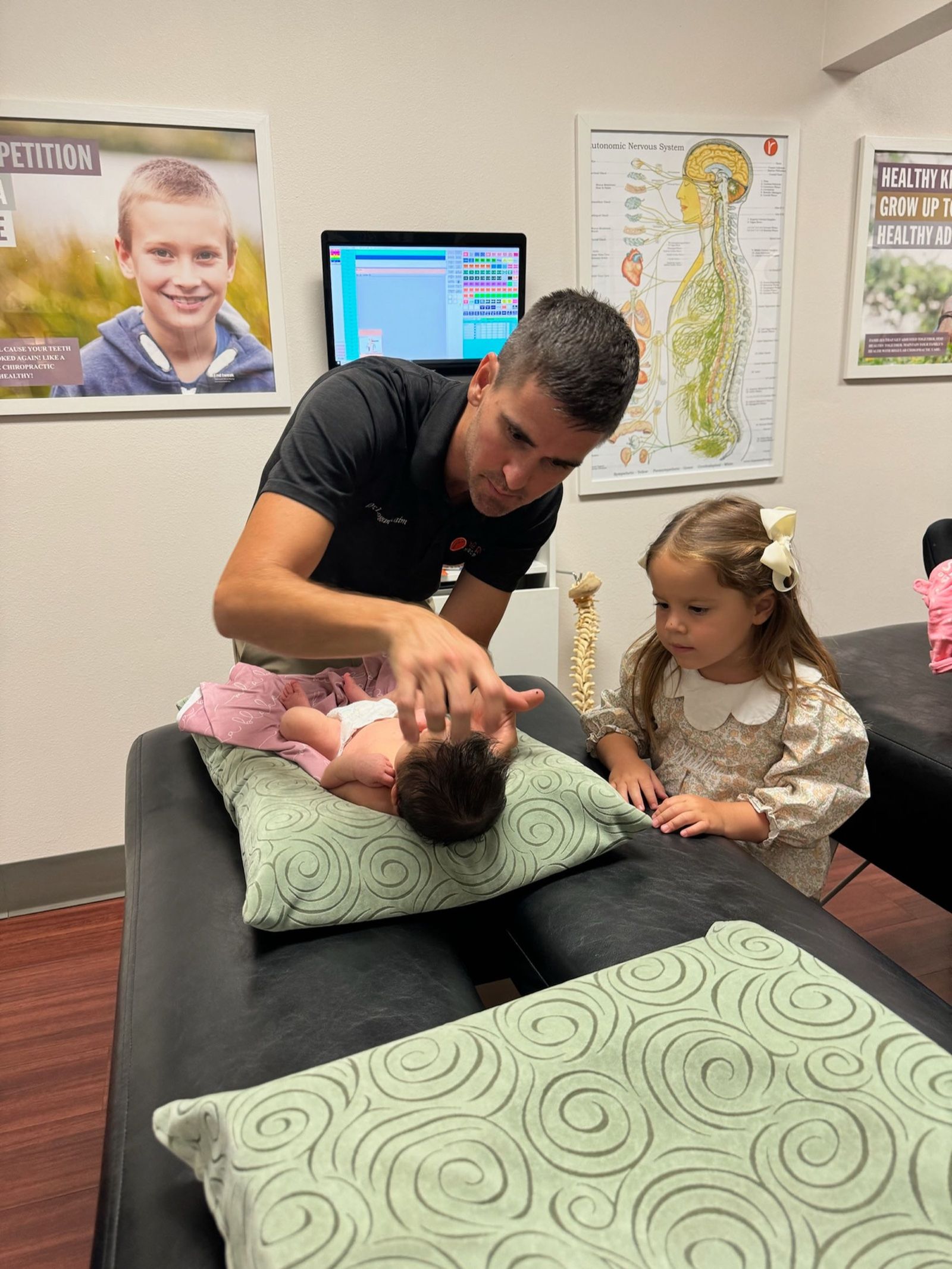
Dr. Logan in the office.
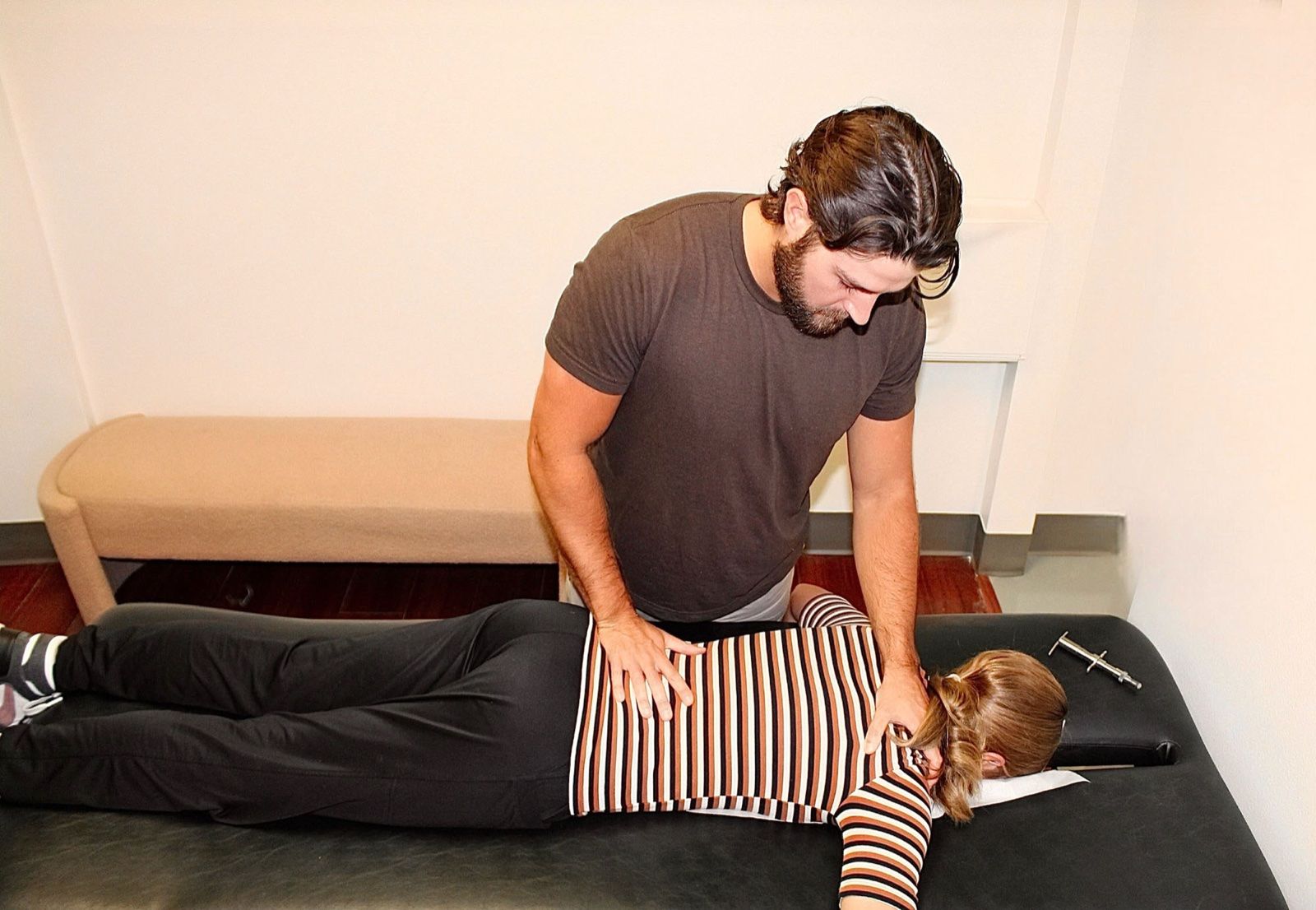
Dr. Fox at work.
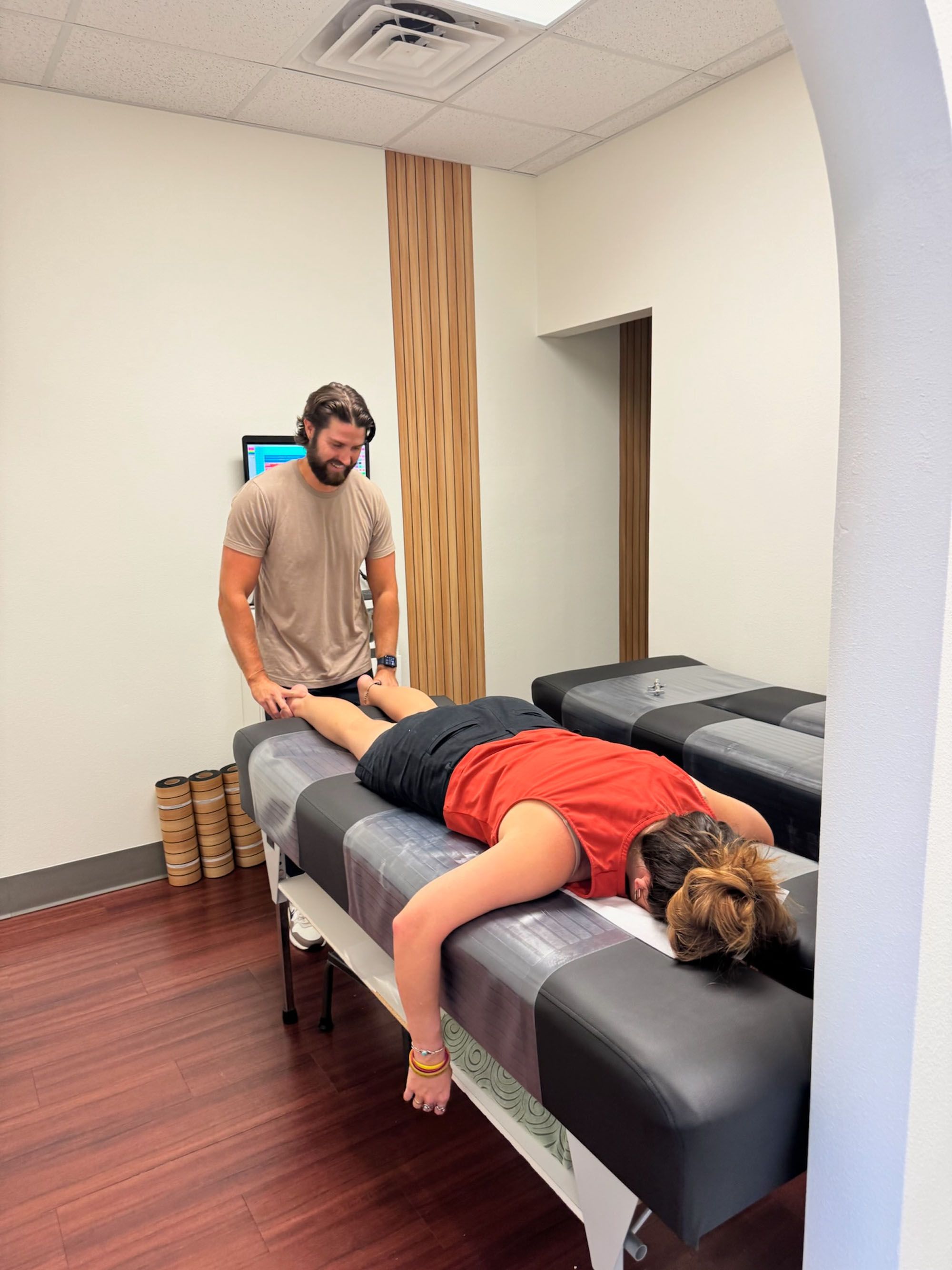
Precision over pressure.

Dr. Laura in the office.

Dr. Fox at work.
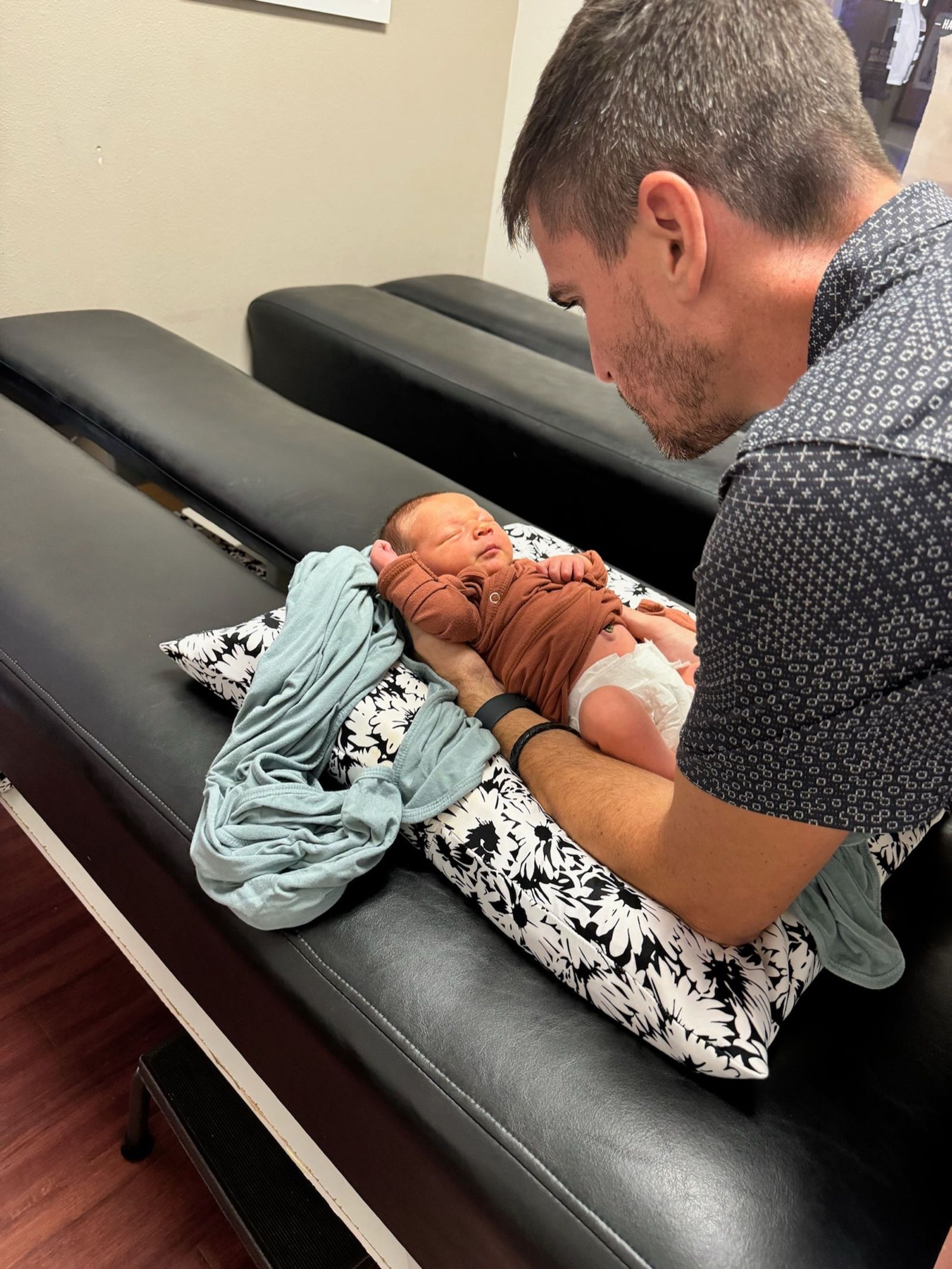
Dr. Logan in the office.
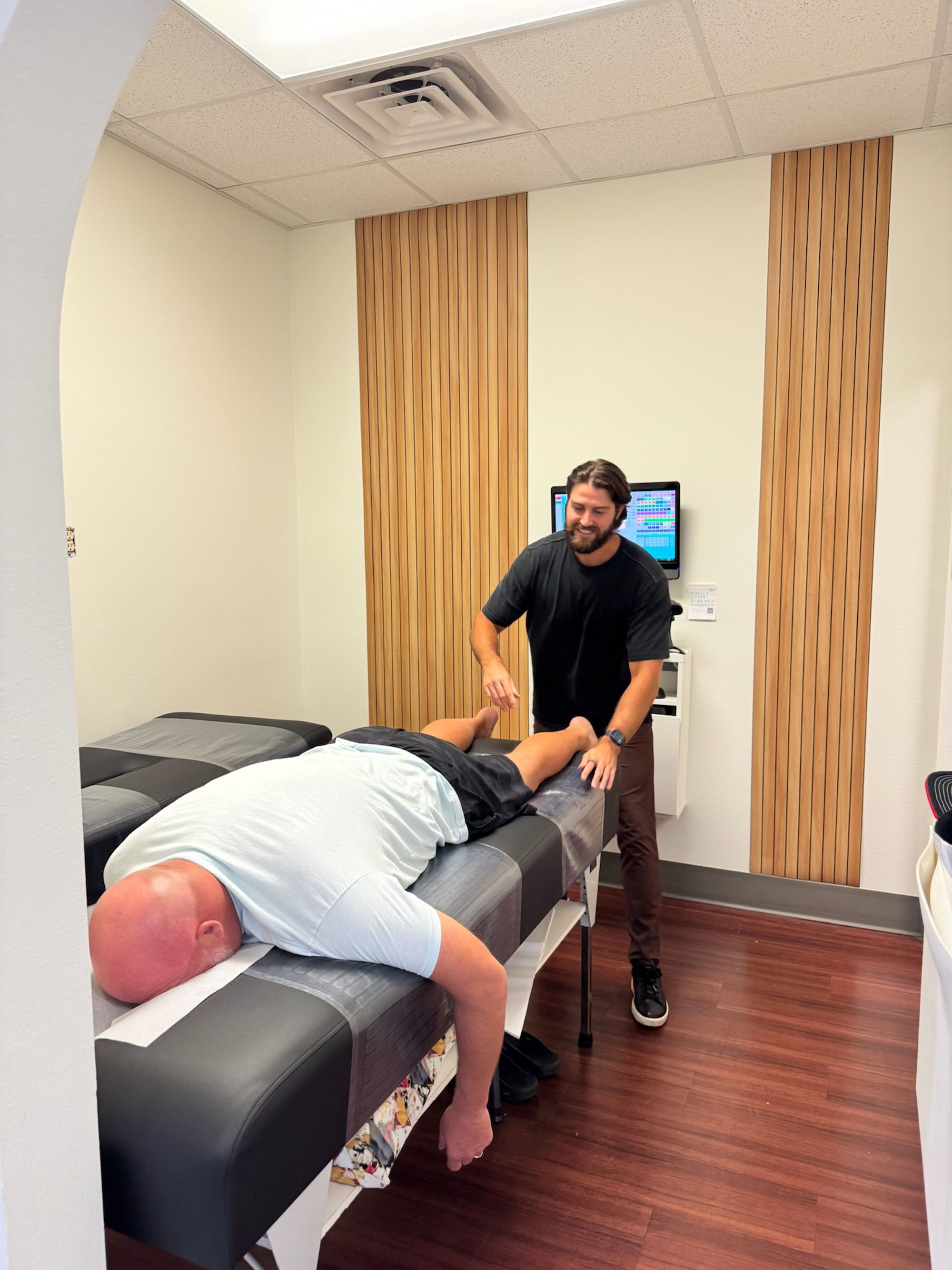
Precision over pressure — care that addresses the cause.
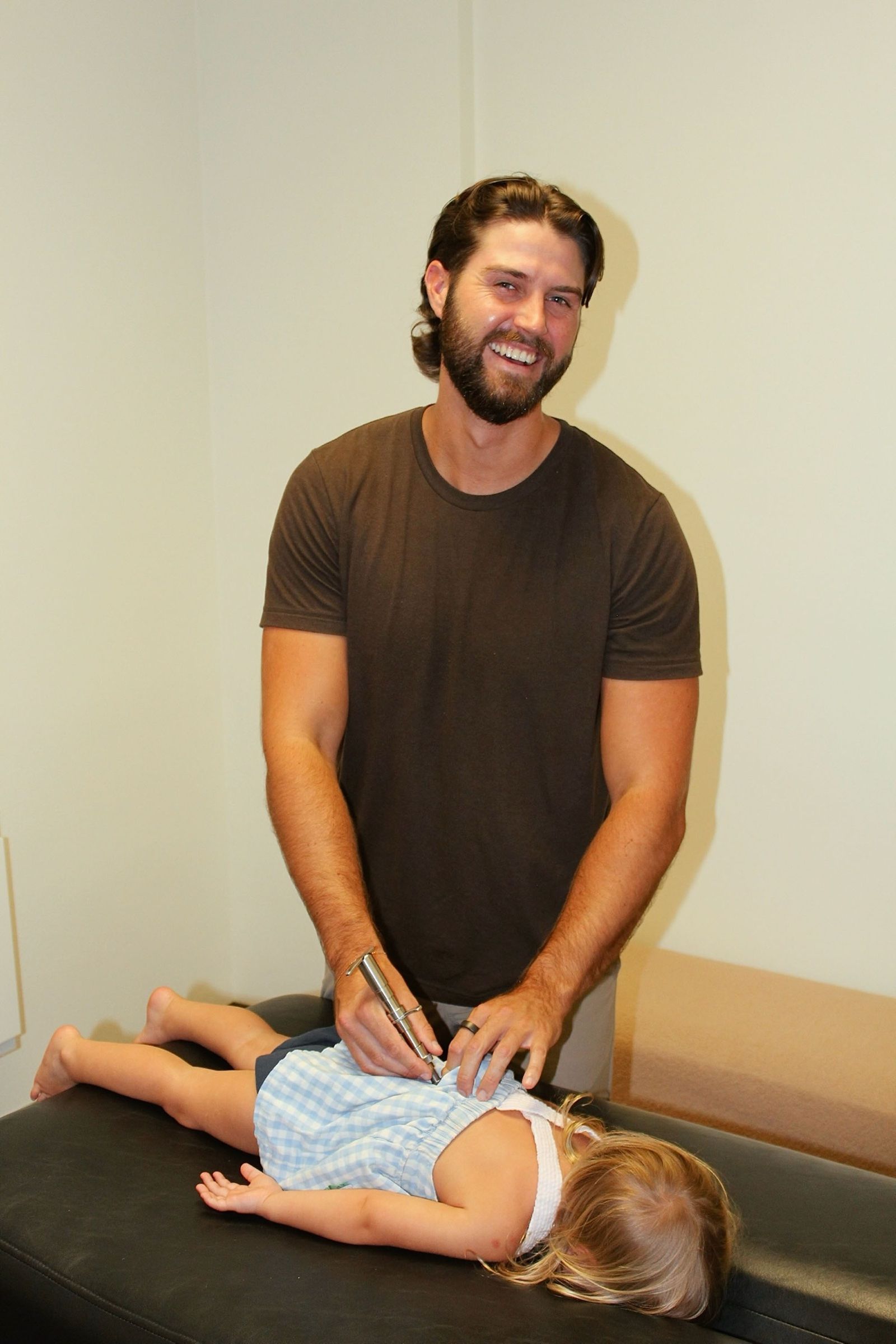
Precision over pressure — care that addresses the cause.
Keep Exploring
See patient case studies
Real Patient Stories
Real patients.
Documented, start to finish.
Ready to Address
the Root Cause?
Schedule a comprehensive exam and let's build a plan that actually works.
*Includes consultation, neurological exam, scans & x-rays (if needed)