

Pulled Muscle in Lower Back: How to Tell, What May Help, and When to Worry
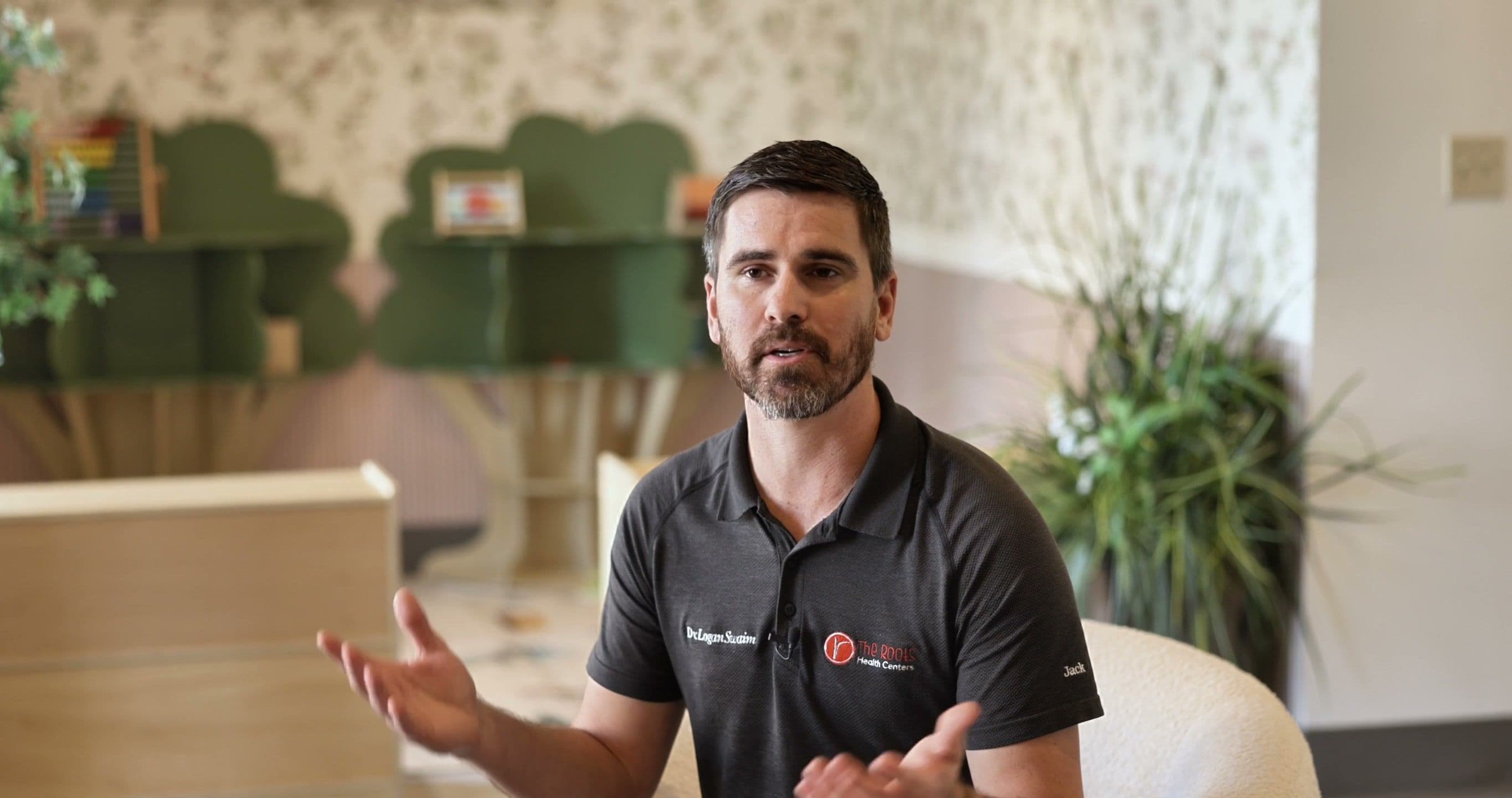
You lifted a bag of mulch, reached into the back seat, or swung a little too hard on the golf course, and now your lower back is tight, sore, and complaining every time you move. A pulled muscle in the lower back is one of the most common reasons people end up searching for answers, and the good news is that it is usually not dangerous. A pulled muscle, also called a muscle strain, means some of the muscle fibers that support your spine were stretched past what they could handle. The tricky part is that a strain can feel a lot like a disc problem or an irritated joint, and those call for a slightly different approach. Below, we walk through what a pulled back muscle feels like, how to tell it apart from a disc, what may help in the first few days, and the red flags that mean you should see a doctor first. This is educational information, not a diagnosis.
First, the Red Flags: When Lower Back Pain Needs a Doctor Right Away
Call 911 or go to the emergency room if lower back pain comes with:
- New numbness in your groin, inner thighs, or the area you would sit on a saddle
- Trouble controlling your bladder or bowels, or being unable to pee
- New weakness in one or both legs, or a foot that drags or slaps
- A sudden, severe, tearing pain in your back or belly
- Chest pain, shortness of breath, or pain spreading to your arm or jaw
Call your doctor promptly if the pain started after a fall or car accident, comes with a fever, chills, or unexplained weight loss, wakes you at night no matter how you lie, shows up with burning when you pee or blood in your urine, or keeps getting worse instead of better. If you have osteoporosis, a history of cancer, or have used steroids long term, new back pain deserves a medical check sooner rather than later.
What a Pulled Muscle in the Lower Back Actually Is
Your lower back is held up by layers of muscle. The long muscles running alongside your spine, called the erector spinae, keep you upright and control bending. Deeper muscles like the quadratus lumborum connect your pelvis to your lowest ribs and steady you when you lean, reach, or carry something on one side.
A strain happens when one of those muscles, or the tendon that anchors it, is loaded faster or harder than it is ready for. Common setups include:
- Lifting something heavy with a rounded back, or lifting and twisting at the same time
- Sudden movements, like catching yourself from a slip or lunging for a pickleball shot
- A weekend of yard work, moving furniture, or a new workout after a quiet stretch
- Long hours of sitting followed by a quick burst of activity
- Tired muscles at the end of a long day, when your form slips
When fibers are overstretched, the area gets inflamed and the surrounding muscles tighten to protect it. That protective tightening is why a pulled muscle can lead straight into back spasms that make it hard to stand up straight.
What Does a Pulled Muscle in the Lower Back Feel Like?
People describe a pulled lower back muscle as:
- A sudden twinge or grab during a specific movement, or soreness that builds over the next few hours
- Aching, tight pain on one or both sides of the spine, usually above the belt line
- A tender spot you can press on with your fingers
- Pain that gets sharper when you bend, twist, get out of a chair, or roll over in bed
- Stiffness that is worst first thing in the morning and loosens a bit as you move
- Muscle tightness or spasm that pulls you slightly to one side
The pain usually stays in the back. It may spread into the top of the buttock, but it does not typically shoot down the leg.
Pulled Muscle or Disc? How to Tell the Difference
This is the question we hear most about a pulled muscle in the lower back. Muscles, discs, and the small joints of the spine all sit close together, and an injury to one often irritates the others. Still, there are some useful clues. These are patterns, not a diagnosis:
More likely a muscle strain:
- Pain stays in the back and the top of the buttock
- There is a tender, tight spot you can feel
- It hurts most with specific movements and eases with rest
- There is no numbness, tingling, or weakness in the legs
More likely a disc is involved:
- Pain travels into the buttock and down the back of the leg, sometimes past the knee
- Numbness, tingling, or a pins-and-needles feeling in the leg or foot
- Pain that gets worse when you cough, sneeze, or sit for a long time
- Leg symptoms that are as bothersome as, or worse than, the back pain
A herniated disc can pinch or irritate a nerve root, which is what sends symptoms down the leg. A strained muscle usually does not. If you have leg pain, numbness, or weakness, it is worth getting checked rather than assuming it is just a pulled muscle. Pain that sits on one side of the spine and gets worse when you lean back or twist can also come from irritated facet joints, another common source of lower back pain.
What to Do for a Pulled Muscle in Your Lower Back
If none of the red flags above apply, these steps may help a pulled back muscle settle down in the first few days:
- Keep moving gently. Bed rest tends to make a strained back stiffer. Short, easy walks around the house every hour or so keep blood flowing and remind the muscles it is safe to relax.
- Find a position of relief. Lying on your back with your knees bent over a pillow, or on your side with a pillow between your knees, takes pressure off the lower back.
- Use ice or heat. Many people reach for ice in the first day or two when the area feels hot and inflamed, then switch to heat to relax tight muscles. Our guide on ice or heat for back pain explains when each one tends to help. Keep a cloth between your skin and the pack, and limit each round to about 15 to 20 minutes.
- Avoid the movement that did it. Give heavy lifting, deep bending, and twisting a break while the muscle calms down, without stopping all activity.
- Get up the smart way. Roll onto your side, drop your legs over the edge of the bed, and push up with your arms instead of sitting straight up.
- Stretch gently, not aggressively. A slow knee-to-chest stretch or a gentle pelvic tilt may ease tension. If a stretch makes the pain sharper, stop.
- Ask before medication. If you are thinking about over-the-counter pain relievers or muscle relaxers, talk with your doctor or pharmacist first, especially if you take other medications or have kidney, stomach, or heart concerns.
How long does a pulled muscle in the lower back take to feel better?
It depends on how much of the muscle was strained, your age, your activity level, and what you do in the days after. Many mild strains ease steadily as you keep moving, but recovery looks different for everyone. If the pain is not easing, keeps coming back, or starts traveling down your leg, it is time to find out what is really going on.
Why Some People Keep Pulling the Same Muscle
If you seem to pull a muscle in your lower back every few months, the muscle itself may not be the whole story. Repeat strains often point to a part of the spine or pelvis that is not moving well, so the muscles around it work overtime. Weak glutes and a deconditioned deep core can also leave the back muscles doing a job they were never meant to do alone. To lower the odds of the next strain, hinge at your hips and keep loads close when you lift, turn your feet instead of twisting, warm up before golf, pickleball, or yard work, and get up to move every 30 to 45 minutes when you sit.
How Chiropractic Care May Help a Strained Lower Back
At The Roots Health Centers in Lakewood Ranch, our doctors look past the sore muscle to ask why it was overloaded in the first place. A visit starts with your story and a full neurological evaluation, plus any necessary X-rays. That helps sort out whether you are dealing with a simple strain, joint irritation, a disc, or something that belongs with a different provider.
When adjustments are part of a plan, our team uses Torque Release Technique, a gentle, low-force approach that does not involve twisting or cracking. Many people appreciate that when their back is already guarded. Your plan may also include movement and lifting guidance for home, work, and the activities you love.
Care for back pain is personal. Each person and case is different, so we take a personalized approach based on what your body needs to reach your goals, rather than a one-size-fits-all number of visits.
Pulled Lower Back Muscle: Frequently Asked Questions
Can you pull a muscle in your lower back?
Yes. It is one of the most common causes of sudden lower back pain. Lifting, twisting, a sudden movement, or simply doing more than your muscles are ready for can overstretch the muscles that support your spine.
What does a pulled muscle in the lower back feel like?
Usually a tight, aching pain on one or both sides of the spine, with a tender spot and pain that sharpens when you bend, twist, or stand up from sitting. It typically stays in the back rather than traveling down the leg.
What should I do for a pulled muscle in my lower back?
Keep moving gently, find a comfortable resting position, use ice or heat, and avoid heavy lifting and twisting while it settles. Ask your doctor or pharmacist before taking any medication. Get checked if the pain is severe, not easing, or comes with leg symptoms.
How do I know if it is a pulled muscle or a disc?
A strain usually stays in the back with a tender spot and no leg symptoms. Pain that shoots down the leg, numbness, tingling, weakness, or pain that worsens with coughing or sitting points more toward a disc. A hands-on exam is the best way to tell.
Tired of Your Lower Back Holding You Back?
A pulled muscle in the lower back can make the simplest parts of the day hard, from getting out of the car to picking up a grandchild. If yours is not settling or keeps coming back, our team at The Roots Health Centers in Lakewood Ranch, serving Bradenton, Sarasota, and the surrounding area, can help you understand why. Book a complimentary consultation to meet the team, tour the clinic, and talk through your options with no commitment to start care.
Conditions We Treat
Back Pain
Corrective chiropractic care that addresses the structural root cause of back pain — not just masking symptoms with medication.
Herniated Disc
Non-surgical care for herniated and bulging discs using FDA-cleared spinal decompression, corrective chiropractic, and integrated soft-tissue therapies.
Services Related to This Post
Keep Reading
Related articles
Ice or Heat for Back Pain? A Simple Guide to Choosing
Standing in front of the freezer wondering whether to grab the ice pack or the heating pad? Here's a plain-English guide to which one fits your back pain right now, and how to use either one safely.
Read articleLower Back Pain When Bending Over: Why It Happens and What May Help
That catch or ache in your low back every time you bend to tie a shoe or pick something up has patterns behind it. Here is what is often going on and what may help.
Read article