

Lower Back Pain When Bending Over: Why It Happens and What May Help
You bend forward to tie a shoe, load the dishwasher, or pick up a bag, and your low back grabs. Sometimes it is a sharp catch, sometimes a deep ache that lingers once you stand back up. If you are dealing with lower back pain when bending over, the most common explanation is that the joints, muscles, and discs of your lower spine are being asked to handle a load they are not ready for in that moment. Forward bending is one of the most demanding movements your back makes all day, so it tends to be where problems show up first. Below we walk through why it happens, the usual suspects, habits that may help, and the signs that mean it is time to get checked. This is educational information, not a diagnosis.
Why Bending Forward Can Set Off Low Back Pain
When you bend forward, your spine flexes, your hips hinge, and the muscles along your back work to control the movement and bring you back up. The discs between your vertebrae are squeezed toward the back of the spine, the small facet joints are stretched apart, and the ligaments along the back take on tension. If everything is moving well, you barely notice. If one part is stiff, weak, or irritated, the low back absorbs the difference.
A few things tend to be happening at once:
- The hips are not doing their share. Tight hips and hamstrings limit how far you can hinge from the hips, so the lower spine rounds more than it should. Our posts on tight hamstrings and low back pain and tight hip flexors explain that link.
- The deep core is slow to brace. These muscles act like a natural corset. When they are slow to switch on, the back muscles and ligaments carry more of the load.
- The back has been still. Long stretches of sitting leave spinal joints stiff, so the first bend of the day can feel the roughest.
- Guarding. After a flare-up, muscles tighten to protect the area, which can make even a small bend feel dramatic.
Common Causes, and How They Tend to Feel
Muscle strain or overuse
A dull, achy tightness that is worst as you bend and loosens as you keep moving is a very common pattern. It often follows yard work, moving boxes, a long drive, or a weekend of projects.
Disc irritation
Discs cushion the spaces between vertebrae. When one is irritated, bending forward, especially after sitting, can feel sharp or heavy in the low back. If you also notice leg symptoms, a herniated disc may be part of the picture. Our guide to herniated vs. bulging discs explains the difference in plain terms.
Facet joint irritation
The small joints at the back of each vertebra can get cranky when they are stretched. People often describe a pinching or catching feeling on one side as they bend forward or return upright.
Sacroiliac (SI) joint strain
The SI joints connect your spine to your pelvis. When one is irritated, pain can sit low on one side near the belt line and flare when you bend, twist, or shift your weight. Our guide to SI joint pain goes deeper.
Nerve irritation
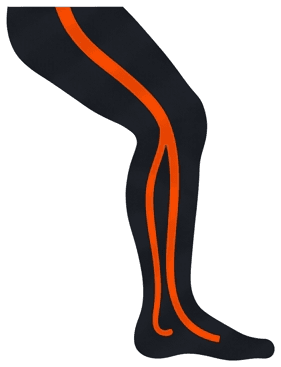
Sharp, shooting, burning, or electric sensations that travel from the back into the buttock, thigh, or foot suggest a nerve may be involved. This is the pattern people often describe with sciatica. Numbness or tingling alongside the pain deserves attention and a proper look.
Habits That May Help Your Low Back When You Bend
There is no single trick that works for everyone, because each person and case is different. These are general, low-risk ideas that people often find useful:
- Hinge from the hips. Think of pushing your hips back as you lean forward, rather than rounding through the lower back. Keeping the object close to your body helps too. Our guide on how to lift without hurting your back walks through it step by step.
- Bend your knees when you can. For lighter tasks like picking up laundry, a soft knee bend shares the work between your legs and your back.
- Break up long sitting. Standing, walking, or changing position regularly keeps spinal joints from stiffening. If the first move after sitting is the hard one, our post on lower back pain when standing up covers that pattern.
- Move gently rather than resting completely. Many people find that easy walking and gentle movement feel better than staying still. Move within comfortable limits.
- Support your glutes and core. Strength and coordination in these areas help the spine share the load. A qualified provider can suggest movements that fit your situation.
Here in Lakewood Ranch, we hear from golfers, pickleball players, gardeners, and busy parents who all describe the same moment: bending to pick something up and feeling the back catch. The activity changes, but the pattern is often familiar.
When to Get It Checked
Occasional stiffness that eases as you move is common. It is worth having your back looked at when:
- Bending hurts more often than not, or the pain keeps returning
- Pain travels into the buttock, leg, or foot
- You notice numbness, tingling, or weakness in a leg
- The pain wakes you at night or does not ease with a change of position
- It follows a fall, a car accident, or another injury
Seek urgent medical care right away if low back pain comes with loss of bladder or bowel control, numbness in the groin or inner thighs, fever, or sudden severe weakness in the legs.
What a Visit at The Roots Looks Like
Our team starts by listening to how the pain behaves: what position sets it off, what eases it, and what your day looks like. A full neurological evaluation and any necessary X-rays help us understand how your spine, joints, and nervous system are working together. From there we explain what we are seeing in plain English and discuss options. If you are curious about our approach, you can read more about chiropractic care at The Roots. Every plan is personalized to what your body needs.
Frequently Asked Questions
Why does my lower back hurt when I bend over and then stand back up?
Bending forward loads the discs and stretches the joints and ligaments of the lower spine, and standing back up asks the muscles to work hard to return you upright. If a joint is stiff, a muscle is guarding, or a disc is irritated, either direction of the movement can bring on pain.
Is lower back pain when bending over serious?
Often it is a muscle or joint pattern rather than something serious. It deserves a closer look if it keeps coming back, travels down a leg, comes with numbness or weakness, or follows an injury. Sudden loss of bladder or bowel control needs urgent medical care.
Should I rest or keep moving?
Most people feel better with gentle movement within comfortable limits than with complete rest. Avoid pushing through sharp pain, and have your back evaluated if it is not easing.
Can a chiropractor help with pain when bending?
A chiropractor can evaluate how your spine, hips, and nervous system are moving and discuss gentle options that may help support better movement. Care is individualized, and your first visit begins with listening and an evaluation.
Ready for Answers?
If bending keeps setting off your back, you do not have to keep working around it. Come in for a complimentary consultation, meet the team, tour the clinic, and learn our approach. There is no commitment to start care. Book your complimentary consultation and we will take it from there.
Conditions We Treat

Services Related to This Post
Keep Reading
Related articles
How to Lift Without Hurting Your Back: Safer Habits at Home and Work
Most lifting back strains come from small habits, not one heroic move. Here's how to lift groceries, boxes, and grandkids with less strain on your spine.
Read articleTight Hamstrings and Low Back Pain: What's the Link?
Tight hamstrings and a sore low back often show up as a pair. Here's how the two connect, why stretching alone doesn't always settle it, and when to get checked.
Read article