

Back Spasms: Why They Happen, What May Help, and When to Worry
You bend down to pick up a laundry basket, and suddenly a muscle in your back seizes so hard you can barely straighten up. Or you wake up and one side of your lower back feels like a tight fist. Back spasms are sudden, involuntary contractions of the muscles along your spine, and they can be surprisingly painful for something that usually is not dangerous. The short answer to why they happen: in most cases, a back spasm is your muscles guarding something underneath that is irritated, like a stiff joint, a strained muscle, or an unhappy disc. The spasm is the alarm, not always the fire. Below, we walk through what causes back spasms, what may help in the first few days, how to lower the odds of the next one, and the red flags that mean you should get checked right away. This is educational information, not a diagnosis.
First, the Red Flags: When a Back Spasm Needs Care Right Away
Call 911 or go to the emergency room if back pain or spasms come with:
- New numbness in your groin, inner thighs, or the area you would sit on a saddle
- Trouble controlling your bladder or bowels, or being unable to pee
- New weakness in one or both legs, or a foot that slaps or drags
- Chest pain, shortness of breath, sweating, or pain spreading to your arm or jaw
- A sudden, severe, tearing pain in your back or belly
Call your doctor promptly if the spasm follows a fall or car accident, comes with a fever, unexplained weight loss, or night sweats, wakes you at night no matter how you lie, or shows up alongside pain when you pee or blood in your urine. If you have a history of cancer, osteoporosis, or long-term steroid use, any new back pain deserves a conversation with your doctor.
What Is a Back Spasm, Exactly?
A back spasm is a muscle that contracts and will not let go. The muscles that run alongside your spine, like the erector spinae and the quadratus lumborum in the lower back, are built to hold you upright and protect the joints and nerves of your spine. When something in that area gets irritated, your nervous system can tell those muscles to clamp down hard, almost like a splint. That protective reflex is called muscle guarding.
That is why a back spasm often feels out of proportion to what you were doing. You did not lift a refrigerator; you reached for your phone. The movement was just the last straw for a joint or muscle that was already stiff, tired, or overloaded.
What a back spasm feels like
People describe back spasms as:
- A sudden grab or seize that stops you mid-movement
- A hard, knotted area you can sometimes feel with your fingers
- Pain that comes in waves, tightening and easing
- Trouble standing up straight, often leaning to one side
- Stiffness that is worst in the morning or after sitting
Most back spasms happen in the lower back, but they can also strike the middle back between the shoulder blades.
What Causes Back Spasms?
Back spasms usually have more than one ingredient. Common causes of back spasms we see in the office include:
1. Muscle strain or overload
Lifting with a rounded back, a weekend of yard work, a new workout, or a long round of golf can overload muscles that are not ready for it. A small strain is enough to trigger guarding. If you lift often, our guide on how to lift without hurting your back walks through the setup that spares your spine.
2. Stiff or irritated spinal joints
The small facet joints between your vertebrae can get stiff and inflamed, especially after long hours of sitting. When a joint is not moving well, the muscles around it tighten to protect it. This is one of the most common patterns behind lower back pain that seems to come out of nowhere.
3. Disc irritation
A bulging or herniated disc can set off strong spasms as the body tries to stop movement around it. Clues that a disc may be involved include pain that travels into the buttock or down the leg, numbness or tingling, or pain that gets worse when you cough, sneeze, or sit for a long time.
4. Sitting and posture
Hours at a desk or in a car keep the hip flexors short and the back muscles working without much variety. Over time those muscles get fatigued and cranky, and a simple twist can tip them into a spasm.
5. Dehydration and low minerals
Muscles need fluid and electrolytes like magnesium, potassium, and sodium to contract and relax normally. In the Florida heat, especially if you are out on the pickleball courts or the golf course around Lakewood Ranch, it is easy to fall behind on fluids. Dehydration rarely causes back spasms on its own, but it can make muscles more likely to cramp.
6. Stress and poor sleep
Stress keeps your nervous system in a guarded, fight-or-flight state, and muscles follow suit. Poor sleep reduces your body's ability to recover from the day. Many people notice their back spasms tend to show up during stressful stretches of life.
7. Something else entirely
Occasionally, a back spasm is the body's reaction to a problem that is not in the spine at all, like a kidney stone, a kidney infection, or a problem in the abdomen. That is why pain with fever, urinary symptoms, or a feeling of being unwell deserves a call to your doctor.
What to Do When Your Back Is Spasming
If the red flags above do not apply, these steps may help calm a back spasm in the first few days:
- Keep moving gently. Bed rest tends to make back spasms stiffer. Short, easy walks around the house every hour or so help keep blood flowing and remind your muscles that it is safe to relax.
- Find a position of relief. Lying on your back with your knees bent over a pillow, or on your side with a pillow between your knees, takes pressure off the lower back.
- Try heat or ice. Many people find heat relaxes a guarding muscle, while ice can calm a fresh, inflamed area. Our post on ice or heat for back pain explains when each one tends to work best.
- Breathe slowly. Long, slow exhales help shift your nervous system out of guard mode. Try breathing in for four counts and out for six, for a few minutes at a time.
- Stretch gently, not aggressively. A gentle knees-to-chest stretch or a slow pelvic tilt may ease tension. If a stretch makes the spasm grab harder, stop.
- Drink water. Especially if you have been sweating, sipping water through the day helps your muscles do their job.
- Ask before medication. If you are thinking about over-the-counter pain relievers or muscle relaxers, talk with your doctor or pharmacist first, especially if you take other medications or have kidney, stomach, or heart concerns.
How long do back spasms last?
Many simple back spasms ease on their own as the irritated area settles, but how long that takes varies a lot from person to person. If your spasms are not easing, keep coming back, or come with leg pain, numbness, or weakness, it is worth finding out what is driving them.
Why Back Spasms Keep Coming Back
If you have had several back spasms over the past year, the muscle is probably not the root of the problem. Recurring spasms often point to a part of the spine that is not moving well, a disc that keeps getting irritated, weak supporting muscles like the glutes and deep core, or daily habits that load the same area over and over.
Our doctors see this pattern often: the spasm settles, the person feels fine, and the underlying stiffness quietly stays. Then a sneeze, a golf swing, or a reach into the back seat sets it off again. Breaking that cycle usually means looking past the spasm itself to how your spine, hips, and nervous system are working together.
Ways to lower your risk of the next back spasm
- Get up and move every 30 to 45 minutes when you sit for work or drive long distances
- Build strength in your glutes and deep core, not just your back muscles
- Warm up before golf, pickleball, tennis, or yard work
- Lift close to your body and hinge at the hips instead of rounding your back
- Stay on top of fluids in the heat
- Protect your sleep and find a way to unwind that works for you
How Chiropractic Care May Help With Back Spasms
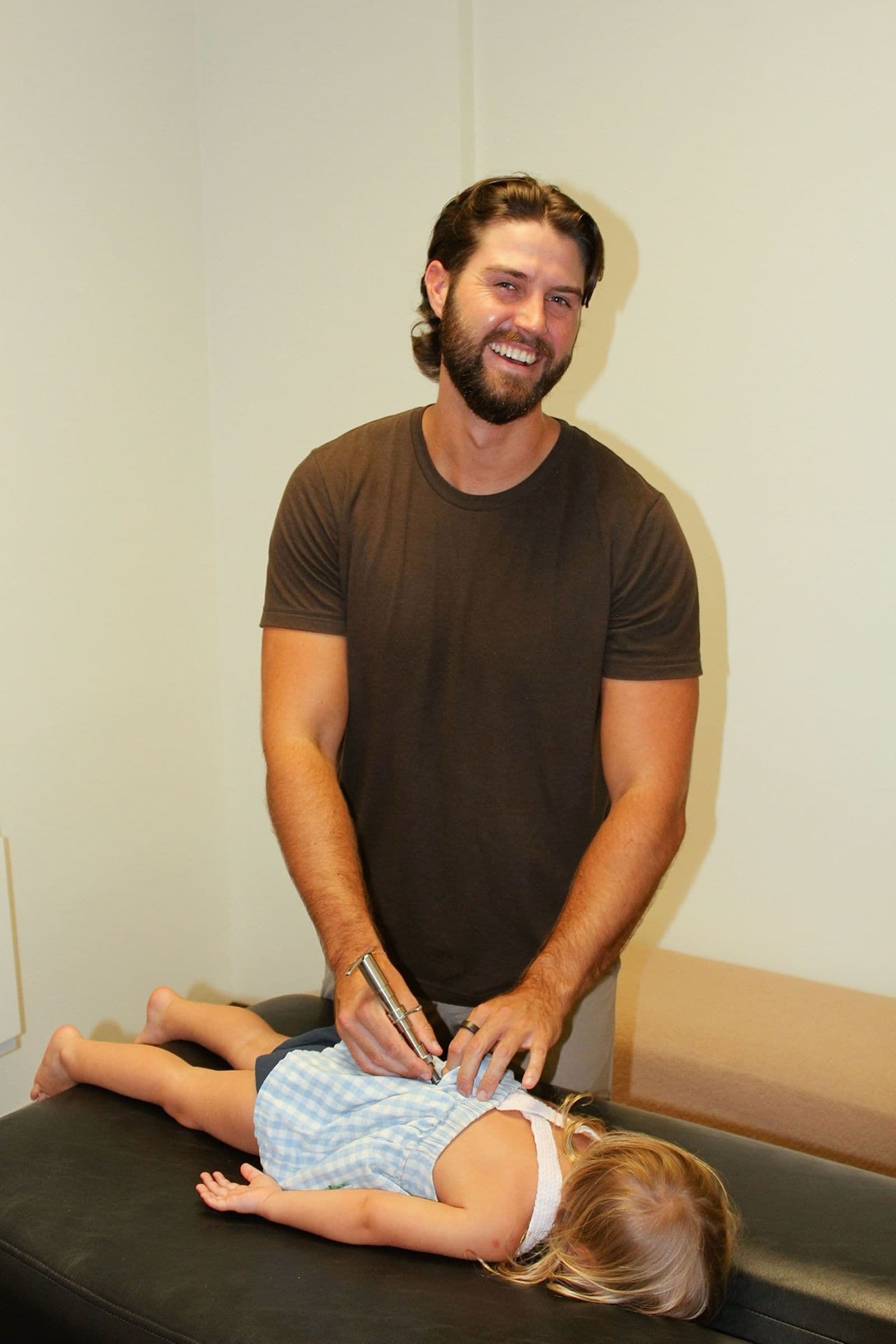
At The Roots Health Centers in Lakewood Ranch, our doctors look at back spasms through a nervous-system lens. The spasm is a protective signal, so the goal is to understand what your body is protecting and support it so it no longer feels the need to guard.
A visit starts with a conversation about your history and a full neurological evaluation, plus any necessary X-rays. From there, our doctors explain what they found and what they recommend. When adjustments are part of a plan, our team uses Torque Release Technique, a gentle, low-force approach that does not involve twisting or cracking, which many people appreciate when their back is already guarded.
Care for back pain is personal. Each person and case is different, so we take a personalized approach based on what your body needs to reach your goals, rather than a one-size-fits-all number of visits. Your plan may also include movement and posture guidance for home and work.
Back Spasms: Frequently Asked Questions
When should I be worried about back spasms?
Get emergency care right away if back spasms come with numbness in the groin or inner thighs, trouble controlling your bladder or bowels, new leg weakness, chest pain, or sudden tearing pain. Call your doctor if spasms follow a fall or accident, come with fever or weight loss, wake you at night, or keep getting worse.
What causes lower back spasms?
Lower back spasms are usually muscle guarding around something irritated, such as a strained muscle, a stiff spinal joint, or an irritated disc. Long hours of sitting, sudden lifting or twisting, dehydration, stress, and poor sleep can all add to the picture.
What is the fastest way to stop a back spasm?
There is no instant off switch, but gentle movement, a supported position of relief, heat or ice, and slow breathing may help a back spasm ease. Avoid long bed rest and aggressive stretching, which can make the muscle grab harder.
Can a chiropractor help with back spasms?
A chiropractor can help find out why your back keeps spasming, such as a stiff joint or disc irritation, and may help with gentle adjustments and movement guidance. Our doctors will also tell you if your symptoms point to something that needs a different kind of care.
Should I stretch a back spasm?
Gentle stretching may help, as long as it eases the tension. If a stretch makes the spasm tighten or the pain sharper, stop and switch to gentle walking, heat, and a comfortable resting position instead.
Tired of Back Spasms Catching You Off Guard?
If back spasms keep interrupting your work, your golf game, or your sleep, you do not have to just wait for the next one. Our team at The Roots Health Centers in Lakewood Ranch, serving Bradenton, Sarasota, and the surrounding area, can help you understand what is driving them. Book a complimentary consultation to meet the team, tour the clinic, and talk through your options with no commitment to start care.
Conditions We Treat
Back Pain
Corrective chiropractic care that addresses the structural root cause of back pain — not just masking symptoms with medication.
Herniated Disc
Non-surgical care for herniated and bulging discs using FDA-cleared spinal decompression, corrective chiropractic, and integrated soft-tissue therapies.
Sciatica
Non-surgical care for sciatic nerve pain using spinal decompression, corrective chiropractic, and supporting therapies.
Services Related to This Post
Keep Reading
Related articles
Ice or Heat for Back Pain? A Simple Guide to Choosing
Standing in front of the freezer wondering whether to grab the ice pack or the heating pad? Here's a plain-English guide to which one fits your back pain right now, and how to use either one safely.
Read articleHow to Lift Without Hurting Your Back: Safer Habits at Home and Work
Most lifting back strains come from small habits, not one heroic move. Here's how to lift groceries, boxes, and grandkids with less strain on your spine.
Read article5 Signs Your Back Pain Isn't Just Muscular
Not all back pain is created equal. If you're experiencing these warning signs, the problem might be deeper than tight muscles.
Read article