Red Light Therapy Beyond Pain Relief: The Neurometabolic Picture
Most people first hear about red light therapy in the context of pain or skin, and it does support both. But that framing sells it short. The more interesting story is what red light does at the level of your cells, and why that connects to energy, recovery, and the way your nervous system and metabolism work together. At The Roots Health Centers in Lakewood Ranch, FL, we think about red light therapy through what we call a neurometabolic lens, the idea that nerve health, energy, and metabolic function are one connected system rather than separate boxes. Here's the bigger picture.
What red light therapy actually does
Red light therapy, sometimes called photobiomodulation, uses specific wavelengths of red and near-infrared light that penetrate into your tissues. Unlike the UV light that damages skin, these wavelengths are absorbed by your cells in a way that supports them.
The main target is the mitochondria, the tiny "power plants" inside your cells that produce the energy your body runs on. Red and near-infrared light appear to help mitochondria work more efficiently, which means cells can produce energy, the molecule called ATP, more effectively. That's the foundation everything else is built on: when your cells have more usable energy, they're better equipped to repair, recover, and function.
Why "neurometabolic" is the bigger frame
It's tempting to file red light therapy under "pain tool" or "skin tool" and move on. We think that misses the point.
Your body doesn't actually work in silos. The health of your nerves, the energy your cells can produce, and how your metabolism functions are deeply intertwined, what we call neurometabolic health. Nerves are energy-hungry tissue. Recovery depends on cellular energy. Metabolic function and nervous-system regulation influence each other constantly. When you support the cellular energy supply that all of these systems draw on, you're not helping just one box, you're supporting the foundation they share.
That's the lens we bring to red light therapy. It isn't a single-purpose gadget. It's a way to support the cellular machinery your whole body relies on.
Where people tend to notice it
Because red light works at such a foundational level, the areas people report benefits in are broad. Commonly discussed uses include:
- Recovery and soreness after activity, supporting tissue as it repairs
- Joint and muscle comfort, which is why it's so often associated with pain
- Skin quality and tone, a well-known cosmetic use
- Energy and a sense of vitality, tied to that mitochondrial support
- Circulation, supporting blood flow to tissues that need it
- Sleep and recovery rhythms for some people
We're careful with how we talk about this. Research into photobiomodulation is genuinely promising and still growing, and individual responses vary. We won't promise outcomes. What we can say is that supporting cellular energy is a sound foundation, and that's the role red light plays.
How it fits an active, aging-well Florida lifestyle
Lakewood Ranch is a place where people stay active, on the courts, the trails, the golf course, and want to keep doing so for decades. That's exactly the context where supporting recovery and cellular energy makes sense.
As we age, recovery naturally slows and cellular efficiency dips. Giving your cells better support to produce energy is a longevity-minded idea, less about chasing a quick result and more about helping your body keep doing what you ask of it. For an active adult who wants to keep moving comfortably, red light therapy fits as one piece of a broader, whole-body approach to staying well, not a standalone miracle.
What a session looks like
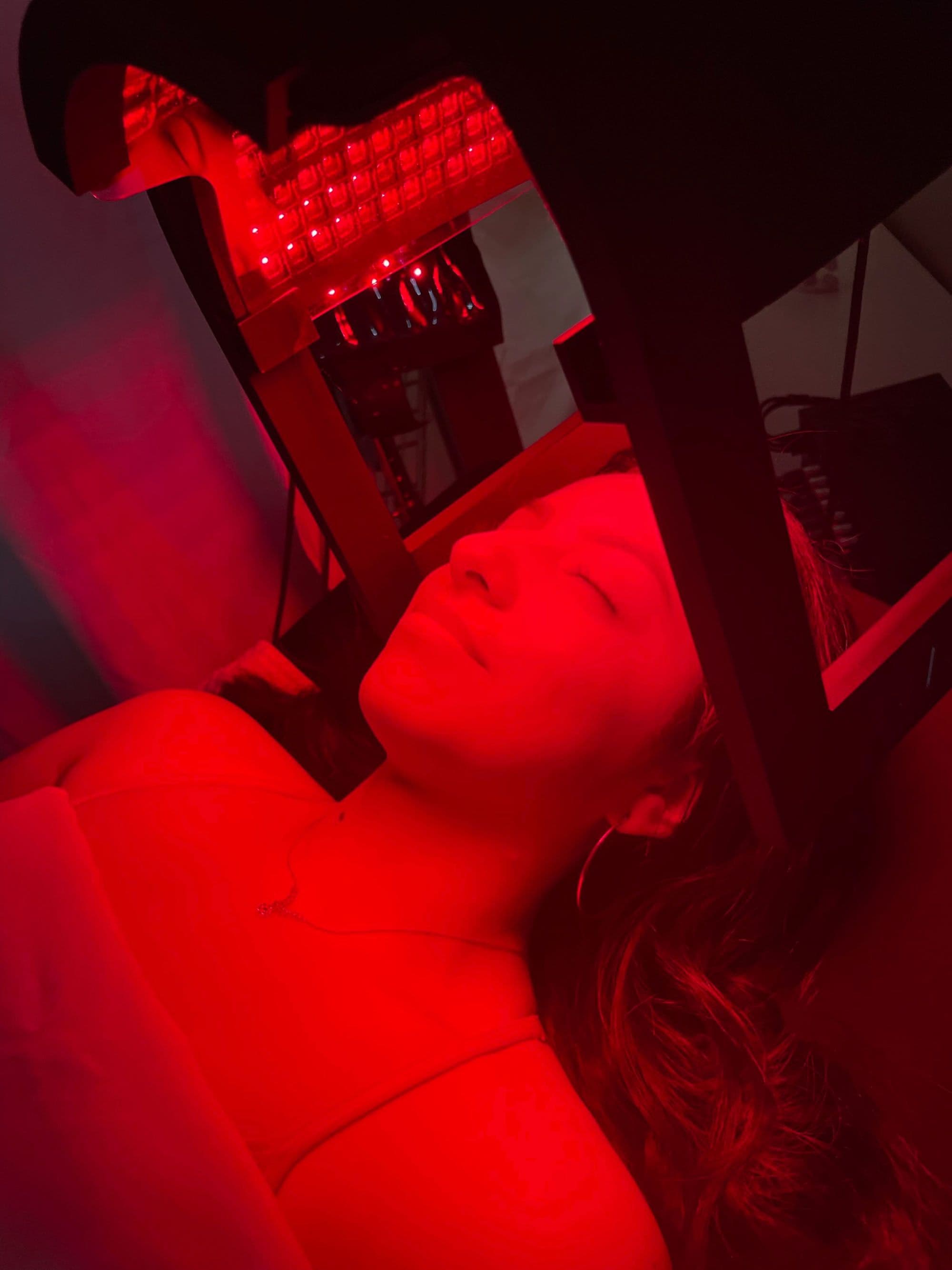
One of the nicest things about red light therapy is how simple and low-friction it is. A session itself runs about 15 minutes, and you'll plan for roughly 45 minutes in the clinic from start to finish. There's nothing invasive about it, no needles, no downtime, no recovery period. You simply expose the target area to the light and let your cells do the work.
Because it's so gentle, it pairs naturally with the rest of what we do. Many people fold it into a broader plan alongside chiropractic care and other supports, so that the nervous system, the tissues, and the cellular energy supply are all being looked after together, which is the whole point of a neurometabolic approach.
An honest word on expectations
We'd rather set the right expectation than oversell. Red light therapy is a supportive tool that works best as part of a thoughtful plan, not something you try in isolation and judge in a single day. Responses build over time and vary from person to person.
What it offers is a safe, comfortable, non-invasive way to support the cellular energy your body draws on for recovery, nerve health, and metabolic function. For the right person and the right goals, that's a meaningful piece of the puzzle, and we'll always start by understanding your goals before suggesting it.
Where to start in Lakewood Ranch
If you've thought of red light therapy as only a skin or pain gadget, the cellular-energy and neurometabolic angle is worth a closer look, especially if recovery, energy, and aging well are on your mind.
You can learn more about our red light therapy approach, revisit the evidence-based benefits of red light therapy, or explore our full range of services.
Ready for answers? Book a complimentary consultation at The Roots Health Centers in Lakewood Ranch, FL, or call us at (941) 877-1507. We'll talk through your goals and whether red light therapy fits into a whole-body plan for you. No commitment to start care.
Frequently Asked Questions
What does red light therapy actually do?
Red light therapy uses specific red and near-infrared wavelengths that your cells absorb, primarily supporting the mitochondria that produce cellular energy. With better-supported energy production, cells are better equipped to repair and recover, which is the foundation behind its various uses.
Is red light therapy just for skin and pain?
Those are its best-known uses, but they're not the whole story. Because red light supports cellular energy, the same foundation, people associate it with recovery, vitality, circulation, and overall cellular health. We frame it through a neurometabolic lens that connects nerve health, energy, and metabolic function.
Is red light therapy safe?
Red light therapy is non-invasive and generally well tolerated, with no needles and no downtime. Unlike UV light, the wavelengths used don't damage the skin. As with anything, it isn't right for every person or situation, which is why we start by understanding your health and goals.
How long is a red light therapy session?
A session runs about 15 minutes, and you'll plan for roughly 45 minutes in the clinic overall. There's no recovery time afterward, so you can return to your day right away.
How soon will I notice anything?
It varies from person to person, and red light therapy works best as part of a consistent, broader plan rather than a single try. Responses tend to build over time, so we focus on how it fits your goals rather than promising a specific result by a specific day.
Conditions We Treat
Arthritis
Drug-free arthritis care that reduces joint inflammation, slows degeneration, and restores function — using corrective chiropractic, decompression, red light therapy, and shockwave.
Fibromyalgia
Nervous-system-focused care to reduce widespread pain, fatigue, and brain fog associated with fibromyalgia.