

Pelvic Organ Prolapse: What It Is and Non-Surgical Support Options
If you've felt a heaviness or bulge low in your pelvis — especially by the end of the day, after a workout, or when you've been on your feet for hours — you may be dealing with pelvic organ prolapse. It's a condition almost nobody talks about openly, even though it touches a significant number of women, especially after childbirth or with age. At The Roots Health Centers in Lakewood Ranch, FL, we want you to know two things right away: you're not imagining it, and pelvic organ prolapse isn't something you simply have to accept as inevitable. There are real, non-surgical ways to support your pelvic floor, often before surgery is even part of the conversation.
What Is Pelvic Organ Prolapse?
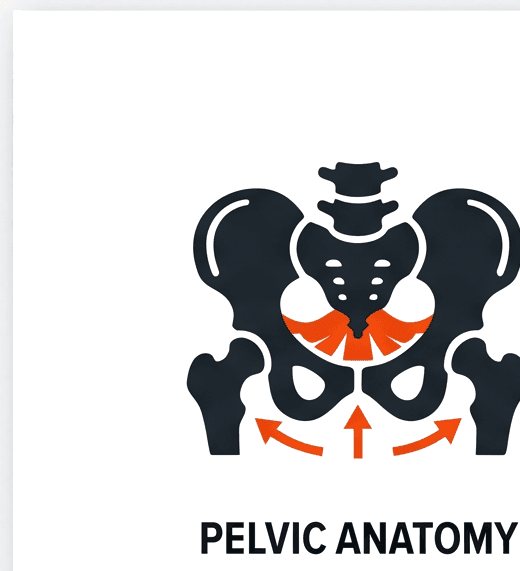
Pelvic organ prolapse happens when the muscles and connective tissue that normally hold your pelvic organs in place become stretched or weakened, allowing one or more organs to drop or bulge toward (or into) the vaginal canal. Depending on which structure is affected, this goes by a few different names:
- Cystocele — the bladder drops toward the front vaginal wall
- Uterine prolapse — the uterus descends into or toward the vaginal canal
- Rectocele — the rectum bulges toward the back vaginal wall
Prolapse is typically described in stages, from mild (barely noticeable, often found only during an exam) to more advanced (an organ that's visible or protruding at the vaginal opening). Where you fall on that spectrum matters, because it shapes which support options make sense — which is exactly why an evaluation, not guesswork, is the right starting point.
Why Pelvic Organ Prolapse Happens
The pelvic floor is a hammock of muscles and tissue stretching across the base of your pelvis, and like any support structure, it can weaken under enough strain. Common contributors include:
- Pregnancy and vaginal childbirth, which stretch and sometimes tear the pelvic floor's muscles and connective tissue — the single biggest risk factor, sometimes surfacing well into the postpartum months and years
- Menopause and declining estrogen, which affects the strength and elasticity of pelvic tissue
- Chronic straining, from long-term constipation, a persistent cough, or repeated heavy lifting
- Aging, which gradually reduces muscle tone if the pelvic floor isn't actively maintained
- Prior pelvic surgery, such as a hysterectomy, which can alter the support structures that hold organs in place
- Genetics, since some people are simply born with more elastic connective tissue that's more prone to stretching
Often it's a combination of these factors rather than one single cause, which is part of why prolapse can show up years after the pregnancy or event that set it in motion.
Common Symptoms of Pelvic Organ Prolapse
Symptoms vary depending on severity, but many people describe:
- A feeling of heaviness, pressure, or fullness low in the pelvis
- Symptoms that feel worse by the end of the day, after standing for long periods, or after exercise, and better after lying down
- A visible or palpable bulge at the vaginal opening, in more advanced cases
- Urinary changes, including leaking or a sense of incomplete emptying — a pattern we cover in more depth in bladder leaks and pelvic floor support
- Bowel symptoms like straining or a feeling of incomplete emptying, more common with rectocele
- A dull ache in the low back
If any of this sounds familiar, you're far from alone — and naming what's happening is the first step toward doing something about it.
Non-Surgical Support: What Actually Helps
Surgery is sometimes the right answer for advanced prolapse, but it's rarely the first or only option, and plenty of people find meaningful relief without it.
Pelvic floor muscle training. Because the pelvic floor is a muscle group, it can be strengthened — but only if it's actually being worked correctly. Traditional Kegels are a reasonable place to start, though many people do them incorrectly or struggle to isolate the right muscles at all, which limits how much they actually help.
Freedom+. This is where technology-assisted support can make a real difference. We use Freedom+, a non-invasive option for pelvic floor strengthening. You stay fully clothed and seated while the device prompts the pelvic floor muscles to contract and relax, guiding them through the kind of focused, repetitive work that's genuinely difficult to replicate on your own. There's no surgery and no downtime involved.
Pessary devices. For some patients, a removable support device called a pessary, fitted and managed by an OB-GYN, offers mechanical support for the prolapsed organ. We don't fit these ourselves, but we're glad to coordinate with your OB-GYN if this is part of your plan.
Daily habits. Managing chronic constipation, using proper lifting technique, maintaining a healthy weight, and addressing a chronic cough all reduce the ongoing strain on your pelvic floor.
We won't promise pelvic floor support reverses prolapse on its own — every case is different, and how much relief is realistic depends on the stage and structures involved. What we can say is that supporting the muscle group you already have is almost always worth doing, alongside whatever else your care team recommends.
When to See a Specialist
Non-surgical pelvic floor support works well alongside your broader medical care — it isn't meant to replace it. An OB-GYN evaluation is the right next step if:
- You can see or feel a bulge at the vaginal opening
- Symptoms are significantly affecting your daily activities or quality of life
- You want a formal grading of the prolapse to understand all of your options, including surgical ones
Seek prompt medical attention if you experience an inability to urinate, sudden severe pelvic pain, or unusual bleeding. Those aren't typical prolapse symptoms and deserve immediate evaluation.
We think of pelvic floor support as one part of a bigger picture, and we're always glad to coordinate with your OB-GYN so your care is working together, not in separate silos.
Our Approach at The Roots
Every pelvic floor is different, so we don't run everyone through the same protocol. We start with a conversation about your symptoms and history, then build a plan around what your body actually needs — whether that's Freedom+ support, guidance on pelvic floor exercises, or a referral to a specialist for a fuller picture. Pelvic floor support isn't only for women who've had children, either — as we cover in why men's pelvic floor health matters, the same muscle group matters for everyone.
We're proud to be one of the few practices in the Lakewood Ranch area offering this kind of non-surgical pelvic floor support close to home, and it fits within how we think about whole-body wellness generally. If bladder pressure, a sense of heaviness, or a bulge sensation has had you quietly adjusting your routine, it's worth knowing there's more to explore before surgery becomes the only conversation.
Frequently Asked Questions
What is pelvic organ prolapse?
Pelvic organ prolapse is when the bladder, uterus, or rectum drops or bulges toward the vaginal canal because the pelvic floor muscles and connective tissue supporting it have weakened or stretched. It ranges from mild to more advanced.
Can pelvic organ prolapse be fixed without surgery?
Many people find real relief through pelvic floor muscle support, including technology-assisted options like Freedom+, especially with mild to moderate prolapse. More advanced cases may ultimately need a surgical evaluation, which is why a proper assessment matters before assuming either path.
Is pelvic organ prolapse dangerous?
For most people, prolapse is uncomfortable and disruptive rather than dangerous. That said, an inability to urinate, severe sudden pain, or bleeding are not typical symptoms and need prompt medical attention.
What is Freedom+?
Freedom+ is a non-invasive, clothed, seated option for pelvic floor strengthening. It prompts the pelvic floor muscles to contract and relax, guiding them through focused work that's hard to do well on your own.
Do Kegels help with prolapse?
They can, but many people perform them incorrectly or can't reliably isolate the right muscles, which limits results. That's exactly why guided, technology-assisted support exists — to help make sure the pelvic floor is doing the work it needs to.
If a sense of heaviness, pressure, or bulge has you wondering what's going on with your pelvic floor, the first step is simply a conversation. Schedule a complimentary consultation at The Roots Health Centers in Lakewood Ranch, FL, or call us at (941) 877-1507. We'll talk through what you're experiencing and whether non-surgical pelvic floor support, including Freedom+, is a good fit for you. No commitment to start care.
The Roots Health Centers, 8209 Natures Way, Unit 115, Lakewood Ranch, FL 34202.
Services Related to This Post

Keep Reading
Related articles
Bladder Leaks Aren't Just Part of Getting Older: Pelvic Floor Support in Lakewood Ranch
Leaking when you laugh, sneeze, or jump isn't something you have to accept. Here's what's behind a weak pelvic floor and a comfortable option available locally.
Read articlePostpartum Pelvic Floor: What Kegels Alone Won't Fix
Leaking when you sneeze or a lingering heaviness after baby is common — but common doesn't mean permanent. Here's why Kegels alone often fall short, and what else can help.
Read articleMen Have Pelvic Floors Too (And They're Probably Not Working)
Pelvic floor dysfunction in men is common and rarely talked about. Here's what it looks like, why Kegels alone often don't help, and what a different approach offers.
Read article