

Rotator Cuff Pain: Non-Surgical Options That May Help
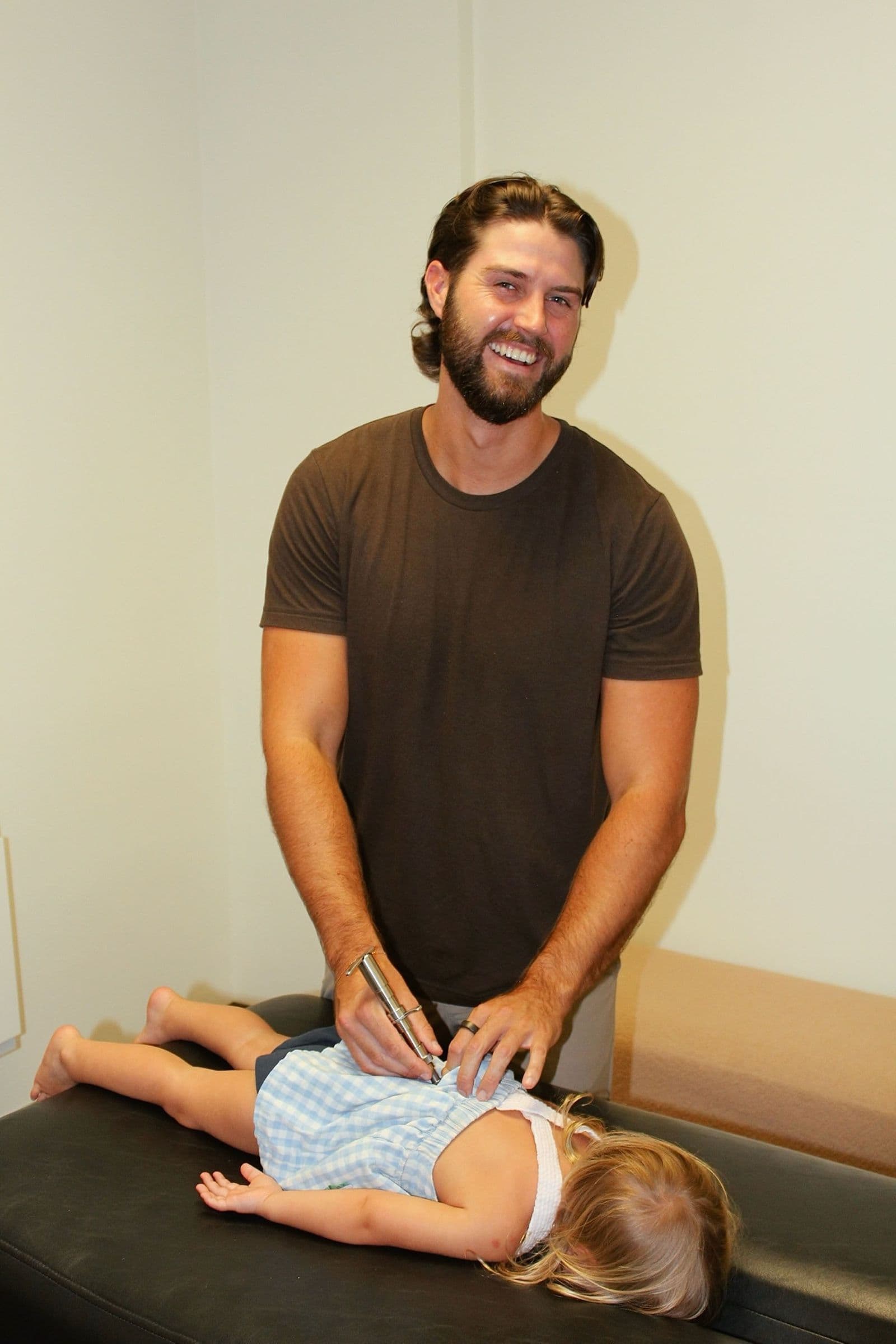
If reaching overhead makes your shoulder catch, burn, or suddenly give out — or you've started sleeping propped on your back just to avoid rolling onto that side — you may be dealing with rotator cuff pain. It's one of the most common shoulder complaints we see at The Roots Health Centers in Lakewood Ranch, and it has a way of quietly shrinking your world: the top shelf you stop reaching for, the swing you stop taking. The reassuring part is that most rotator cuff pain, including many partial tears, responds to non-surgical care before surgery is ever the right conversation.
What the Rotator Cuff Actually Does
The rotator cuff isn't one tendon — it's a group of four small muscles (the supraspinatus, infraspinatus, teres minor, and subscapularis) that wrap around your shoulder joint and hold the ball of your upper arm bone centered in its socket. Compared to the large, powerful muscles that move your arm, these are small, precise stabilizers. That precision is exactly why they're vulnerable: they do a lot of repetitive work in a small amount of space, and irritation or damage there shows up fast in everyday movement.
Strain, Tendinitis, or Tear? Getting the Terms Straight
Rotator cuff pain isn't always the same injury. A strain means the tendon fibers have been overstretched. Tendinitis means the tendon is irritated and inflamed, usually from repetitive stress rather than a single event. A tear means some or all of the tendon fibers have actually been disrupted, which can be partial or full-thickness. All three can feel similar day to day, which is why a proper evaluation — not guesswork — matters.
This is also different from shoulder impingement, where a rotator cuff tendon gets pinched in a narrow space rather than damaged outright, though the two frequently travel together. It's distinct too from frozen shoulder, which involves stiffness in every direction rather than pain in one specific arc of motion.
What Causes Rotator Cuff Pain
A few patterns show up again and again in people who develop rotator cuff pain:
- Repetitive overhead motion — swimming laps, serving in tennis or pickleball, painting, or years of reaching overhead at work
- Rounded, forward posture — desk work and phone use pull the shoulder blades forward, quietly narrowing the space the rotator cuff tendons need to glide through
- A sudden awkward load — catching a falling object, lifting something heavy at an odd angle, or a hard fall onto an outstretched arm
- Age-related tendon changes — tendons naturally lose some of their elasticity and blood supply over the decades, which is part of why rotator cuff issues become more common with age
Here in Lakewood Ranch, we see this constantly in people who play a lot of pickleball or golf, swim at the community pool, or spend the workweek at a desk and the weekend making up for it on the courts. The shoulder doesn't distinguish between a repetitive work motion and a repetitive recreational one — it just responds to how often, and how, a joint moves.
Signs You May Be Dealing With a Rotator Cuff Problem
- Pain reaching overhead, out to the side, or behind your back
- A dull, deep ache that flares with specific movements rather than constant pain
- Weakness lifting or rotating your arm, separate from the pain itself
- Trouble sleeping on the affected side, or waking when you roll onto it
- A catching, clicking, or grinding sensation with certain motions
If several of these sound familiar, you're not imagining it, and you're far from the only one dealing with it.
Non-Surgical Options That May Help
Rotator cuff pain is often mechanical, which means addressing the mechanics is frequently the most direct path toward relief. A few approaches we look at with patients:
A thorough evaluation of shoulder and spine mechanics. Shoulder position is influenced by the mid-back and neck, not just the joint itself. Our Corrective Chiropractic approach starts with a consultation and a full neurological evaluation to understand what's actually driving your mechanics, rather than treating the shoulder in isolation.
Shockwave therapy for stubborn tendon irritation. When rotator cuff tendon tissue has been irritated for a while and hasn't settled on its own, shockwave therapy uses focused acoustic waves to stimulate the body's own repair response. We've seen this approach support recovery in similarly stubborn tendon conditions, including tennis elbow.
Posture and movement pattern correction. Since forward posture and muscle imbalance are common contributors, addressing how you move day to day tends to matter more for lasting relief than rest alone.
Smart activity modification. Temporarily easing off the specific overhead motions that aggravate your shoulder gives irritated tissue room to calm down while the underlying mechanics get addressed — without requiring you to stop moving altogether.
We take a personalized approach based on what your evaluation actually shows, since each shoulder and each cause is different.
When a Rotator Cuff Problem Might Need More Than Conservative Care
We want to be honest with you here: most rotator cuff strains, tendinitis, and even many partial tears respond well to conservative, non-surgical care. That's why it's typically the first avenue worth exploring. That said, a thorough evaluation matters. If there are signs of a significant full-thickness tear or another structural issue, appropriate imaging or a referral is part of doing this right. Our goal in your consultation is an honest look at what's actually going on with your shoulder, not a one-size-fits-all plan — and not a promise that any single approach will resolve every case.
Frequently Asked Questions
Can a torn rotator cuff heal without surgery? Many partial tears respond to conservative, non-surgical care that addresses the underlying mechanics. Whether that's the right path for your specific tear depends on a proper evaluation.
What does rotator cuff pain actually feel like? Most people describe a dull, deep ache in the shoulder that sharpens into a catch or pinch with specific movements — reaching overhead, behind the back, or out to the side — along with some weakness lifting the arm.
Why does rotator cuff pain get worse at night? Lying down changes how weight and position load the irritated tendon, and many people unconsciously roll onto the affected side while sleeping. Side-sleeping with support, or sleeping on the unaffected side, often helps in the meantime.
Is it safe to keep exercising with rotator cuff pain? Generally yes, with adjustments. Movements that don't provoke the catching or pinching sensation are usually fine, while repetitive overhead lifting or throwing is worth easing off until the underlying mechanics are addressed.
How is rotator cuff pain different from shoulder impingement? The two frequently overlap. Impingement describes a tendon being pinched in a narrow space; rotator cuff pain can also include strain, tendinitis, or an actual tear in the tendon fibers. Both tend to benefit from the same kind of mechanical evaluation.
Getting a Real Answer About Your Shoulder
Shoulder pain has a way of quietly shrinking your world — the reach you stop making, the sleep position you avoid, the activities you scale back. You don't have to guess at what's going on. Come in for a complimentary consultation at The Roots Health Centers in Lakewood Ranch, and let's take a real look at what your shoulder is telling us.
Services Related to This Post
Keep Reading
Related articles
Shoulder Impingement: Non-Surgical Options for Lasting Relief
Shoulder impingement causes pain when you reach or lift overhead. Here's what causes it, how it's different from frozen shoulder or a rotator cuff tear, and non-surgical options that may help.
Read articleFrozen Shoulder: Your Real Recovery Options
Frozen shoulder can take 1–3 years to resolve on its own. Here's how to dramatically speed up recovery and avoid the wait.
Read articleTennis Elbow That Won't Heal: A Non-Surgical Path With Shockwave Therapy
Tennis elbow can drag on for months because tendons heal slowly. Here's why it lingers and how shockwave therapy supports recovery without surgery or injections.
Read article