Tennis Elbow That Won't Heal: A Non-Surgical Path With Shockwave Therapy
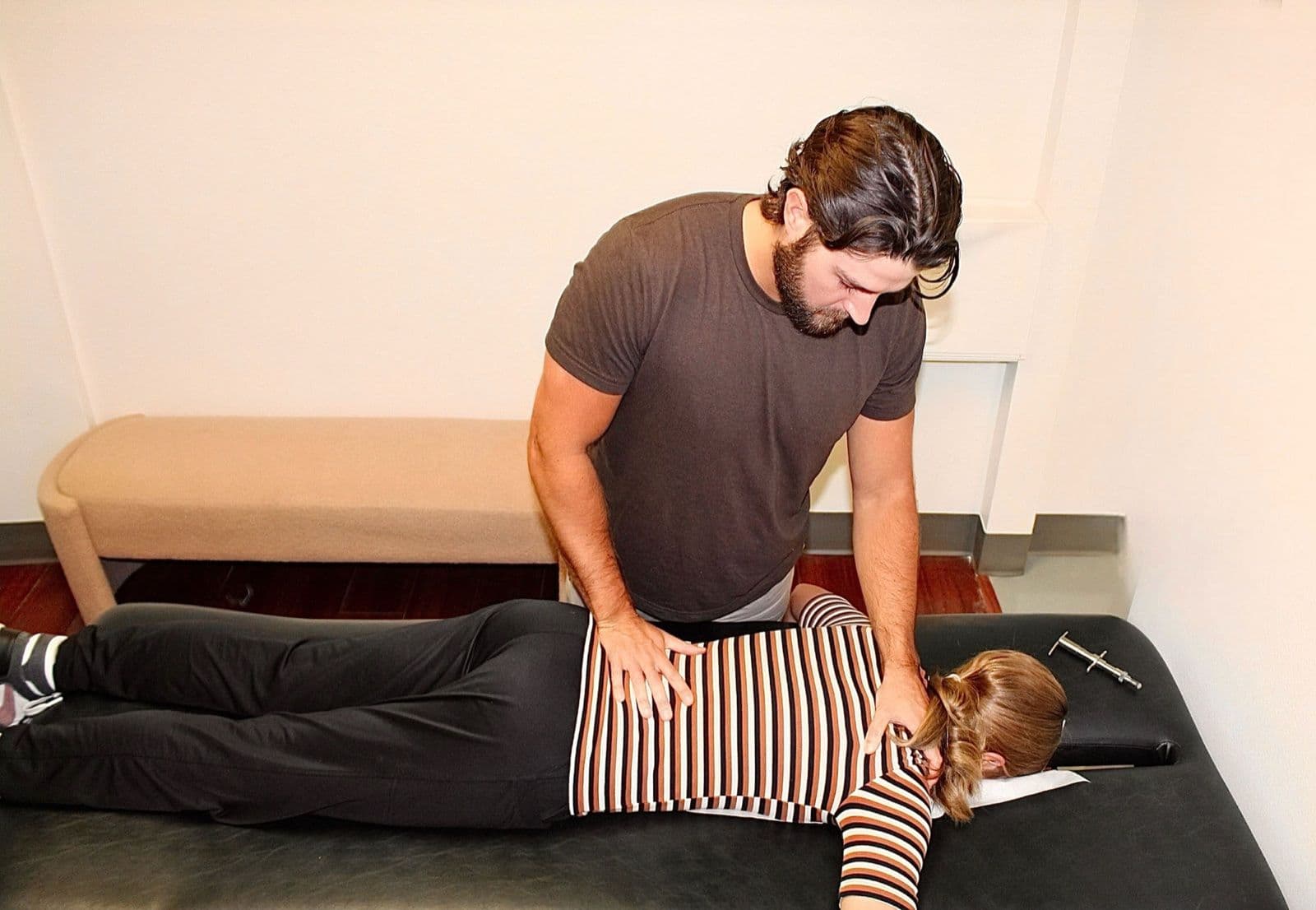
If a sharp, nagging pain on the outside of your elbow has hung around for months, flaring every time you grip, lift, or shake a hand, you may be dealing with tennis elbow. Despite the name, you don't have to play tennis to get it. It's an overuse irritation of the tendons that attach your forearm muscles to the outside of the elbow, and it's notorious for lingering long after you expect it to fade. The frustrating part is that tendons are slow healers, so the usual rest-and-wait approach often stalls. At The Roots Health Centers in Lakewood Ranch, FL, we use shockwave therapy to support the body's repair process and help stubborn elbow pain finally move in the right direction, without surgery or injections.
What tennis elbow actually is
Tennis elbow, known medically as lateral epicondylitis, is an irritation of the tendons on the outside of your elbow, most often the one anchoring the muscle that lifts your wrist and fingers. Repetitive gripping and wrist motion create tiny areas of strain in the tendon faster than the body can repair them.
Here's the key detail: long-standing tennis elbow usually isn't a hot, swollen inflammation. It's more of a wear-and-repair breakdown in the tendon tissue. That matters, because it explains why anti-inflammatory routines alone often don't resolve it. The tissue doesn't just need calming, it needs to rebuild.
Why it lingers for months
Tendons have a stubbornly low blood supply compared with muscle. Less blood flow means fewer of the resources the body uses to repair tissue actually reach the area, so healing crawls.
On top of that, the elbow rarely gets to rest. You use that forearm for nearly everything: typing, lifting a coffee cup, carrying groceries, gardening, swinging a golf club or racket. Every grip tugs on the irritated tendon and reopens the same strain. The result is a frustrating loop where the tissue almost recovers, then gets reloaded before it can finish. That's why tennis elbow can drag on for six months or longer when it's only being managed with rest and braces.
What tennis elbow feels like
The presentation is usually distinct:
- Pain and tenderness on the bony outside of the elbow
- A weak or painful grip, so jars, doorknobs, and handshakes become a problem
- Pain that travels down the forearm toward the wrist
- A flare when you lift something with your palm down, or straighten your fingers against resistance
- Stiffness and aching that's worst in the morning or after activity
Some people also notice the discomfort creeping up toward the shoulder as they unconsciously change how they use the arm to protect the elbow.
How shockwave therapy supports tendon recovery
Shockwave therapy is a non-invasive option built for exactly this kind of stubborn tendon problem. A handheld device delivers focused acoustic pressure waves into the irritated tissue. Those waves do something rest can't: they signal the body to start actively repairing the area again.
The pressure waves are thought to stimulate fresh blood-vessel activity and circulation in a tendon that has been starved of it, while nudging the local cells back into a repair response. In plain terms, shockwave helps reawaken healing in tissue that has been stuck. A typical shockwave treatment takes only about 8 to 15 minutes, and it's done right in our Lakewood Ranch office with no needles, no anesthesia, and no downtime afterward.
We've seen this approach work well for other slow-healing tendon and fascia problems too. It's the same reason shockwave has become a go-to for plantar fasciitis that keeps coming back.
What to expect, and what it won't do
Shockwave isn't a magic switch, and we'd never frame it that way. Tendons rebuild gradually, so it works best as part of a plan rather than a one-and-done fix. Many people have a short series of sessions spaced out over a few weeks, paired with guidance on how to unload the tendon so it isn't being re-strained between visits.
It also isn't right for everyone or every situation. Certain health conditions and a fresh, acute injury can make it a poor fit, which is why we start with an evaluation instead of assuming. The honest answer to "will this help me" is "let's look at what's actually going on first."
Calming the strain around the elbow
Tennis elbow rarely lives in a vacuum. How you grip, how your wrist and shoulder move, and even how you carry tension through the arm all feed into it. Part of getting ahead of repetitive strain is changing the load that created it.
Alongside shockwave, we look at the mechanics upstream and downstream of the elbow, coach simple adjustments to grip and daily movement, and address tension patterns through the arm and shoulder. The goal is to support the tissue while it heals and reduce the odds it flares again once it settles.
Where to start in Lakewood Ranch
If elbow pain has outstayed its welcome and you're tired of bracing, resting, and waiting with little to show for it, there's more that can be done before surgery or injections enter the conversation.
You can explore our full range of services or learn more about shockwave therapy and how we use it.
Ready for answers? Book a complimentary consultation at The Roots Health Centers in Lakewood Ranch, FL, or call us at (941) 877-1507. We'll take a look at what's driving your elbow pain and walk you through whether shockwave is a good fit. No commitment to start care.
Frequently Asked Questions
Does shockwave therapy hurt?
Most people describe it as a strong tapping or pulsing sensation that can feel tender over the sore spot, but it's generally well tolerated and brief. The intensity can be adjusted to your comfort, and there's no lingering pain afterward that would keep you from your day.
How many shockwave sessions will I need?
It varies by person and by how long the tendon has been irritated, so we don't quote a fixed number. Tendon issues typically respond to a short series of sessions over several weeks rather than a single visit. We'll give you a clearer picture after evaluating the elbow.
Is shockwave therapy better than surgery for tennis elbow?
For many people, conservative options like shockwave are worth exhausting before considering surgery, which is usually reserved for cases that don't respond to anything else. The right path depends on your specific situation, and that's what an evaluation is for.
Do I have to play tennis to get tennis elbow?
No. Tennis elbow is an overuse condition, and the most common triggers are everyday repetitive gripping and wrist motion, from typing and tools to gardening and lifting. Plenty of people who've never held a racket develop it.
Can I keep using my arm during shockwave therapy?
You'll usually keep using your arm for daily life, but the key is reducing the specific strain that aggravates the tendon. Part of care is identifying which movements are reloading it so the tissue gets a real chance to recover between sessions.
Conditions We Treat
Repetitive Strain Injuries
Tendinopathy, tennis elbow, golfer's elbow, carpal tunnel, and other repetitive strain injuries share a common problem: the tissue has broken down faster than it can repair. Shockwave therapy and corrective care rebuild capacity at the tissue level.
Frozen Shoulder
Non-surgical care for adhesive capsulitis (frozen shoulder) using shockwave therapy, red light therapy, and corrective adjustments to restore range of motion and end chronic shoulder pain.