
SI Joint Pain: Causes and Non-Surgical Relief
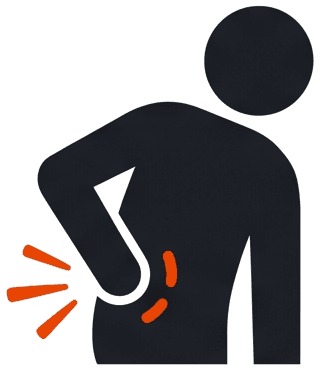
If you've got a deep, aching pain low in your back — right around your beltline, often just to one side — that gets worse when you stand up from sitting, climb stairs, or roll over in bed, you may be dealing with SI joint pain rather than a disc problem or muscle strain. The sacroiliac (SI) joints connect your pelvis to the base of your spine, and when they become irritated or move improperly, they can cause pain that mimics sciatica or low-back strain closely enough to be misdiagnosed for months. Here's what SI joint pain actually feels like, why it happens, and what non-surgical relief looks like.
What Is SI Joint Pain?
Your sacroiliac joints sit on either side of your spine, where the sacrum (the triangular bone at the base of your spine) meets the ilium (the wing-shaped bones of your pelvis). These joints have very little range of motion by design — just a few millimeters — but that small amount of movement and load transfer is critical. Every time you walk, stand up, or shift your weight from one leg to the other, force travels through the SI joints.
SI joint pain is usually felt low in the back, just above the buttock, more on one side than the other. It's commonly described as a deep, dull ache that can sharpen with certain movements, and it frequently radiates into the buttock, hip, groin, or upper thigh — which is exactly why it's so often mistaken for sciatica or a disc issue.
What Causes SI Joint Pain?
A handful of patterns commonly contribute to SI joint dysfunction:
Too much movement (hypermobility). In some people — often women, and especially during and after pregnancy when hormones loosen pelvic ligaments — the SI joint moves more than it should, creating instability and pain with weight-bearing activity.
Too little movement (hypomobility). In other cases, the joint becomes restricted or "stuck," often after a fall, a misstep off a curb, or a long period of asymmetric loading, such as favoring one leg after a knee or ankle injury.
Asymmetrical loading over time. Habits like always carrying a bag on one shoulder, crossing the same leg repeatedly, or a job that requires standing on one leg for long stretches can gradually load one SI joint more than the other.
Leg length differences. Even a small, functional difference in leg length changes how weight transfers through the pelvis with every step.
Prior trauma. A fall onto the buttocks, a car accident, or a hard landing during sports can jar the joint out of its normal movement pattern.
Arthritis. Inflammatory conditions and degenerative changes from arthritis can affect the SI joints directly.
SI Joint Pain vs. Sciatica: Why the Difference Matters
SI joint pain and sciatica overlap enough in symptoms that they're frequently confused — and the distinction matters, because the two problems respond to different approaches.
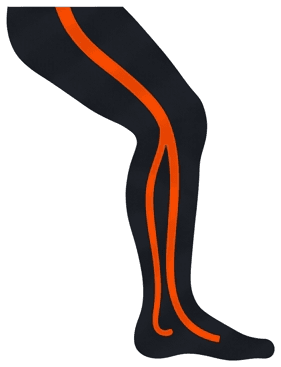
Sciatica originates from irritation of the sciatic nerve, usually from a disc pressing on a nerve root in the lower spine, and tends to travel further down the leg — sometimes all the way to the foot — often with numbness or tingling along the way.
SI joint pain is more localized to the low back and buttock, is usually one-sided, and tends to worsen with specific movements: standing up from sitting, climbing stairs, rolling in bed, or standing on one leg to put on pants. It rarely produces the same below-the-knee numbness pattern.
A thorough exam — including specific orthopedic tests that stress the SI joint directly — is the most reliable way to tell the two apart, since either can feel similar to the person experiencing it.
How to Sit, Sleep, and Move With SI Joint Pain
A few practical adjustments can meaningfully reduce day-to-day discomfort while you address the underlying mechanics:
Sitting. Avoid sitting directly on a wallet or phone in your back pocket, which tilts the pelvis unevenly. A cushion that supports both sit bones evenly, and standing up to move every 30–45 minutes, both help.
Sleeping. Side-sleeping with a pillow between the knees keeps the pelvis in a more neutral, symmetrical position and takes pressure off the SI joint. Stomach sleeping tends to worsen SI joint irritation for most people.
Standing. Try to distribute weight evenly on both feet rather than habitually shifting weight onto one hip. If your job requires standing for long periods, alternating a small step stool under one foot periodically helps offload the joint.
Movement. Contrary to the instinct to stay still, gentle movement — walking, and stabilization exercises for the deep core and glute muscles that support the pelvis — tends to help SI joint pain more than prolonged rest.
Non-Surgical Options for SI Joint Pain Relief
For most people, SI joint pain responds well to conservative, non-surgical care that addresses both the mechanics of the joint and the muscles that stabilize it.
At The Roots Health Centers, our approach starts with a full neurological evaluation and a thorough exam to confirm the SI joint — rather than the spine or hip — is the source of your pain. From there, care commonly includes:
- Chiropractic care using Torque Release Technique (TRT), a low-force, instrument-assisted approach that can help address joint restriction without twisting or high-velocity manipulation
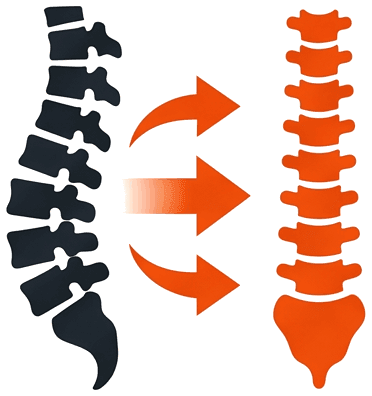
- Spinal and pelvic assessment to identify whether hypermobility or restriction is the driving pattern in your specific case
- Core and glute stabilization guidance, since the SI joint relies heavily on surrounding musculature for stability
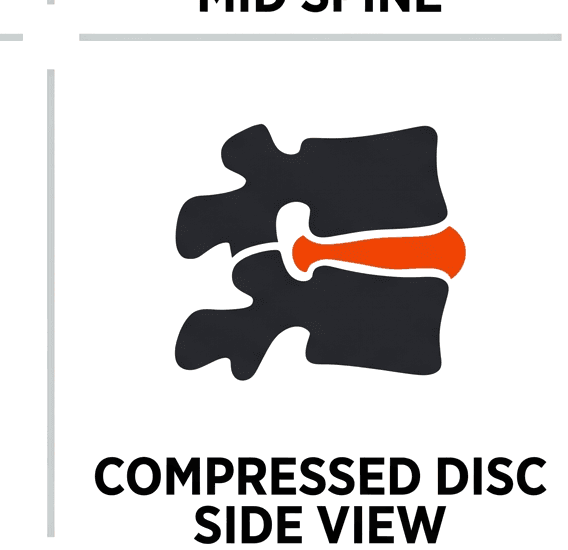
- Spinal decompression when disc-related findings are contributing alongside SI joint involvement
Every case is different, and the right combination depends on what your evaluation actually shows — not a one-size-fits-all protocol.
When to Seek Care
Most SI joint pain is mechanical and responds to the conservative approaches above. But it's worth having a thorough evaluation sooner rather than later if:
- Pain has lasted more than a few weeks without improvement
- Pain is affecting your sleep or ability to stand for normal daily activities
- You notice numbness, tingling, or weakness traveling down the leg
- Pain began after a fall, accident, or specific injury
A proper evaluation — including any necessary X-rays — helps rule out other causes and gives you a clear picture of what's actually driving your symptoms before you commit to any care plan.
Frequently Asked Questions
What does SI joint pain feel like?
Most people describe a deep, dull ache low in the back on one side, just above the buttock, that can sharpen with specific movements like standing up from sitting, climbing stairs, or rolling over in bed. It often radiates into the buttock, hip, or upper thigh.
What causes SI joint pain?
Common contributors include pregnancy-related ligament changes, asymmetrical loading habits, prior falls or trauma, leg length differences, and arthritis affecting the joint. Often more than one factor is involved.
Can a chiropractor help with SI joint pain?
Yes — a thorough evaluation to confirm the SI joint is the source, combined with a low-force adjustment approach and stabilization guidance, is a common and well-tolerated path for SI joint pain. Every case is evaluated individually before any care begins.
How should I sleep with SI joint pain?
Side-sleeping with a pillow between the knees is generally the most comfortable position, since it keeps the pelvis level and symmetrical. Stomach sleeping tends to aggravate SI joint pain for most people.
Does SI joint pain ever go away?
For many people, yes — especially once the underlying mechanical contributor is identified and addressed. Each case is different, and a proper evaluation is the clearest way to understand your specific situation and path forward.
SI joint pain can be persistent and frustrating, especially when it's been mistaken for something else. The clearest path forward starts with understanding exactly what's happening in your pelvis and spine — not guessing.
Book your complimentary consultation at The Roots Health Centers in Lakewood Ranch. We'll evaluate your spine, pelvis, and nervous system, and walk you through what's actually contributing to your pain and what a personalized path forward could look like.
The Roots Health Centers, 8209 Natures Way, Unit 115, Lakewood Ranch, FL 34202. (941) 877-1507.